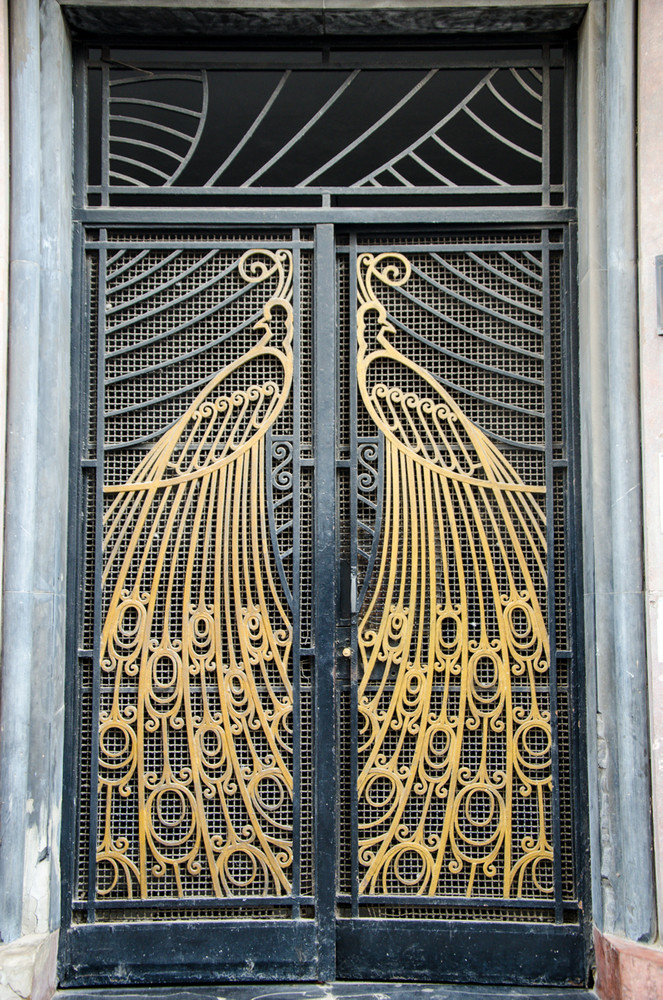

Casablanca - Pearl of the Orient: The Mauresque and Art Deco
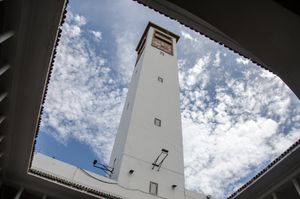
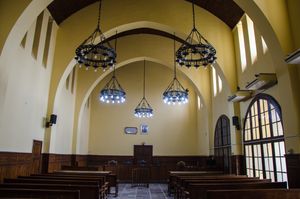
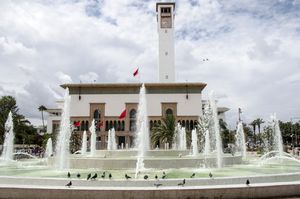
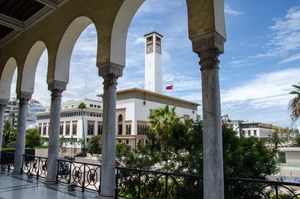
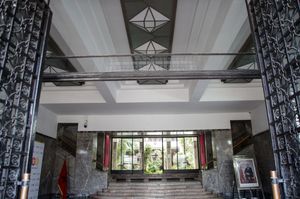
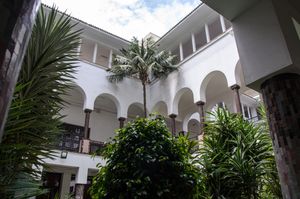
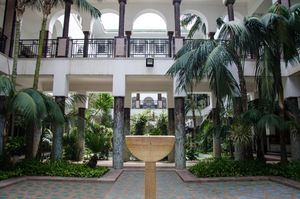
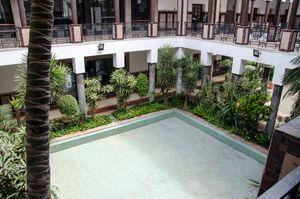
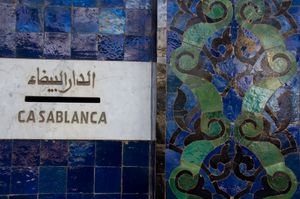
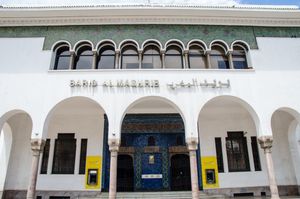
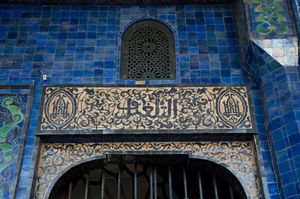
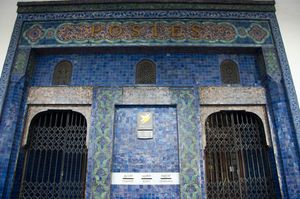
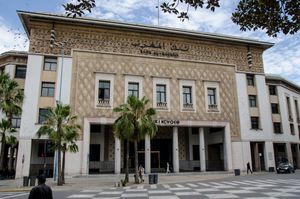
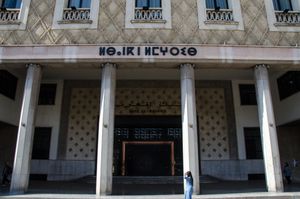
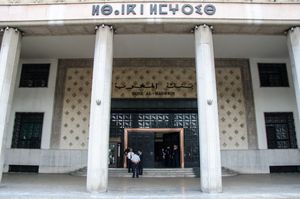
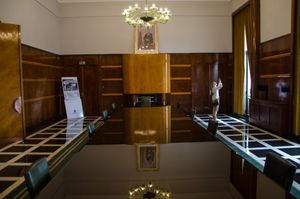
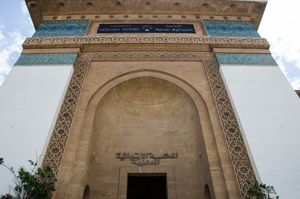
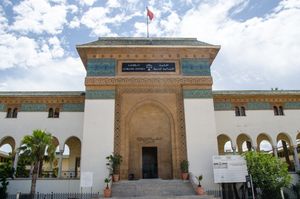
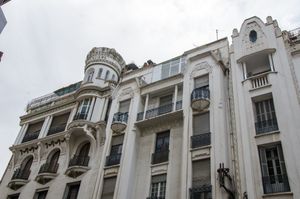
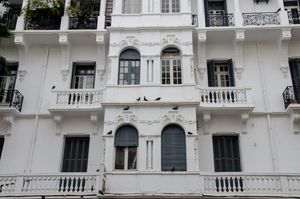
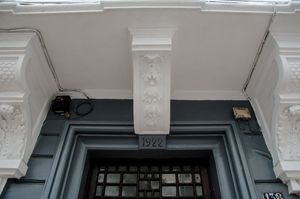
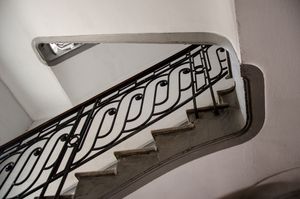
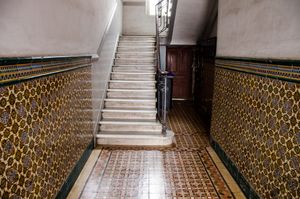
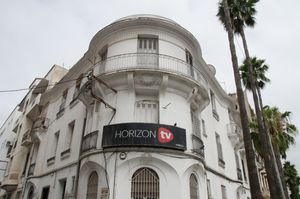
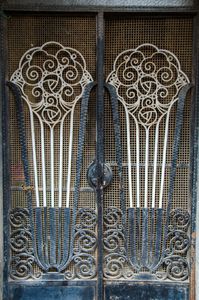
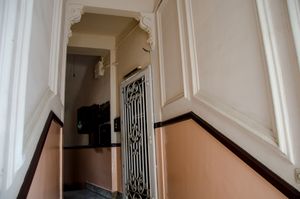
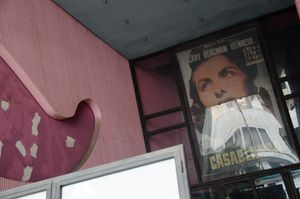
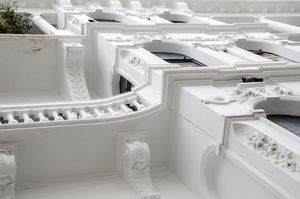
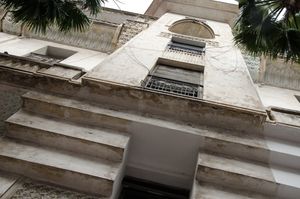
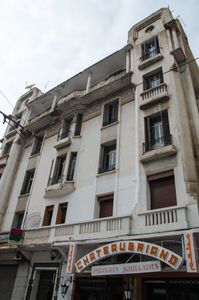
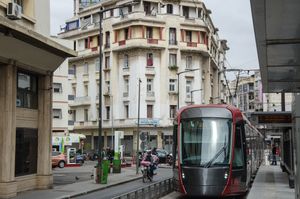
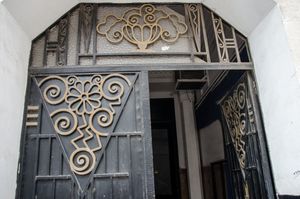
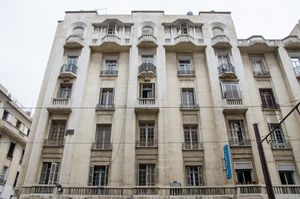
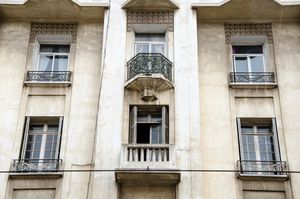
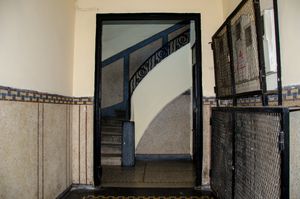
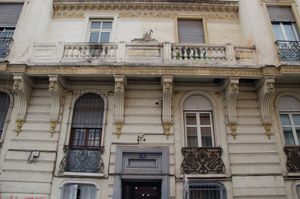
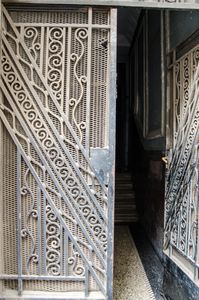
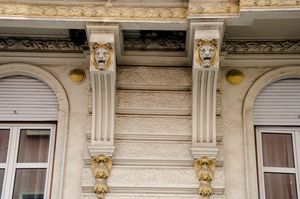
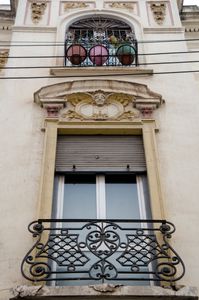
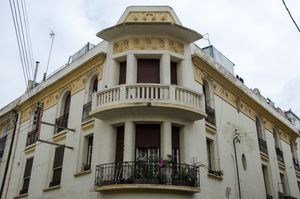
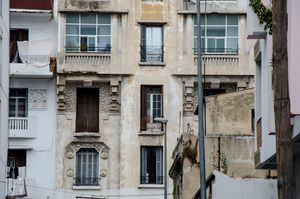
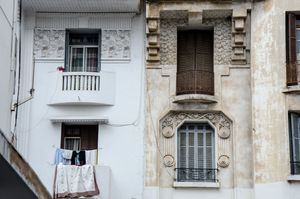
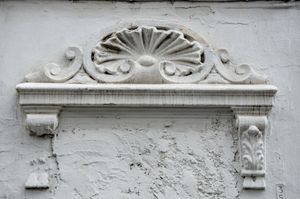
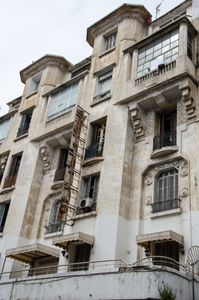
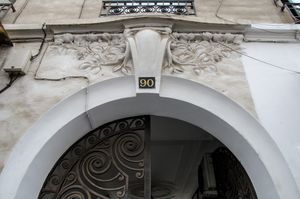
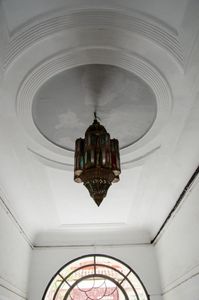
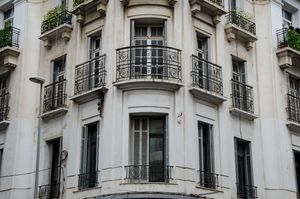
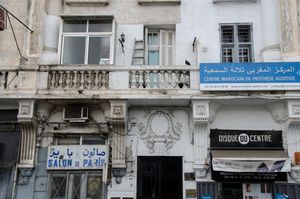
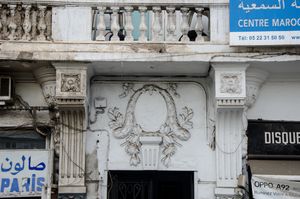
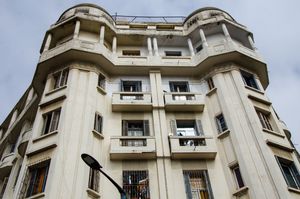
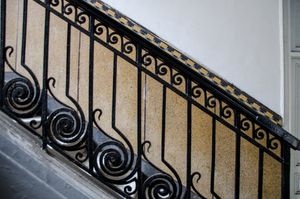
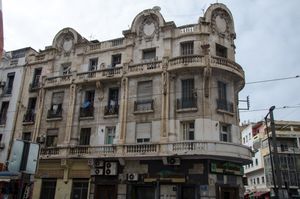
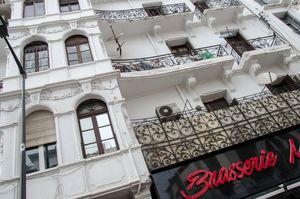
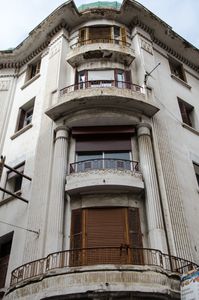
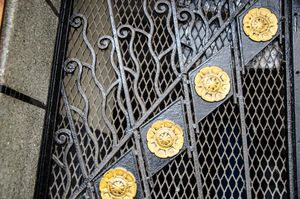
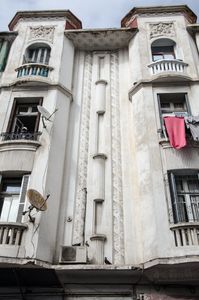
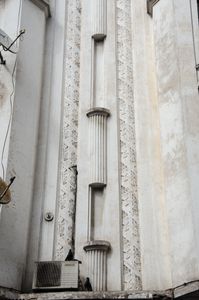
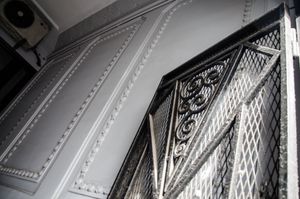
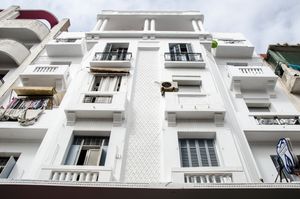
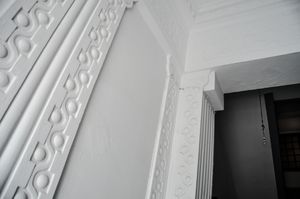
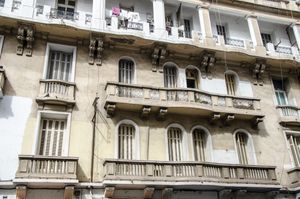
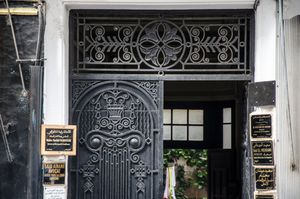
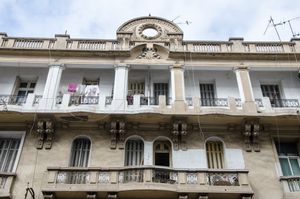
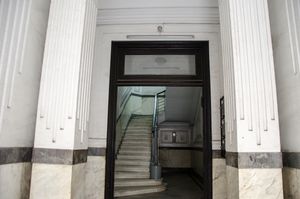
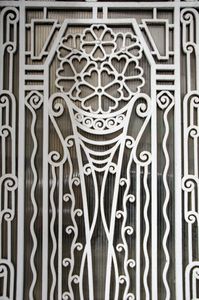
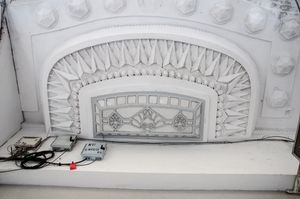
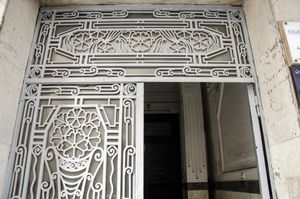
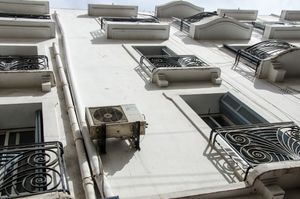
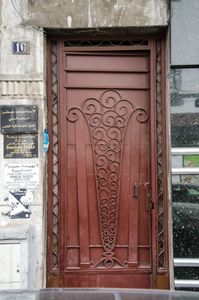
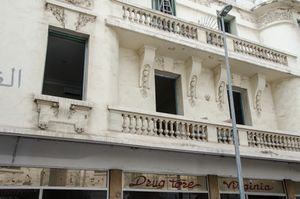
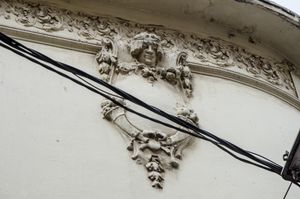
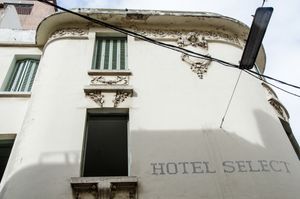
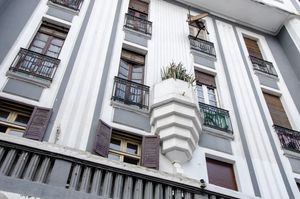
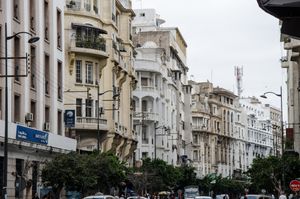
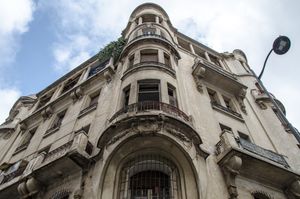
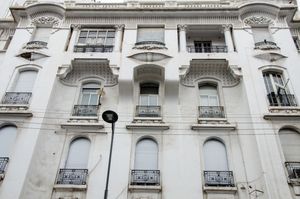
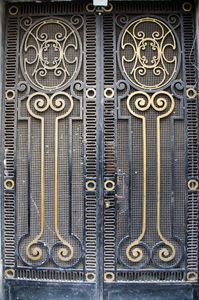
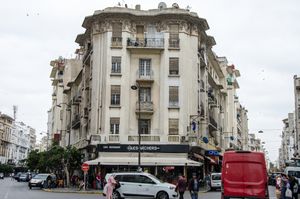
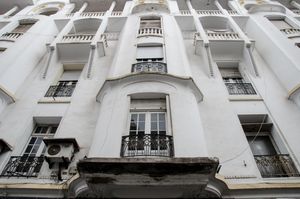
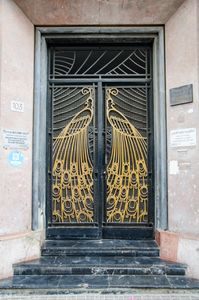
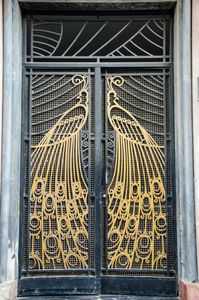
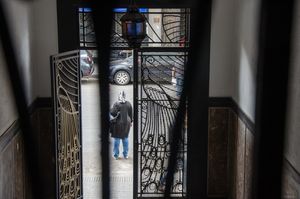
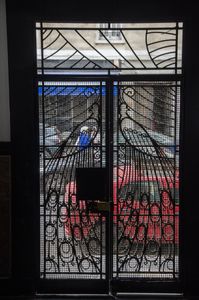
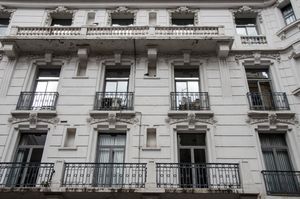
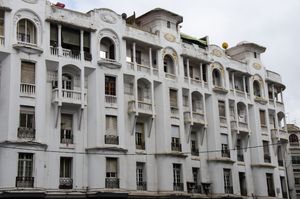
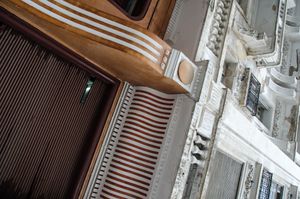
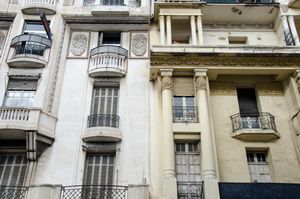
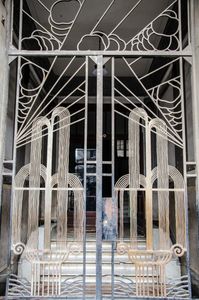
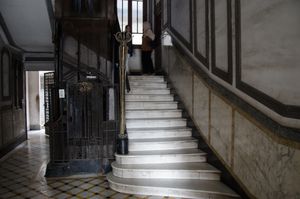
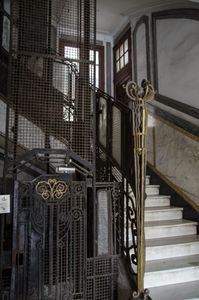
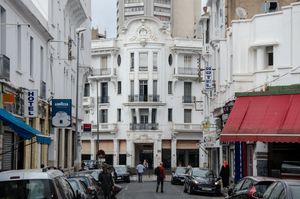
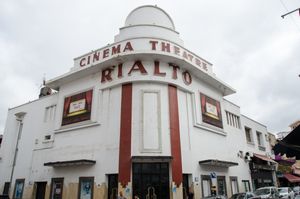
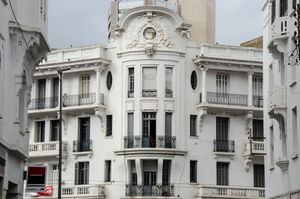
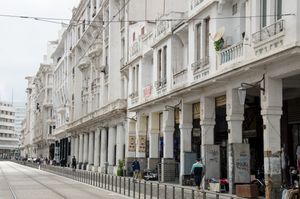
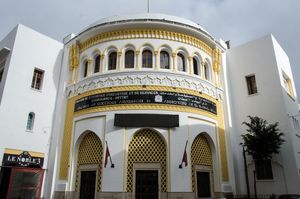
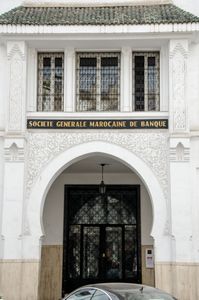
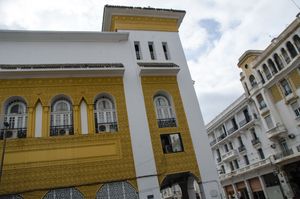
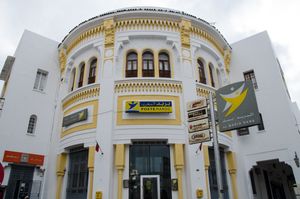
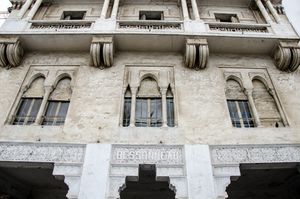
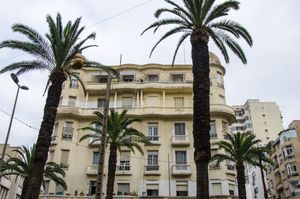
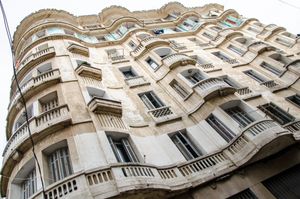
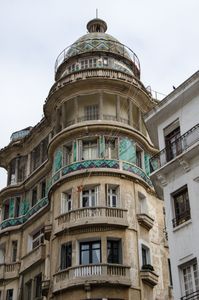
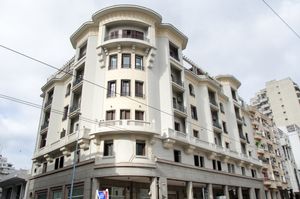
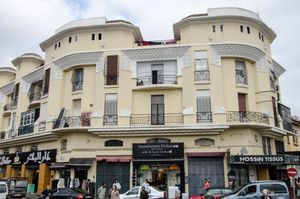
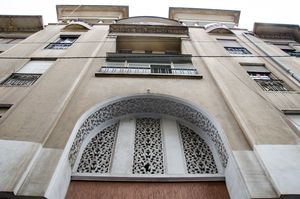
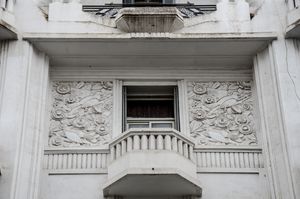
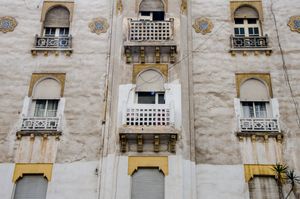
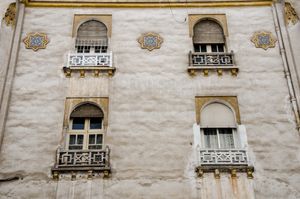
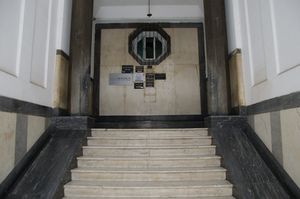
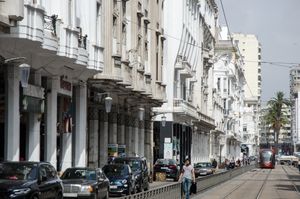
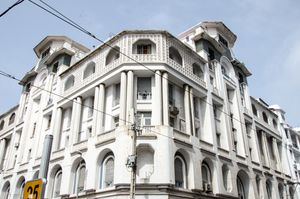
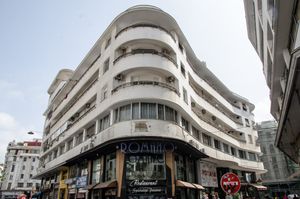
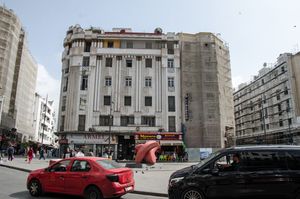
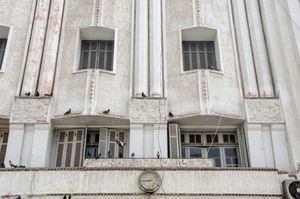
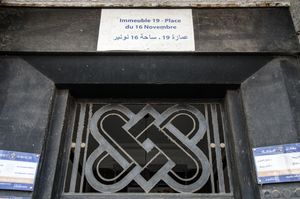
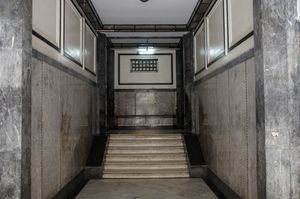
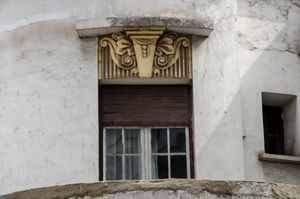
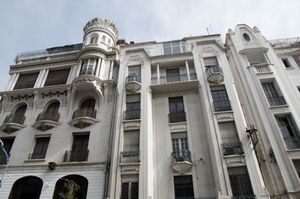
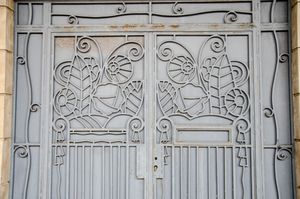
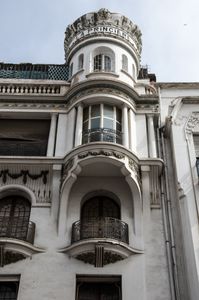
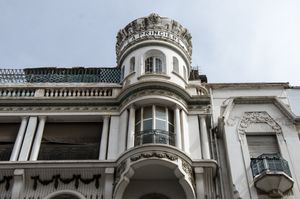
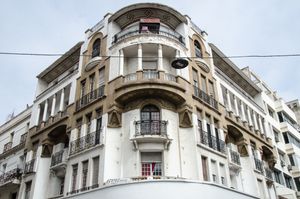
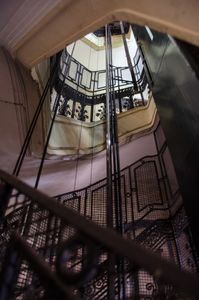
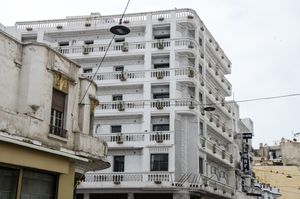
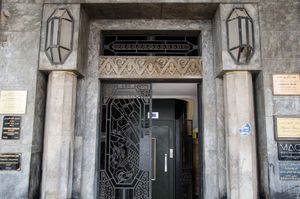
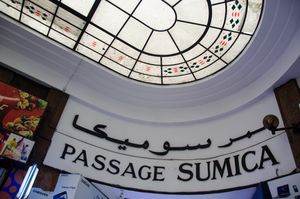
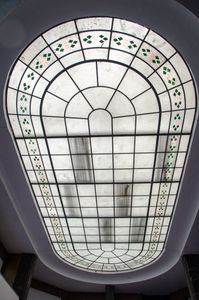
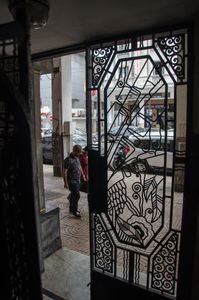
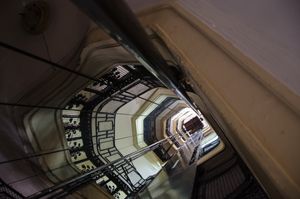
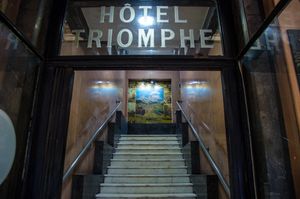
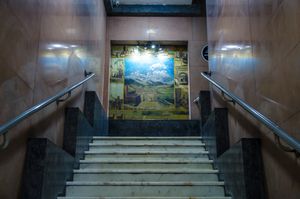
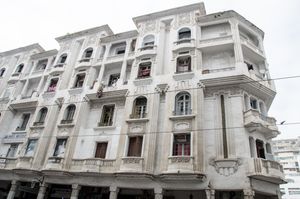
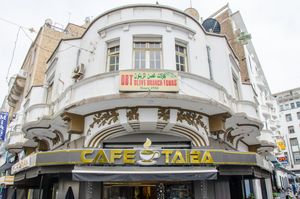
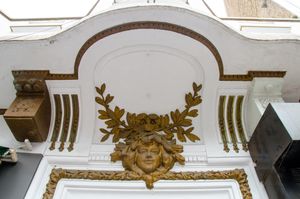
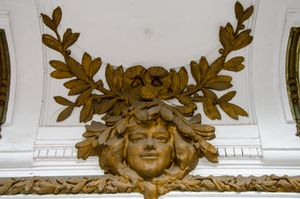
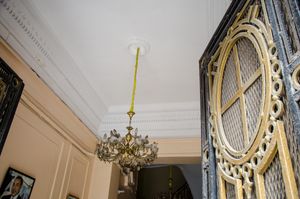
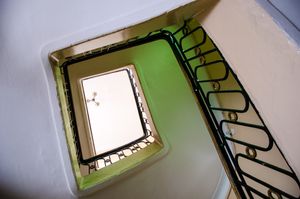
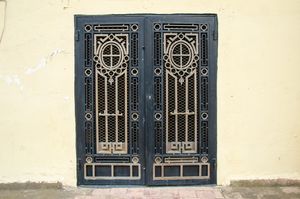
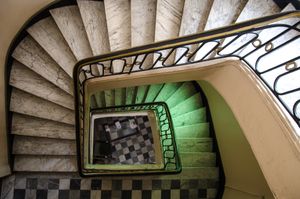
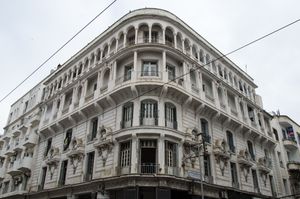
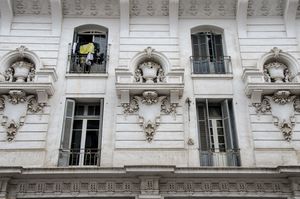
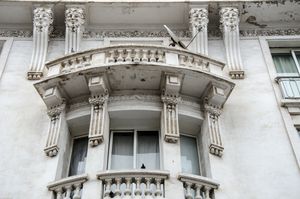
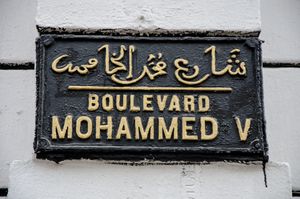
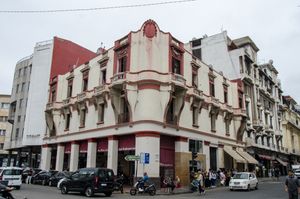
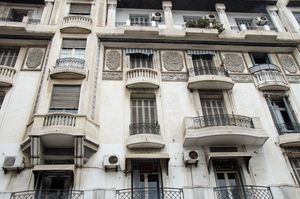
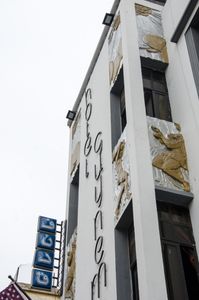
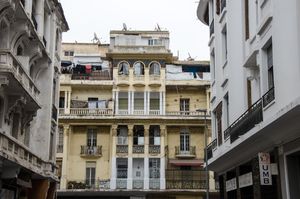
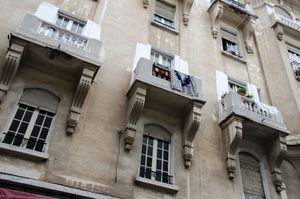
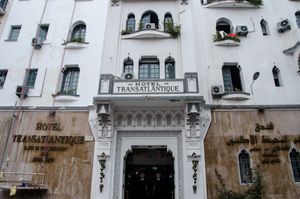
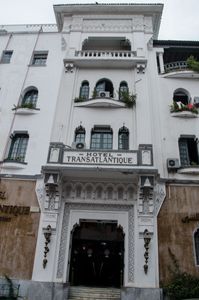
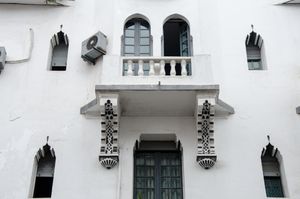
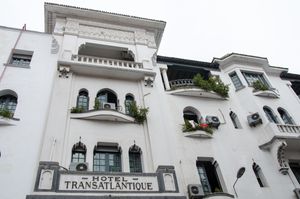
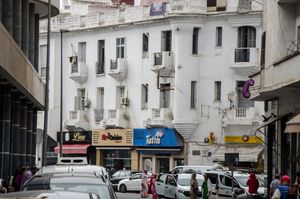
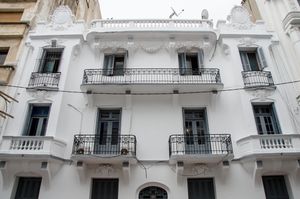
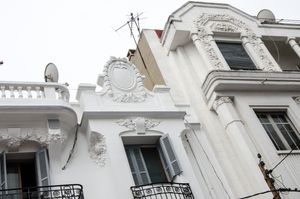
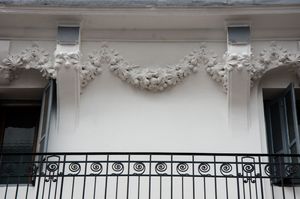
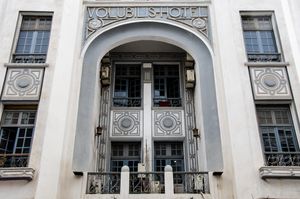
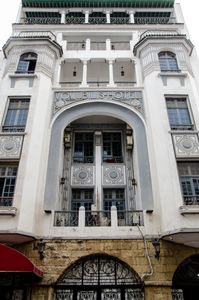
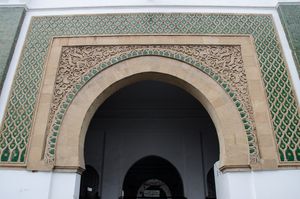
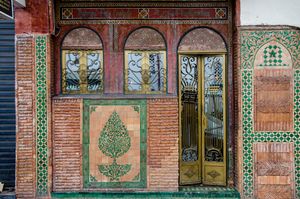
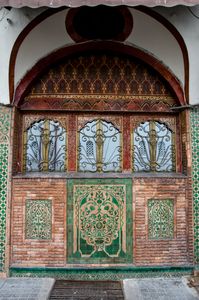
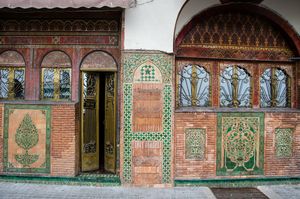
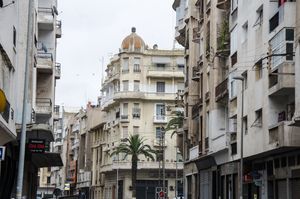
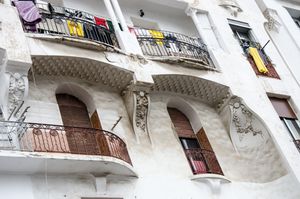
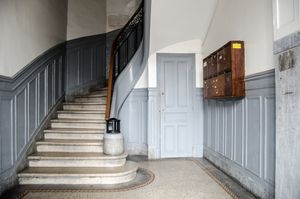
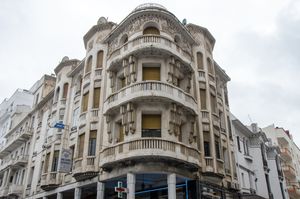
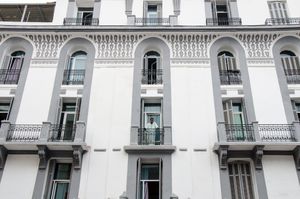
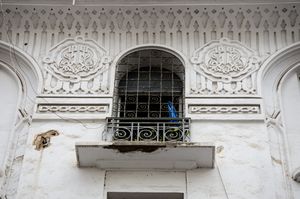
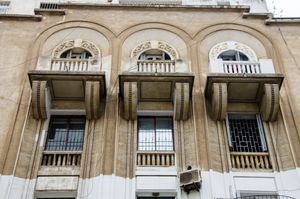
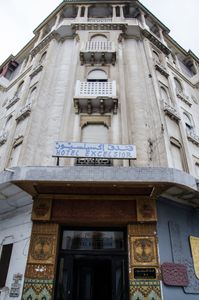
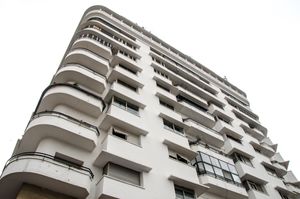
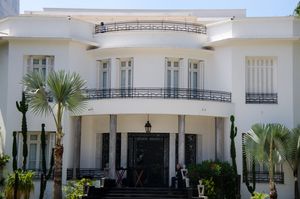
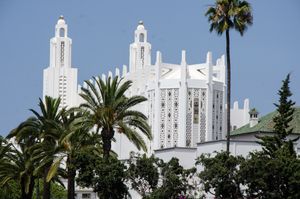
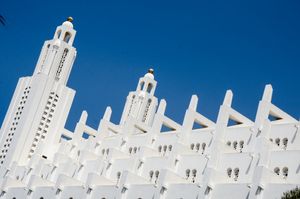
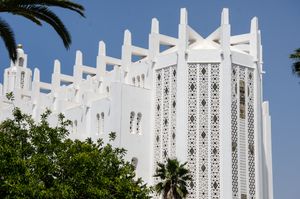
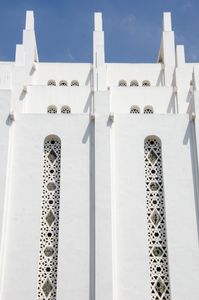
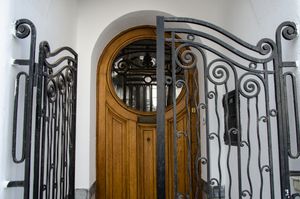
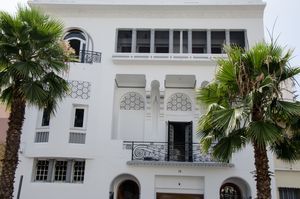
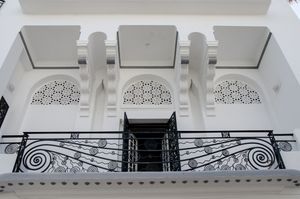
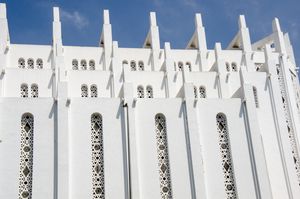
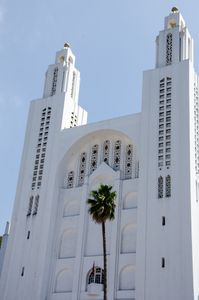
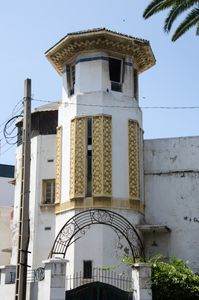
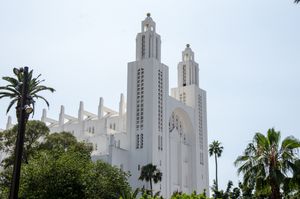
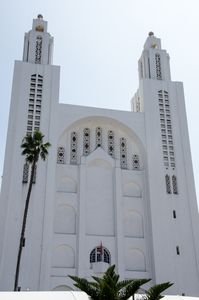
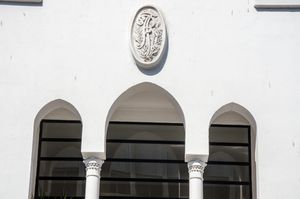
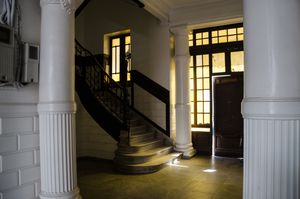
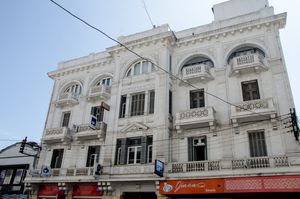
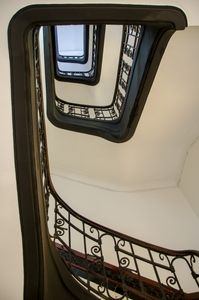
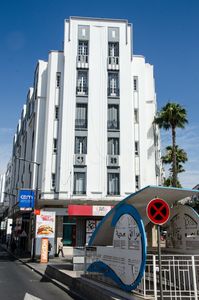
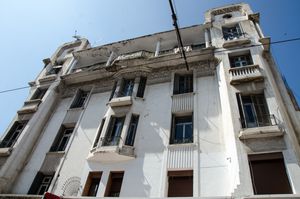
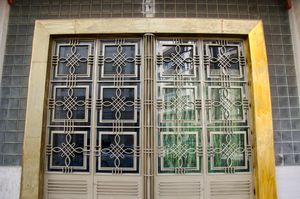
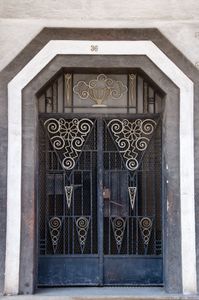
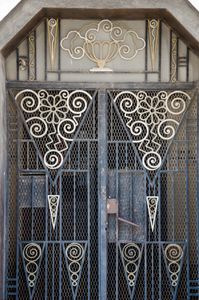
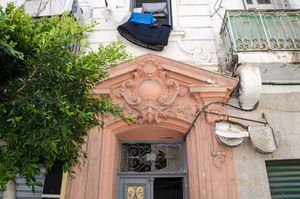
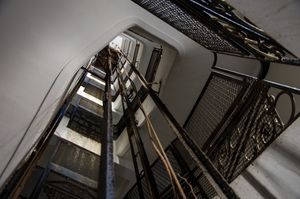
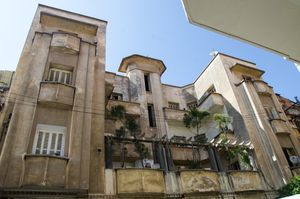
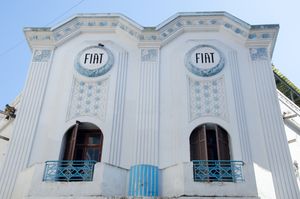
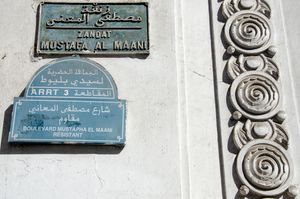
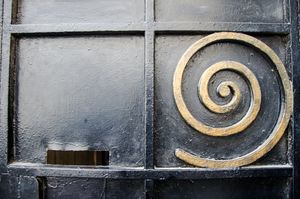
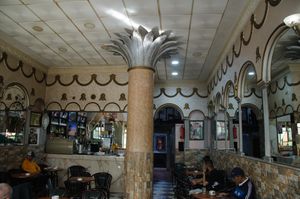
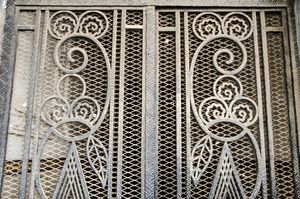
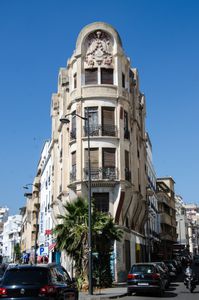
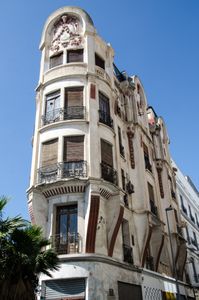
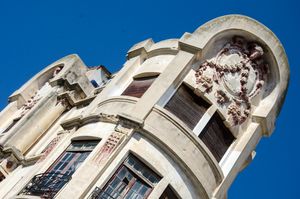
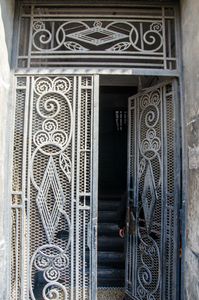
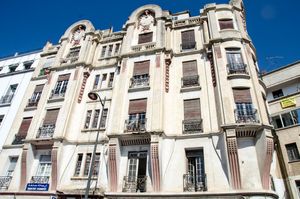
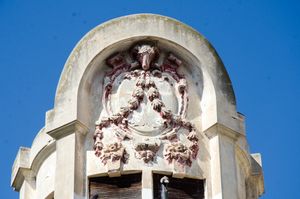
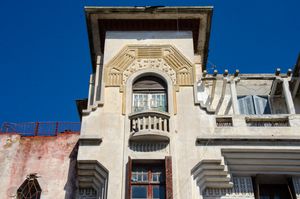
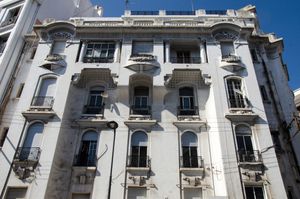
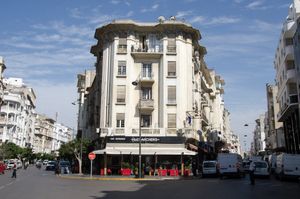
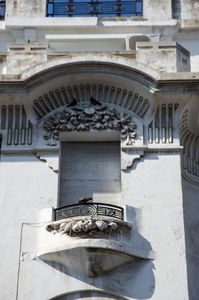
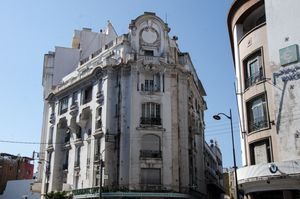
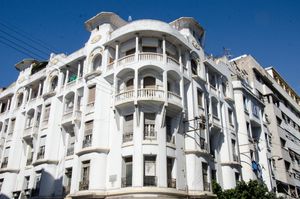
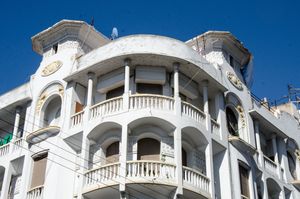
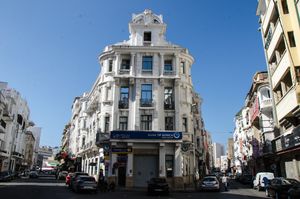
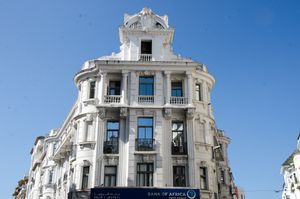
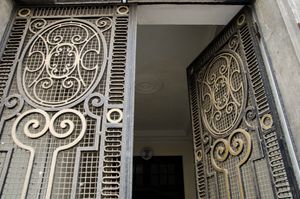
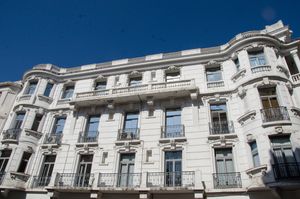
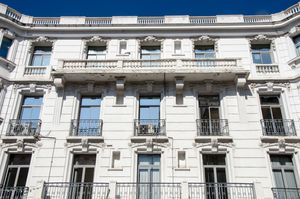
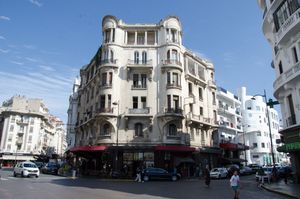
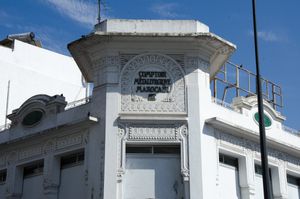
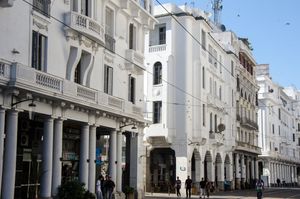
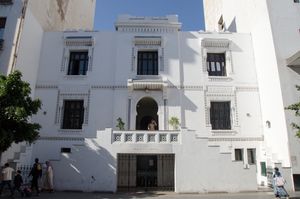
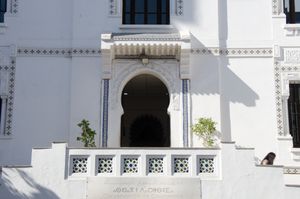
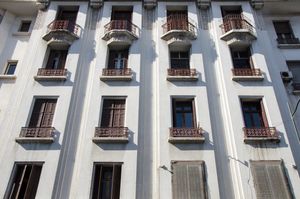
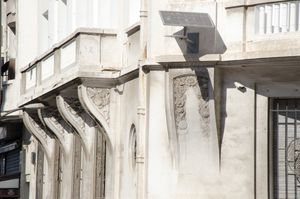
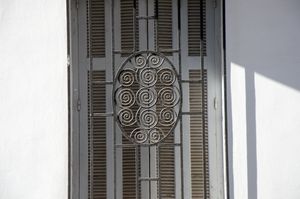
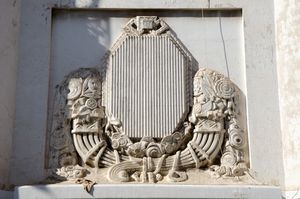
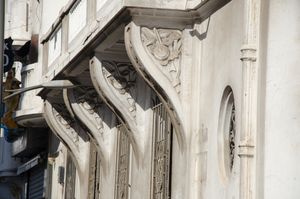
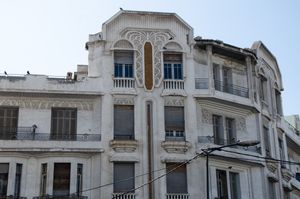
Casablanca - Pearl of the Orient: The Mauresque and Art Deco After the French established the French Protectorate of Morocco in 1912 they created their grand plan for the city of Casablanca, (Dar El Beida) to base their colonial and administrative power separate from the great Moroccan Imperial cities. The drive to expand and project Casablanca as a showpiece, and statement of the potential of their African Empire, gave impetus to a large scale urban development in the then small harbour and trading city at the sea’s edge of the fertile Chaouia plains. It was primarily under the direction of the first French Resident General of Morocco, Gen. Hubert Lyautey, and with the employ of Henri Prost, a notable Parisian architect and urban planner, that the nouvelle Casablanca, Morocco’s new commercial city was born. The nascent Pearl of the Orient. Prost, taking a page from Haussmann's renovation of Paris, drew up a plan for the new city drafting a plan with the city’s port at it’s heart, facing the Atlantic Ocean, and connecting all the main transport arteries of Morocco, converging back to this central star. Having been an understudy to Eugène Hénard. Paris’ great modern urban planner, his draft for Casablanca included wide boulevards triangulating, criss-crossing and intersecting in round circles and a series of radial throughfares arcing, and quartier defining boundaries (Boulevard Moulay Youseff and Mohammed Zerktouni), radiating outwards from the city’s port and old medina. Designed with open squares, parks and public buildings from which the ruling French could organise and project it’s realm. Prost’s and Lyautey’s eagerness and desire for the new city to embody the best of modern French architecture and traditional Moroccan (Moorish) design and architecture, gave rise to a new architectural style: Mauresque . A blend of traditional Moroccan architecture and designs and it’s techniques of zellij mosaics, plasterwork, and wrought iron with influences from turn-of-the-century Europe, and the combining straight lines of Art Deco with the sweeping curves of earlier Art Nouveau, giving the city the most intricate of design and detail to its buildings. Through the large cohort of French architects, such as Marius Boyer, and their builders the “ville européenne” grew from a seemingly blank slate with unbounded imagination and the Orientalism fantasy through the 1920-30’s. Accompanying the construction of large civic buildings such as the Wilaya (administrative headquarters, built between 1927 and 1936), La Grande Poste (Post Office in 1918) , the Palais de Justice (civil courthouse in 1925) Bank of Morocco on the central square bordered from the commercial centre of the city by Boulevarde de Paris and Boulevard Lalla Yacoult, the iconic façades and arcades of the city’s main thoroughfare, Boulevard Mohammed V and adjoining streets with their signature offices, cafés and central hotels blossomed in a flurry of building. Great Mauresque inspired gems such as the Central Market and buildings in surrounding quartier of today’s bustling Derb Omar defined the central commercial hub. The grand gothic inspired art deco edifice , the Église du Sacré-Cœur de Casablanca dominating the originally named Parc Lyautey ( today’s Parc Ligue Arabe) , designed under the guidance of Prost’s urban plan by Albert Laprade. While the nearby rond-point intersection of Mers Sultan sported the latest in what could be called Casablanca’s grandes magazins and cinemas. The surrounding residential quartiers of Bourgonge, Guatier, Lusitania, Belvedere, Alsace–Lorraine, Palmier and Gironde all began to grow. By the end of 1930s, Casablanca and other Moroccan cities Mauresque architecture was resplendent and characterized by ornate wrought-iron balconies, sweeping balustrade staircases, grand foyers made with the best marbles, stain glassed windows; carved facades and friezes; and rounded buttresses and exterior corners. The French colonial apparatus under Lyautey’s moniker, “The French Empire Builder”, also experimented with the urban planning of a Nouvelle (new) Medina of Habbous and Bousbir. Prost’s originally perceived idea of “ville indigène‘’ , separated from “ville européenne” was managed by Laprade. A residential quartier where the Casablancais or "Beidaoui" would live inside the newly conceived Nouvelle (new) Medina, while the French sort to contain and walled in the rambling Old Medina beside the newly emerging city centre. Laprade’s New Medina was separate from the French quartiers and very different from the grand white buildings of the centre ville; completely neo-Moorish style in design and an organised layout distinctly different from the haphazard organic growth of Morocco’s other ancient medinas. Laprade following the Moroccan house traditions with the division between interior courtyards and the street, built the medina of modern materials, technology and sanitary principles, with planned pedestrian walkways, courtyard houses, markets, communal ovens for baking bread, mosques, schools and public hammams. Today it remains authentically Moroccan.
No categories selected
Photos (248)