War Paint
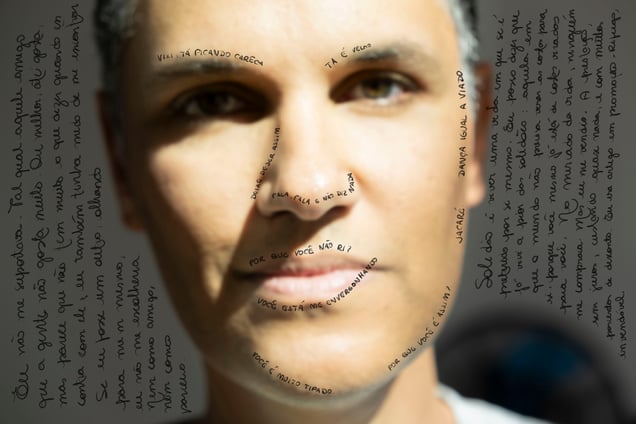
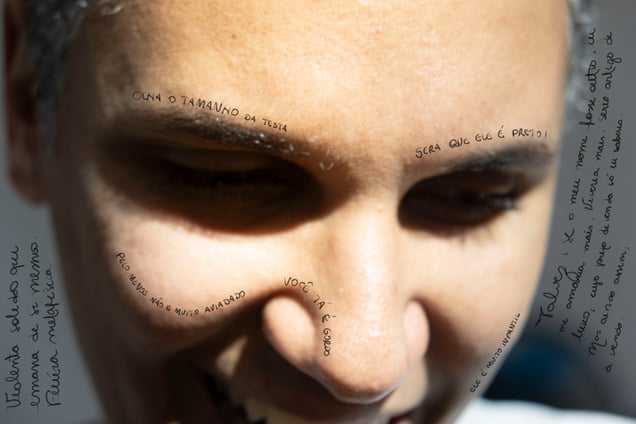
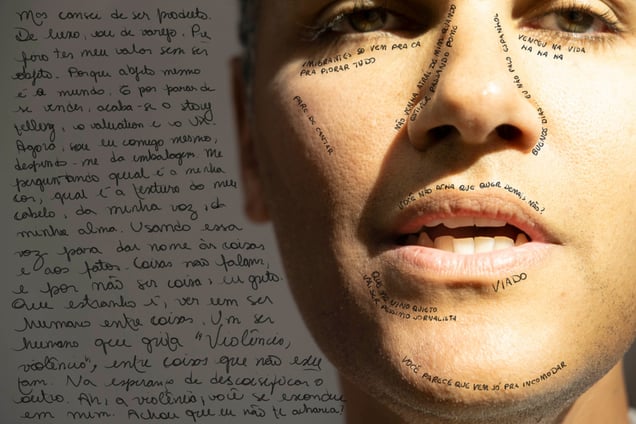
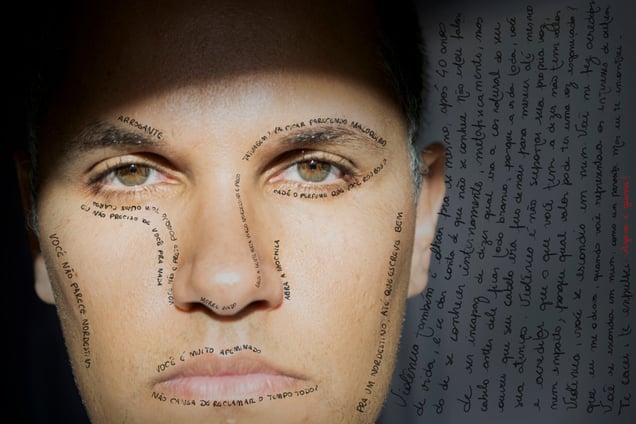
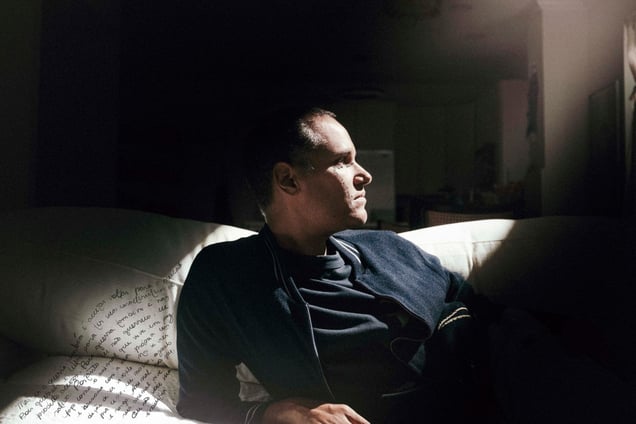
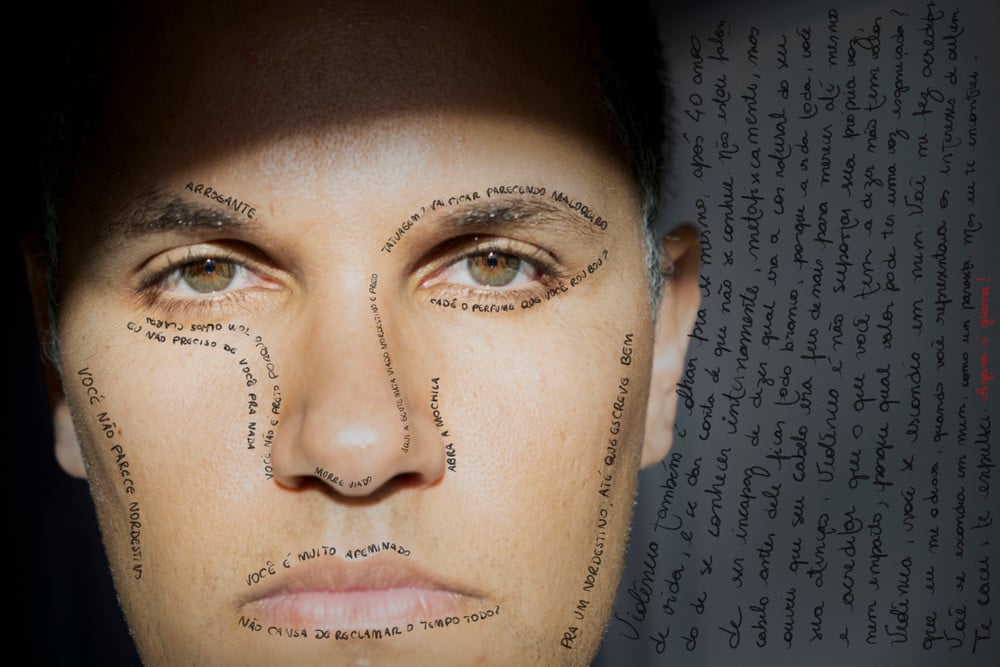
This series began as an attempt to look at myself. As a queer person growing up in Brazil, I was often the target of judgment — for how I looked, how I spoke, how I moved. People, including family, made comments that stayed with me: about my voice, my legs, my laugh. Some told me I’d go to hell. Others laughed at my body, my softness, my silence. For years, I hid from the camera. I only made self-portraits with my face covered. I avoided speaking in videos. I didn’t feel entitled to my own image. In Pintura de Guerra, I decided to face the lens — and everything that came with it. I played a childhood song, set up my camera, and tried to look at myself. Then I wrote. On my face, I inscribed some of the words that marked me. Alongside them, I wrote reflections and letters to myself. This project is a personal ritual of reclamation. A way to confront the violences I internalized — and to rebuild my right to visibility, softness, and care.
No categories selected
Photos (5)