
The Shining Land
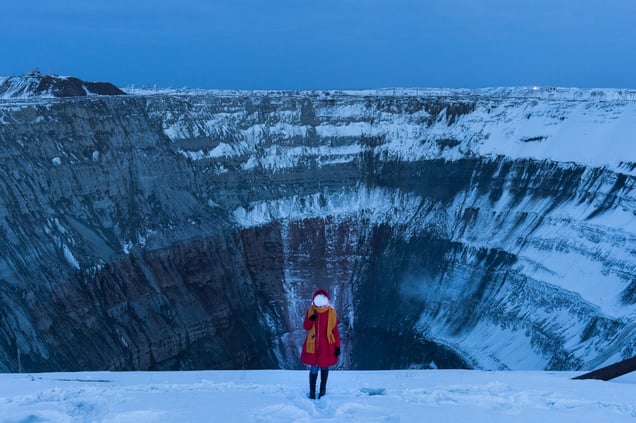
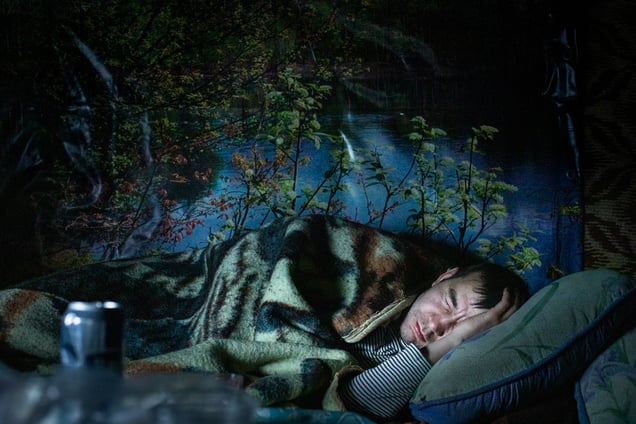
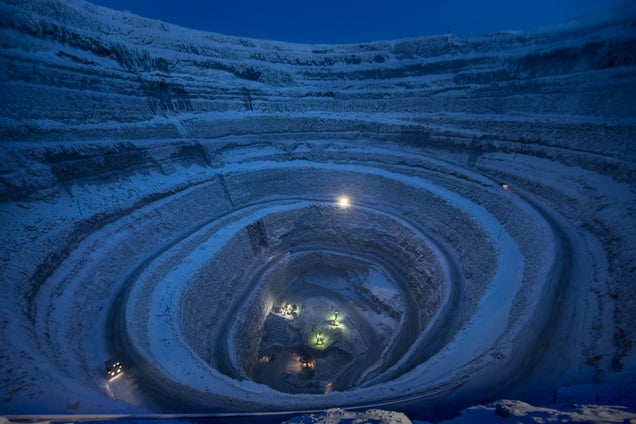
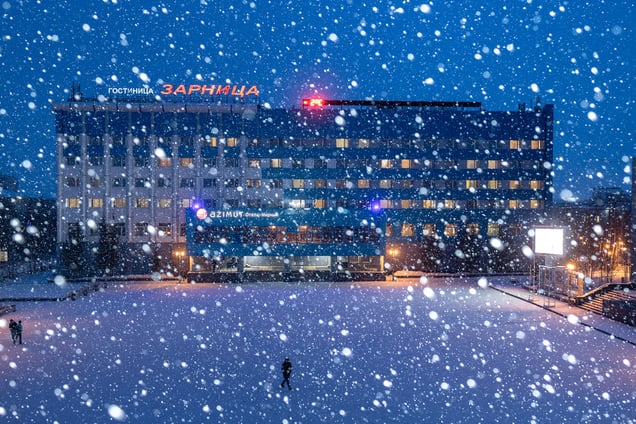
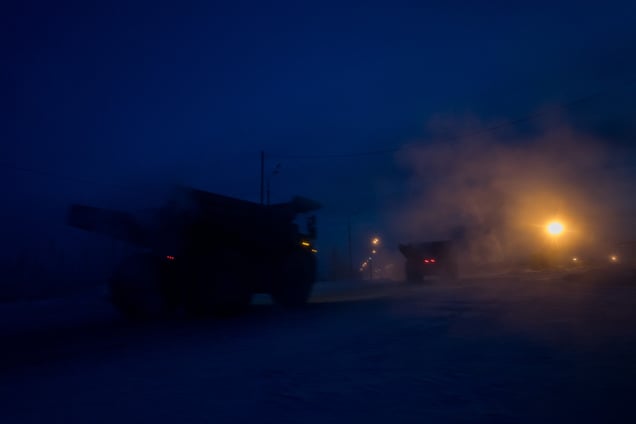
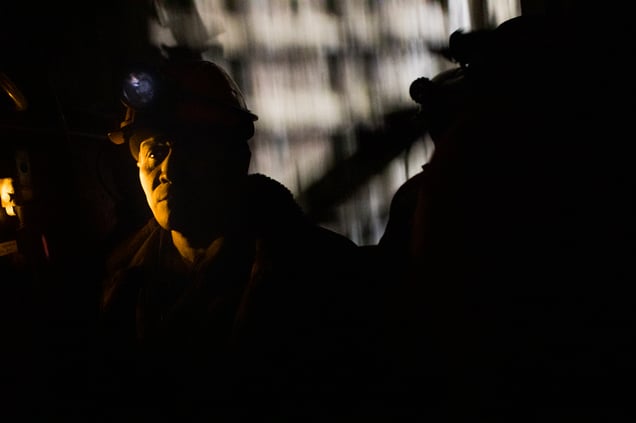
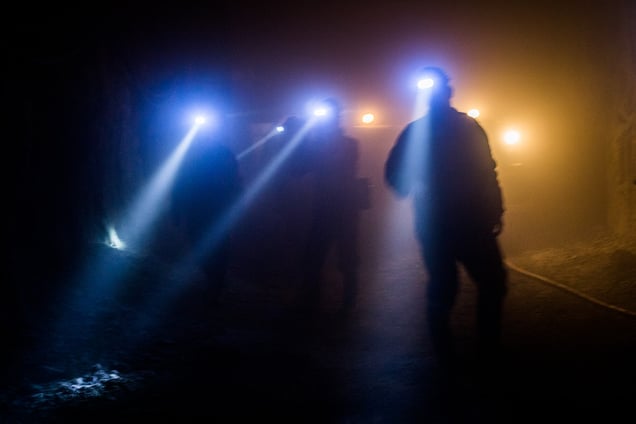
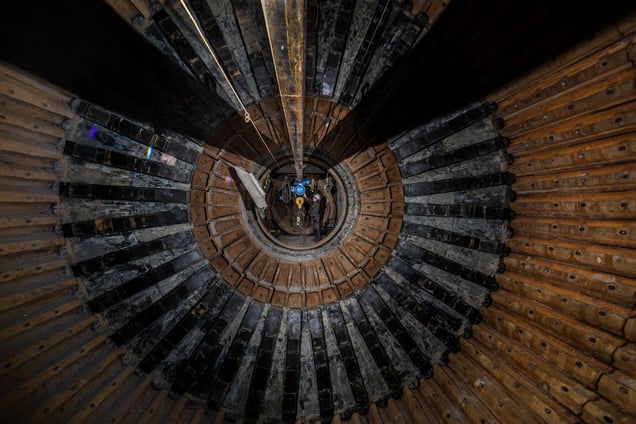
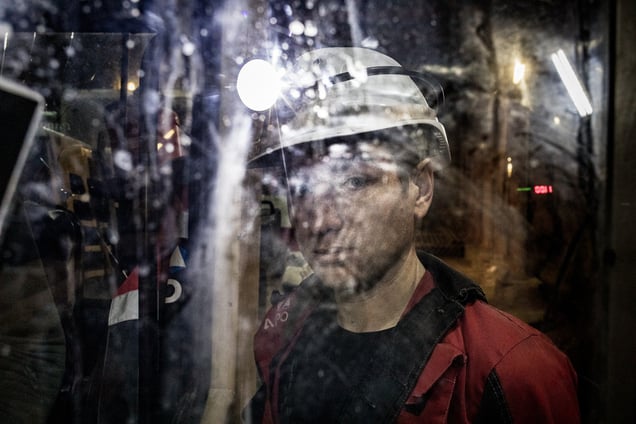
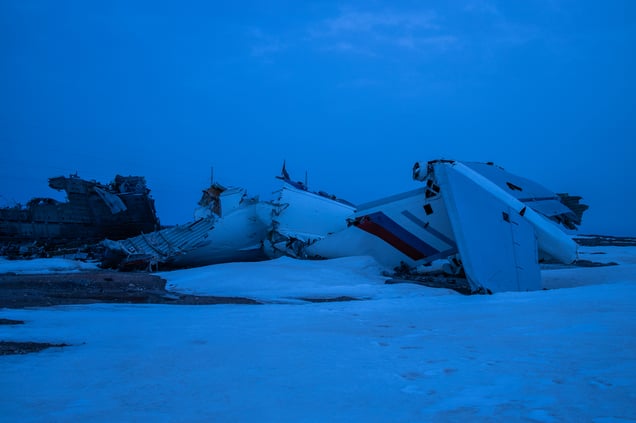
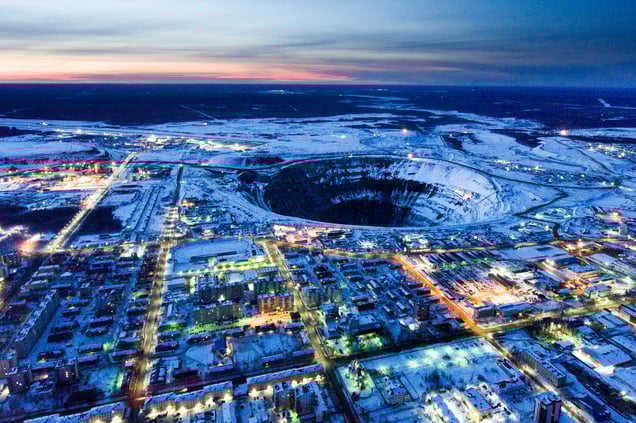
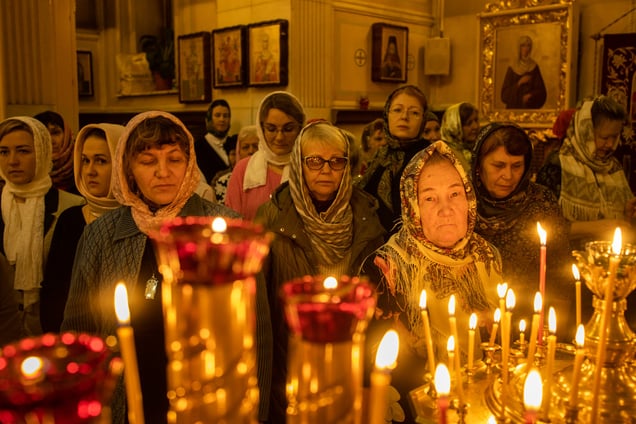
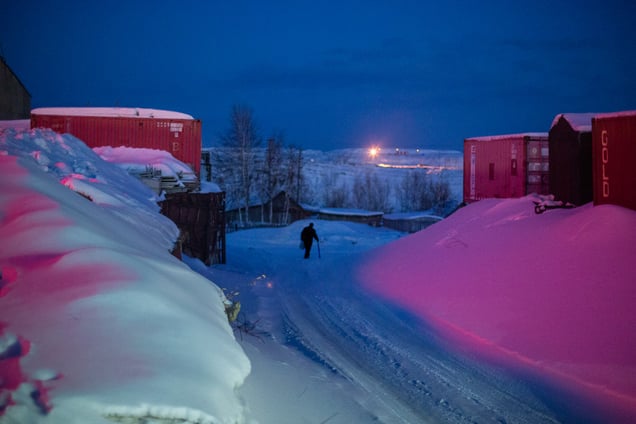
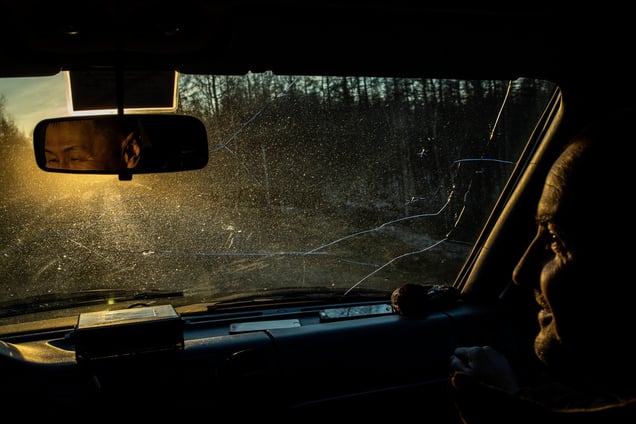
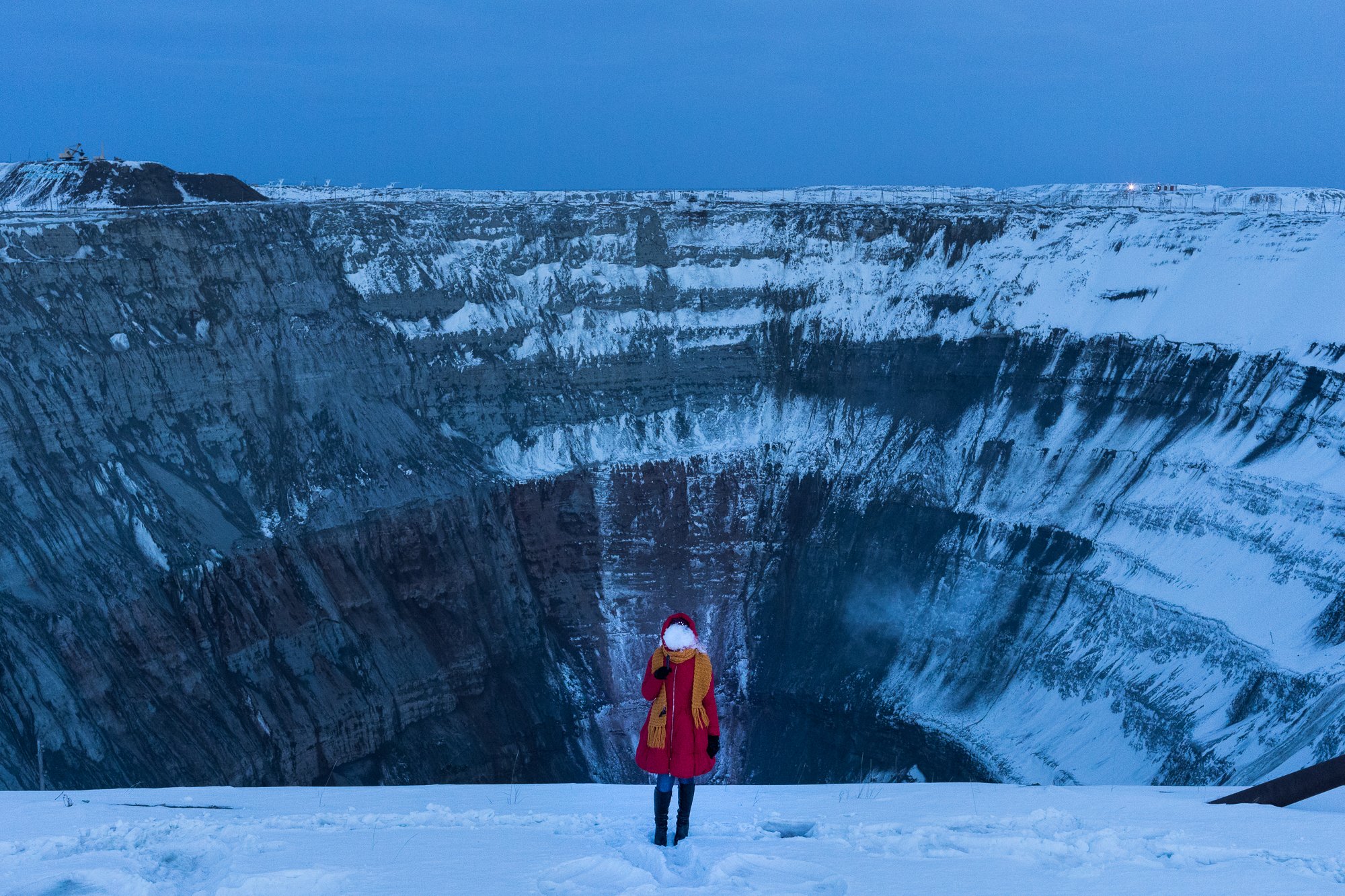
Some 8,000 kilometers east of Moscow and 800 kilometers west of Yakutsk, in Siberia, lies a region that owes its existence to the discovery of diamond deposits—and whose future is uncertain, as it depends on the decisions of a single company controlled by the Russian government: Alrosa. The Russian Federation is the world’s largest diamond-producing nation, and Alrosa is the leading company, responsible for 95% of the national output. The Republic of Sakha (also known as Yakutia or Sakha Republic), which is five times the size of France but has a population of under one million people, produces around 28% of the world’s rough diamonds. This makes the diamond industry a fundamental pillar of its economy (more than half of Yakutia’s regional budget comes from diamond taxes). Alrosa, as a strategic mining company, is controlled and supported by the federal government. For instance, on August 9, 2009, Vladimir Putin announced that the Russian Federation would buy $1 billion worth of uncut diamonds from Alrosa to support the national diamond mining industry and prevent the global market from becoming saturated. In addition, Sergey Ivanov, Alrosa’s CEO from 2017 to 2023, is considered a “Putin man” (son of Sergey Borisovich Ivanov, former chief of staff of the Presidential Executive Office under Putin). In the diamond lands, before 1955, there was nothing but taiga: ice, snow, uninhabited forest, and the few animals capable of surviving such extreme climatic conditions. The towns of Udachny, Mirny, and Aykhal were founded in 1955, 1956, and 1962, respectively, following the discovery of diamond deposits in the area. Their names remained coded (Udachny means “lucky” in Russian, Mirny means “peaceful,” and Aykhal is the Yakut word for “fame”). They were granted “closed town” status since diamonds were a strategic sector during the Cold War. Today, these towns are clear examples of what Russians call monogorod (towns dominated by a single company). More than 50% of the population works directly or indirectly for Alrosa, which operates extraction and processing facilities, owns transport subsidiaries, hotels, a real estate company, sports centers, cultural halls, and takes an active role in political life. The diamond region is near the Arctic and isolated in the heart of Siberia. It is built on permafrost, and there is no year-round operational road that connects it to the “mainland.” With 7 to 9 months of winter, it experiences long periods of extreme cold, with temperatures dropping below -50°C. Such severe climatic conditions make life there truly unique. Many residents still remember when the towns were closed, and older people feel nostalgia for the old Soviet way of life and the communist era. Local communities are gradually losing their authenticity due to the development of communications and transport services, but the harsh climate still fosters values like friendship, mutual aid, and hard work. Mineral resources are finite and thus decline as they are extracted. As resources diminish, extraction becomes more difficult and more expensive. According to a JORC-compliant report (prepared by independent experts), Alrosa’s diamond resources as of July 1, 2018, were estimated at 1.064 billion carats. The company’s average production since 2014 has been up to 38 million carats per year. Based on this, the company could maintain its production rate for another 22 years. Although these figures are approximate and depend on factors difficult to predict (market shifts, discoveries, etc.), they offer a good indication of why the general feeling in Alrosa’s towns is one of uncertainty. Historically, Alrosa has always emphasized its social responsibility toward the people in the territories where it operates. Following the “Soviet times” economic model, the company built hospitals and theaters, cinemas, sports venues, financed low-cost housing, provided healthcare and pensions, and even paid for internal flights every two years for its workers. But now, the towns that depend on Alrosa are feeling a shift in the company’s strategy toward a more capitalist model. The company was listed on the stock exchange in November 2011, and private investors are likely to push for cost-cutting and higher returns for shareholders, which could put the towns’ way of life at risk. Isolation, harsh climatic conditions, and the unpredictable nature of the diamond trade are prompting people to leave their towns and start new lives elsewhere, while Alrosa’s investments in local social services—which were very significant in the past—have declined in recent years. In fact, all of these towns are losing population, and it is unclear what will happen when the diamond deposits are depleted. While some believe that other natural resources, like gas or oil, will be exploited in the area, others see these towns as likely future ghost towns. To describe these feelings, locals often say: “Capitalism has arrived here too.” Between 2017 and 2020, I spent several months exploring life conditions in the Siberian diamond region—a place I have come to call “The Shining Land.” The project, which I’m still developing there, focuses on loneliness, isolation, extreme cold, and the human attempt to overcome adversity in the effort to build life in remote places.
No categories selected
Photos (20)