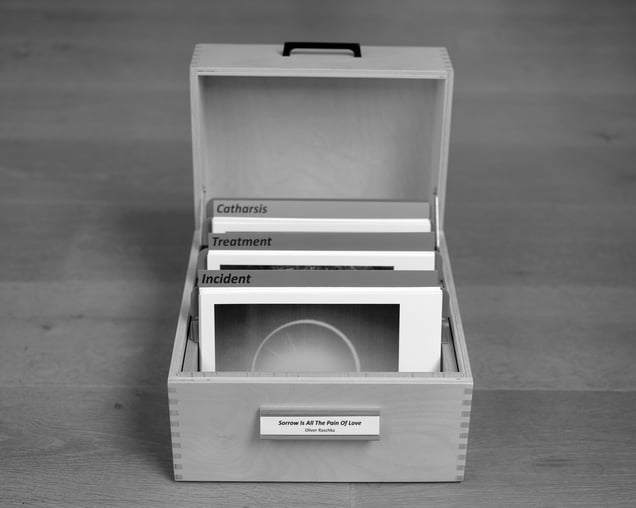

SORROW IS ALL THE PAIN OF LOVE
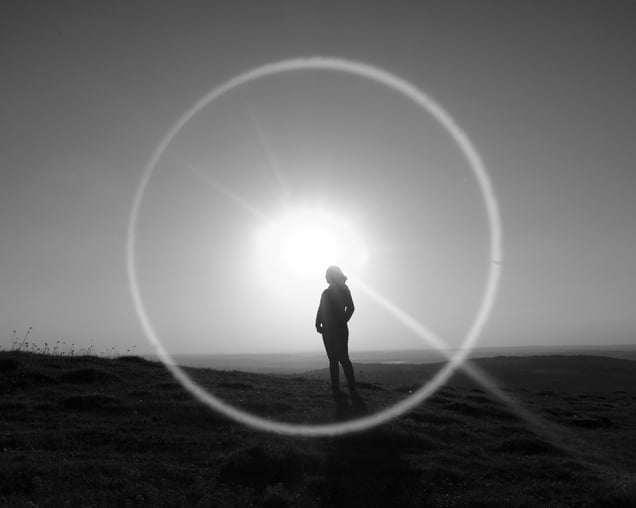
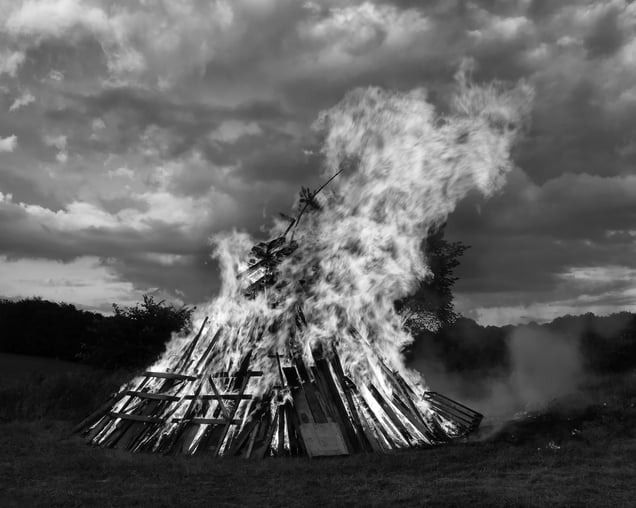
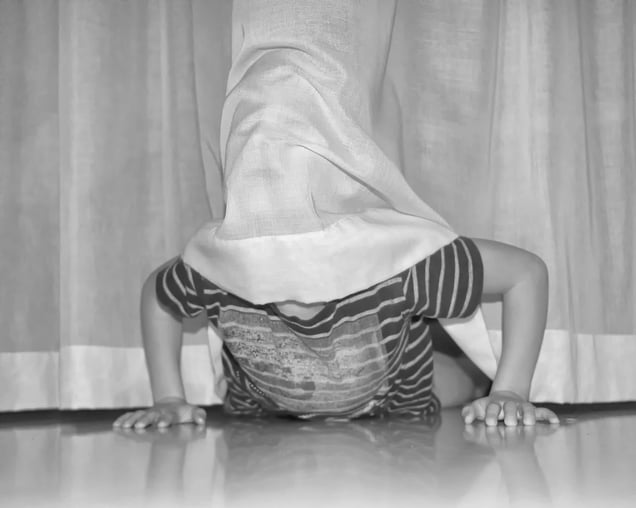
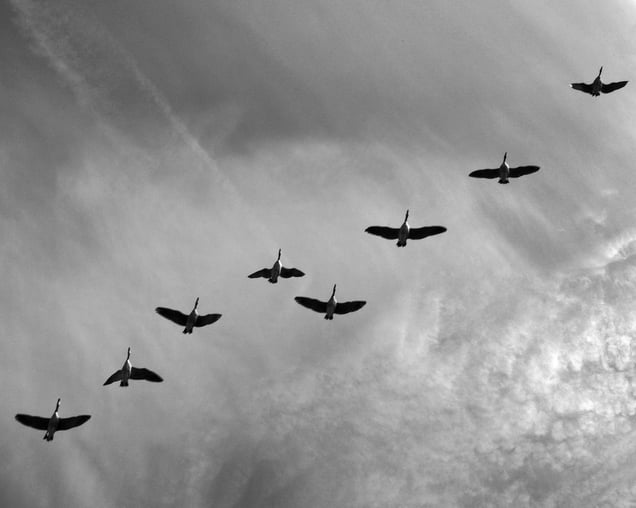
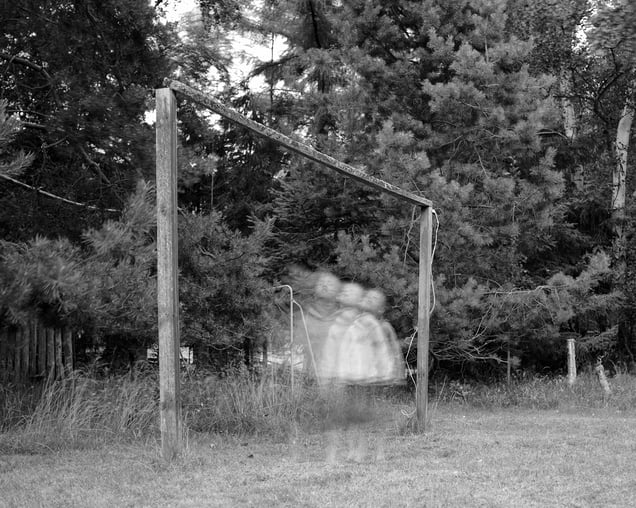
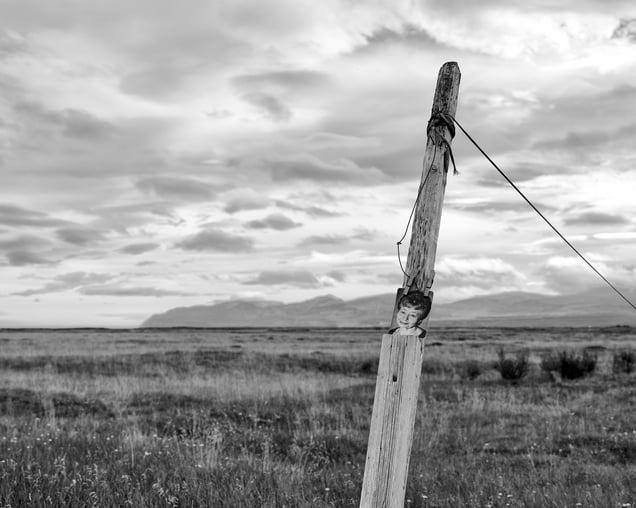
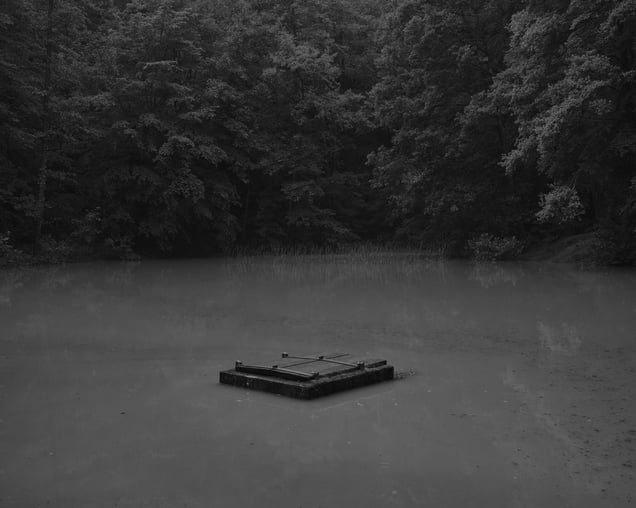
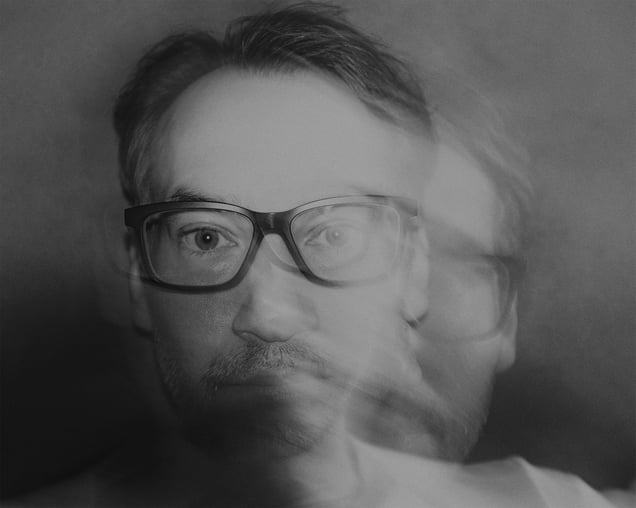
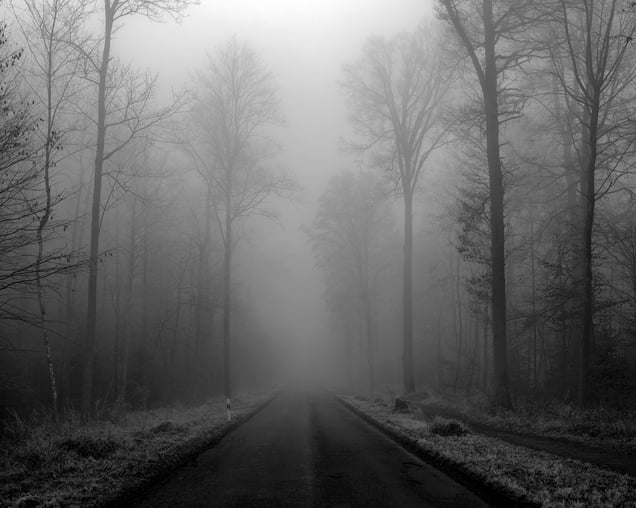
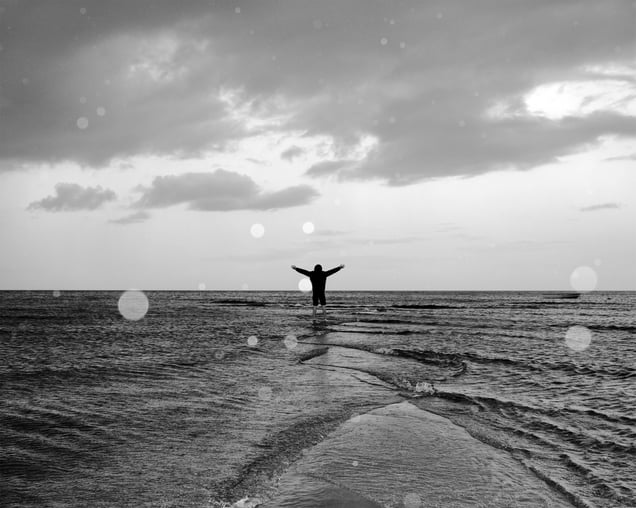
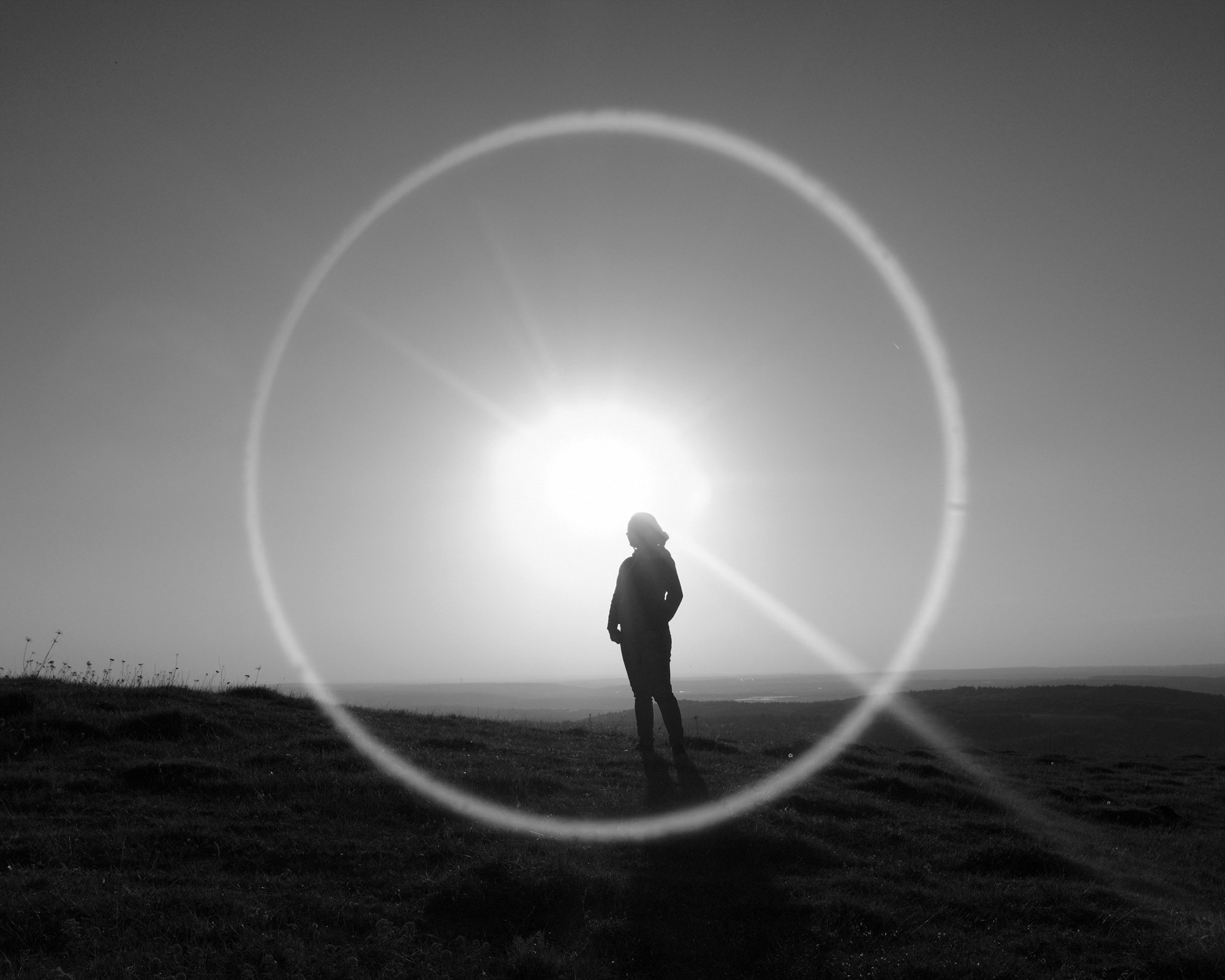
This visual diary explores trauma, identity, and the active role of photography in trauma therapy. Facing chronic depression and burnout, Oliver Raschka investigates how intergenerational attachment and developmental trauma—shaped by war, familial upheavals, narcissism, addiction issues, and family loss—manifests visually. Constructed from photographs taken unintentionally between 2004 and 2025, this extensive archive unfolds its complex narrative layers through a carefully curated sequence. Within the artist's trauma therapy, these images are utilized actively as therapeutic tools, transforming from passive records into healing agents of reflection. The work showcases the profound capacity of photography to access, process, and externalize deep-seated trauma that words fail to reach. While deeply personal, this archive transcends the individual experience, offering a universal lens that encourages viewers to reflect on their own histories and paths to healing. Evoking Roland Barthes’ punctum, the photographs act as a resonance board, triggering vivid childhood memories. Their fragmentary moods, distortions, and accidental framings become visual metaphors for psychological rupture. Ultimately, this reinterpretation offers a psychogram—a map of fragmented family memories serving as a reclamation of the self. By rendering internal conflicts visible, photography becomes a powerful catalyst for transformation, moving from a record of pain to an active tool for recovery.
Photos (12)