
What Remains
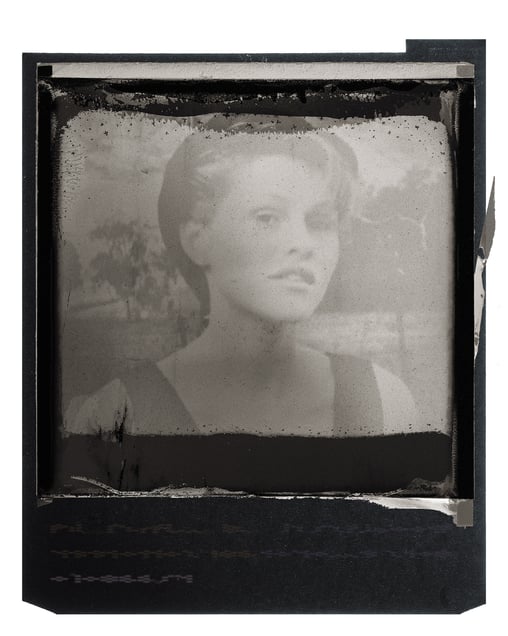
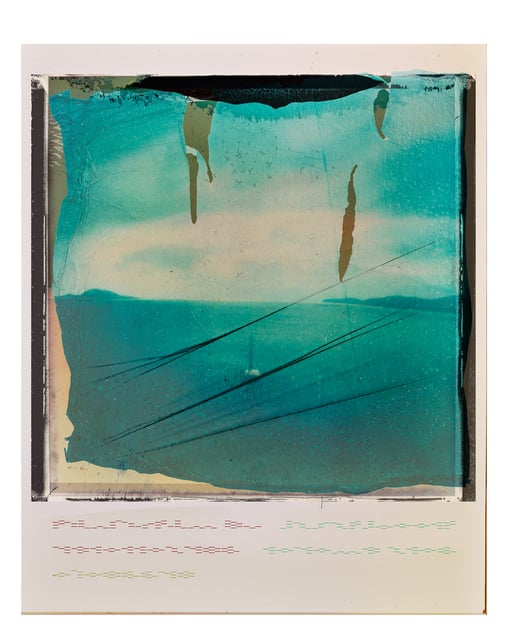
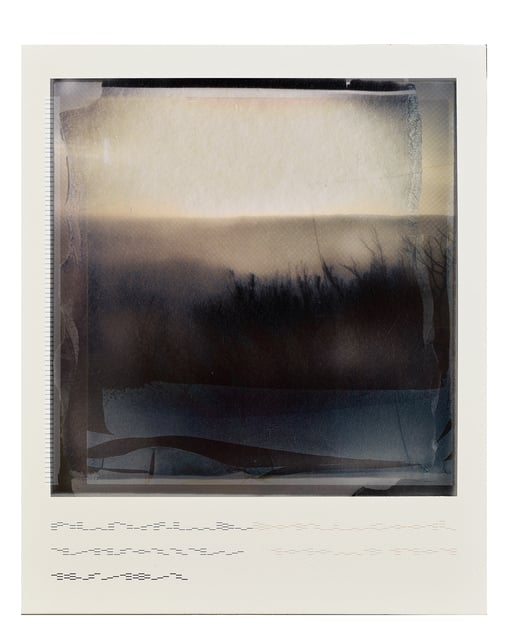
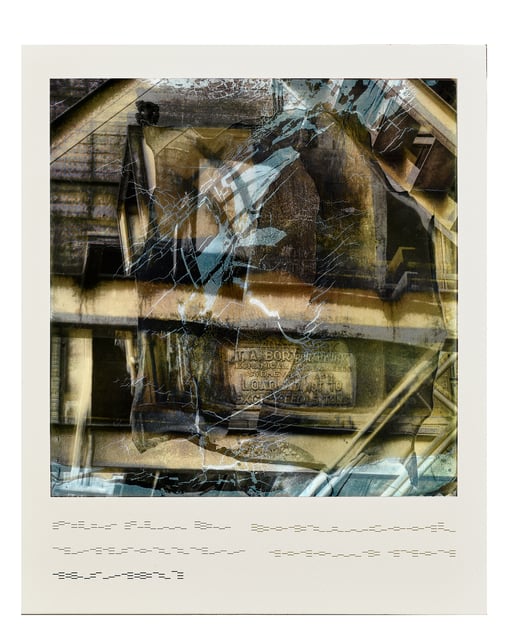
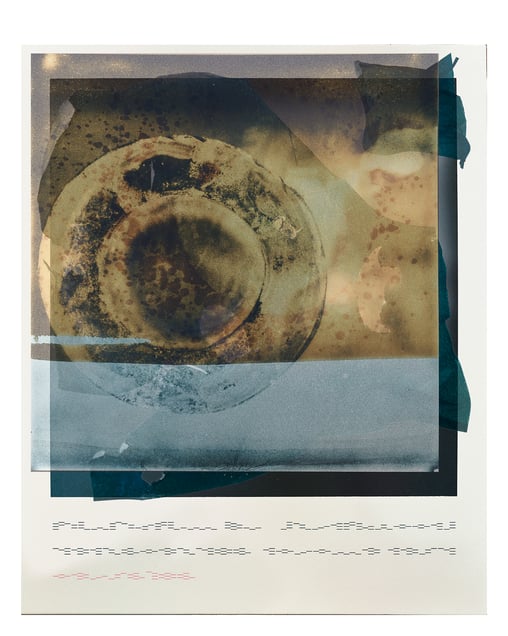
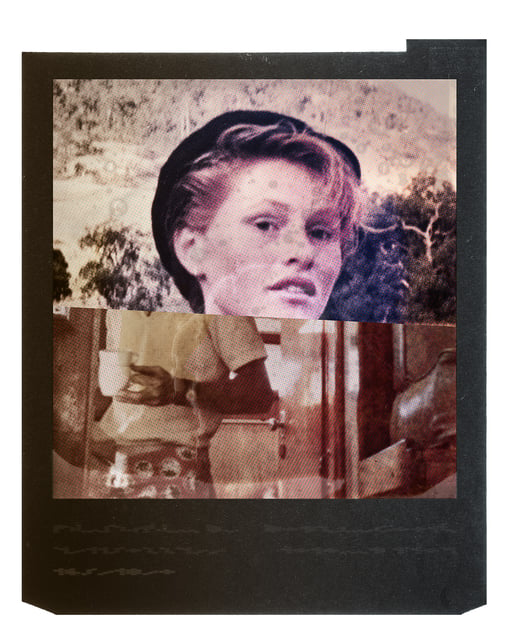
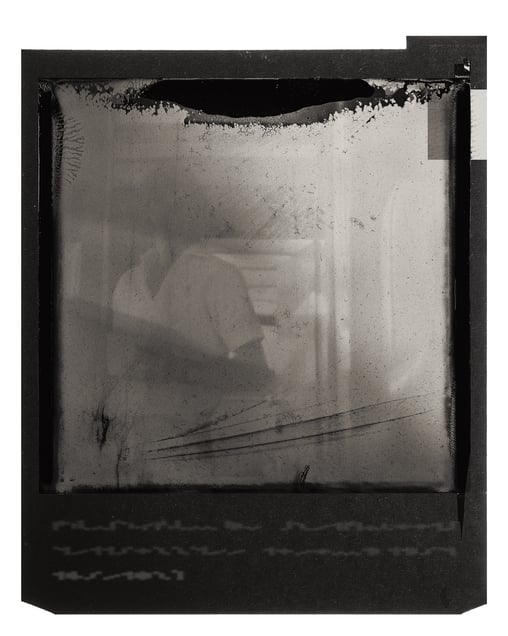
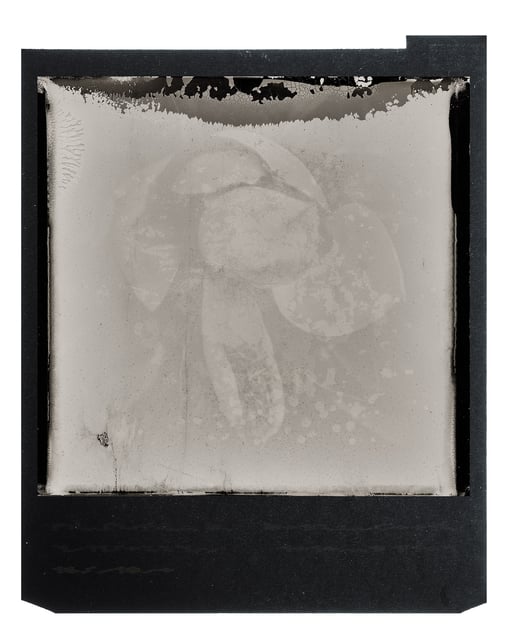
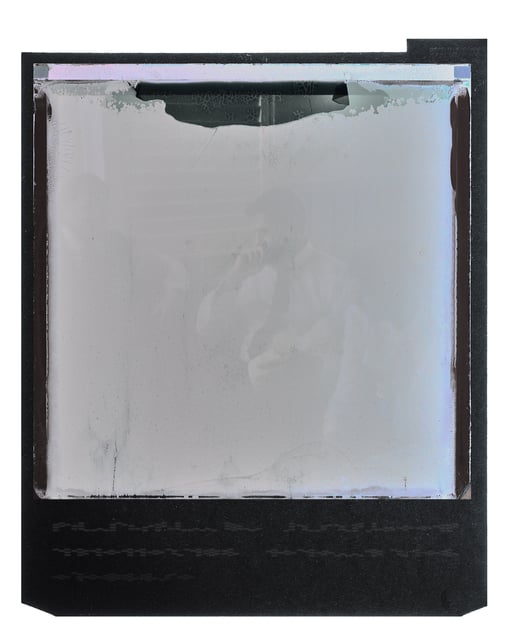
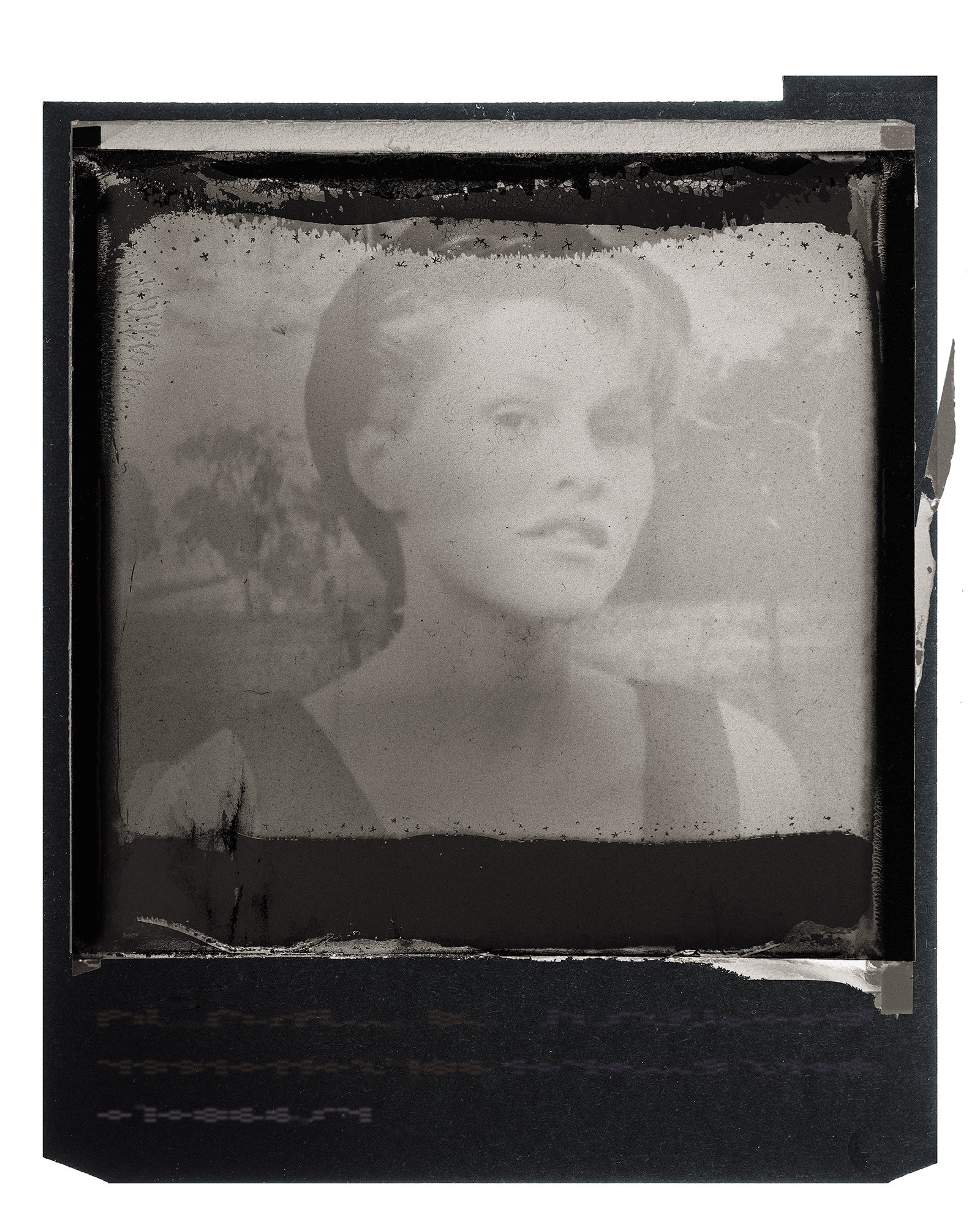
Memory is never neutral. It is altered by emotion, repetition, and absence. And it is never fully reliable. This work began with my father's passing, then deepened when my sister followed. Some images I was working with quietly became records of our last moments together. Others revealed that forgetting had already been at work long before loss arrived:- a missed wedding, a medicine bottle standing in for a man I can no longer clearly picture, a chin that somehow outlasts everything else. Each act of reworking (photographing, printing, lifting, scanning) felt less like preservation and more like translation. Memory does not return intact; it arrives through layers, altered by context and need. The image moves further from the moment that formed it with every pass through the apparatus. Beneath each image, the Polaroid's technical data (number, film type, batch, production date) is encoded in a font that renders itself unreadable, its multiple overlapping strands mimicking the brain's dendritic pathways. The colours are drawn from within the image itself, as memory draws its texture from the moment it encodes. In the black-ground remnants, the encoding degrades:- strands thinning, colours fading, bits removed... dying at the same rate as the memory it holds. A digital misfire collapsed two people into one impossible frame, echoing how memories of those we love blur and overwrite each other. Its encoding belongs to neither of them; it is drawn entirely from a third source. Crossed pathways produce something that has no single origin, just as grief has none. The constructed works hold images in suspension between presence and disappearance. The residual surfaces are what remain after the image has been lifted away... chemical traces of a moment once held, still carrying the ghost of what they once held. Forgetting is not failure. It is function. Between photography's promise of permanence and memory's instability, this work traces what remains, what is lost, and what lingers — in objects, in chins, in shockingly bright swimmers, in botanical names that outlast the gardens they came from — after both the image and the moment have passed.
No categories selected
Photos (9)