
The Light Room
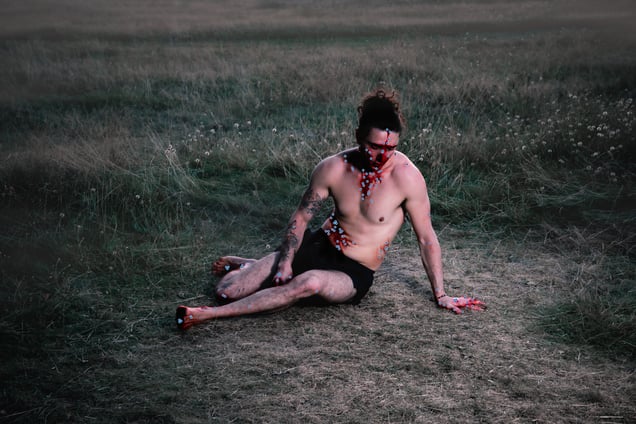
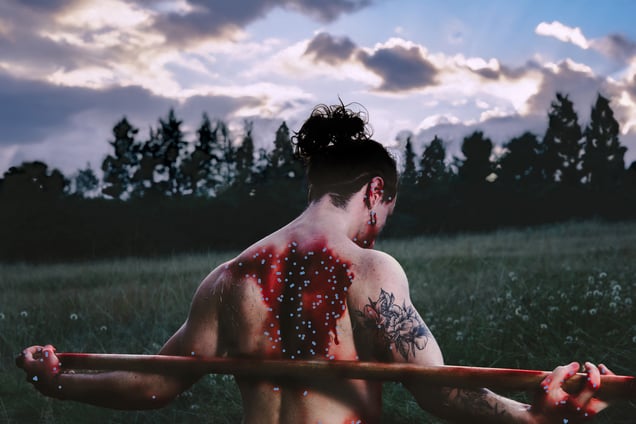
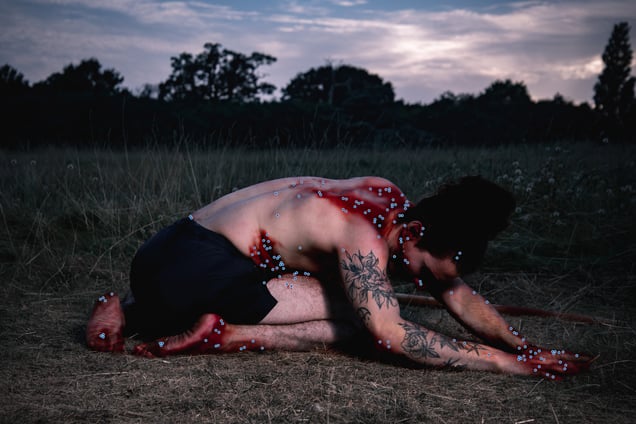
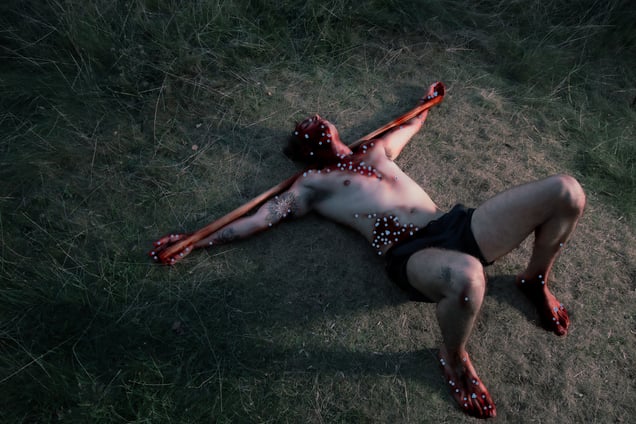
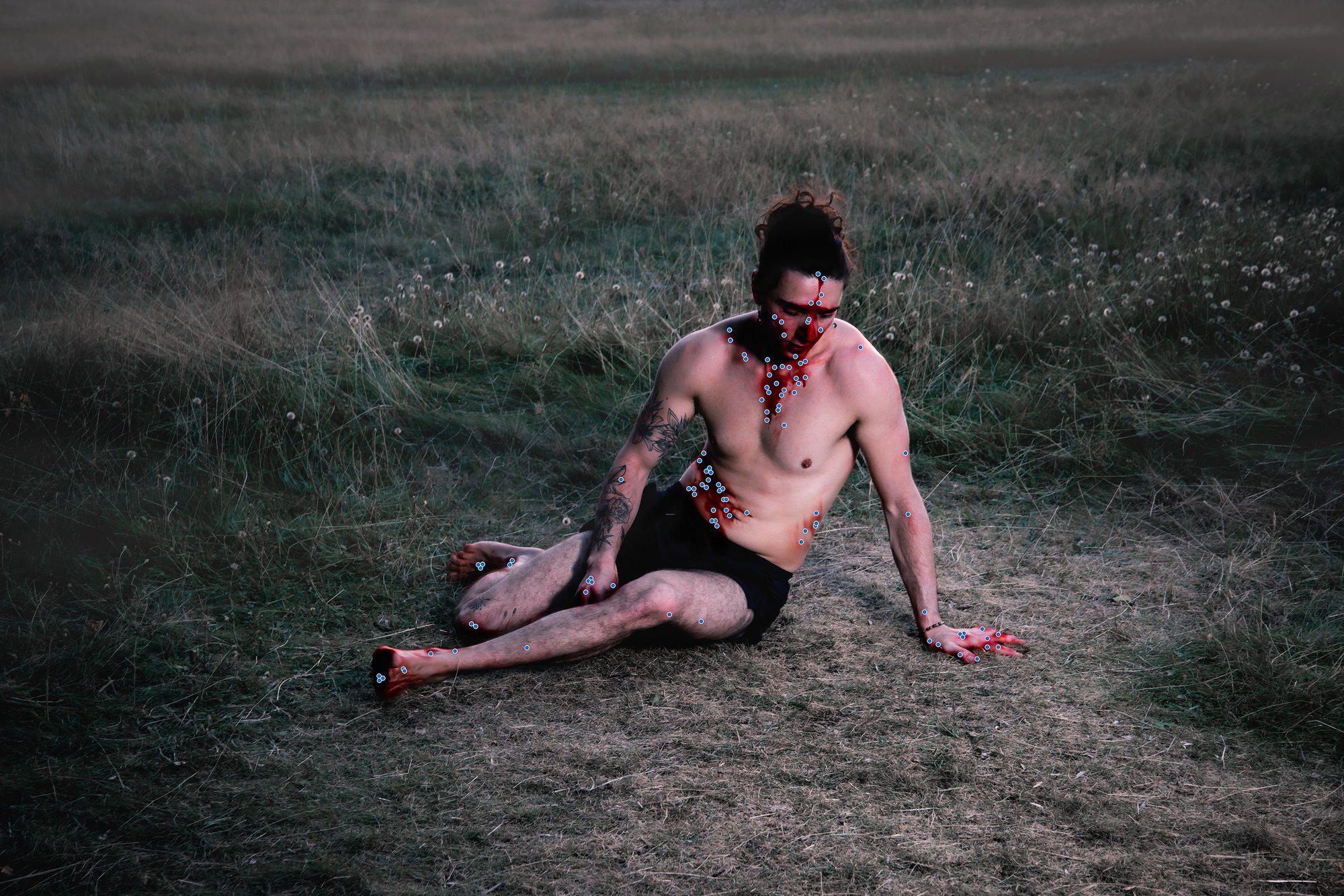
The Light Room is a four-image portrait/figure series where the human body becomes a site of tension: a naked figure at the edge of nature, in twilight, suspended between collapse and resistance. The gestures are neither heroic nor decorative; they feel like an interruption—when self-narrative breaks and only the body remains: heavy, exhausted, exposed. Rather than portraying pain as a fixed truth, the work asks how pain is produced in images. The bruises, redness, and injury-like marks are not AI-generated; they are deliberately constructed through editing and color work—warming skin tones, intensifying reds, and building visual pressure so pain becomes legible. I do not erase the trace of the tool. Mask edges, brush points, and editing marks remain visible by design—like a second wound, this time on the image itself—returning the viewer to the surface where meaning is made, not only in what is shown but in how it is made. In a time of seamless manipulation and deepfakes, that surface matters. Each frame is titled after a stage in the workflow—Exposure, Temperature, Mask, Export. The “light room” is both workspace and metaphor: a chamber where visibility is designed, adjusted, and delivered. By keeping the work unfinished on purpose, I insist on the value of the human hand—error, doubt, residue—against the pressure toward flawless surfaces. Depth can emerge where the process fractures and the machinery of image-making is allowed to be seen.
Photos (4)