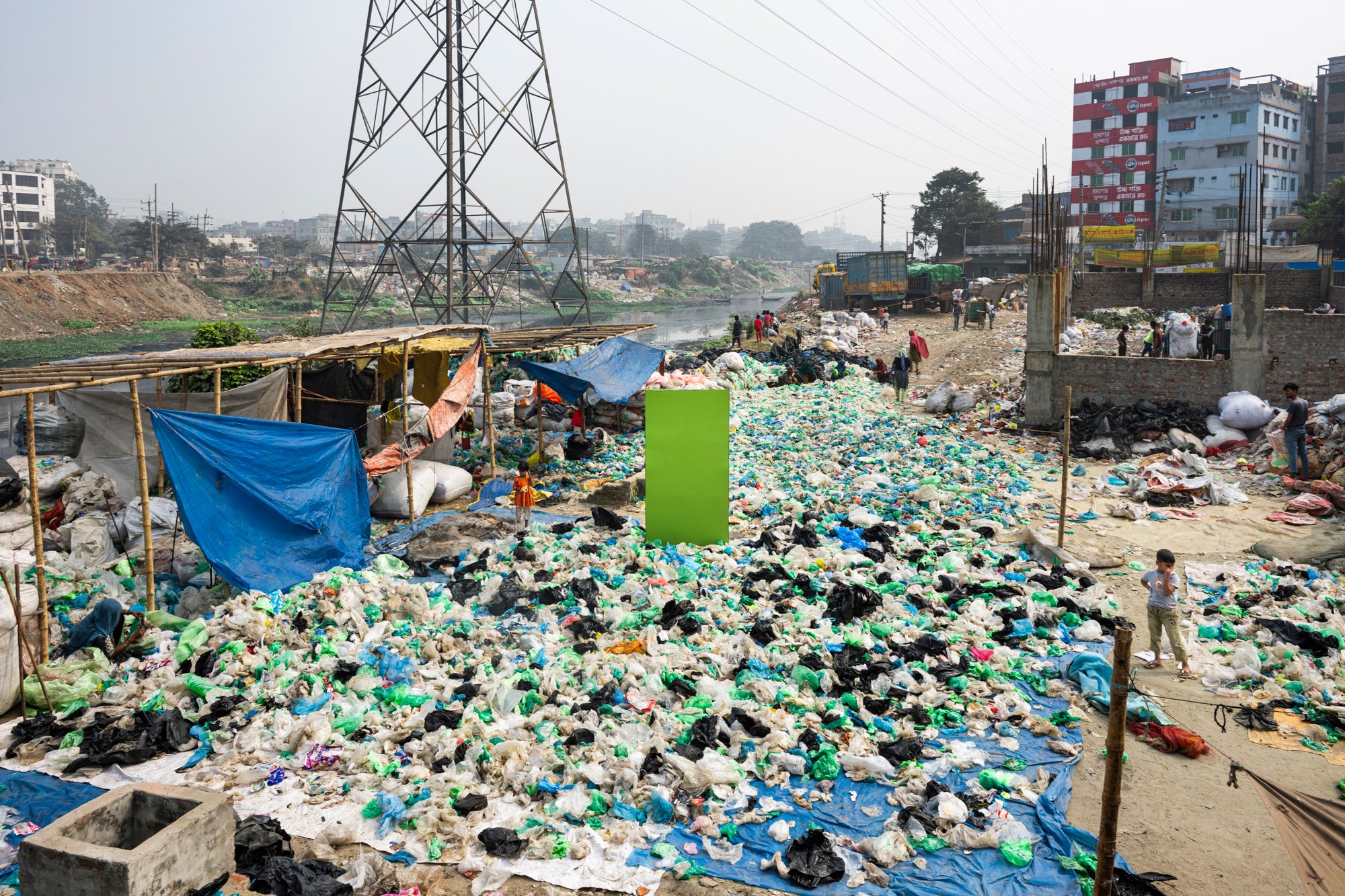

Green Gate
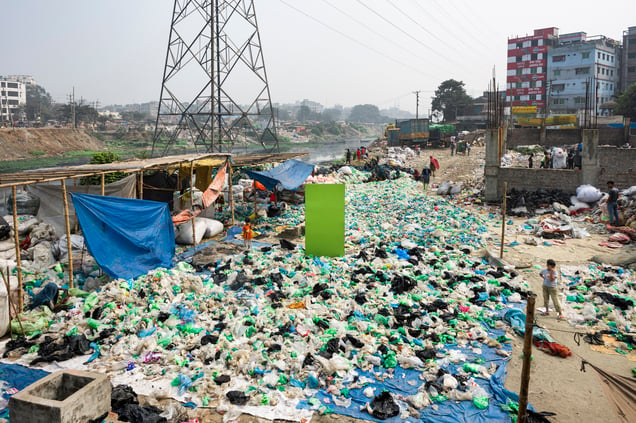
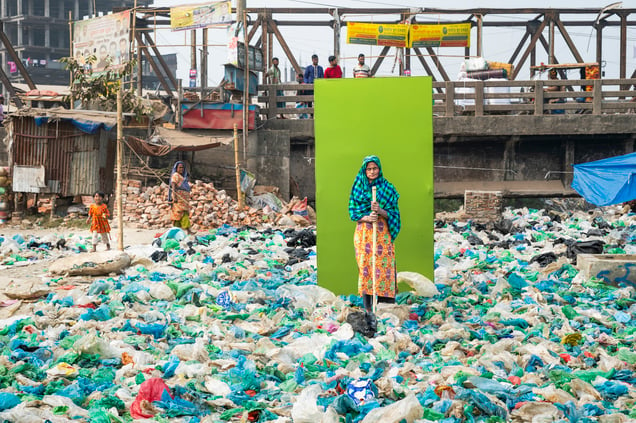
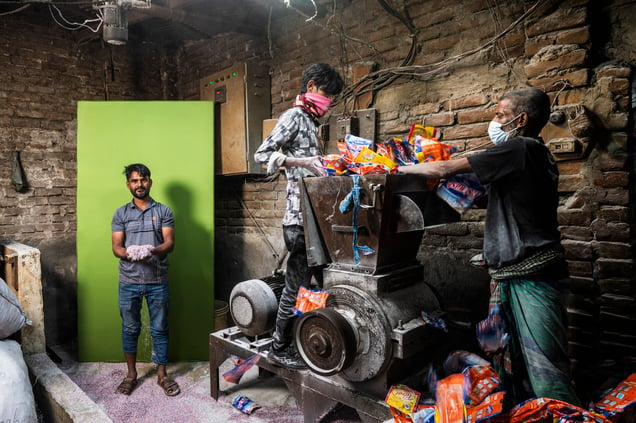
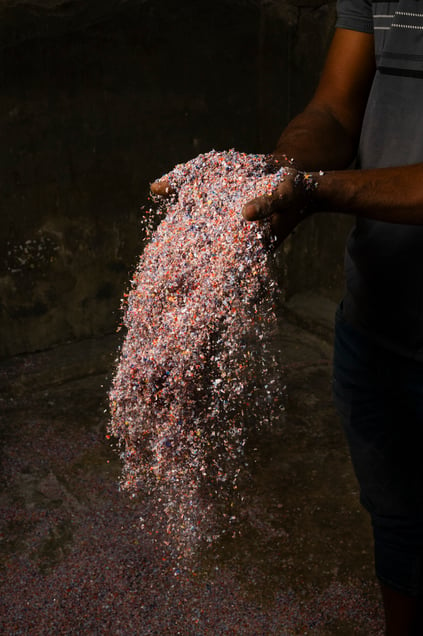
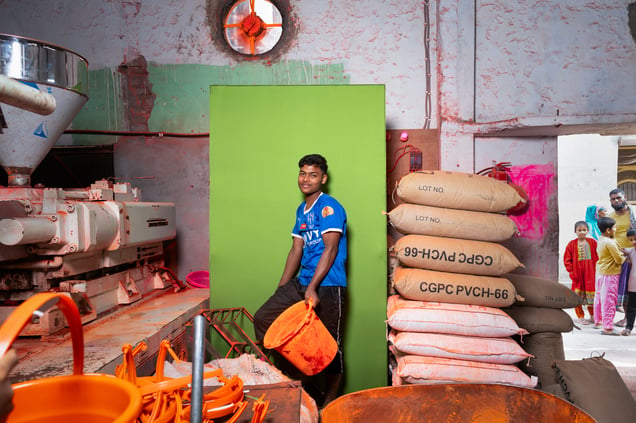
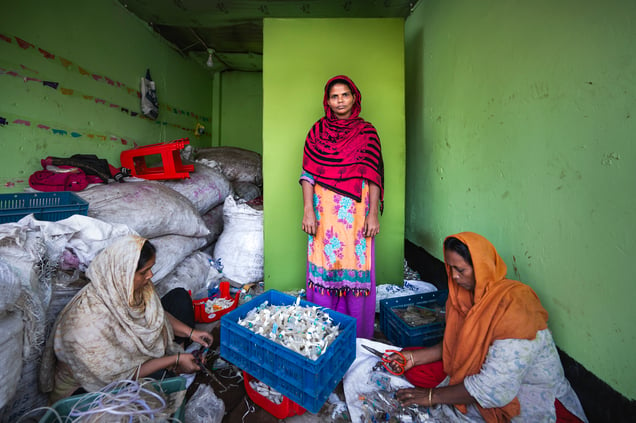
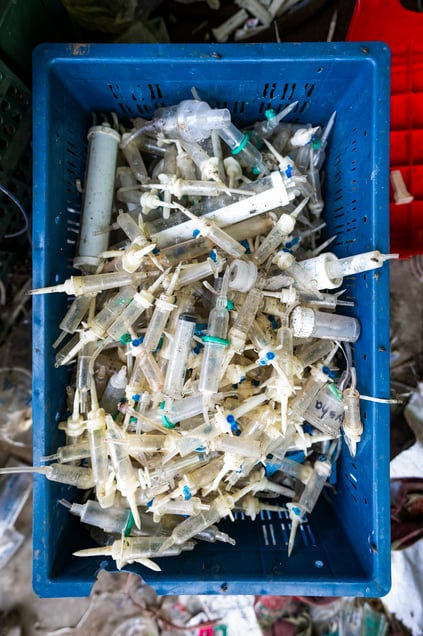
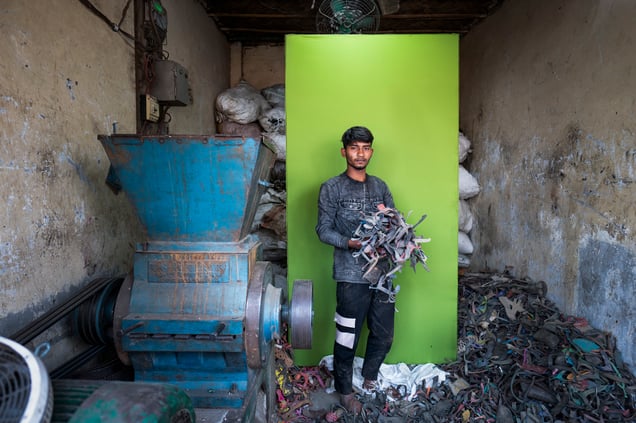
Green Gate explores the hidden labor embedded within contemporary systems of consumption and recycling. The project focuses on informal recycling sites where discarded plastics are manually sorted, processed, and transformed into raw materials for new products. In these environments, workers are routinely exposed to toxic substances and hazardous conditions while performing labor that remains largely invisible within global narratives of sustainability. Throughout the series, a green gate appears repeatedly behind the subjects. More than a physical structure, it functions as a symbolic threshold between visibility and obscurity, consumption and labor, value and neglect. The color green—commonly associated with environmental responsibility—becomes a site of tension rather than reassurance. As recycled materials re-enter the market as clean and anonymous commodities, the traces of the bodies and environments that enabled their transformation disappear from view. By combining portraits, industrial landscapes, and material studies, Green Gate examines how systems of sustainability redistribute risk while concealing the human labor on which they depend. The work invites viewers to reconsider the infrastructures behind everyday objects and to reflect on the relationship between environmental responsibility, economic inequality, and visibility.
No categories selected
Photos (10)