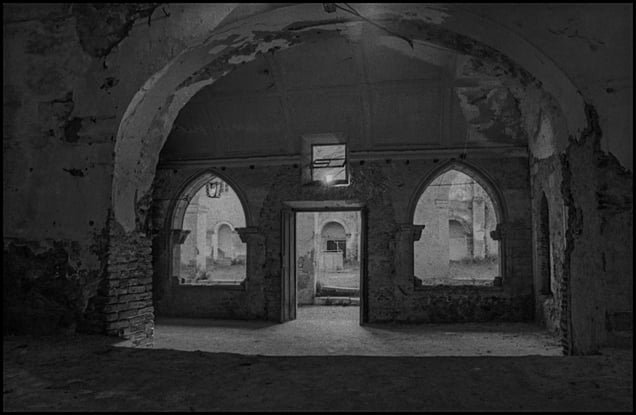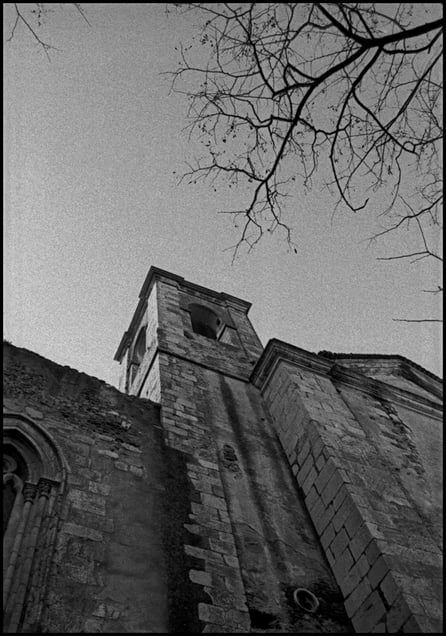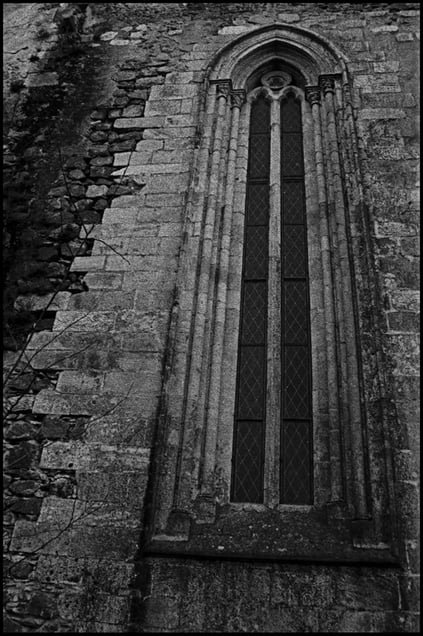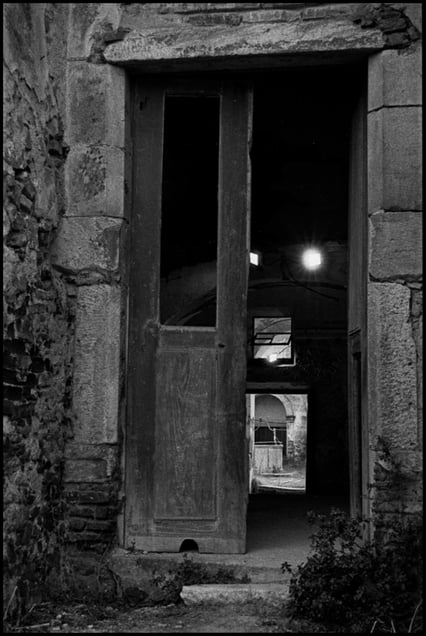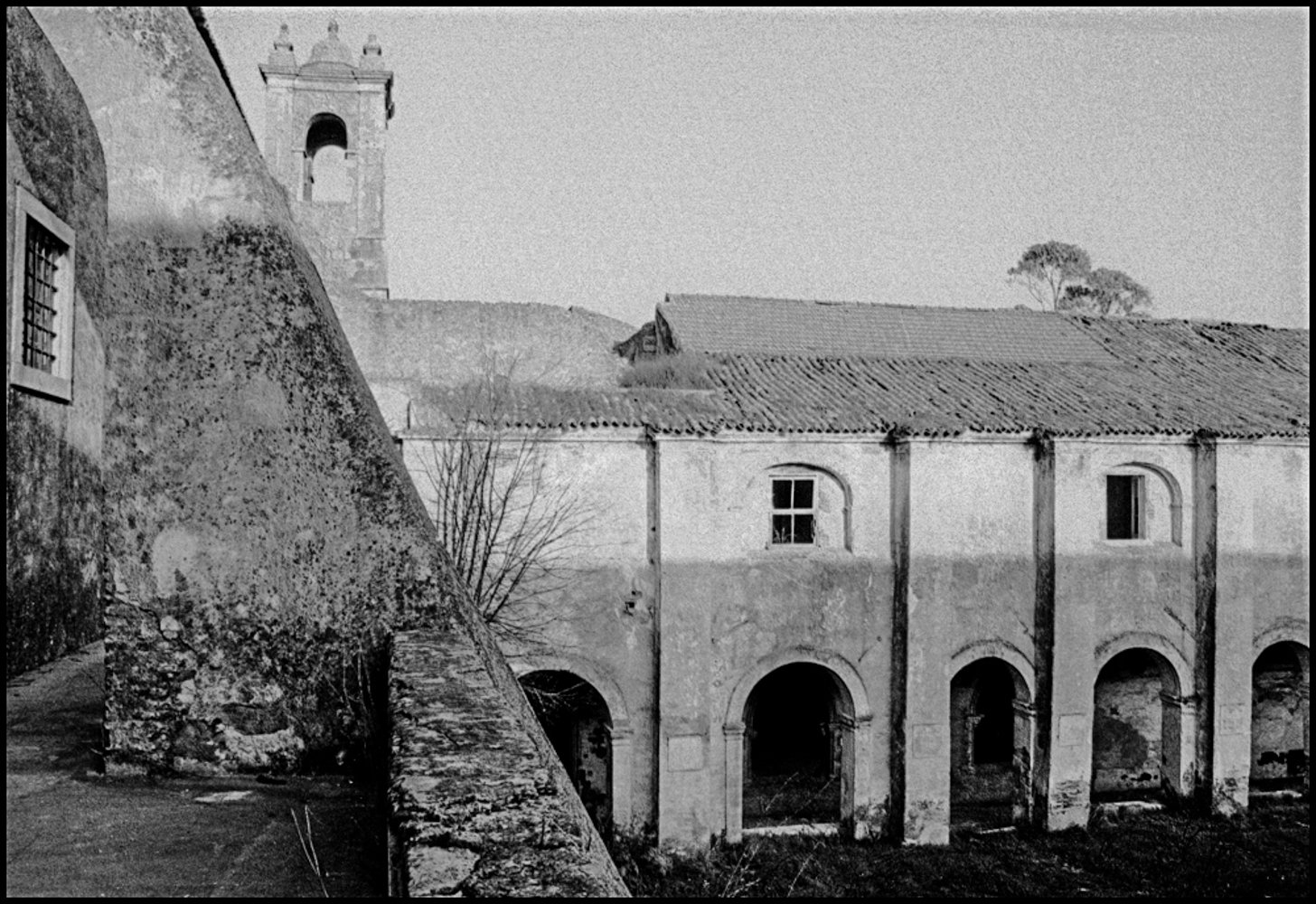

Convento de S, Francisco - Beja
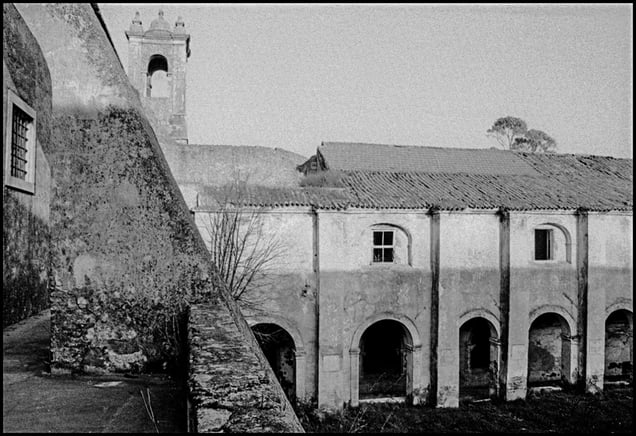
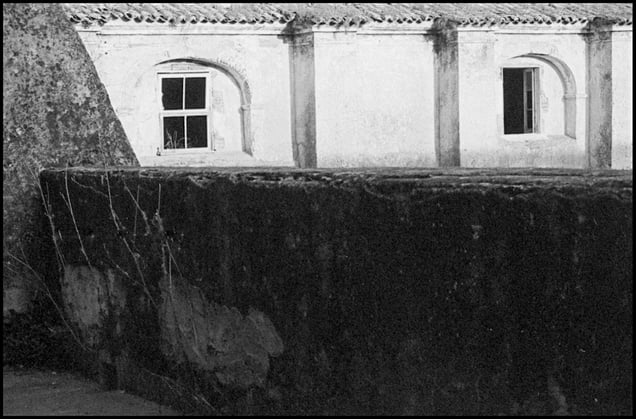
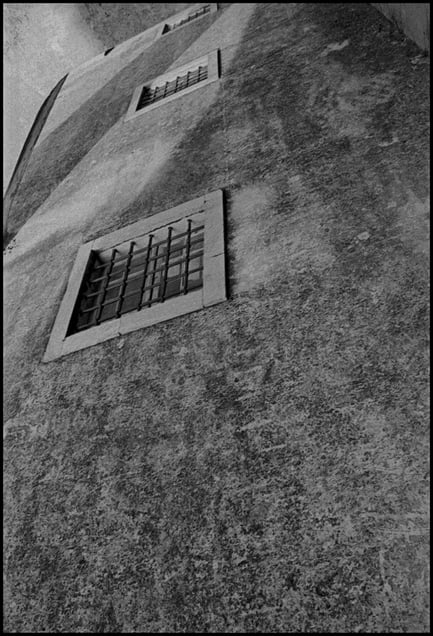
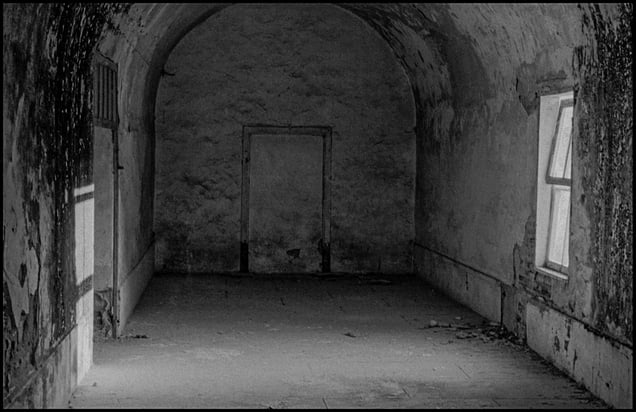
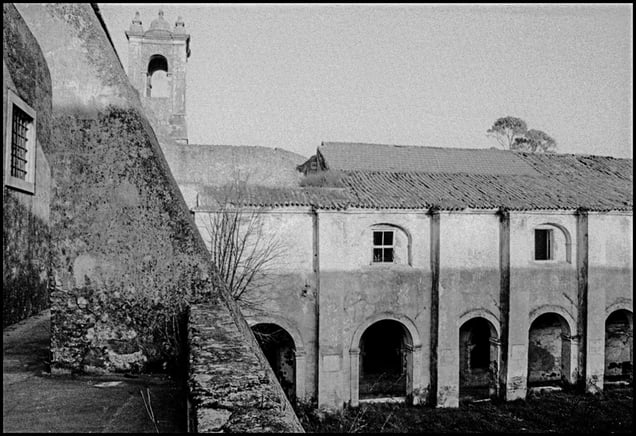
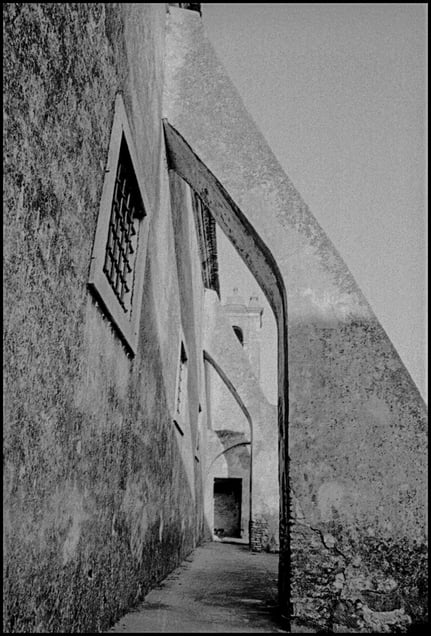
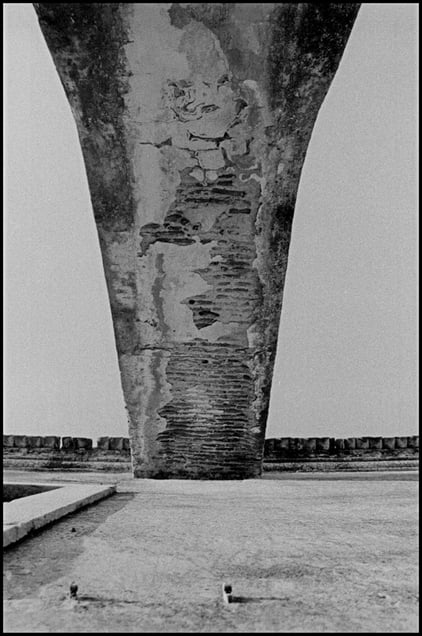
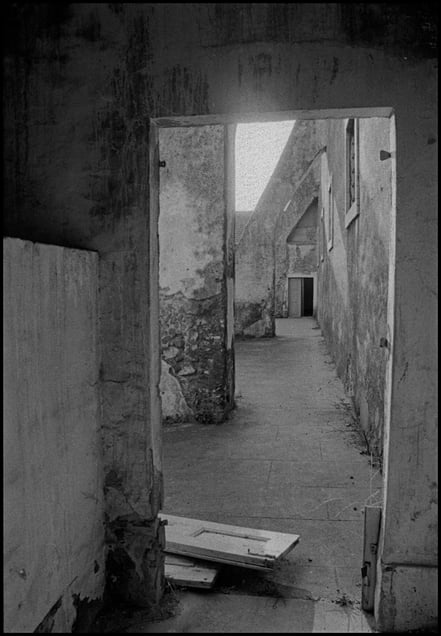
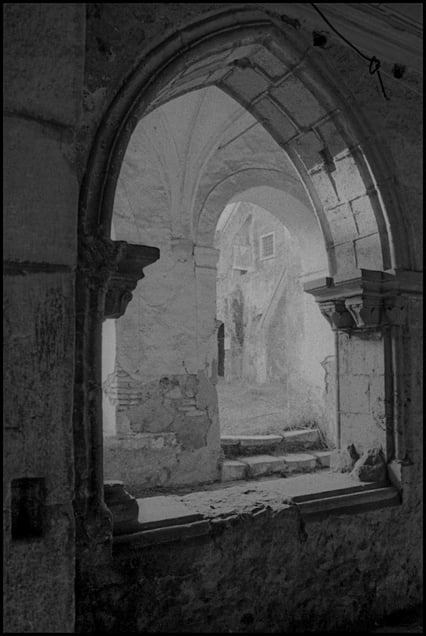
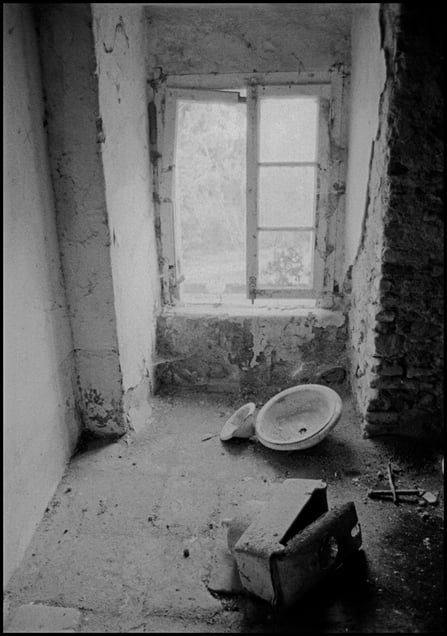
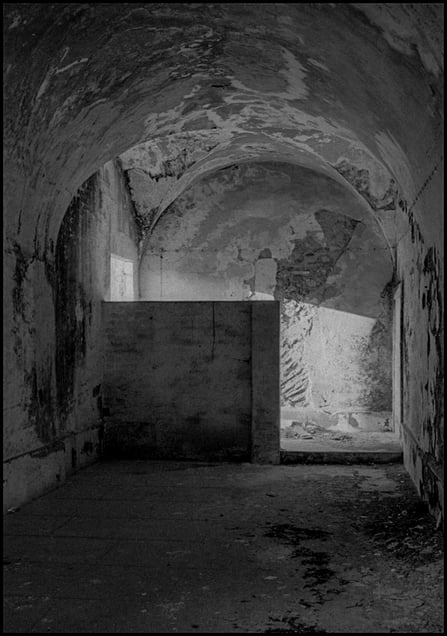
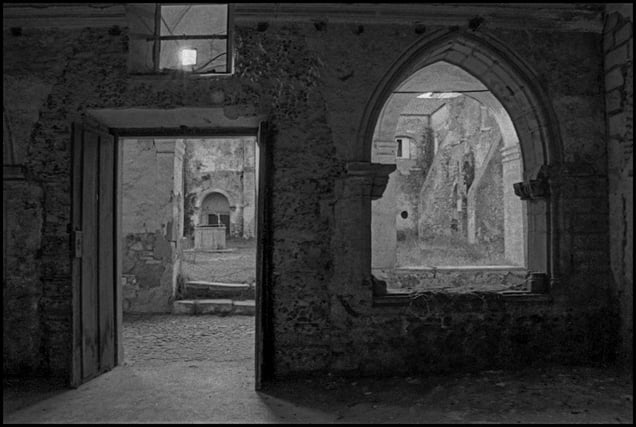
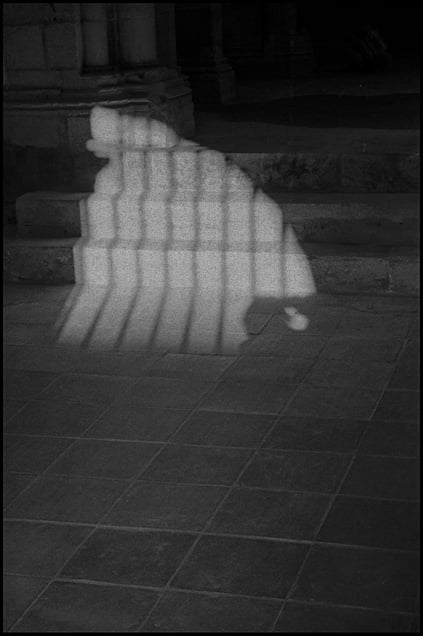
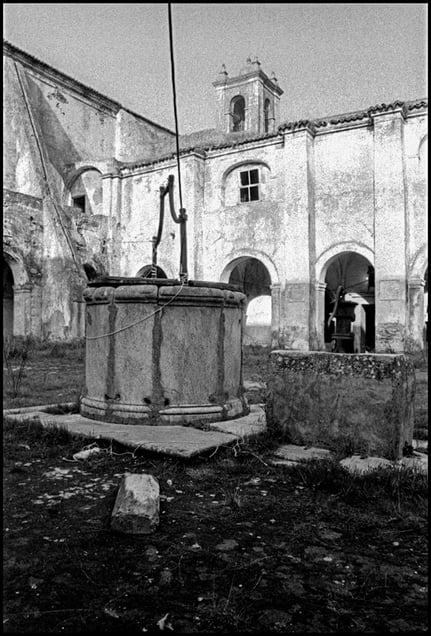
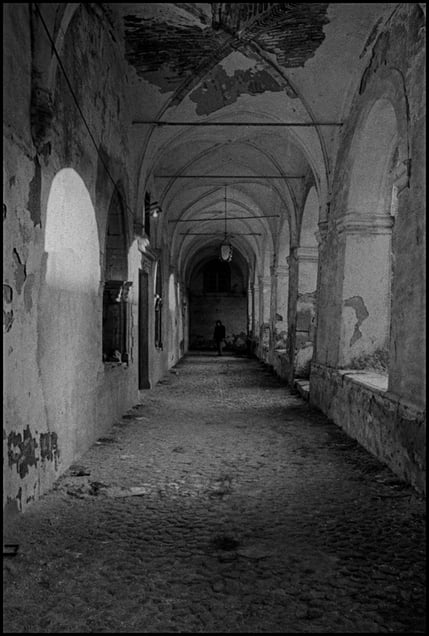
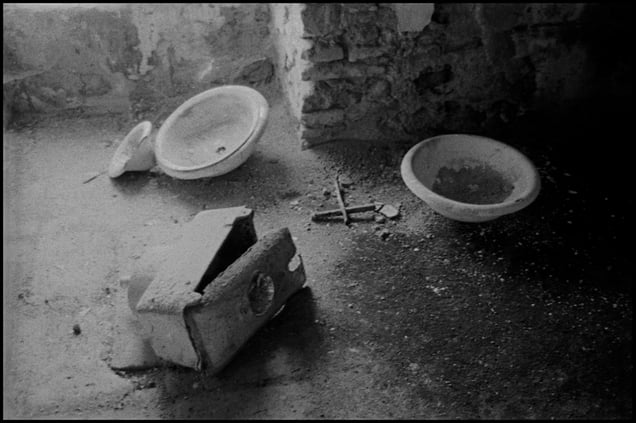
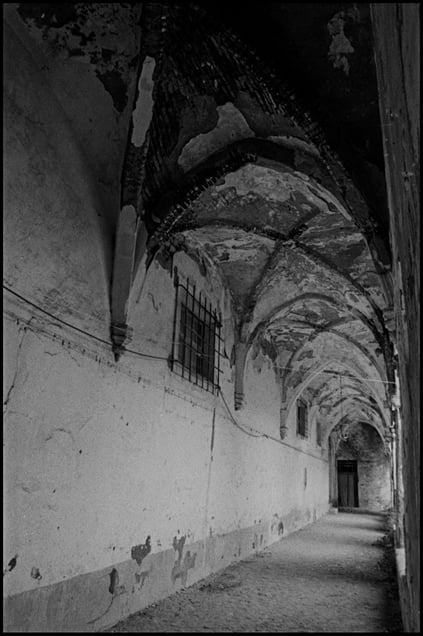
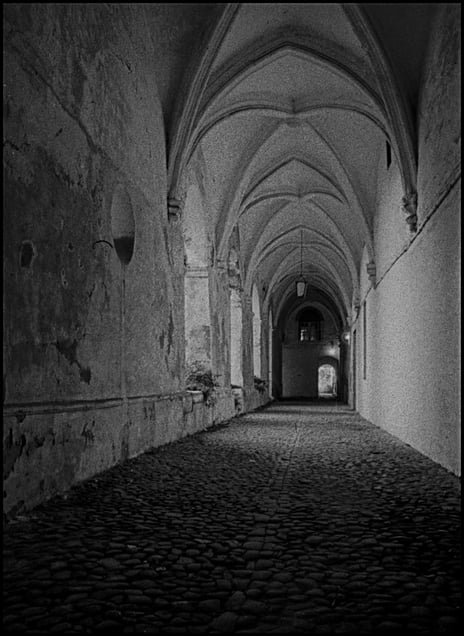
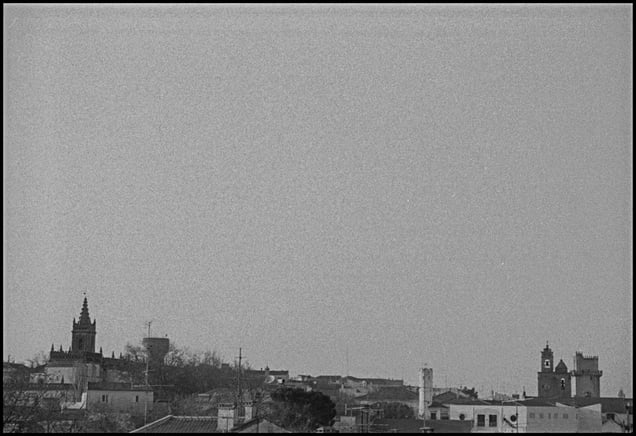
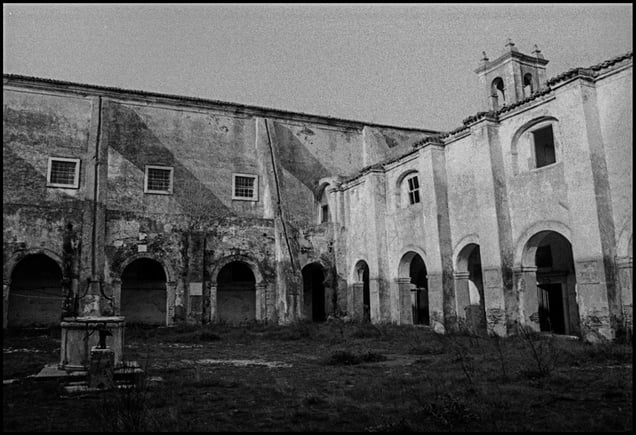
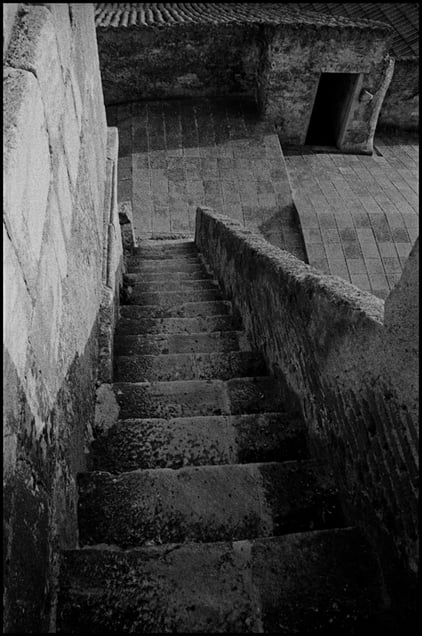
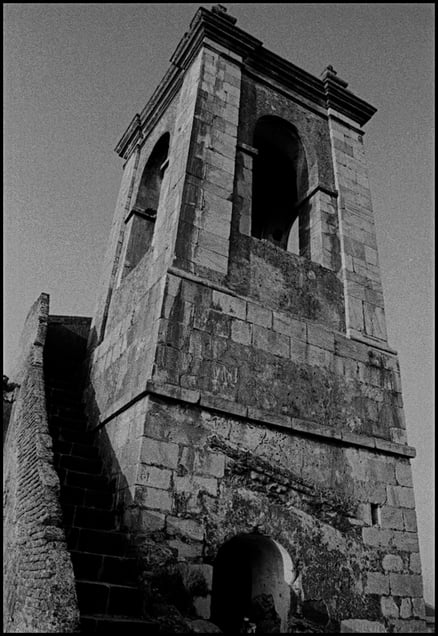
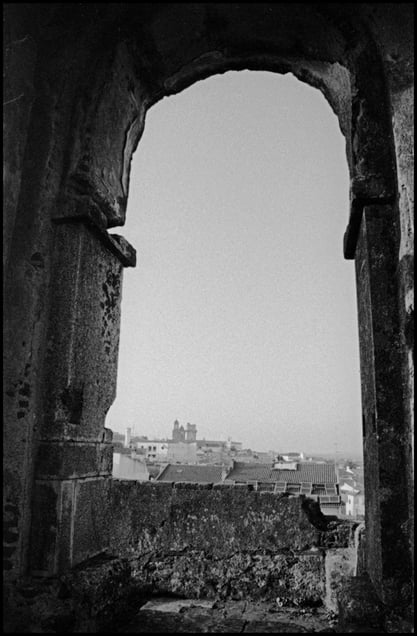
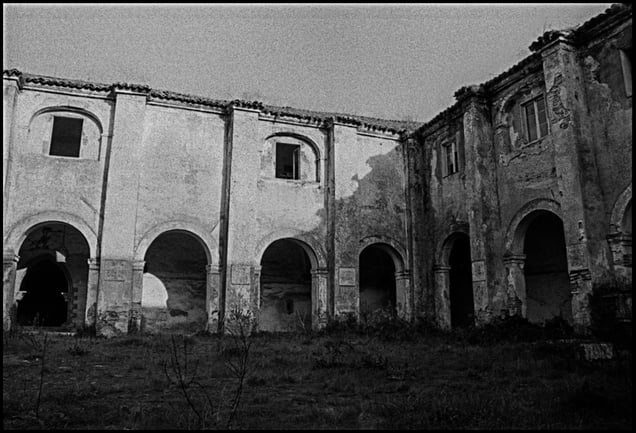
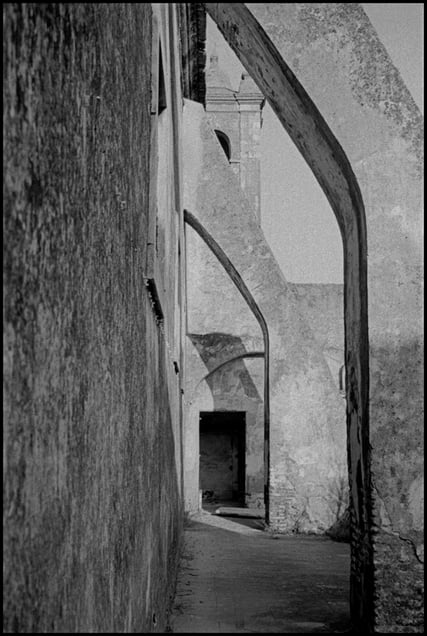
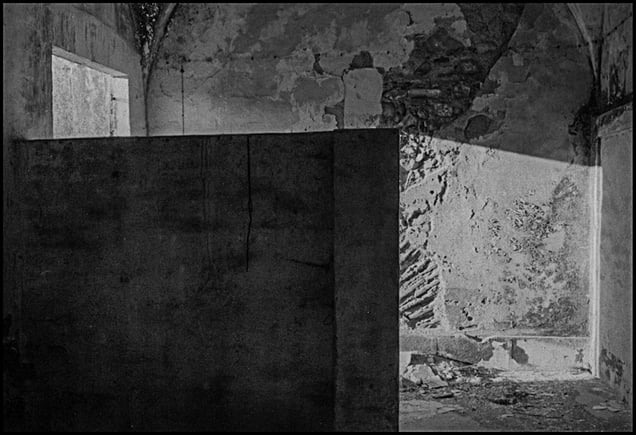
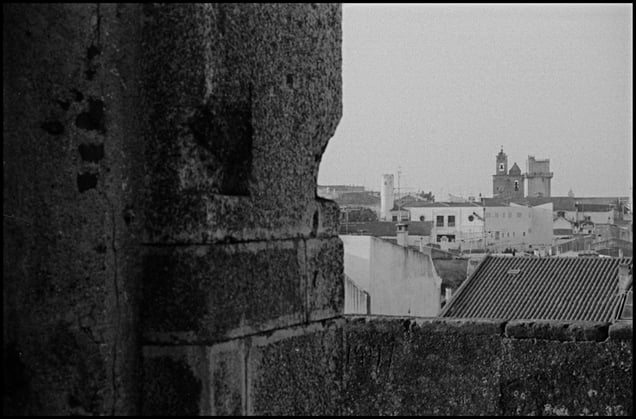
In 1993 or 1994, I stumbled upon – a loose wall – a building that had always fascinated me. The Convent of St. Francis, which I had always known as a reserve barracks. I went there to get a military certificate, perhaps when I was eighteen. The soldiers had finally left, and the walled-up building silently awaited its new inhabitants. I was able to walk through it and photograph it before its 'death' in the transformation and concealment of the stone into marble, walkways, a dining room, and other luxuries. The building, of Franciscan foundation, dates back to the 13th century. There is a document, dated 1286, in which a group of authorities and personalities from Beja request King D. Dinis's authorization to invite the monks of St. Francis to settle in Beja, and the authorization was granted, and the monks accepted the invitation. Construction began around 1286 and extended beyond 1348. Of the medieval building, only the so-called Tomb Room remains, erected in the 15th century, an important example of Gothic architecture in Portugal. The cloister is Manueline, from the 16th century, as are the chapter house and the refectory, and the church dates from the late 17th/early 18th century. Of the original Gothic core, only the Tomb Room remains, a private tomb chapel similar to the royal pantheon of Batalha; the church, the result of the 18th-century building campaign, has a single nave with two bays, arched vaults on the side elevations, and a polygonal chancel. The convent was one of the richest examples of the Franciscan Order in Portugal. In 1834 – with the extinction of religious orders – the convent was desecrated; many of the gilded altarpieces were offered to the Santa Casa da Misericórdia, which had them placed in the Church of Nossa Senhora da Piedade. From 1834 to 1846 - the tombs, their respective shields and supporting lions are removed; three of the tomb chests are transformed into drinking troughs for animals, two placed next to the waterwheel and one near the cistern; 1850 - beginning of adaptation works to create a barracks, for the installation of the 7th Infantry Regiment; 1992, November 24 - deed of transfer of the property to Enatur; 1993 - archaeological remains of a 16th-century cemetery are found in the cloister of the convent.
No categories selected
Photos (32)