BORDEAUX THROUGH THE LENS OF A TRAVELING ANTHROPOLOGIST
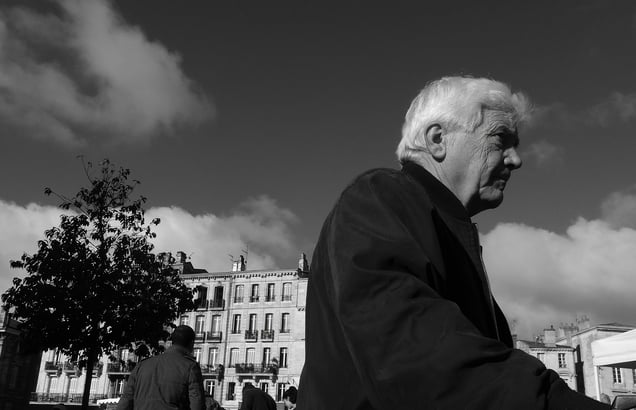
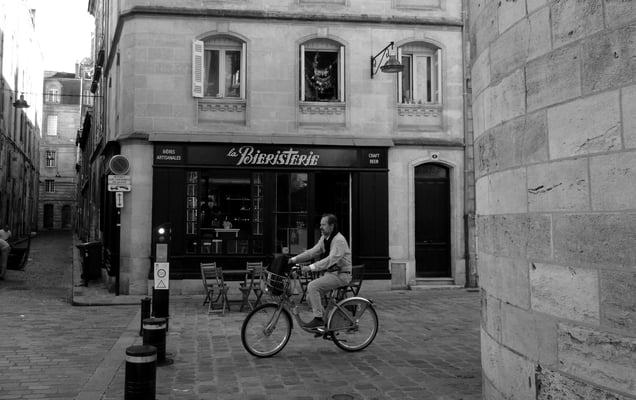
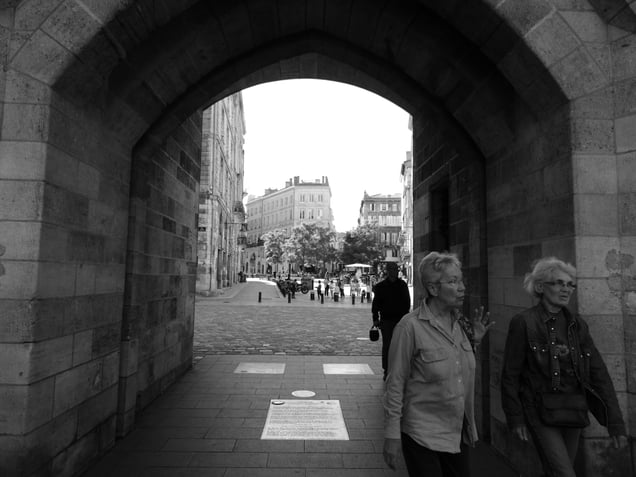
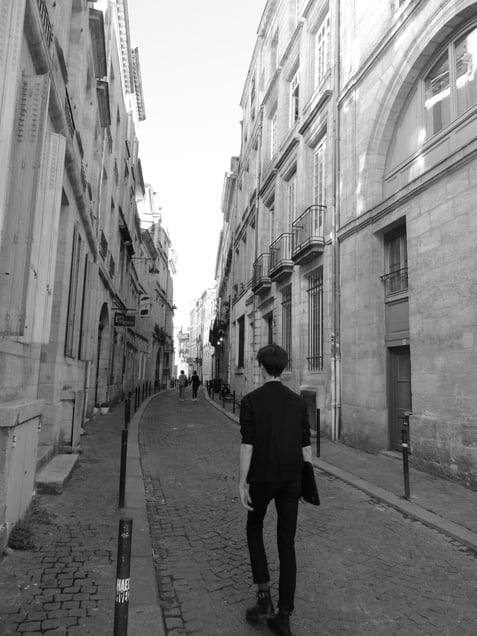
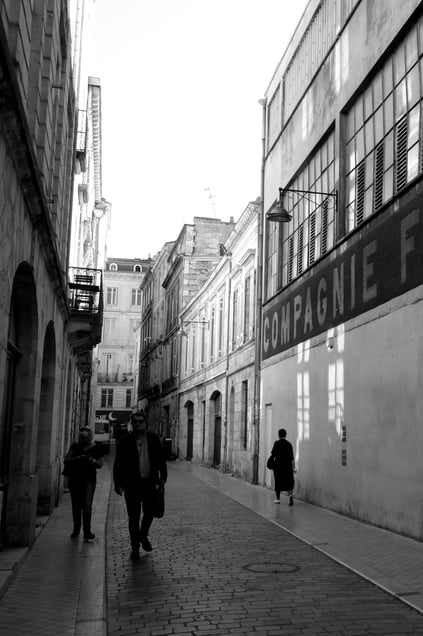
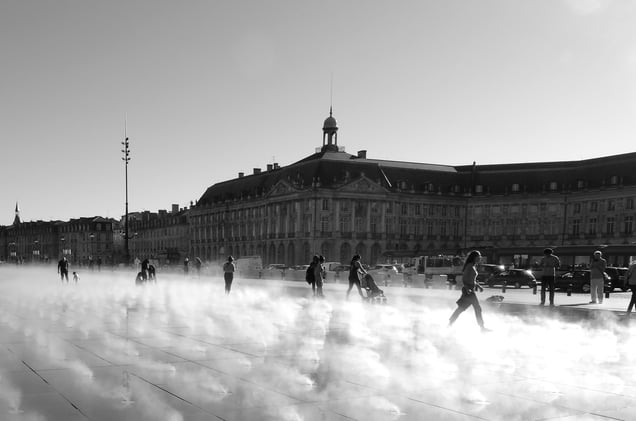
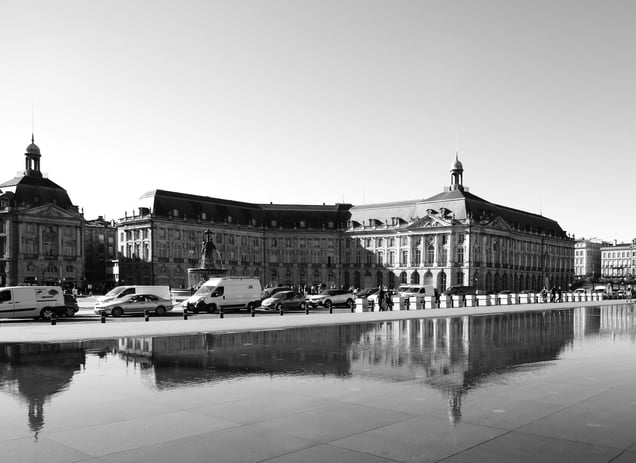
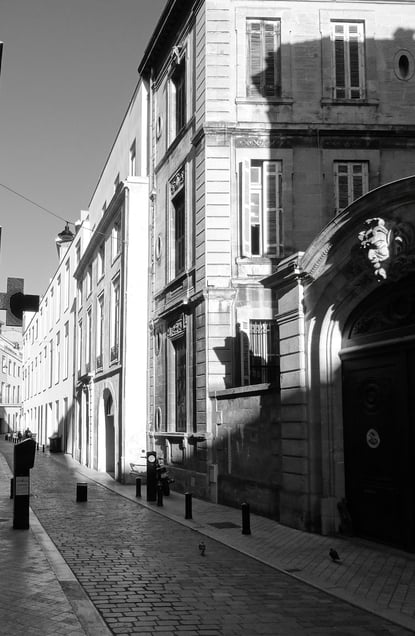
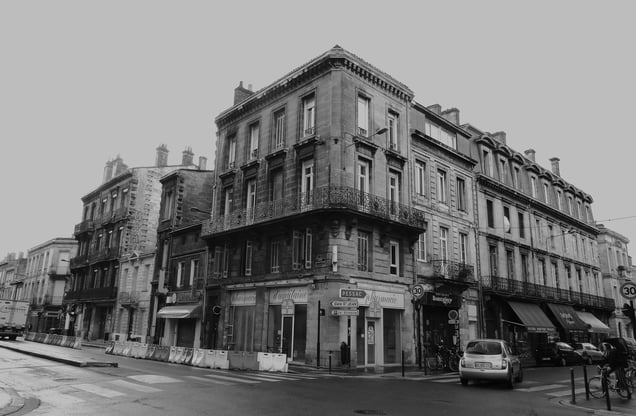
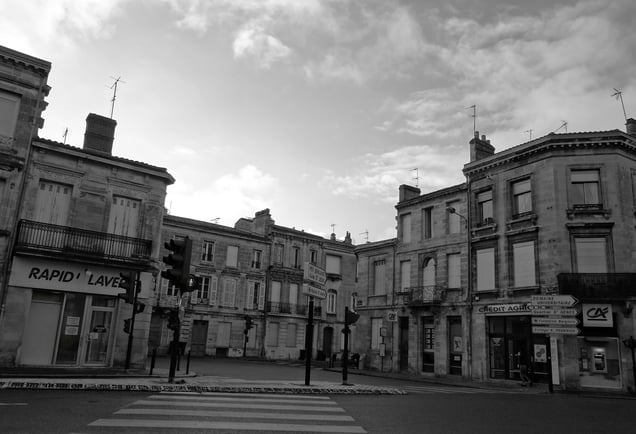
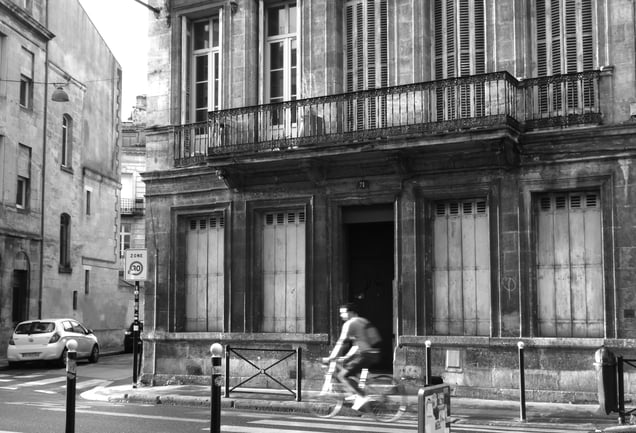
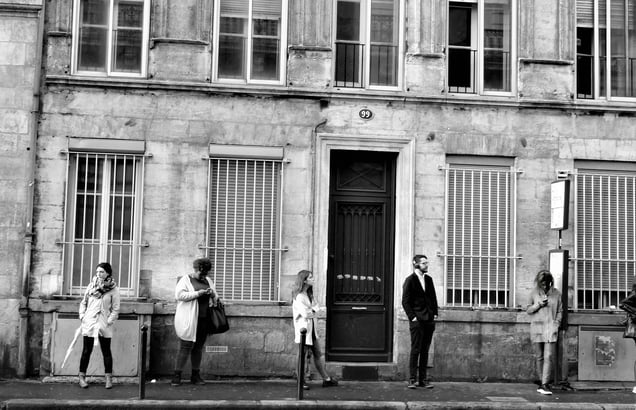
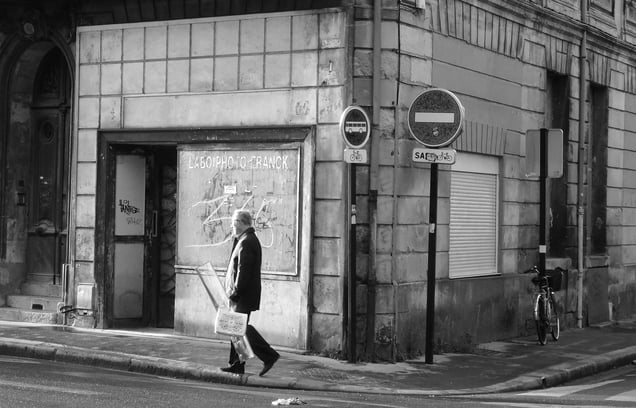
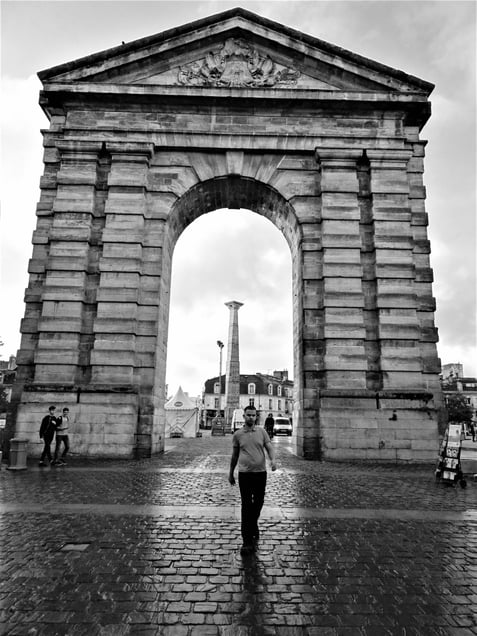
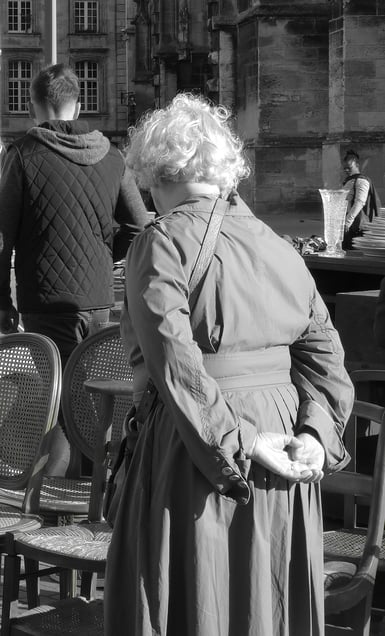
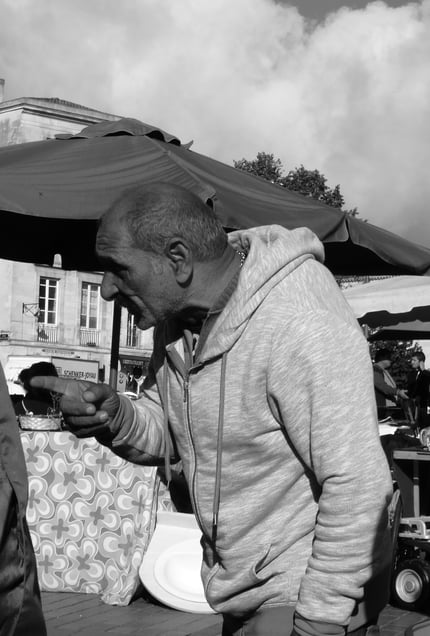
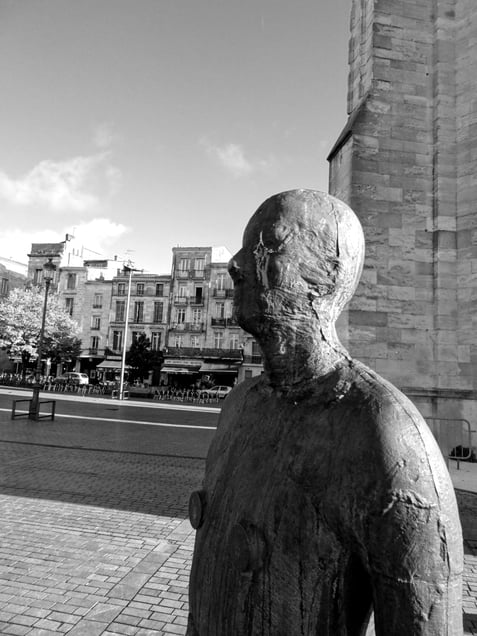
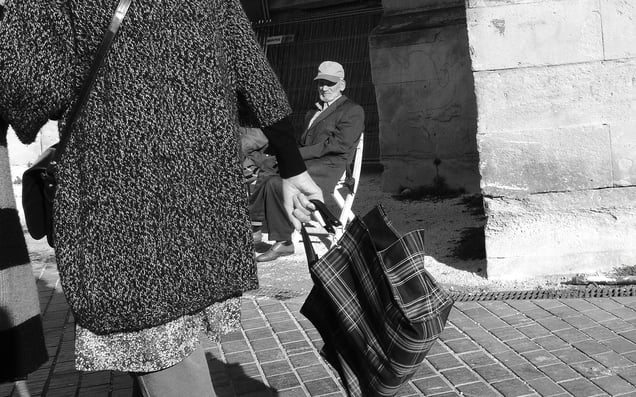
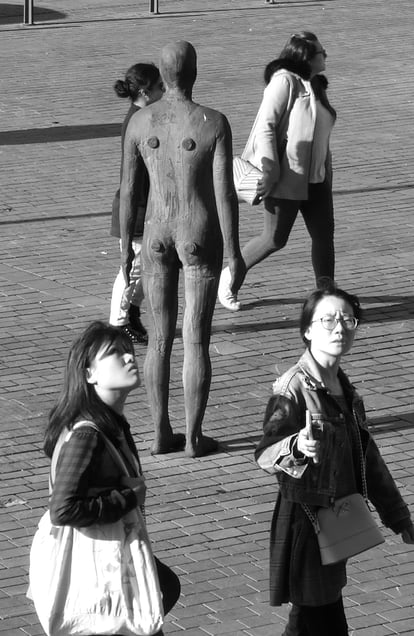
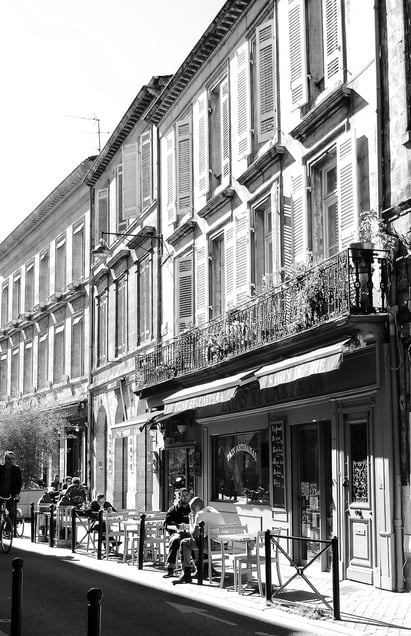
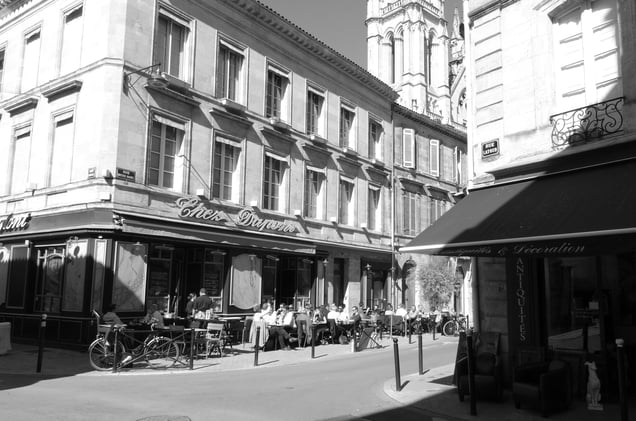
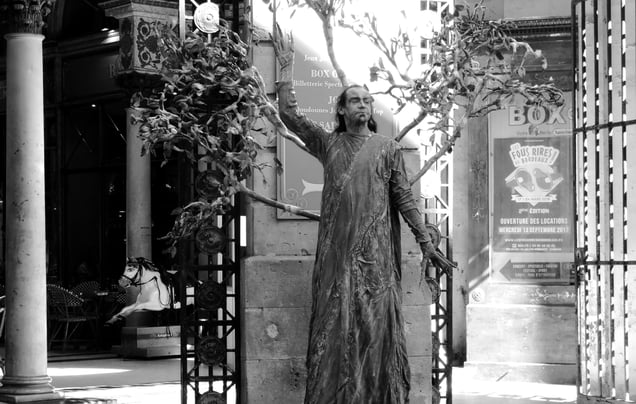
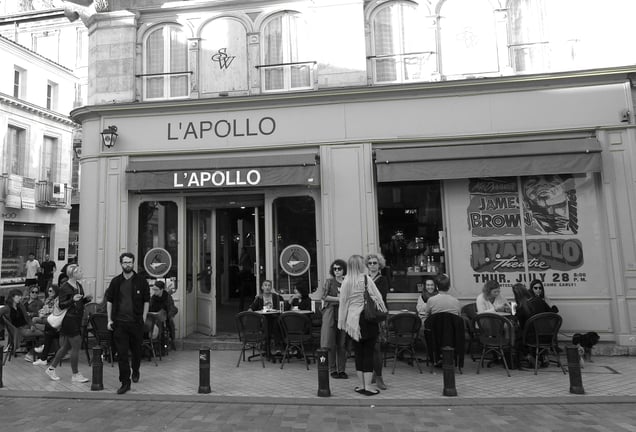
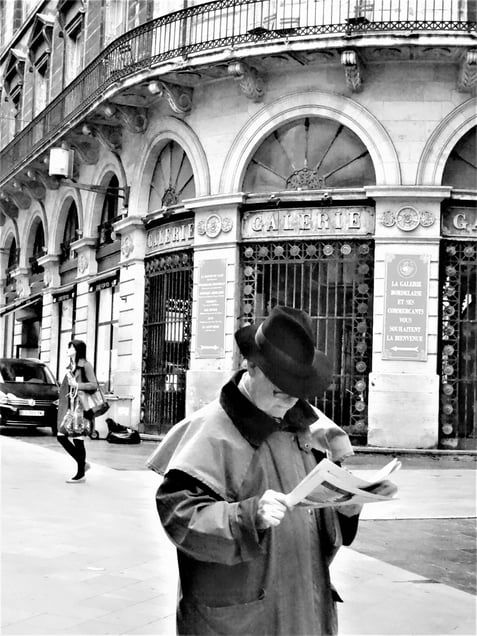
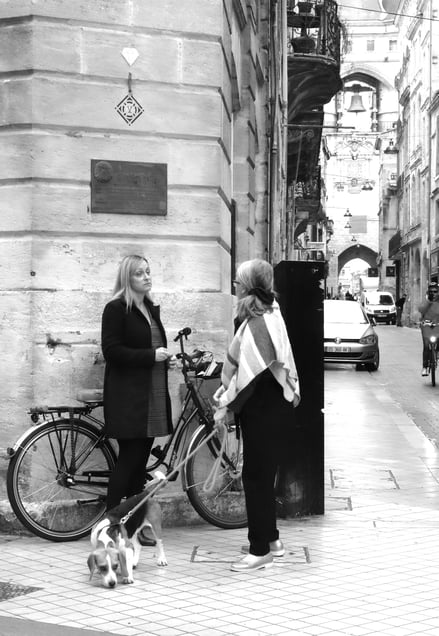
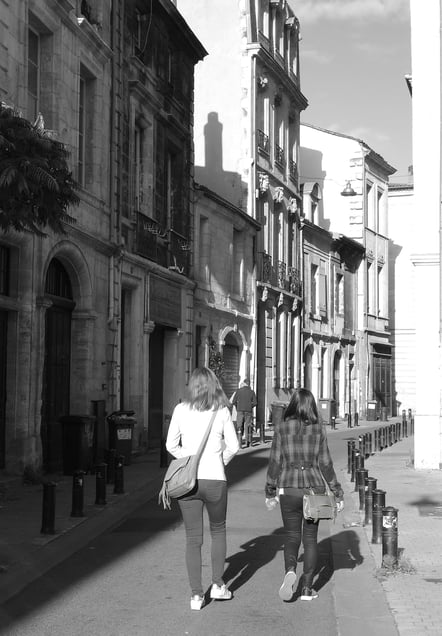
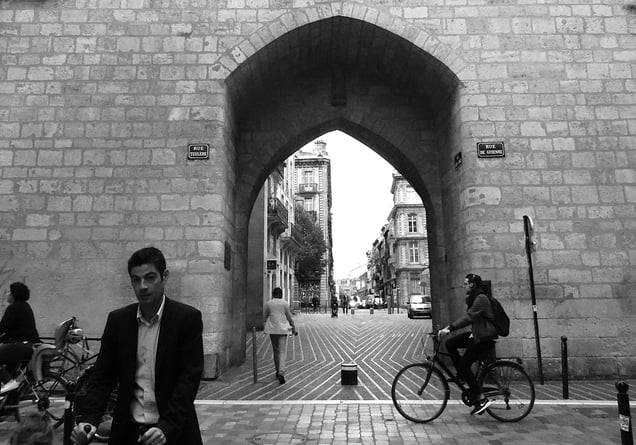
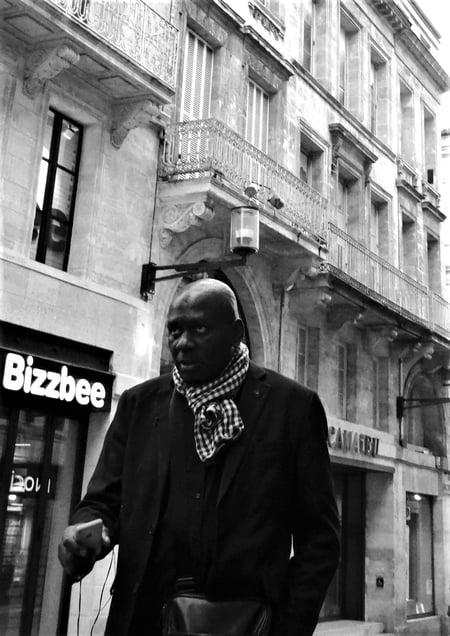
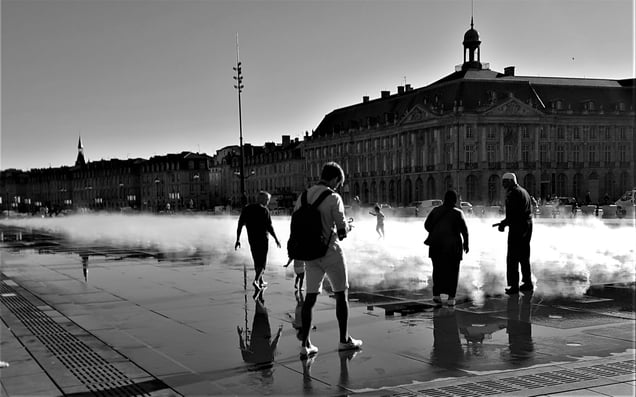
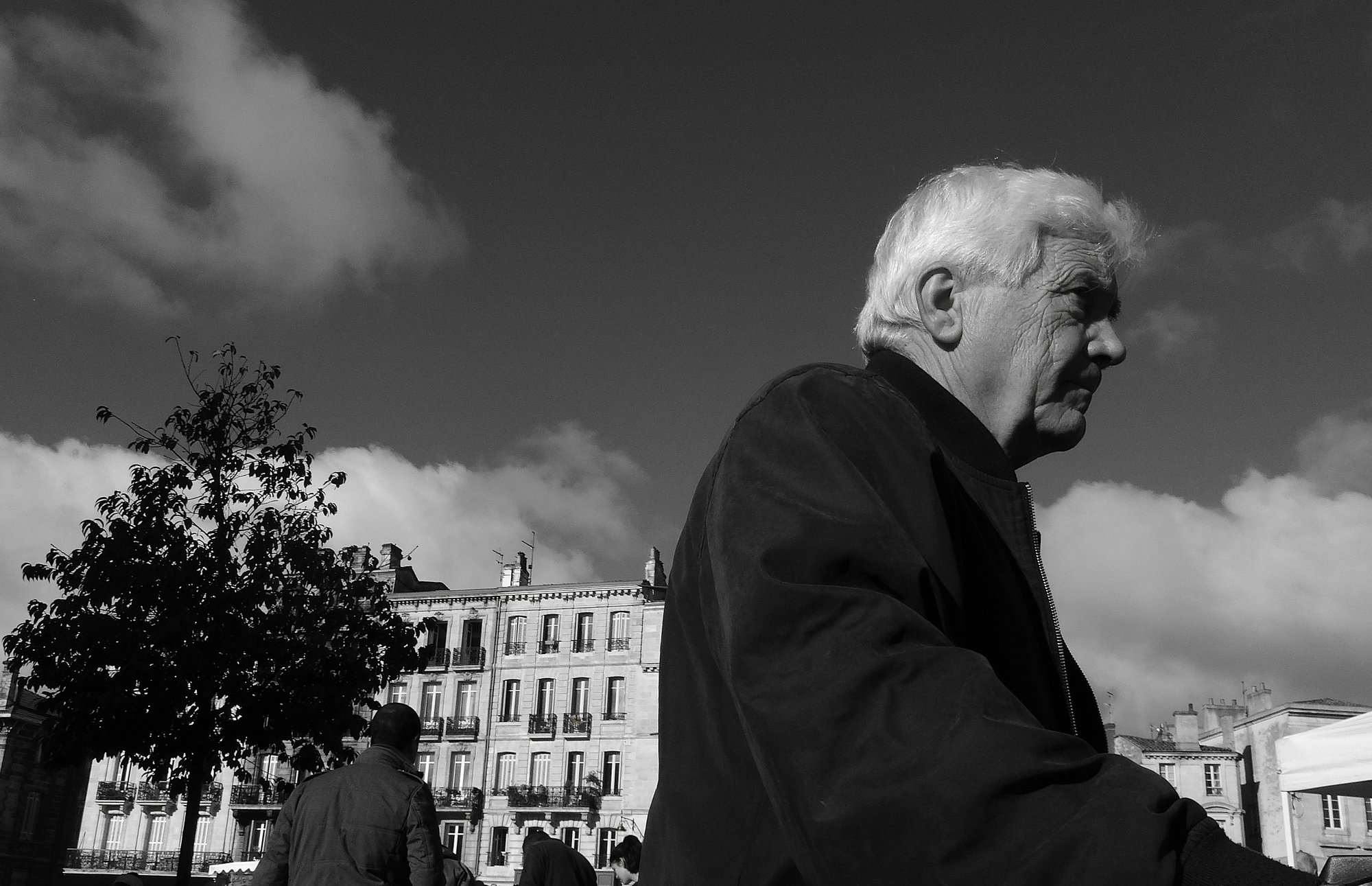
Bordeaux is not a dry geography to merely be stepped upon or confined within the rigid borders of maps; divided into two banks by the Garonne River, it is a massive stage where time flows with its own rhythm and where the past and the present continuously feed into one another through a deep undercurrent. I plunged into this city not with the superficial curiosity of a tourist, but as an anthropologist keeping a finger on the social pulse of its streets, facades, and squares, and as a flâneur chasing the soul of the space; what I saw and what seeped into my viewfinder was not just the magnificent 18th-century architecture, but a living city breathing inside the pores of those limestone buildings, harboring at every street corner that refined, fragmented, and intellectual depth found in the essays of Enis Batur. This exhibition text is the product of an effort to present Bordeaux’s geometry, human landscape, and unique aura by stripping them of the distracting ornaments of color; for Bordeaux reveals itself most in the nakedness of black and white, in those gray areas where light and shadow whisper to one another, and when colors fall silent, the true character of the city, the stains of lived experiences upon the stones, and the meaningful lines on people's faces begin to speak. In my photographs, while tracing the footprints of the disjointed, lawless French New Wave (Nouvelle Vague) realism that questions editing and reality simultaneously—much like we find in the cinema of Jean-Luc Godard—I chased the light during the most unusual hours of the day to capture the naturalness of the moment on the streets of Bordeaux, just like the unplanned rhythm in the film À bout de souffle. As the city continuously shed its skin between the first morning light and the precarious twilight of evening, the sharp, vertical morning light hitting the neoclassical stone walls of Place de la Bourse created a Godardian alienation effect on the surface of the Miroir d’Eau, where clarity and ambiguity merged with the city's philosophical aura in my framed reflections, doubling reality. Walking through the seemingly endless corridors of Rue Sainte-Catherine, the vertical lines of the buildings narrowing the sky and the tiny silhouettes of people between these lines documented the existentialist structure of the city that both swallows and births human beings, while a stranger waiting in the shadow of Porte Cailhau stood frozen as if inside a cinematic frame. Since the secret to living like a Bordelais lies not just in walking and consuming distances, but in knowing how to pause, look, and listen to the city’s own melody, I sat for days in the city's unique, time-slowing cafes, watching the people drifting past me with the precision of an anthropologist, reading every gesture, outfit, and gaze as a social signifier. There is an intellectual depth and a refined nobility displayed toward life in the very fabric of the people living in this city; when I settled into the wooden chairs of Café L'Apollon at the heart of Place Fernand Lafargue and watched the outside world for hours, my frame opening from the semi-dark interior of the cafe toward the bright street outside became a testament to Bordeaux’s intellectual memory; with an old man reading a philosophy magazine at his table, students debating fervently, and a woman folding her newspaper, L'Apollon transformed into a movie set where light illuminated dust motes as it filtered inside. In the same way, while photographing the multicultural and cosmopolitan structure of the city on the terraces of the lively cafes in Place Saint-Michel, the colossal shadow of the Gothic Flèche Saint-Michel tower fell upon the square, and the smoke rising from people's coffee cups created a mystical atmosphere in shades of black and white; subsequently, the play of light filtering through the windows of places like Café Alchimiste or Café Dijeaux carried the grave and intellectual melancholy of the city into my viewfinder, making me realize once again that drinking coffee here is not just an action, but a silent pact made with the city, literature, and cinema. These photographs are not a touristy, cliché guidebook or a souvenir album of Bordeaux, but an attempt to infiltrate the invisible capillaries of the city, as if wandering through the written tours of Enis Batur; the fleeting trace left by a beam of light escaping over a historic stone arch or a column of the Grand Théâtre during the golden and blue hours, the silent and aesthetic tension between the modern bourgeois fabric of the city and the bohemian reality of the streets through an anthropologist’s eyes, is a visual monograph written upon the aura, people, and spaces of the city under the absolute guidance of black and white. Walking Bordeaux, bathing in its light, becoming human in its cafes, and engraving those moments into the memory of silver nitrate or pixels is the story of Bordeaux found while searching for my own shadow in those intellectual streets—the story, in essence, of the city inside me—and the eye behind the lens now invites you to become a part of this holistic, black-and-white reality.
No categories selected
Photos (29)