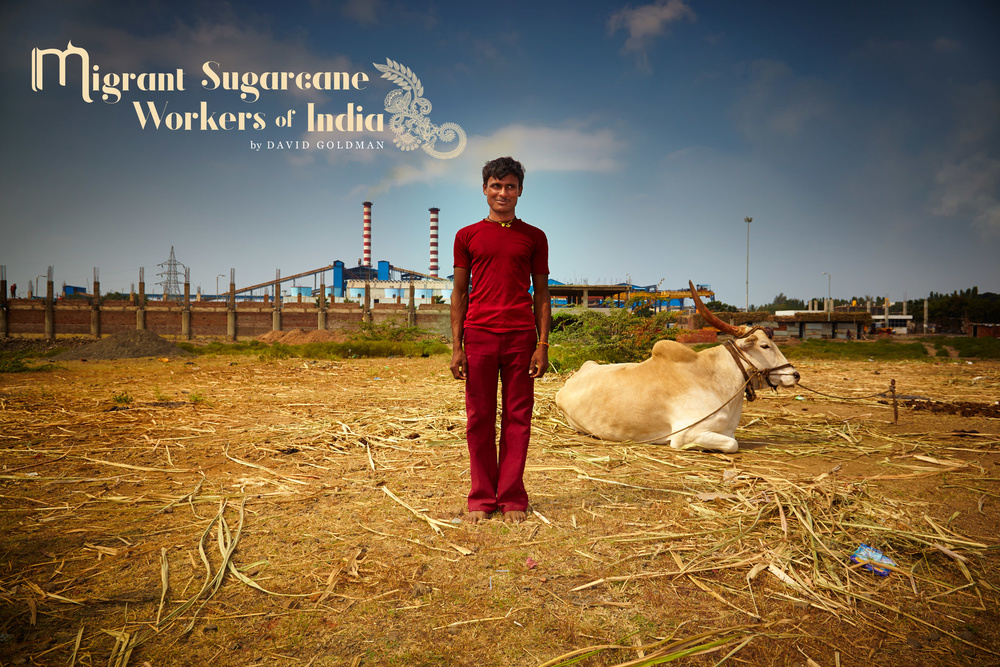

Migrant Sugarcane Workers of India
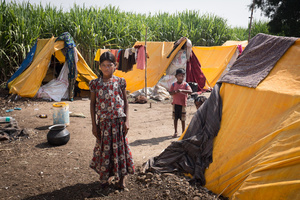
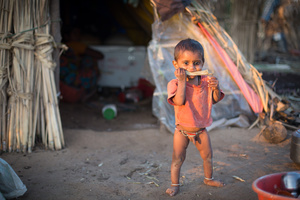
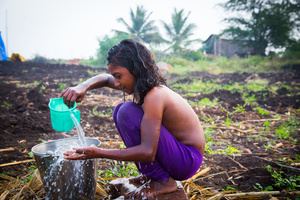
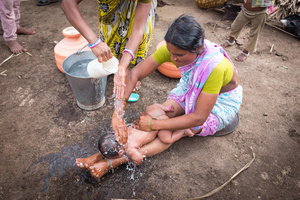
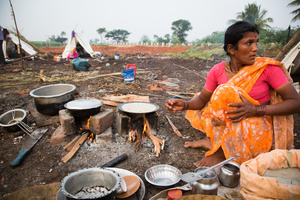
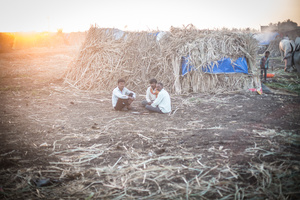
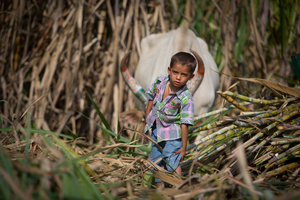
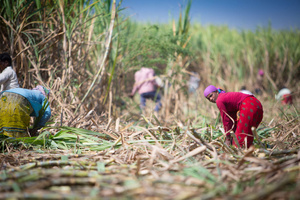
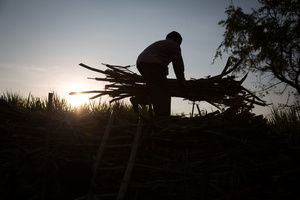
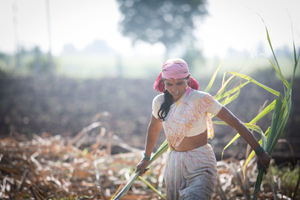
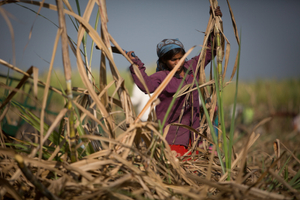
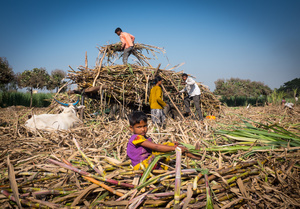
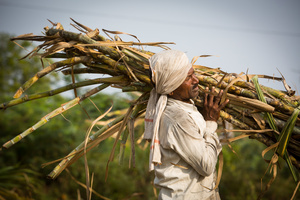
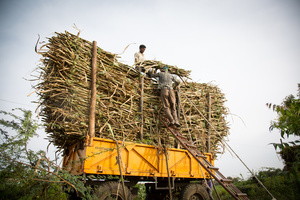
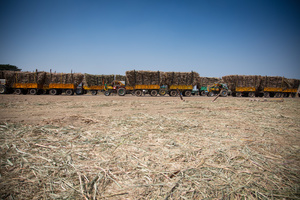
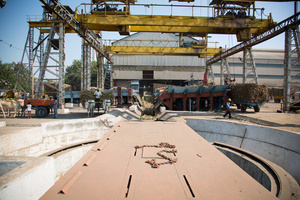
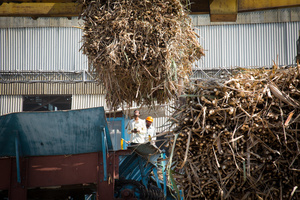
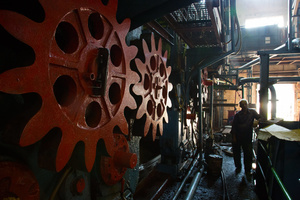
·I was first made aware of India’s migrant sugarcane workers while working on another assignment for UN Women. One day, I was astonished to drive by what looked like city made up of tents, in the shadow of a huge factory complex. I asked the driver to stop so that we could go and speak with some of the people there. It was during this twenty minute stop that I learned some disturbing things. Struck by the amount of time and energy they spent harvesting the cane, compared to the meagre amount they are paid, I felt compelled to document how the commoditization of the sugar industry has affected the Indian migrant worker, who make long journeys from small outlying villages they are from, to larger factory towns and cities in search of work. I hoped to get to know these people, to learn more about what motivates them, and the myriad challenges they face. Desperate to educate their children but limited financially to put them in school many migrants are forced to make the choice of having their kids work vs. becoming educated. Therefore all but guaranteeing the next generation will find itself in a similar situation. Struggling to get out of poverty with limited options. In my many travels there is one aspect of human nature I have found to be true no matter where I am, or who I am with — which is that every family wants to do the best for their children. I have also learned that this can mean vastly different things to different families in different places, from supporting their children through higher education, to simply providing food and shelter each day. Yet, the motivation that drives them is always the same, to build a better life for their children. India’s sugarcane migrant workers were no different. Knowing that at any given time, at any place on this Earth, there are stories that can be shared to inspire, inform, educate, and provoke change, my mission is to document and shed light on the lives of people like these migrants. To me that is what being a photographer is all about.
No categories selected
Photos (45)