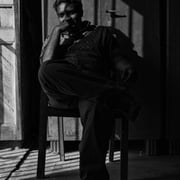
My Face is Stolen
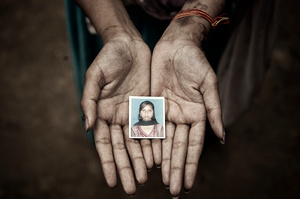
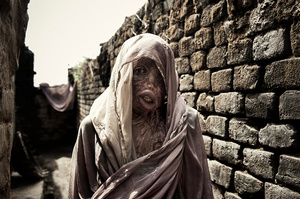
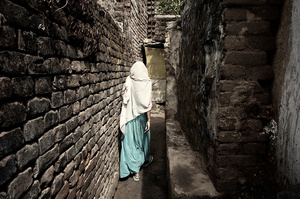
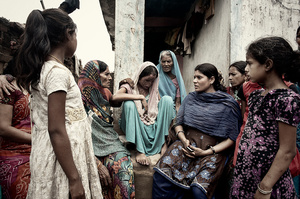
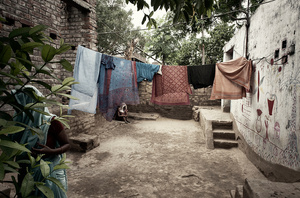
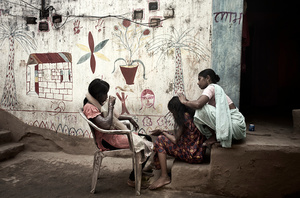
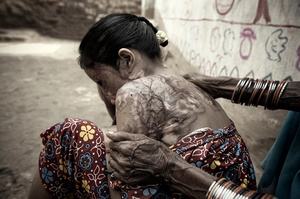
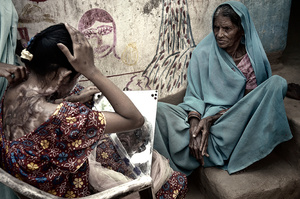
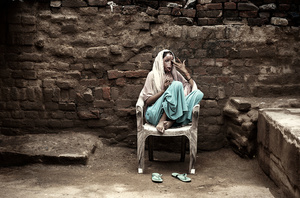
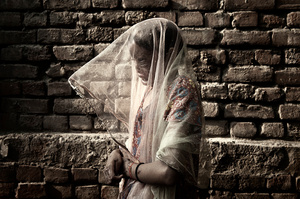
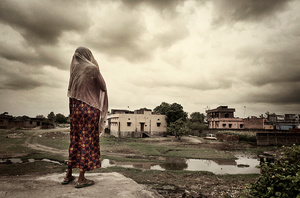
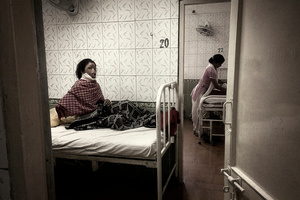
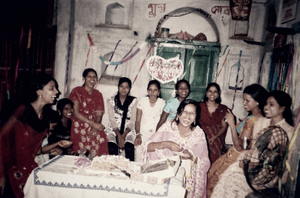
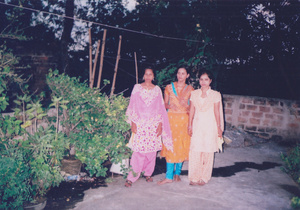
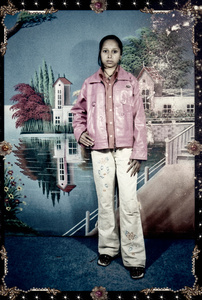
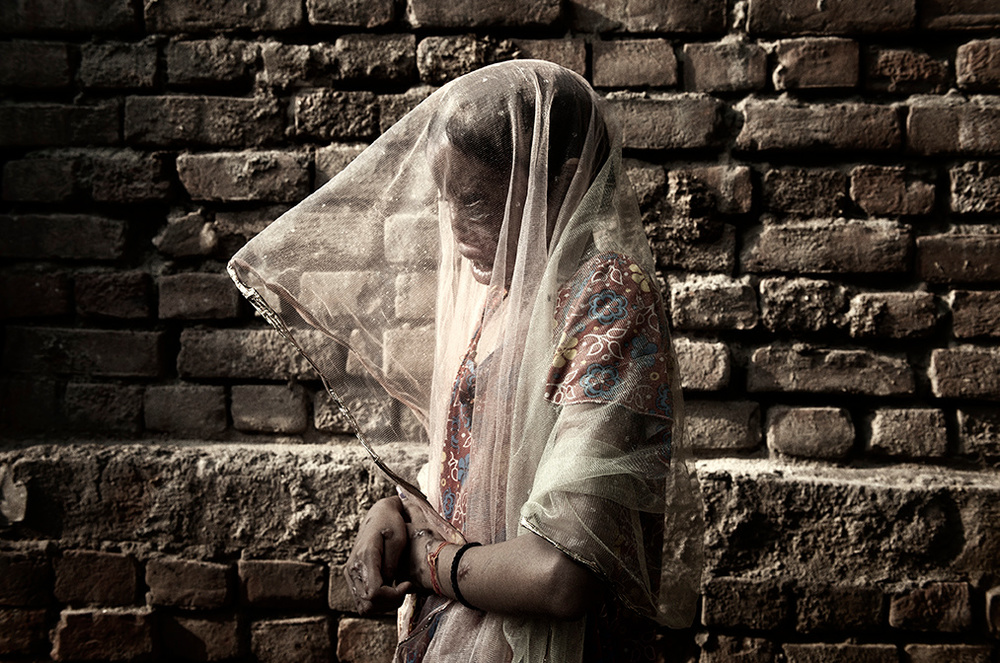
Text By: RISHITA NANDAGIRI - October 21st 2012, Chitnawa Village, Patna District, Bihar. India. - As Chanchal Paswan and her sister slept on the terrace, four men broke into their home; held onto Chanchal’s hands and feet as they doused her with acid. Some of the acid splashed onto her sister’s arm, scalding her. This, they jeered, was her punishment for rejecting them, for thwarting their advances. In India, we are constantly bombarded with justifications for violence against women: women who brazenly roam the streets, women who are careless about their safety, women who are of loose morals, women whose clothes are all wrong; whose clothes were asking for it. It is, they allege, a protection of our culture and our tradition, it is a ‘lesson’ that is being taught, and it is just acting on something that was asking for it by the way it walks, looks, talks, exists. The perpetrators of violence- especially when they are upper caste, upper class men- are always excused, always forgiven for their sins; in part because of who they are and in another part because of the power they wield. Chanchal Paswan doesn’t care about that, she names her attackers, labels them the perpetrators of violence against her; and she demands justice for the crimes and violations she has endured. This is her own personal- and political- resistance against the pervasive systems of violence in her world. This is not her first form of resistance and challenging of the spaces around her. She braved out into the world, one that is stacked against her; first as a young woman and second as a young Dalit woman. Her body, she learnt quickly, was treated as a toy for men to play with- to grab her, brush up against her, watch her every move, follow her, touch her, pinch her- clearly transmitting the idea that the streets were not for her, that public spaces were not for her. That in those spaces, she had to play by the rules of men. She refused. She refused the unwanted attention, challenged the harassment. She refused to limit her movements or retreat into the four walls of her home. She refused to play by the rules of men, and they vowed to teach her a lesson. The desire of perpetrators that use ‘acid’ as a manifestation of their violence, is an active one. The perpetrator wishes to imprint their frustration, and their rage upon the face of the woman they target. They seek to destroy and maim the women who reject them, who humiliate them through that rejection. They seek to destroy and disfigure these women. They are comfortable in the impunity they are offered, they take it as their birthright- that they will not experience a similar fate, that their lives will not be ‘ruined’ but they will have destroyed the woman who denied him the object of his desire- her beauty, her body- by claiming and wielding her agency. Chanchal refuses to be destroyed. She takes one more stance of resistance: she refuses to hide, to be humiliated, to be robbed of her life. She chooses to be photographed, she allows fragments of her world and moments in her life, a range of emotions and moods, to cloud the simplicity of our reactions. She chooses to put together images of her past and her present, to give us all that mix of memory and loss and vulnerability that beauty is made of. She wields, yet again, her agency- over her choices, her mind, her body, and her life. She refuses to yield even an inch of herself. We are reminded through this construction of moments that pass, that there is nothing about beauty that can be so defined, so easily pin-pointed or named, that it can be attacked with as much ease as they imagined. The image we are left with is not of the acid-burnt souls of the four men who attacked her, but of a person whose beauty and grace cannot be destroyed, cannot be tamed, and will not be owned.
No categories selected
Photos (15)