
In Pursuit of Happiness - An insight into modern Bhutan
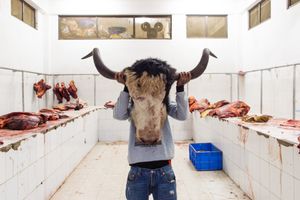
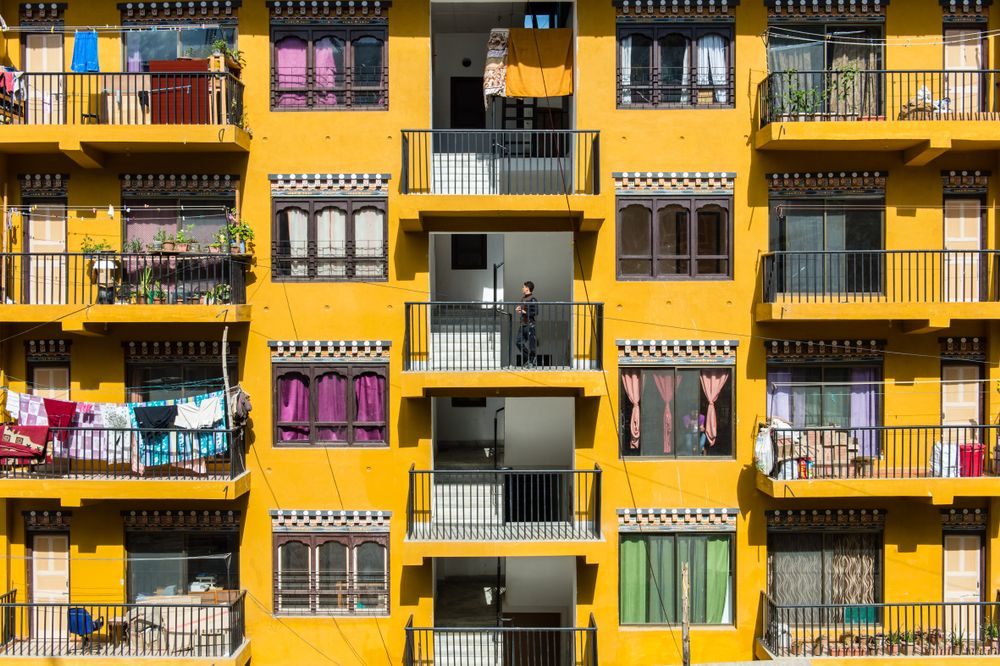
Landlocked between the economic powerhouses of India and China, the small Buddhist kingdom of Bhutan provides a fascinating case study for the effects of globalization and indeed the self-conscious resistance to this same global change. In the last decade Bhutan has undergone a rapid transition, from a closed Buddhist Kingdom to a constitutional democracy and is now admired worldwide for its uncompromising pursuit of Gross National Happiness. But as Bhutan development accelerates, its government and people are engaged in a battle to preserve its culture and keep its unique identity alive. Traditional ways of living and cultural practices, particularly those in rural communities, are quickly disappearing in the quest for new lifestyles and less laborious job opportunities. Economic liberalisation of the country has also brought an influx of “modern” influences and more materialistic aspirations, especially among young people. IN the GNH index, unlike certain concepts of happiness in current western literature, happiness is itself multidimensional - not measured only by subject of well-being, and not focused narrowly on happiness that begins and ends with oneself. The pursuit of happiness is collective and is meant to orient the people and the nation towards happiness, primarily by improving the conditions of not-yet-happy people. GNH is premised on the belief that happiness is the ultimate desire of every individual, and by extension, the responsibility and purpose of the state is to create the necessary conditions that enable citizens to lead the good life. As such, GNH supports the notion that happiness pursued and realized within the context of the greater good of society offer the best possibility for sustained happiness of the individual. Despite its focus on national wellbeing, Bhutan faces huge challenges. It remains one of the poorest nations on the planet. A quarter of its 800,000 people survive on less than $1.25 a day, and some still live without electricity. It is struggling with high youth unemployment, a rise in violent crime, drug and alcohol addiction is rife and it also has one of the highest suicide rates in Asia. Currently there is a fascinating juxtaposition between the old tradition Buddhist way of life and the new modern life of mobile phones, internet and cable television. The country is in a massive state of flux and through this series of images I wanted to showcase the effects globalisation was having on this tiny himalayan Kingdom.
No categories selected
Photos (10)