
Hijras at Kumbh Mela
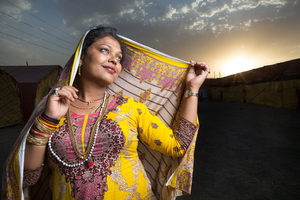
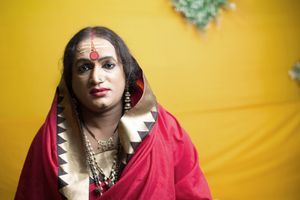
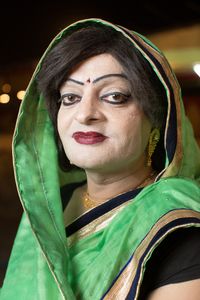
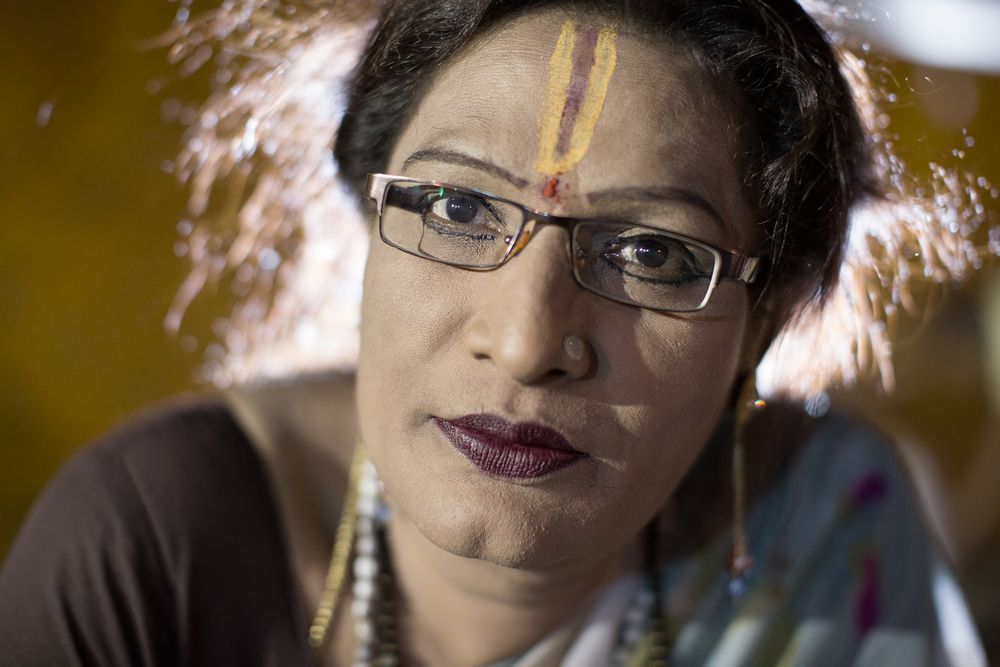
“Kinnar Akhada”, a religious representation of eunuchs, made its debut this year at Simhastha (Kumbh) Mela, which was held in Ujjain, Madhya Pradesh, India. The Hijras, also called the third gender, have always been allowed at Kumbh, but they have never participated in such a large congregation. The Kinnars have gone through a lot of hardships to maintain and prove their integrity. Due to the societal pressure, they are still away from the main stream life. However, since the past few years, India has become more acceptable to them. Contrary to the transgender community’s fight against discrimination and gender identity, Kinnar Akhada was the major attraction at the Simhastha Kumbh in 2016. The history and cultural relations of the Hijras are rooted both in ancient Hinduism, where eunuchs are mentioned in a variety of texts, including the epic Mahabharata, and in Islam, where eunuchs served in the harems of the Mogul rulers. Transgenders are sadhus in the real sense of the term because they are born brahmacharis and don’t believe in caste. Most of their ceremonies originally have their roots in Hindu religion, but major aspects of their social structure are from Islam and the majority of their leaders and gurus are Muslims. Because Hijras don’t take part in reproduction cicle, their blessing is considered very auspicious. Kumbh Mela is a mass Hindu pilgrimage of faith which is considered to be the largest peaceful gathering in the world.
No categories selected
Photos (10)