Maria
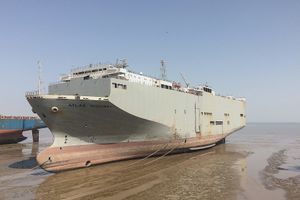
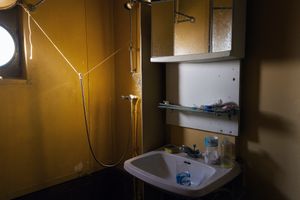
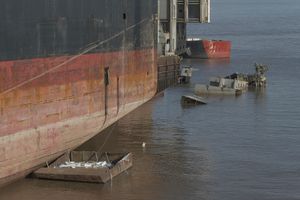
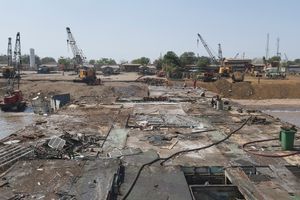
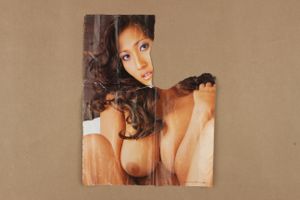
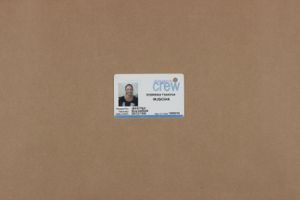
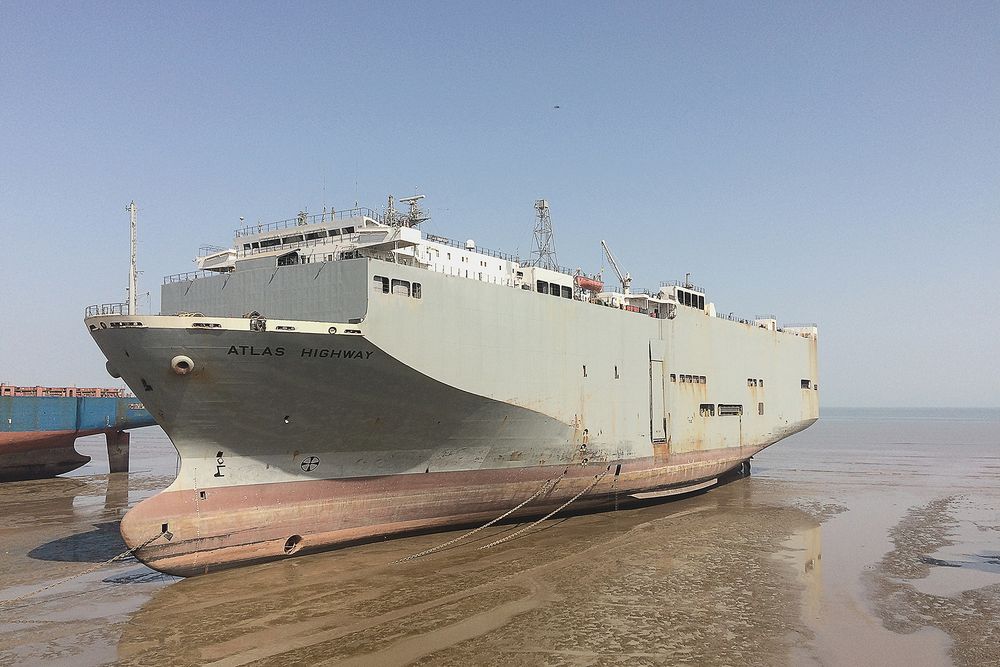
Alang, given its tidal variation, long coastline and gradual slope makes an ideal location for ship breaking. MV Kota Tenjong was the first ship to be beached at Alang in 1983 and since then more than 7000 ships have been broken. Before ship-breaking began in Alang, the beach was untouched and pristine, but for the migrant work force and the locals, ship-breaking provides well paid jobs with a steady income to support their families. Popular media has dubbed Alang as a ship graveyard, but on the contrary ships come here to be born again, to be reincarnated into something else. Recycling about half the ships in the world has helped develop supporting industries like oxygen bottling plants, re-rolling mills, second hand ship items businesses, etc. As opposed to the abandoning and submerging ships in the ocean, recycling is considered a more sustainable and an eco - friendly solution to scrap retired vessels. Irrespective of the importance that ship-breaking and recycling industry has in today’s world, the brunt that the marine environment has been facing is far from being acceptable. My fascination with repurposing and up-cycling of old things, and my curiosity to look at a coastal town where ship-breaking and recycling takes place on a humongous scale, brought me to Alang. Ship-breaking and recycling goes beyond the robotic, mechanical activity of cutting ships into pieces. It is not only about re-melting metals into rebar and ingots, or salvaging wood and fittings from the ship. The spaces inside the ship says a great deal about life on water. A retired or a dead vessel has spaces that seem to have frozen in time with all actions intact. The sentiments and stories attached to the ship also scatter as the structure is taken apart. The objects, and perception along with experience of people in Alang cannot be told in one word or one sentence. The spaces and objects evoke a strange sense of nostalgia which doesn’t belong to the witness, yet seems to have come from their own memories. The feeling of being in Alang can be described as walking around a huge anvil or being a voyeur in a cabin of a ship. Every object, every social media post, every news headline, every conversation, every sound, every observation from and of Alang has plenty to say and holds a universe of its own, subject to wonder (or concern). Maria is story of reincarnation on land of what water held like its own. (Maria is set of two books, first six photographs comes from part 1 and the rest four come from part 2)
No categories selected
Photos (10)