
Wild America: Process & Preservation
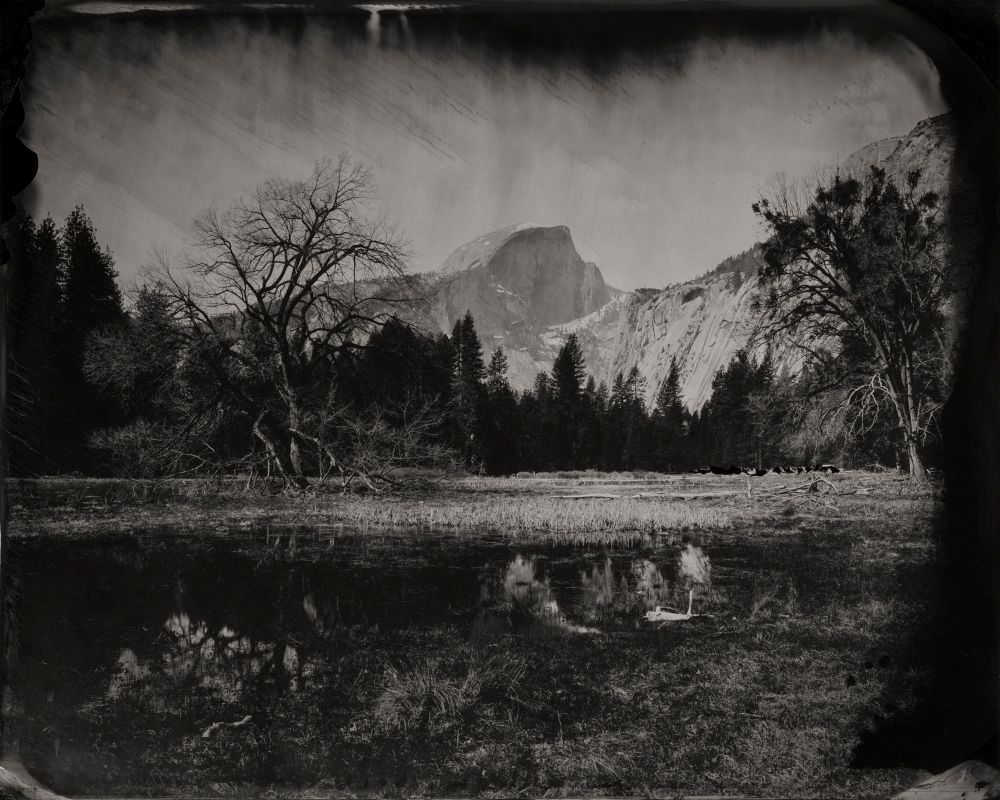
My approach to the American landscape did not initially involve a specific environmental agenda. Nor did I attempt to recreate iconic photographs or capture locations in a novel way. Land preservation was not a well defined goal. I simply aimed to experience these places anew; to exist in space and allow myself to experience the natural world. Furthermore, it was an idealized pursuit to slow the photographic process in some of the world’s most beautiful spaces. An effort to connect myself to the physical world through the land itself and through an anachronistic photographic process. It wasn’t until four years into the project that I began to explore the past as it relates to the American landscape. Not until I came alive with passion for our land that I felt a deep connection to my own American heritage. I now believe that land not only affords us the opportunity to connect with the earth — but to our nations, to each other, and to ourselves. One particular component to this work originated from a fundamental idea I felt is becoming less important in our modern world. That is, the value of touch; to physically connect. As we go through our days, how necessary is it to actually touch things? For example, as photographers we no longer require the dexterity needed to load and process sheets of film in total darkness. Images are captured via methods few understand and stored as pixels on cards, clouds, and drives. Portfolios are often viewed on computer screens, blogs, websites, phones and on and on. And this is just in the field of photography. To extrapolate as a medical doctor surrounded by extraordinary technology, I have seen that actually touching our patients has fallen by the wayside. How does this affect our lives, well-being? And what does it say about our society? This process has allowed me to reconnect with the physical world. Holding each photograph in my hands while an imperfect image emerges is transcendent. The wet plate collodion process speaks to the past, of course, but also to the future. From this process and the experiences I’ve had in nature I am a fervent believer in the importance and necessity of touch. While photographing in the plush valleys and majestic mountains of the American west, a stillness of time and space separate from our current ethos is attainable. When I bathe a glass plate photograph with intentional slowness I am rejuvenated by stillness. This process is healing. It is paradoxically imperfect and perfect. The captured landscape creates a looking glass that reflects back a portrait of inspiration; one that has inspired me to contribute my voice to the fight for the preservation of our land. It is majestic but it is also delicate. It is in this awe-inspiring magnificence of the American landscape I am most free.
No categories selected
Photos (18)


