Life retaken
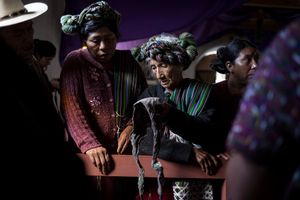
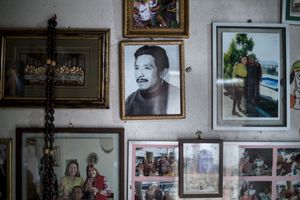
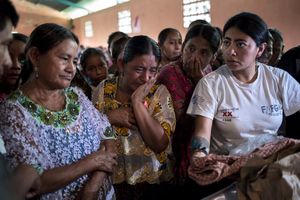
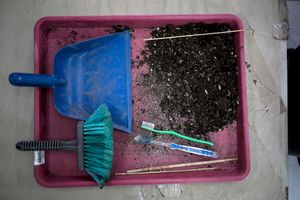
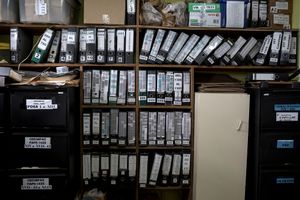
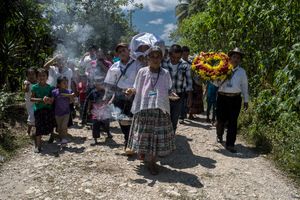
"In my pre-university education, they did not show me the true history of my country. I confronted it when, at the age of 15, I went to the central park and found a demonstration of people with photographs of their disappeared. It was that day that I began to investigate and scrutinize the story that does not count and that I do not understand. " Candy Véliz, social anthropologist in the Forensic Anthropology Foundation of Guatemala Nearly four decades of internal armed conflict (1960-1996) left Guatemala with 200,000 dead and 1.5 million displaced people. They also left 45,000 missing. The vast majority of them haven’t been found and relatives, mostly ethnic Mayan, continue the desperate search for their loved ones. The long search is marked by uncertainty and fear of reprisals. Today, the relatives face the probability of ending their days without knowing the cause of the death of their disappeared and without being able to bury them according to the local customs, the important factors to be able to continue as an individual, and for national reconciliation. The Forensic Anthropology Foundation of Guatemala (FAFG), where Candy Véliz is employed, has been working since the 90’s to find and identify the disappeared, comparing the DNA of the relatives with the DNA of the exhumed human remains. This is how they have been able to deliver several identified skeletons to the relatives so that they could give them a dignified burial. The moment of the reunion with the remains of the disappeared person, who has often been missing for over thirty years, is very intense. The relatives relive difficult memories of the moments when their beloved one disappeared, and at the same time feel relieved that the constant search is over. For the first time they can mourn the death of their loved one. Forensic reports give more certainty about the circumstances related to the death and help to close the circle of uncertainty. FAFG are in charge of carrying out exhumations by the Public Ministry and forensic reports serve as evidence in trials related to the internal armed conflict (CAI). In its depository there are currently 2,260 boxes with skeletons waiting to be identified. Due to the lack of contribution from the Guatemalan state, FAFG has to rely on the support of international organizations to carry out the investigations. The work is being intensified since Guatemala currently lives several legal processes of greater importance for crimes against humanity and genocide committed during the CAI. In the Guatemalan capital there are denialist movements insisting there was no genocide and, in spite of the first-hand evidence and many of the bones found in the mass graves tied hand and foot and with blindfolds, they claim these are the result of the earthquake that shook the country in 1976. Candy says that she personally has not received any threat but does not stop fearing them as it is known that the clarification of the cases of genocide is shaking the structures of the deeply embedded political power. The legal processes deal with fugitives from justice, ex-military politicians who enjoy immunity, significant delays due to delaying maneuvers and other measures planted to protect the rule of impunity. * * * "Life retaken" is a call to continue the fight to bring to light what happened during the CAI and restore dignity to the affected families. The field work has been carried out during the months of January to April 2017.
No categories selected
Photos (26)