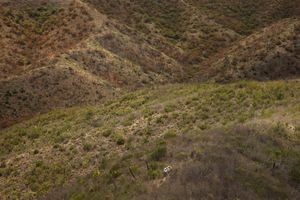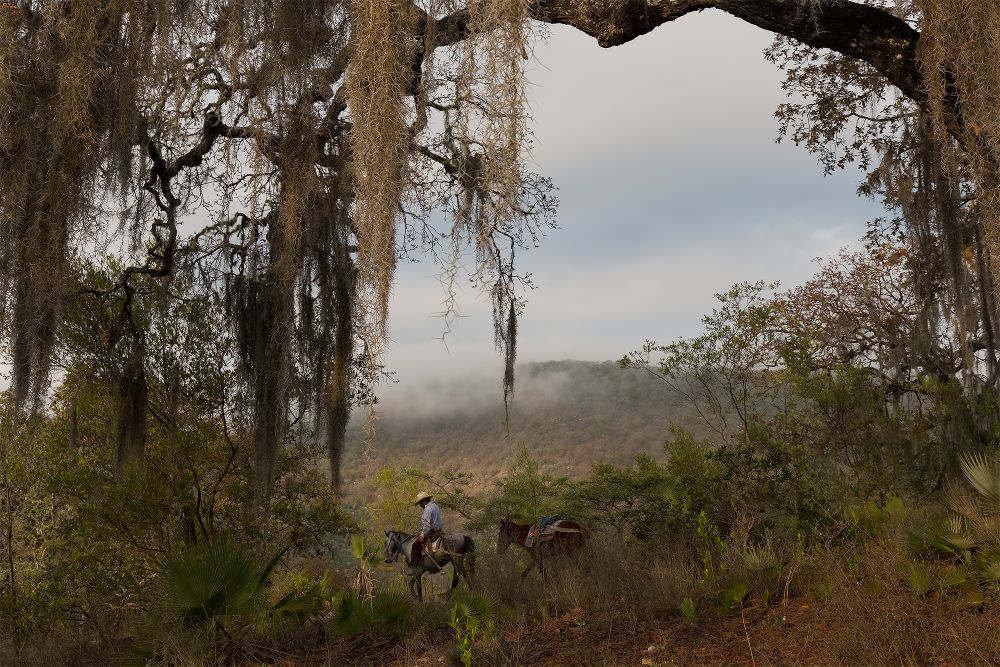
Less than 200 miles outside the bohemoth of Mexico City, in the mountains of Northwestern Oaxaca is the small traditional community of Santa Maria Ixcatlán. The terrain in which this quiet town sits, is the homeland of the last remaining speakers of Ixcateco, the local indigenous language. In this pueblo of a few dozen families is another vestige of an era before the age of globalization, and also with precolumbian roots. Ixcatlan is home to a number of families who make and sell the traditional spirit, mezcal.
Mezcal is tequila’s older cousin. Tequila is technically a form of mezcal. A raising star in the world of spirits, mezcal is distilled from a variety of agave species, many of which are not cultivated but grow wild in the arid hills of Mexico. The nature of mezcal, and part of its appeal, is that it is produced on a small scale, by artisans, using age-old materials and techniques.
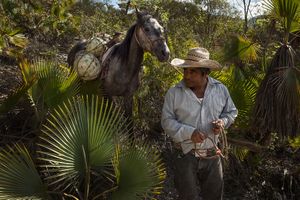
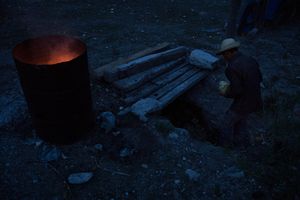
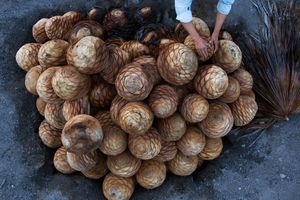
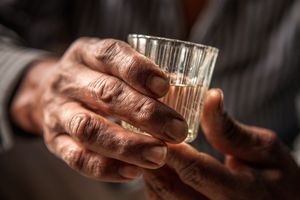
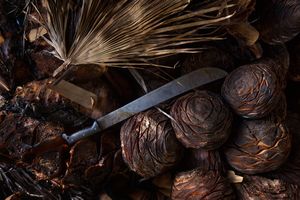
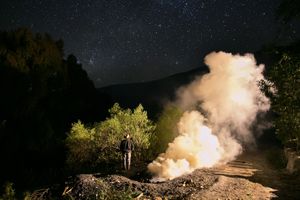
In 2013, I began photographing one of the families of “mezcaleros” in Ixcatlan. The maestro mezcalero, and head of the family, is Amando Alvarado Jiménez. He has been harvesting the hearts, or “piñas,” of Agave Papalomé in the hills around his village for decades. His son, Amandito, has been his apprentice years and is now himself expert in the harvesting and baking of plants, and the fermentation and distillation of mezcal.