Mono Edge
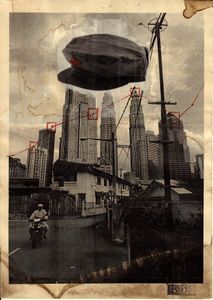
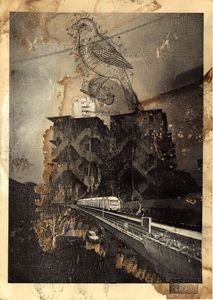
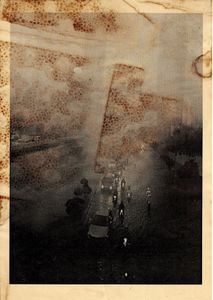
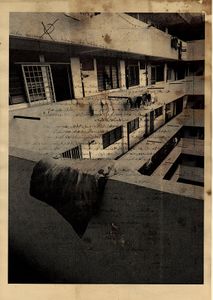
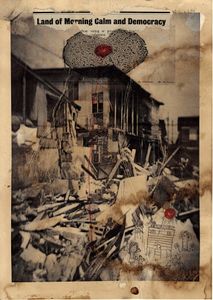
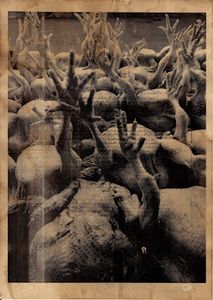
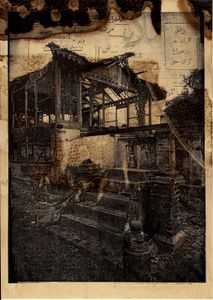
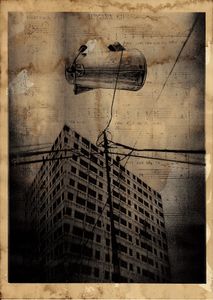
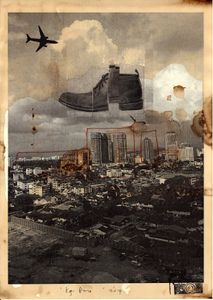
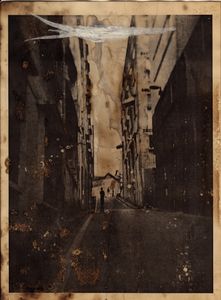
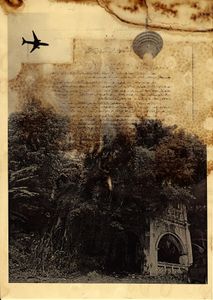
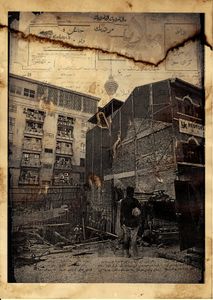
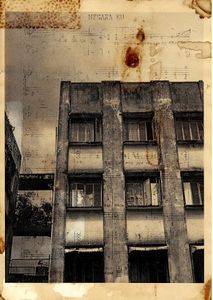
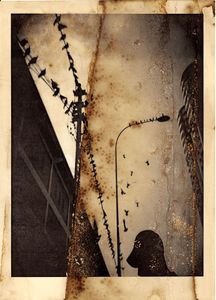
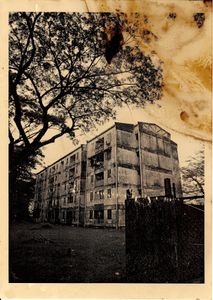
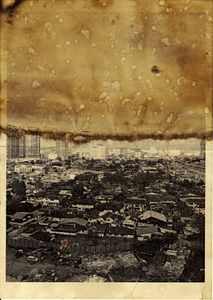
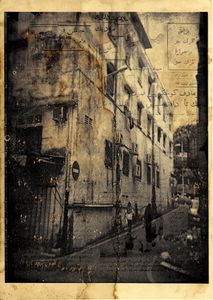
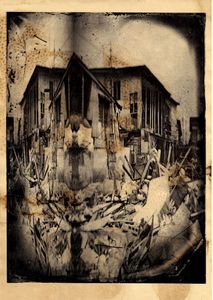
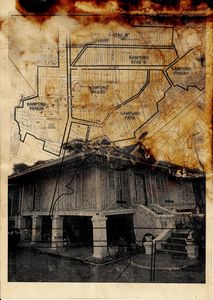
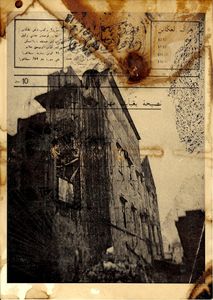
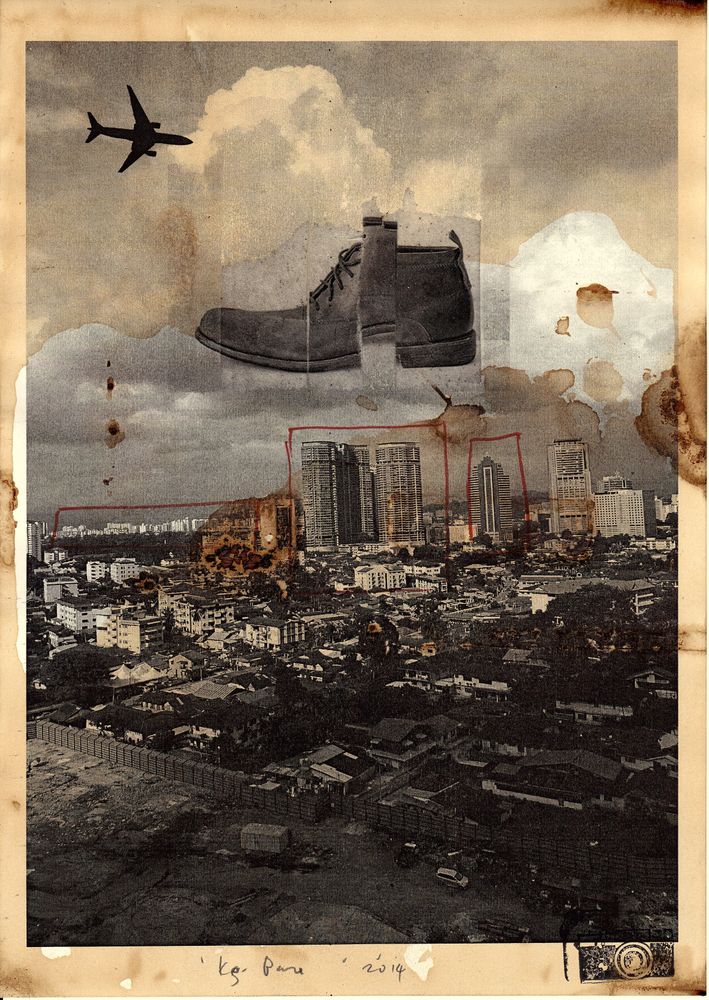
Mono Edge . This is where humankind and nature collide; as does myth with history; the ruinous aftereffects of colonialism with the supposedly retrograde aspects of our mist-soaked tribal impulses; wildness with imprisonment; ancestral collective memory with postmodern anonymous alienation; clouds with concrete; mystery with certainty. I shape my vision in a transcendent one, consisting of the more elegant aspects of chaos, order, time and space, perspective, impression, projection, juxtaposition, orientation, frames within frames, structure, morphology, atmosphere, aura and, simply, appearance, with its random associations. I try to present artifacts and objects as evidence (seemingly random at first glance and trapped in those layers of imagery that inevitably merge, though they supersede one another), or as ghostly traces that seem to have floated upward of their own accord from the lucid depths of the oracle photographer’s developing tray. More than serving up a one-dimensional intellectual game or rationalized grid on which to hang arguments or logical summations, my juxtaposed images seduce and play with our mental processes, hint at something more, draw us close, then cut us loose again as we seek to create some linear conclusion about their potential meanings. And the meanings—the stories—are there, as they are in any well-composed piece of music or poetry. And as with any element of or character in a story, each reader interprets his or her own slightly angled version, as though through a reflection in a private mirror in which perceptions share equal weight and position beside the light that belongs to us all. However, the light glances away quickly from any hierarchy, leaving only faint or bold impressions in our ruffled minds. I think these are locations that will be sacrificed to modernization and urban development. Their absolute monumental figurations will later be demolished, forgotten and, as though they are already crying, ultimately lost within their plight of marginalization. “Personally, their monotonous echoes continue to signal to me that I should document these specimens for future generations.” If the viewer allows him- or herself to fully engage with the work (not by seizing, but by easing into, them), one discovers what the artist has already found and now knows well… that space between the subliminal and the illuminated, between silence and sound, between objects and the objectified, similar to the surreal but beyond it in psychological scope, where art and science merge their various uses into a whole, as do function and form, the elegant and the earthbound, the rooted and the fluid. Here time is defied; presence is all. At certain moments my palimpsests and collages oscillate, flap and quiver on the transparent scaffolds of structure and order, at other moments, of metaphor and symbol, still at another, on a framework of simple objects and perspectives, in aerial views, or suspended between the rigid delineations of urban planning drawings. One seems always to be caught unawares. And yet, these components flow together, beyond and around the gridlock of historical limitations set up by our postmodern regressions to a place where myth, intuition, and empathy hold sway, but also in sync with the historical record. ( Not so incidentally, “Kuala Lumpur” means “muddy confluence.”) “I was exposed early to the daily struggles of life in the city. The disparity between the lives of the rich, the middle class and the poor is more amplified here than anywhere else in our country.” A onetime mining prospectors’ settlement at the confluence of the Sungai Gombak and Sungai Klang on the Peninsular Malaysia, Kuala Lumpur is now an alpha world city and, though situated in a tropical rainforest environment, has become the financial and economic center of Malaysia. Mone Edge
No categories selected
Photos (20)