The Invisible History of America
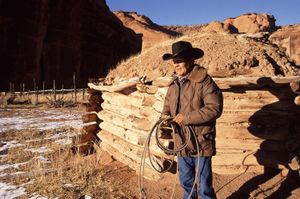
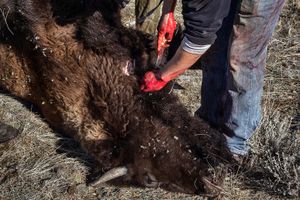
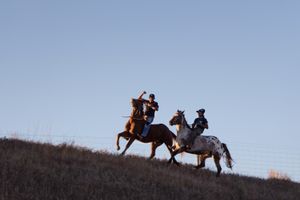
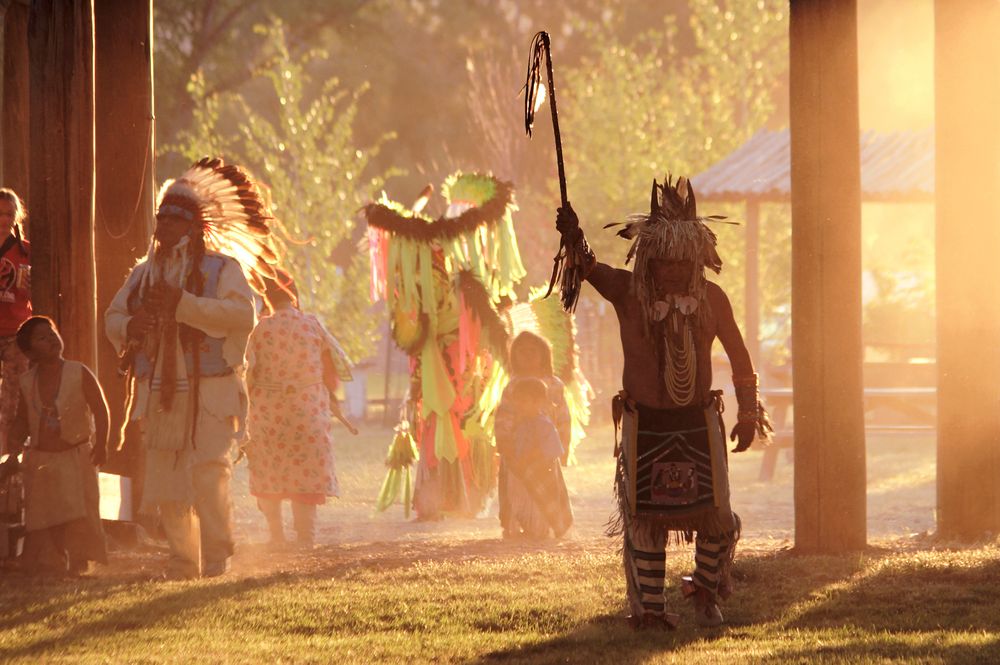
Thousands of years worth of history, knowledge, culture, and human identity have disappeared from the Western Hemisphere, wiped from the faces of two continents forever. Relatively little remains of the vast myriad of indigenous cultures that once populated the lands of North and South America. Those who've survived have done so embattled, their communities devastated by war, displacement, trauma, and disease. Most of the damage to indigenous people and cultures can be traced to one driving force of Western Civilization: resource extraction. The first resource extracted from indigenous Americans was gold. When the (extinct) Arawak ran out of gold to bring Christopher Columbus, he turned to the people themselves as the resource, garnering the majority of his profits by selling them as slaves. This set the tone for dealings with indigenous cultures by the captains of industry who were to be the real conquerors of the "New World". There are countless cases throughout history of tribal peoples being dislocated, abused, and even killed by resource industries and the government policies that support them. Homelands have been lain to waste. Subsistence cultures and the societies tied to them have disappeared along with traditional food sources and even potable water. For centuries indigenous people have paid the major share of the cost of civilization's insatiable appetite for land and resources. Yet, in most cases, they've received little to none of the profit or benefit from those resources. Often they’ve been forced to give them away to survive wars and modern economies. Or, to embrace extraction industries as a sole source of capital after traditional territory and means of subsistence has been taken from them. This series begins by illustrating some of the culture and values that indigenous people are fighting to protect, and concludes with images from the protests at Standing Rock. These are samples from various stories I have covered in Indian Country over the years as an indigenous journalist.
No categories selected
Photos (10)