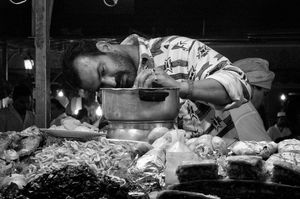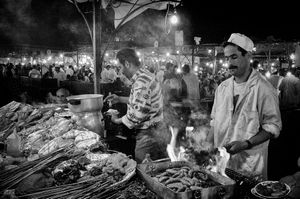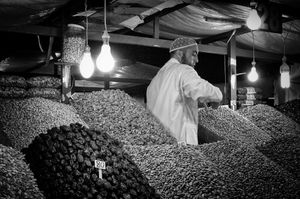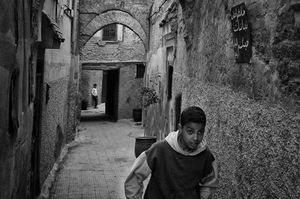

Country of the sons of Kush
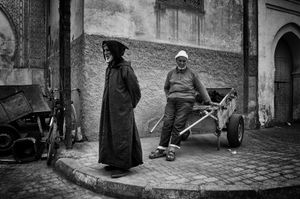
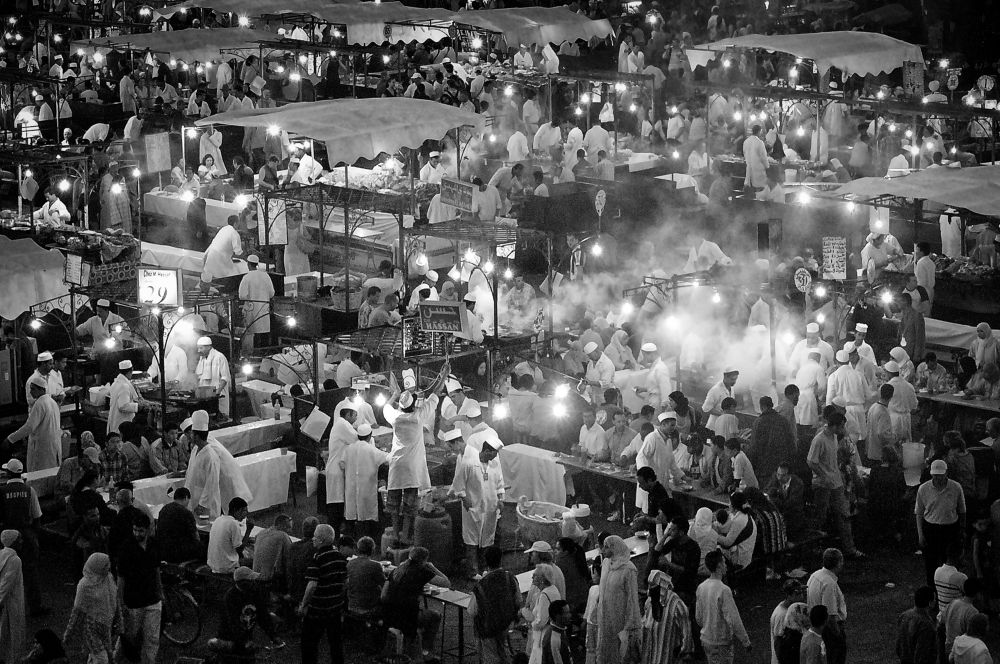
Since the independence of Morocco, in 1956, Marrakesh has thrived as a tourist destination and during the 1960s and early 1970s it became an essential destination on the "hippie trail". The city's bohemian lifestyle attracted western rock stars and musicians, artists, film directors and actors, models, and fashion divas, leading tourism revenues to double in Morocco between 1965 and 1970. In 1985, UNESCO declared the old town area of Marrakesh a UNESCO World Heritage Site, raising international awareness of the cultural heritage of the city. This didn't halt the tide of tourism - a tide that threatens to erode the historic character of this ancient city. Today, if the visitor is prepared to break away from the massed crowds of tourists, the life of the Berber city of Marrakesh can still be seen ... beating to a pace that has remained essentially the same for almost a thousand years. A note on the title of this series: According to travel historian Susan Searight (in ‘Maverick Guide to Morocco’, 1999, p.378) the name 'Marrakesh' was first documented in an 11th century manuscript in the Qarawiyyin library in Fez, where its meaning was cited as the "country of the sons of Kush." Although Searight does not identify the manuscript, and subsequent researchers have been unable to locate or verify the source, this suggested but unsubstantiated etymology of the name ‘Marrakesh’ provides the evocative title of this series of photographs.
No categories selected
Photos (10)