
Majuli: The Vanishing Island
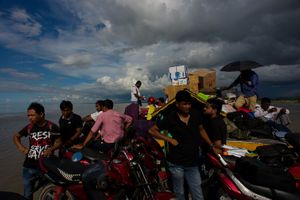
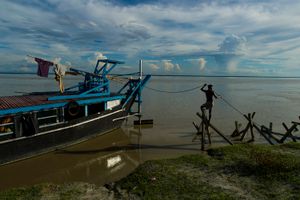
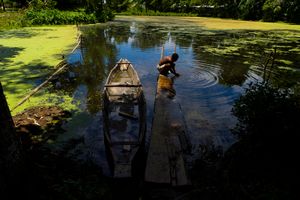
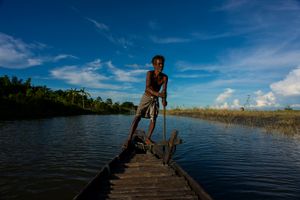
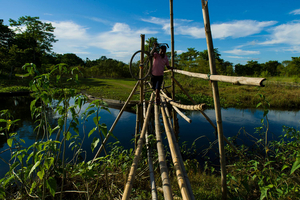
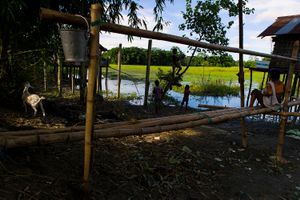
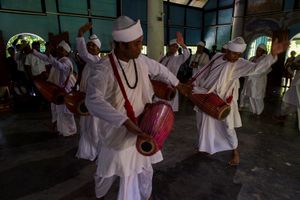
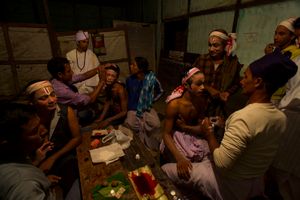
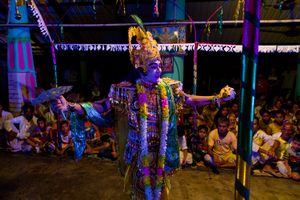
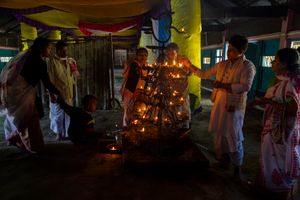
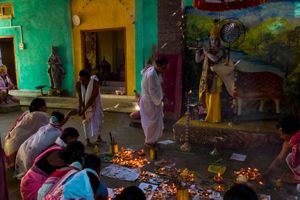
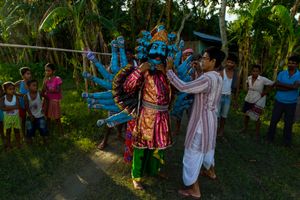
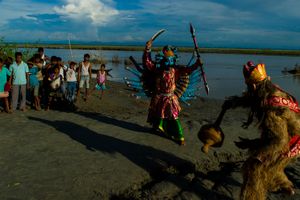
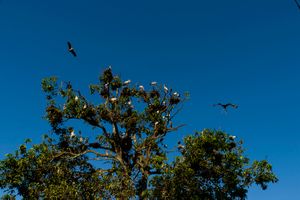
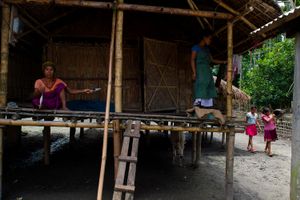
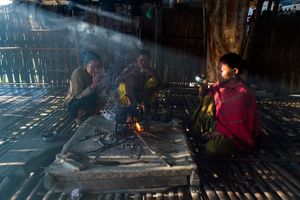
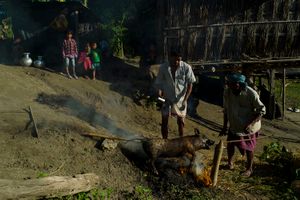
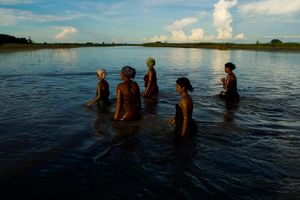
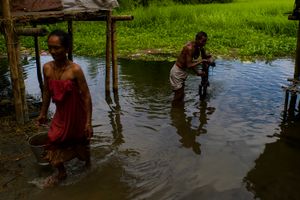
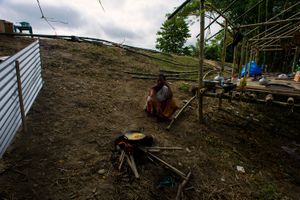
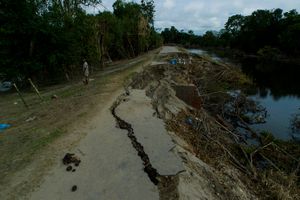
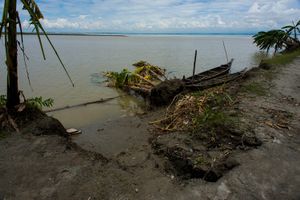
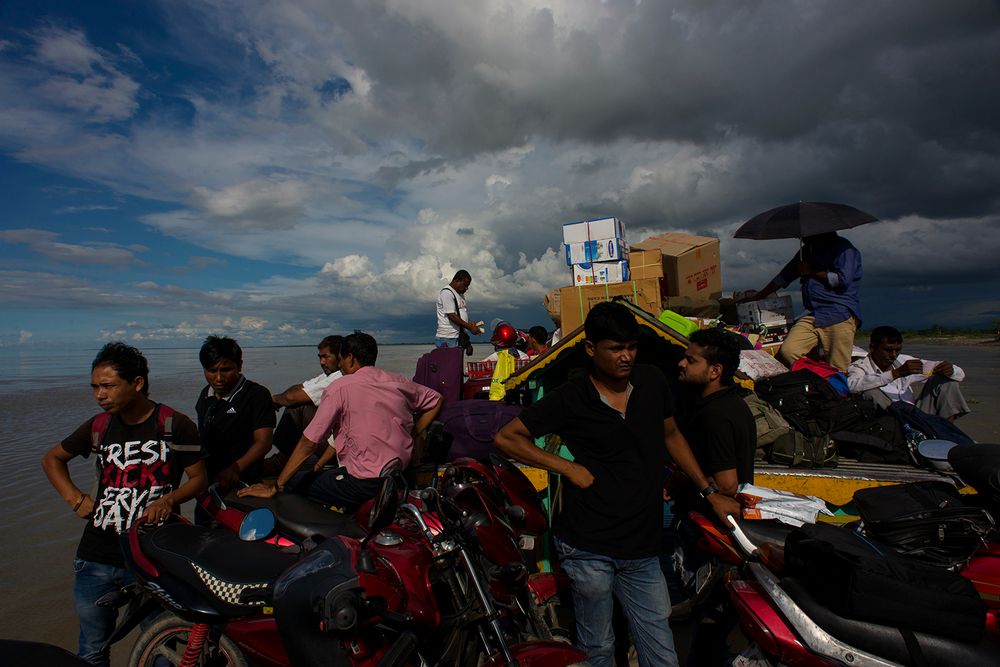
Majuli is the largest river island in the world situated in the upper reaches of the river Brahmaputra in Assam in India. With a population of 1.6 lakh, majority being tribals, Majuli has a rich heritage of neo-Vashnavite culture since the 16th century when Srimanta Sankardeva preached a monotheist form of Hinduism and founded satras (monasteries). Being a wetland, the island is also bio-diversity hotspot and plays an important role from the ecological point of view. However, Majuli is under constant threat due to flooding and the extensive soil erosion on its banks. The island has already lost almost 35% of its landmass since the beginning of the 20th century when it had an area of about 1,250 square kilometers. Recent surveys predict that within another 20 years, with the current rate of erosion, Majuli will cease to exist. Majuli, in fact, exemplifies the quintessential nature of flux in the world where the fate of human civilization changes as a result of its confrontation with an ever-changing environment. My project documents this tragedy. Majuli, pulsating with life and culture, invariably puts up a valiant fight against the overwhelming forces of nature but not without the awareness that it cannot perhaps avoid the fate of extinction.
No categories selected
Photos (30)