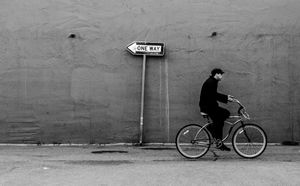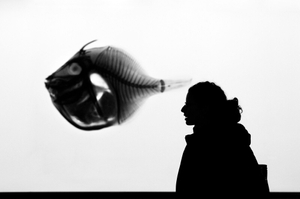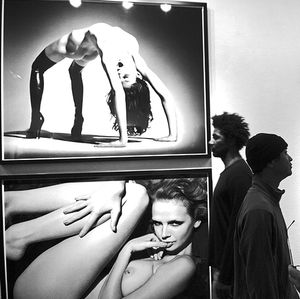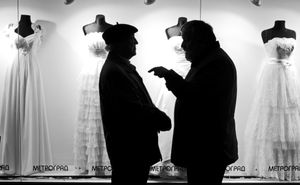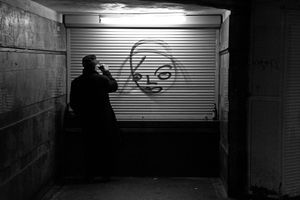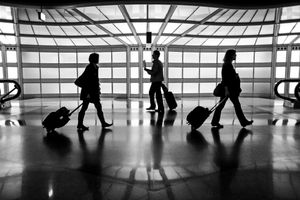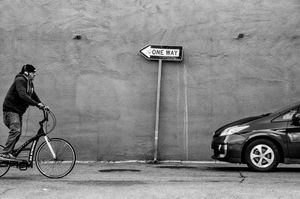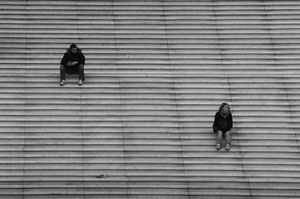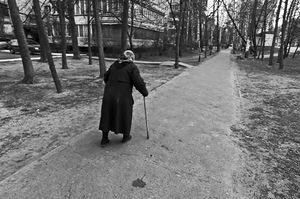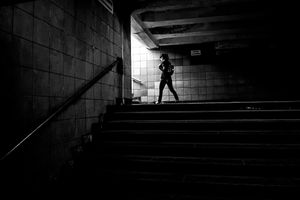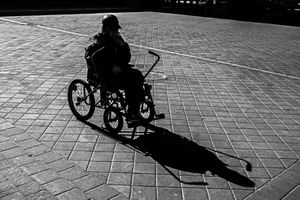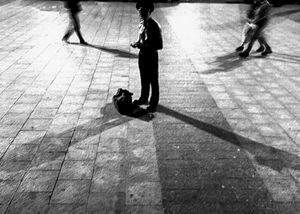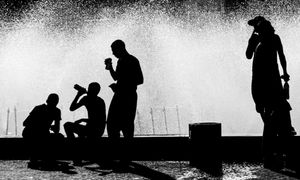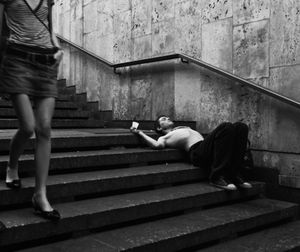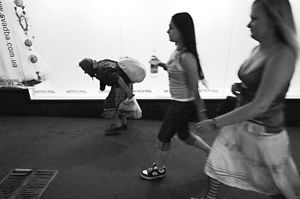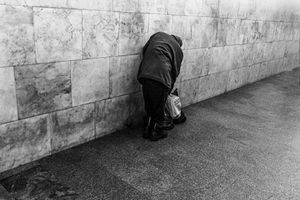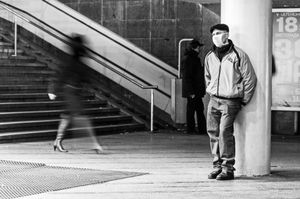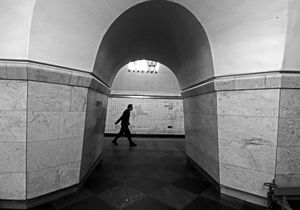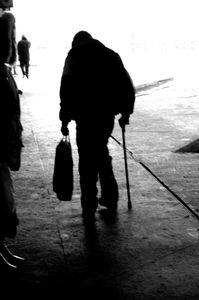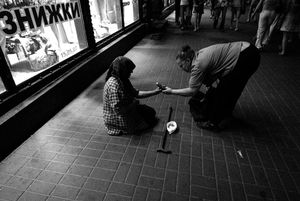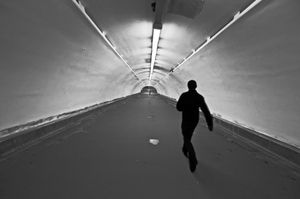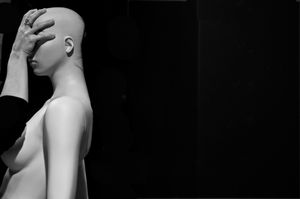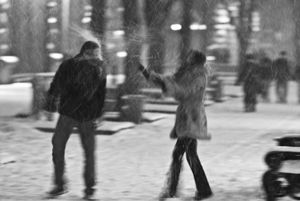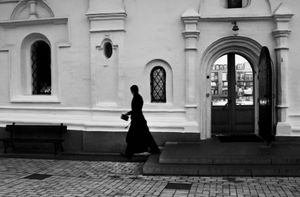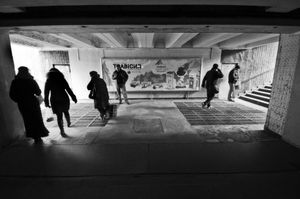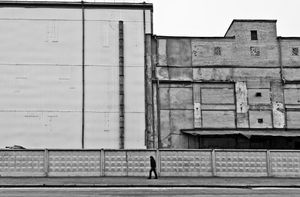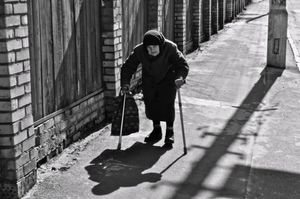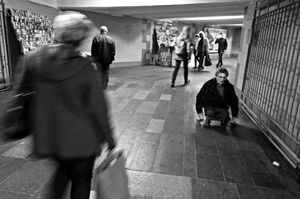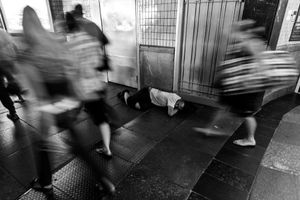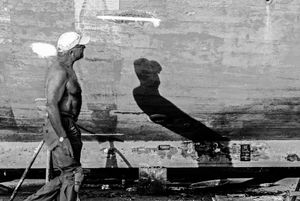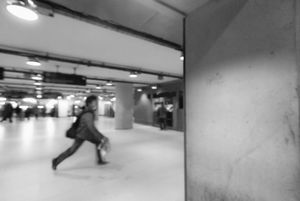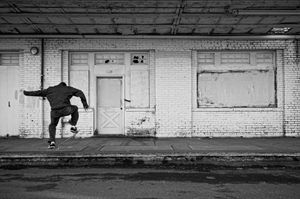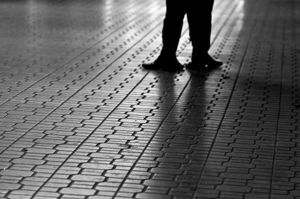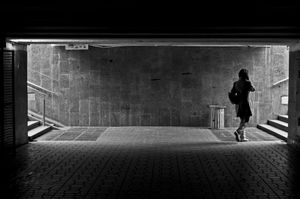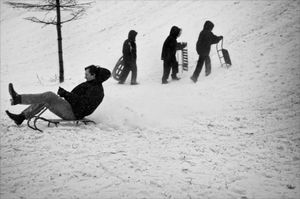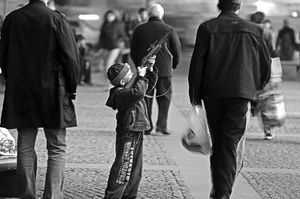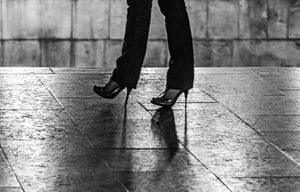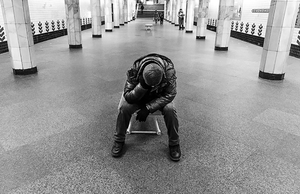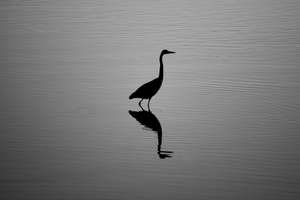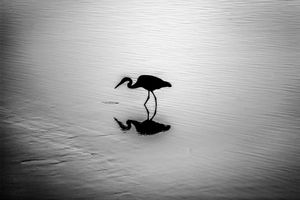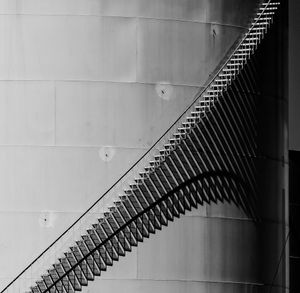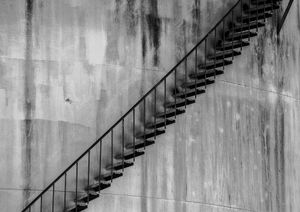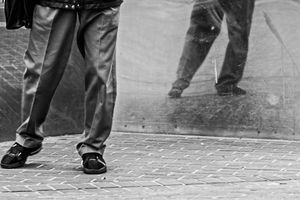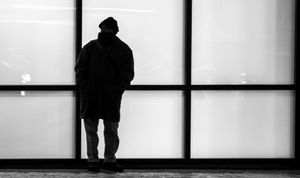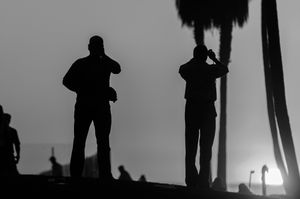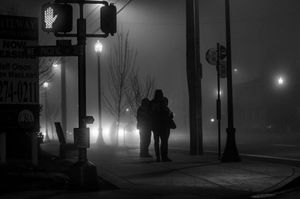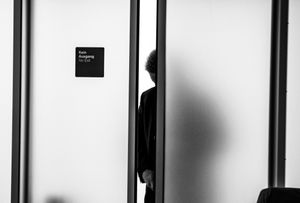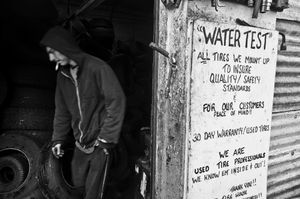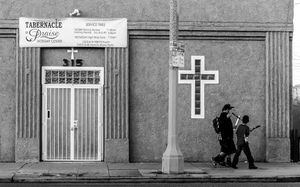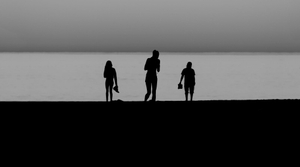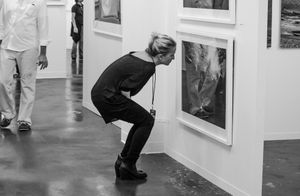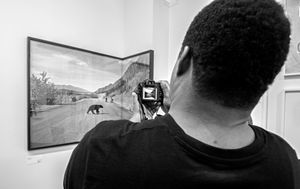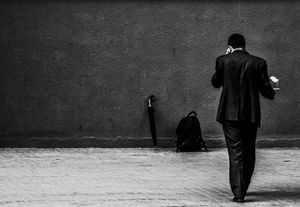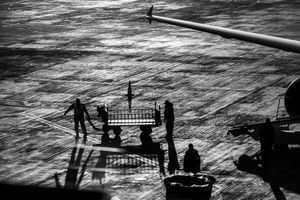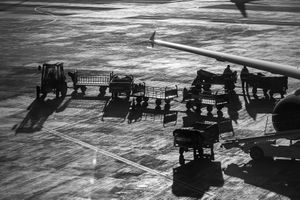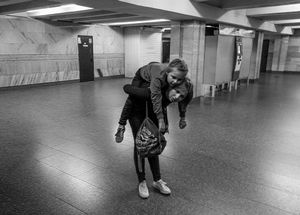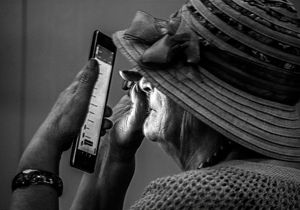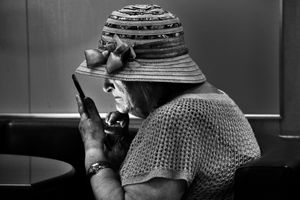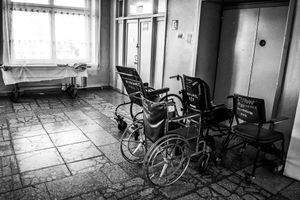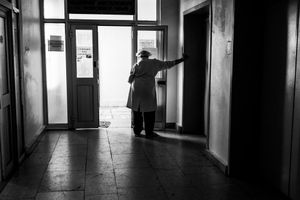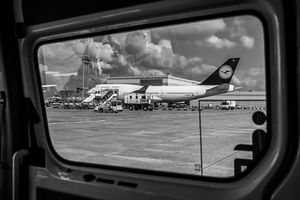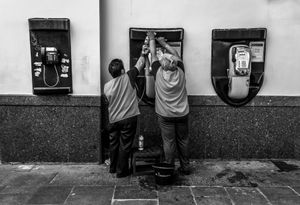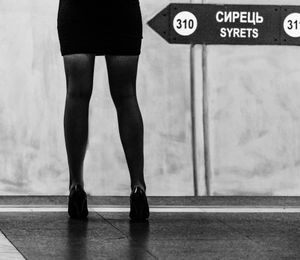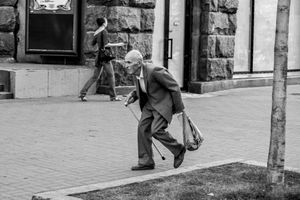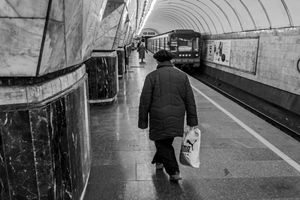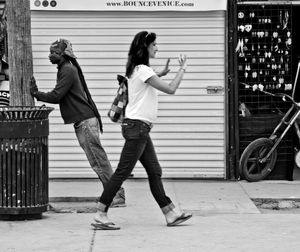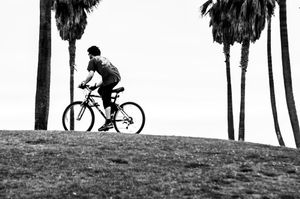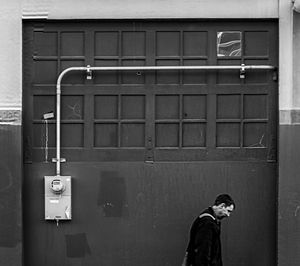
John Crosley 'Silhouettes' (Full and Partial)' ©1968- 2018
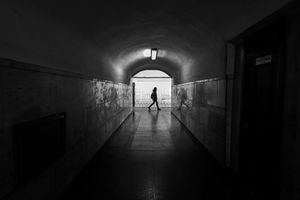
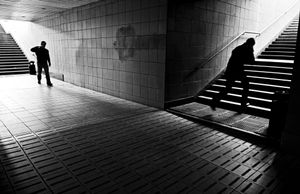
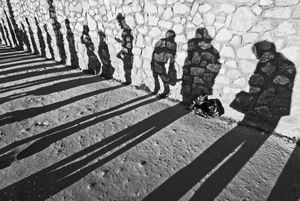
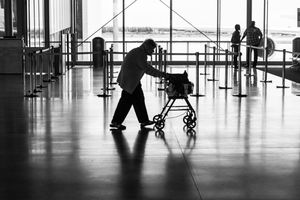
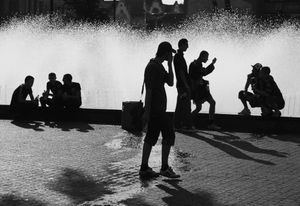
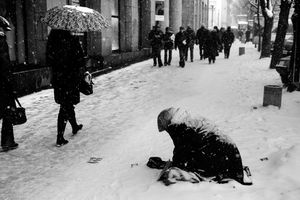
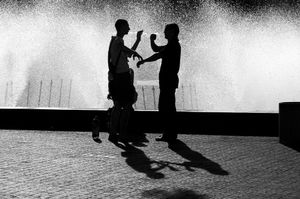
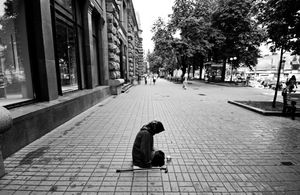
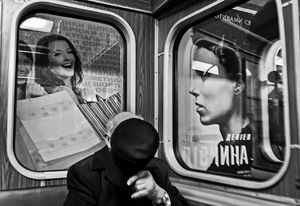
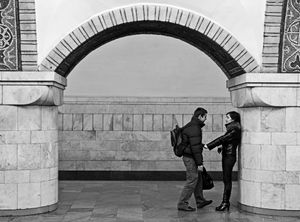
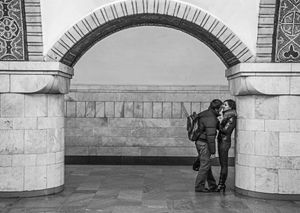
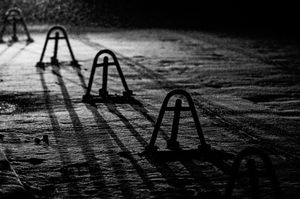
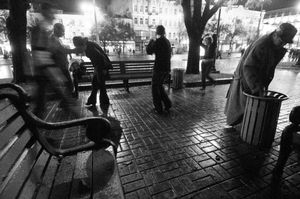
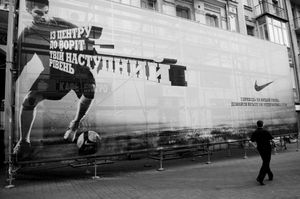
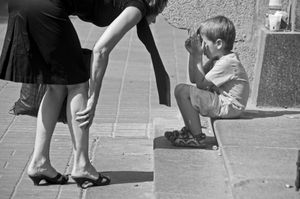
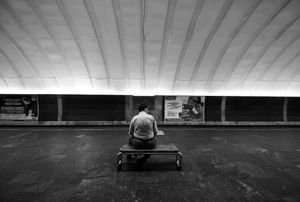
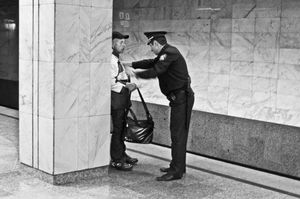
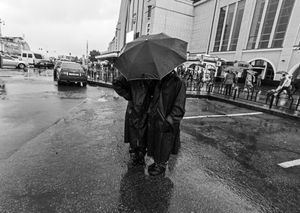
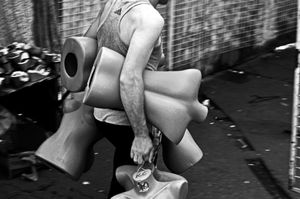
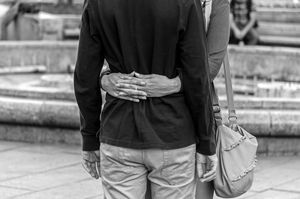
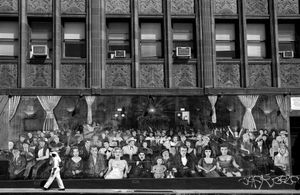
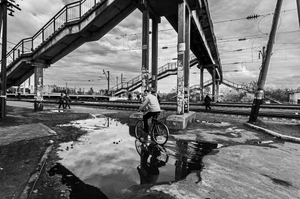
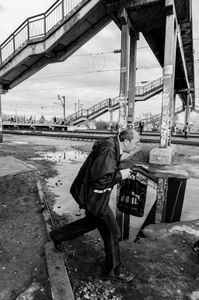
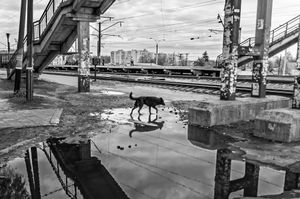
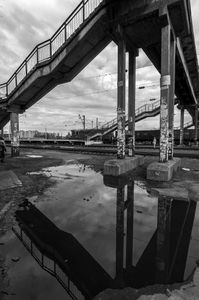
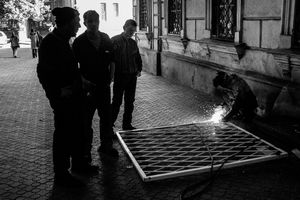
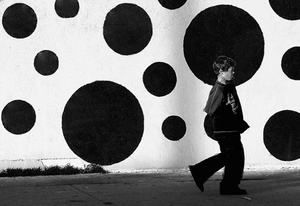
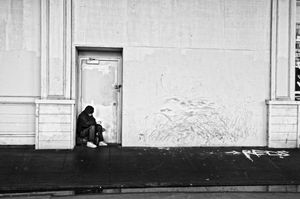
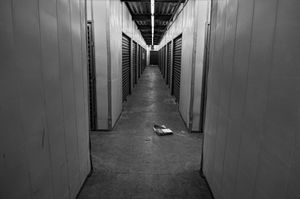
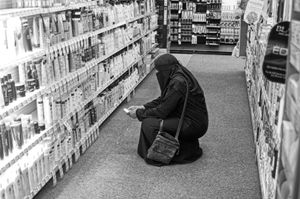
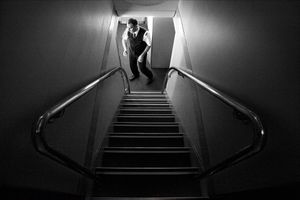
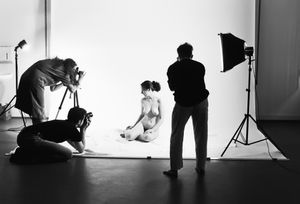
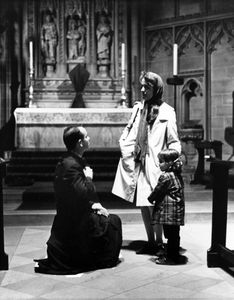
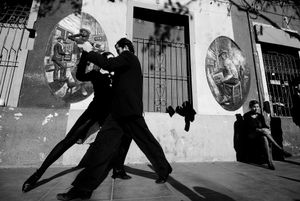
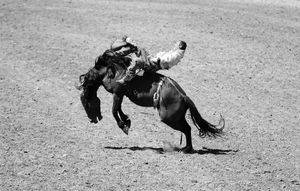
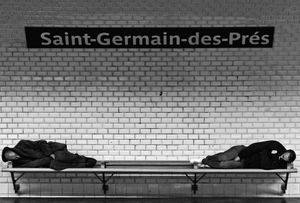
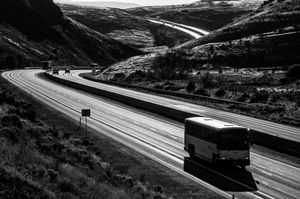
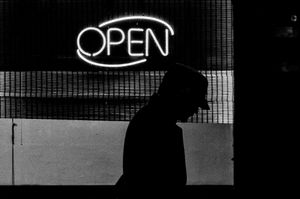
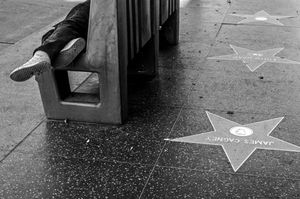
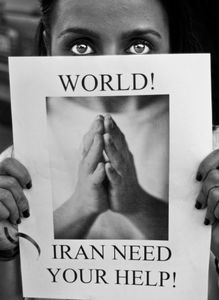
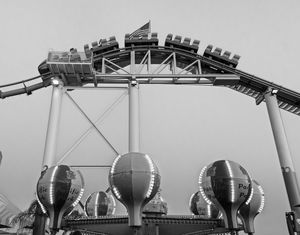
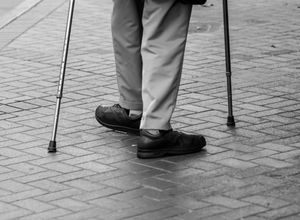
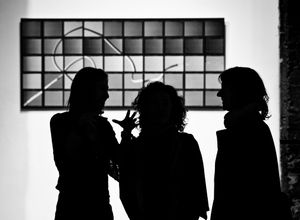
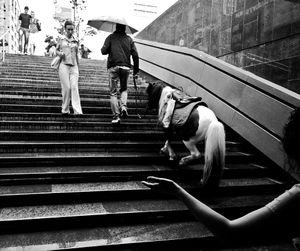
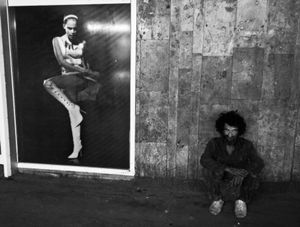
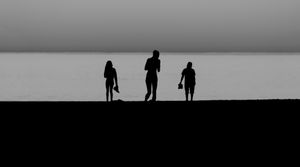
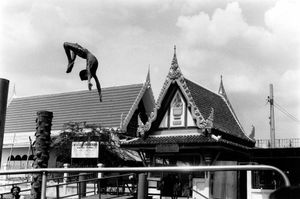
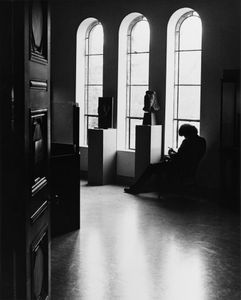
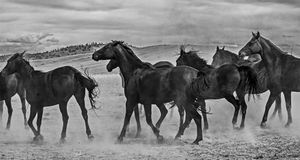
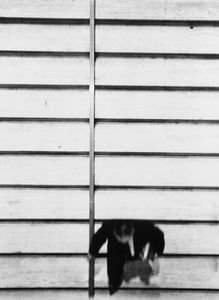
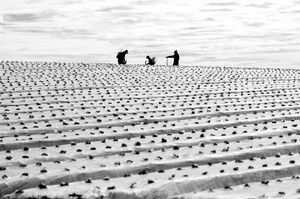
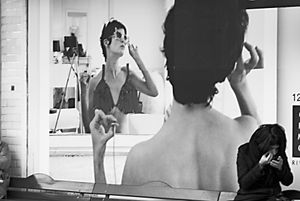
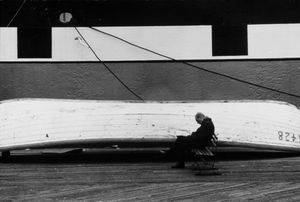
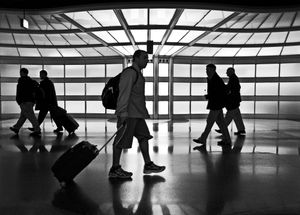
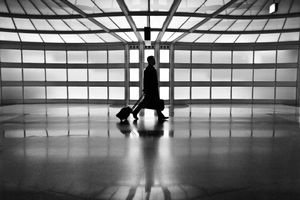
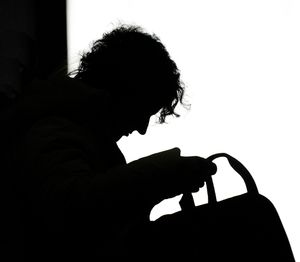
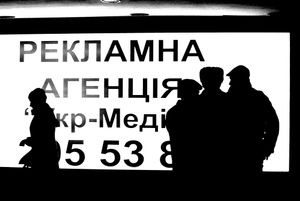
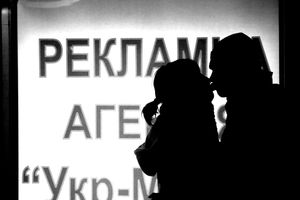
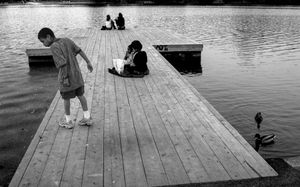
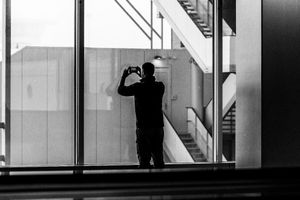
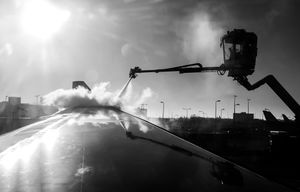
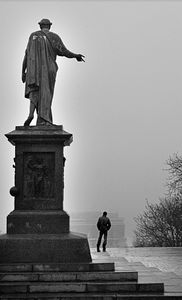
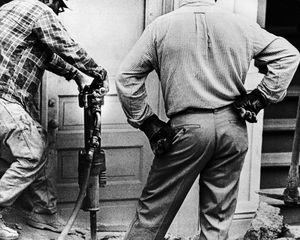
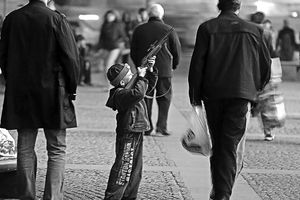
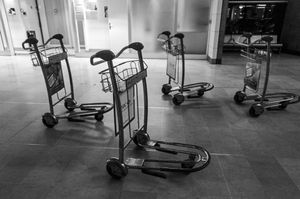
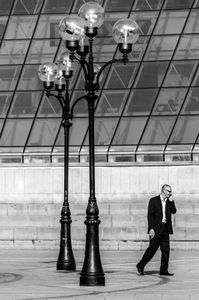
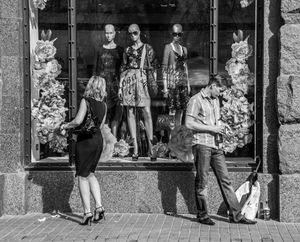
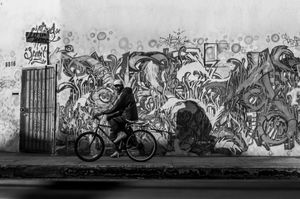
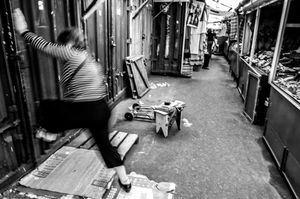
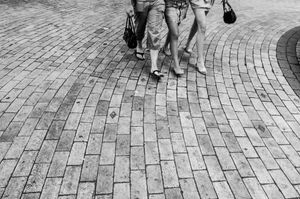
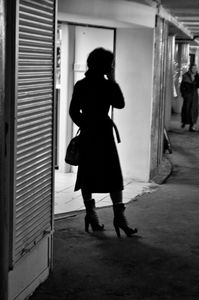
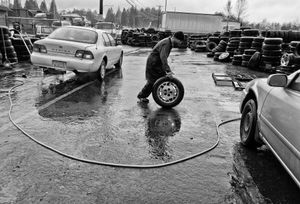
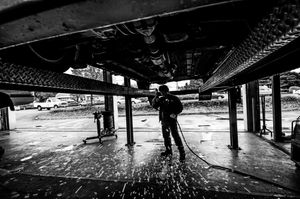
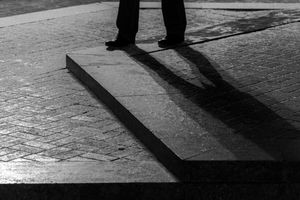
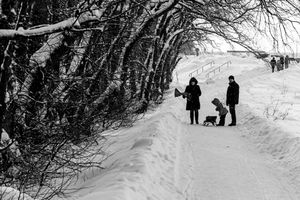
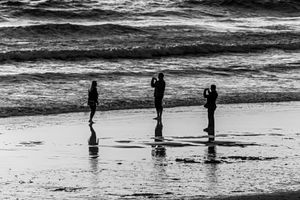
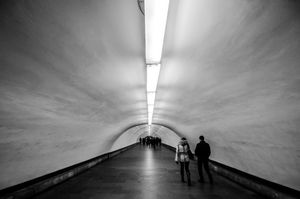
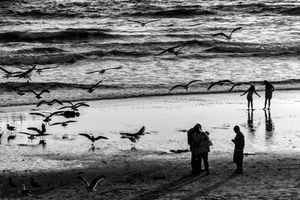
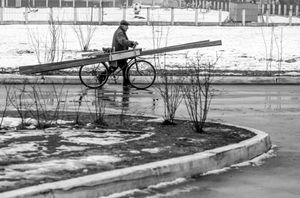
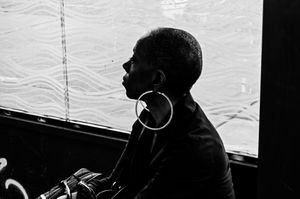
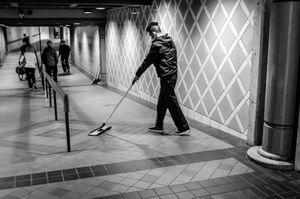
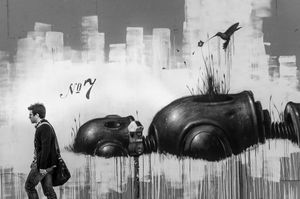
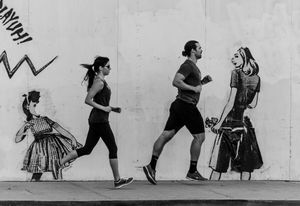
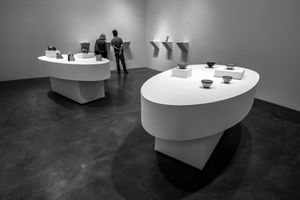
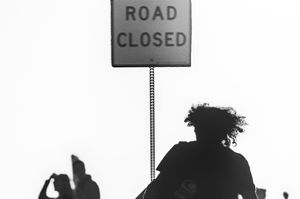
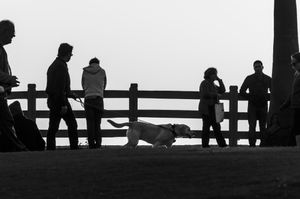
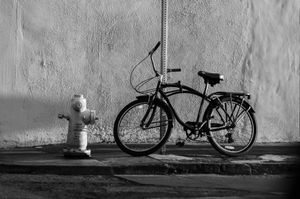
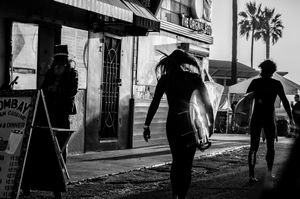
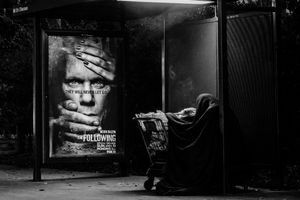
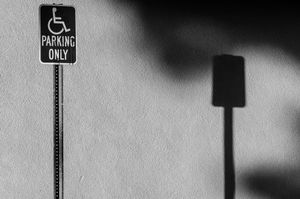
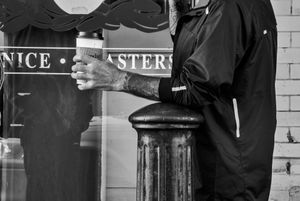
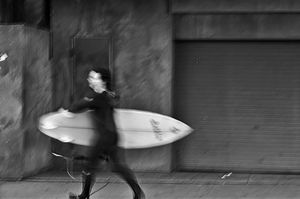
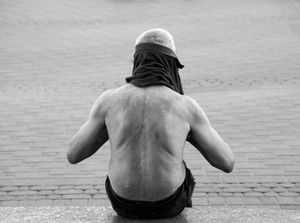
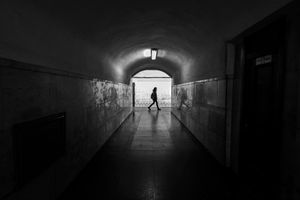
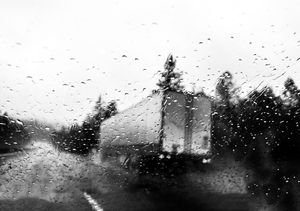
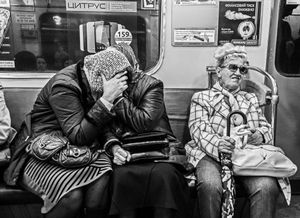
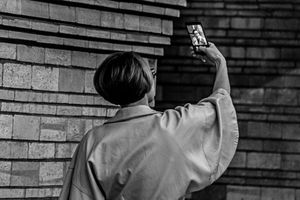
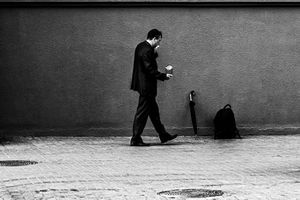
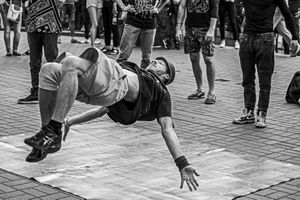
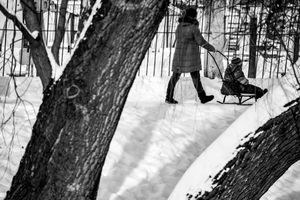
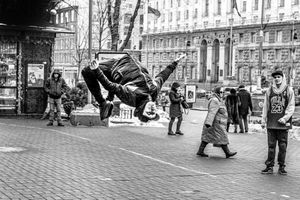
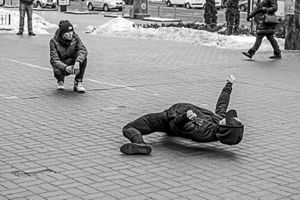
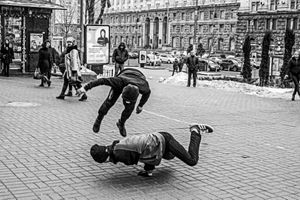
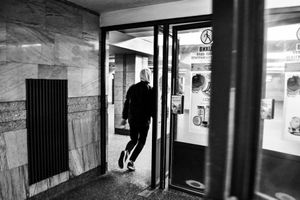
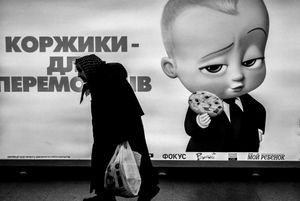
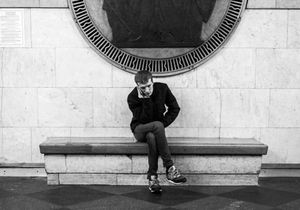
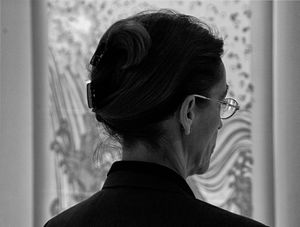
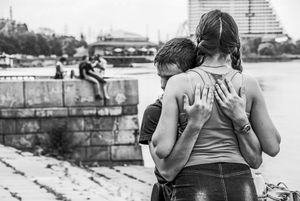
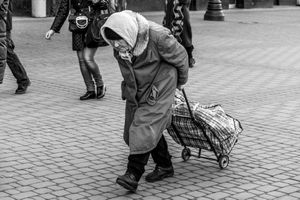
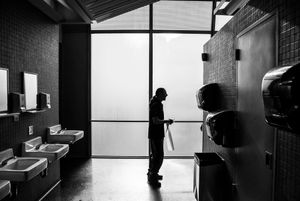
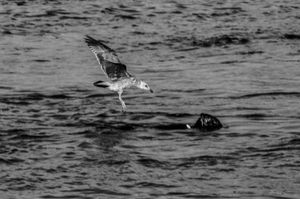
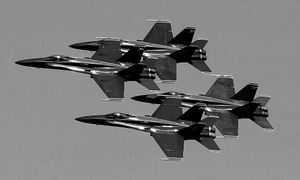
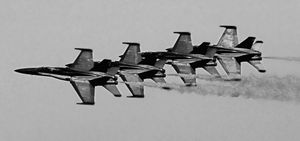
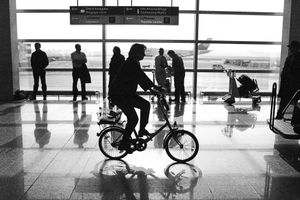
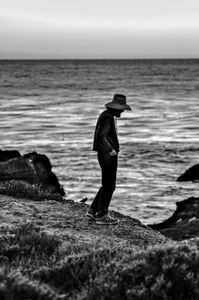
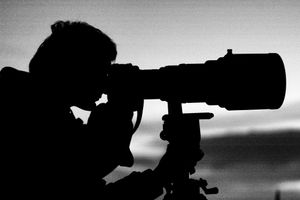
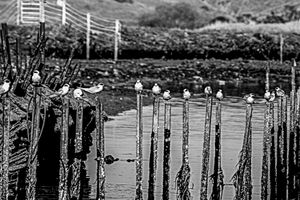
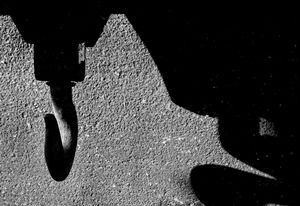
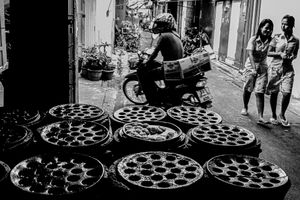
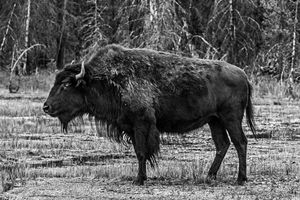
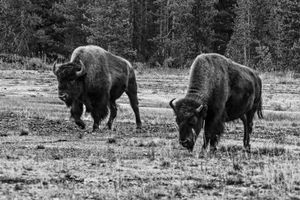
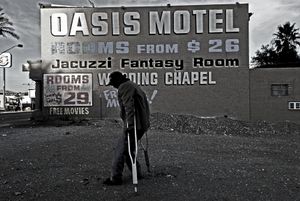
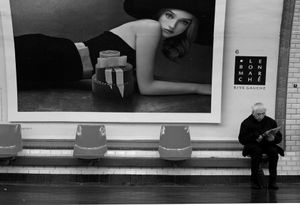
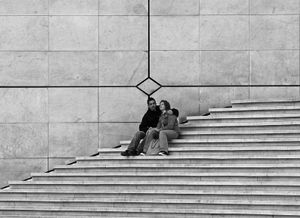
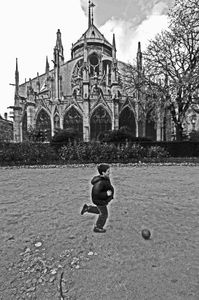
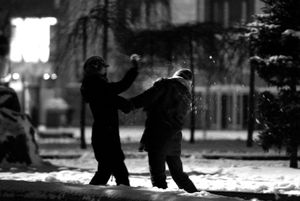
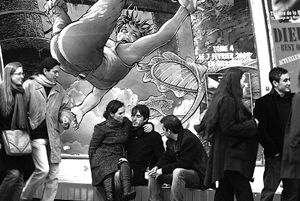
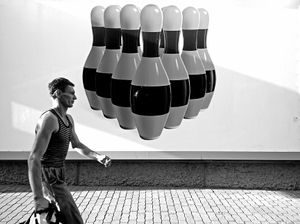
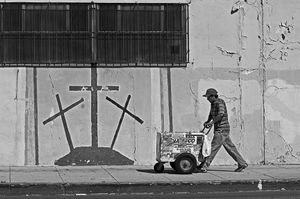
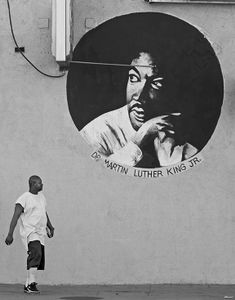
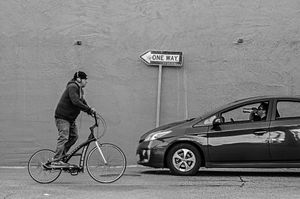
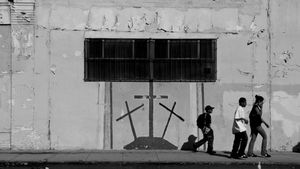
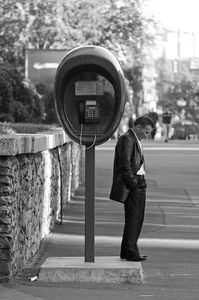
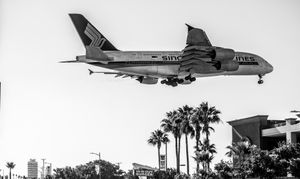
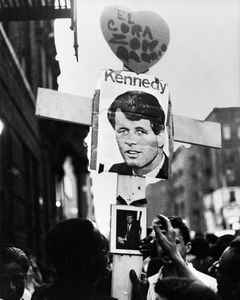
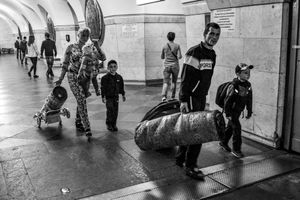
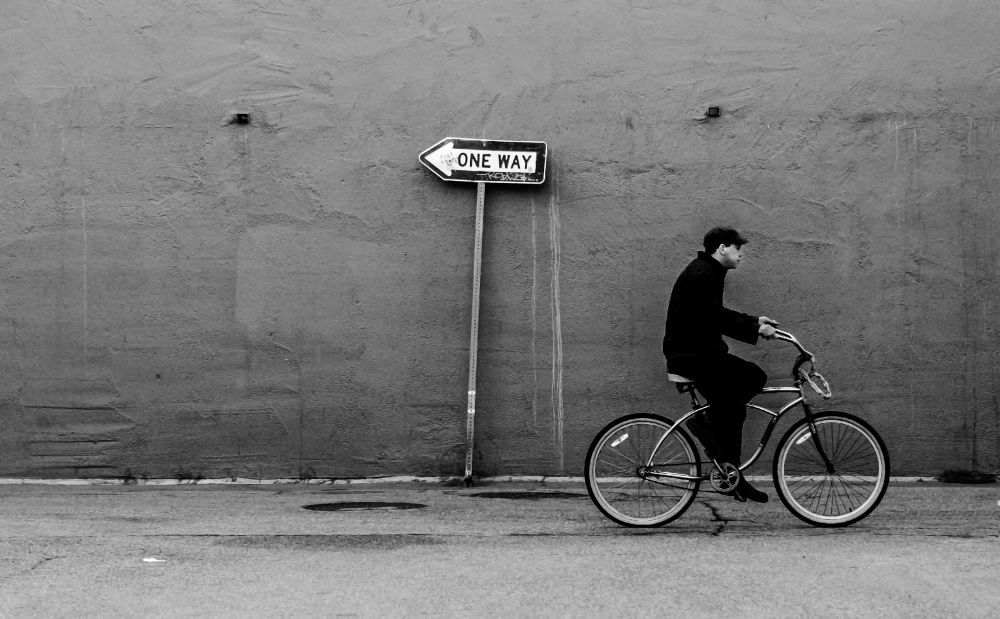
"THIS COLLECTION IS 'UNDER CONSTRUCTION'" August 19, 2017 Silhouettes are an important way for me as photographer to create strong composition in a rather unusual way. Gary Trudeau, 'Doonesbury' cartoonist, once (maybe now still) used the third pane of four in his four-pane weekday cartoons to depict his characters in silhouette. That provided a great break between the other inked panes -- sort of like seeing things in 'reverse video' or some such. It provided reader/viewers a break, distinguished his cartoon from others on the 'comics' page (and comics in general), and illustrated each figure, so Doonesbury readers learned to identify by silhouette each one from the vast pantheon of Doonesbury's vast cast of characters. This is a technique used by civilians and military during World War II, to help distinguish any 'enemy' aircraft, from 'friendly' aircraft, (and it was almost a national obsession then). Silhouette photos may be entirely silhouette or partial silhouette; depending on the need, light and the message sought to be conveyed. Faces may be shown in some, not in others, or one character may be in silhouette and an other(s) may not be. The same with character details. Often the figure becomes dark (black in black and white photos), but there is no such requirement -- a figure may be white surrounded by darkness for a break. Full silhouette photos are excellent devices for working to develop pleasing composition. Absence of detail of the silhouetted figures deprives such a photo of informational detail from the silhouetted figure, and other compositional elements thus must take up the slack, causing greater compositional effort, at least in my own silhouette photos. A photo may be aided by having both meaning and pleasing composition, as Cartier-Bresson taught us. H. C-B's foundational works and the apparent resemblance of style and presentation in my early black and white photographs are what Associated Press informed me helped them make the decision to hire me as a photographer, even though -- because of riots shut down my school (Columbia College, Columbia Univ.) I was then without the degree required of AP photographers and newsmen. Also, A.P:. personnel sent me to meet H C-B, which I did the first day on the job; one staff reporter had worked in China with H C-B and was a long ago friend. He said I must meet his friend 'Henri' and I had no real idea what he meant or who H C-B was. H. C-B's advice to me:: 'Shoot for yourself. At AP you'll be working fires, sports and crime plus head shots and people shaking hands giving plaques. I can't get much work now,' Cartier-Bresson told me, 'because of TV'. This was on the steps of the entry to H C-B's touring retrospective exhibition of a lifetime's work. I had not yet then seen the exhibition, did not know who the heck H.C-B was, but immediately understood the strength of his advice after viewing his work. How I longed to buy one or two of his great photos, but their prices were upwards of $250 apiece, and I could not afford even one. I took H. C-B's advice, and before my first photographic assignment, quit the AP photographer's job they hired me for. However, though I had no journalism training and had never written a story in my life, AP told me I had 'potential' and tried me out as a newsman/writer. From my first day's stories, one went nationwide on front pages; the second day another went International in major news sections worldwide. Sink or swim. I swam. The days of shooting campus riots, then going with cameras to Viet Nam to shoot wartime Viet Nam as a solo, ended. I was a 'writer', then editor, then World Service editor in New York city, after two quick transfers. I was chosen by the General Manager to understudy him take his job when he retired., years hence, and offered a job as an assistant Chief in Rome or Tokyo, or if I wished, a transfer to Washington, D.C., just before Watergate. I was 25. I turned everything down. I quit, turned down an offered job as an editor of 'Business Week', [now 'Bloomberg Business Week'], got four times my AP salary as editor of a business magazine in the retail sector for a year. During that time, I often conferred with and advised Sam Walton on various matters regarding his new chain, Wal-Mart. I was a featured speaker at a retail industry event that filled a major NYC hotel ballroom with up to or over 2,000 attendees who paid over $100 apiece for 'lunch' and to hear me and three others, speak on the future of a segment of the retail industry. I returned to Columbia then to gain my riot-interrupted degree, then went to Silicon Valley to law school for three years, ending with passing the bar and starting a successful Silicon Valley law firm where I toiled as boss for more than about a decade and a half with large success. Retiring at age 40, I traveled, was injured, recuperated somewhat, and 14 years ago began again taking photos in earnest. The result, this folder contains photos, including silhouettes, 40 years ago, to photos taken 'just the other day'. These are just some of the one million plus photos taken in later life, plus my early work. My style and abilities have enlarged substantially but a core 'Crosley Photograph' has not strayed much from photos I took on my first roll of film -- one of which I display proudly even now. john John (Crosley)
No categories selected
Photos (213)