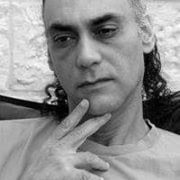
The unrecognized Bedouin villages in the Negev Desert
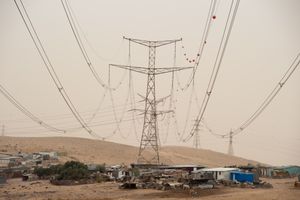
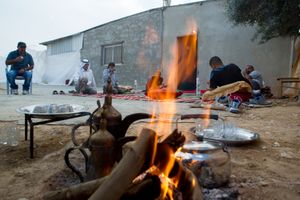
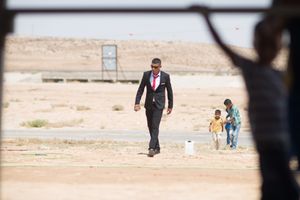
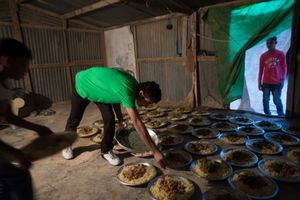
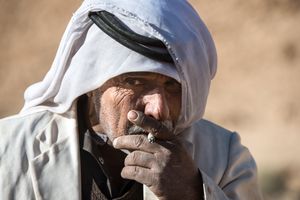
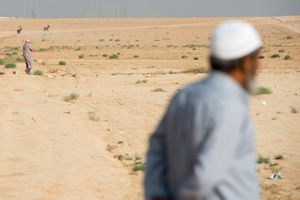
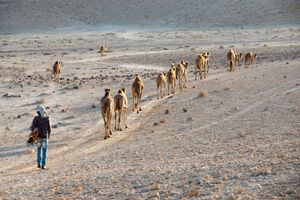
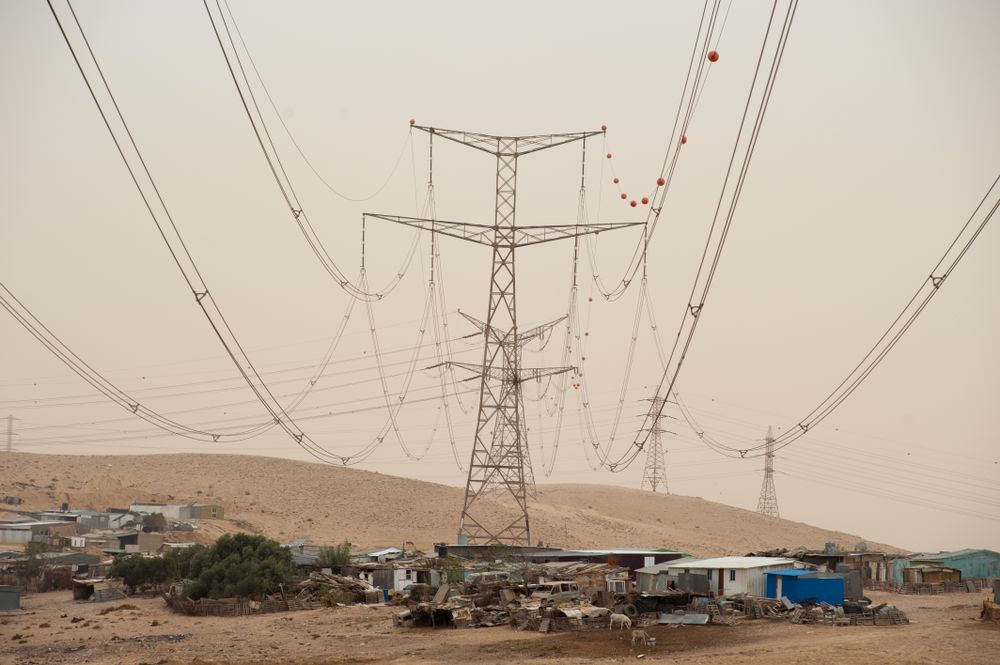
eries of pictures that document cultural expressions, political issues and everyday life in the unrecognized Bedouin villages in the Negev Desert which the Israeli government does not recognize as legal settlements. Approximately half of Bedouin citizens of the Negev live in about 45 such villages. Because they are illegal the villages remain ineligible for municipal services, such as connection to the electrical grid, water mains or trash-pickup. They are often situated adjacent to the High voltage power lines and because of that many of the members of these villages suffer from several diseases like cancer and skin diseases. Negev Bedouin want to preserve their traditional style of life, very close to the land and whit their domestic animals. This lifestyle is always in conflict with the urbanization plans of the government that want to concentrate them in planned urban centers. In the last decade there is a process of Palestinization of the Bedouin society because of their life cond
No categories selected
Photos (8)