Phantom limb Syndrome: Ethnic Koreans in Ukraine
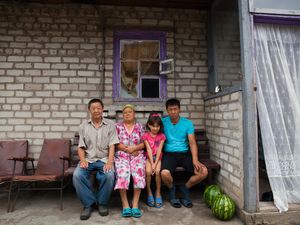
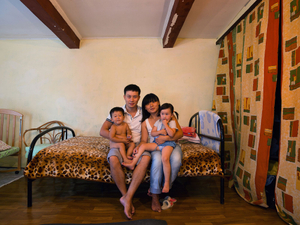
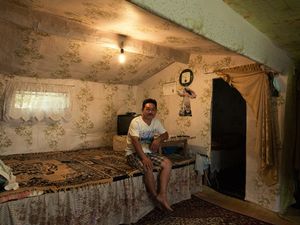
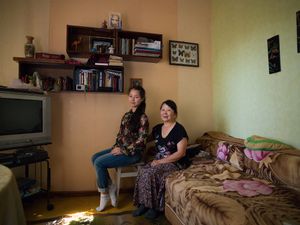
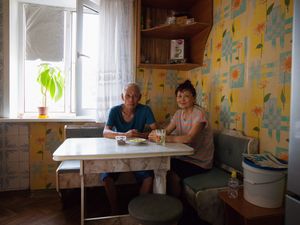
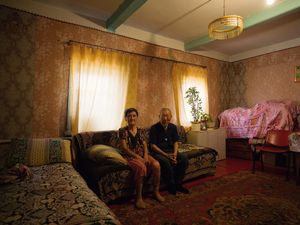
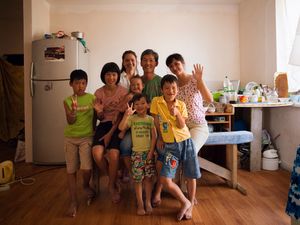
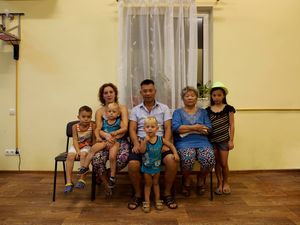
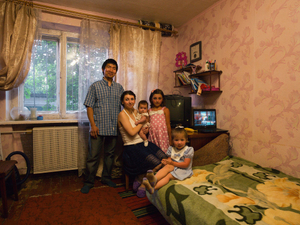
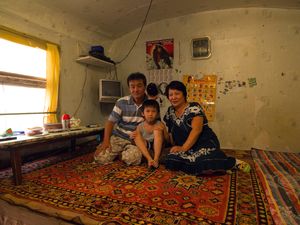
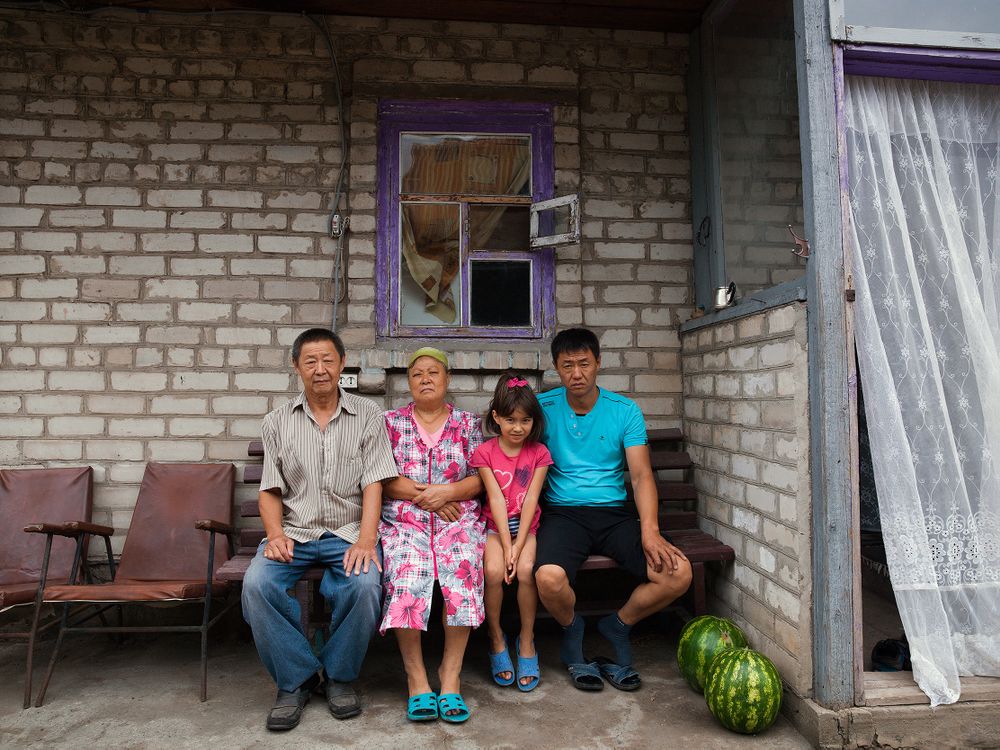
I thought that after the deportation of 1937 (when ethnic Koreans were resettled from the far eastern region of the USSR to Central Asian republics) Koreans live only in Kazakhstan and Uzbekistan, and maybe on Sakhalin. However, when I was taking photographs for my project about Chornobyl in Ukraine in 2015, I found out that there are also many ethnic Koreans living in Ukraine — according to the statistics, about 30,000. With the help of the embassy of the Republic of Korea in Ukraine and the Association of Ethnic Koreans I received information about some of them. I managed to take portraits of 57 families in Kyiv, Dnipro, Kryvyi Rih, Kremenchuk, and smaller towns of Ukraine. I see phantom limb syndrome in how ethnic Koreans identify themselves — it’s like pain in an amputated limb. This pain is mutual: there are almost no ethnic Koreans in Korea now, and ethnic Koreans are not part of the Korean nation anymore. I spent a lot of time thinking about the meaning of a ‘united nation’. I have a hope that if Koreans try thinking about their identity more often, North and South Korea will reunite one day.
No categories selected
Photos (10)