Fragments/Fukushima

Photos (29)

Cover
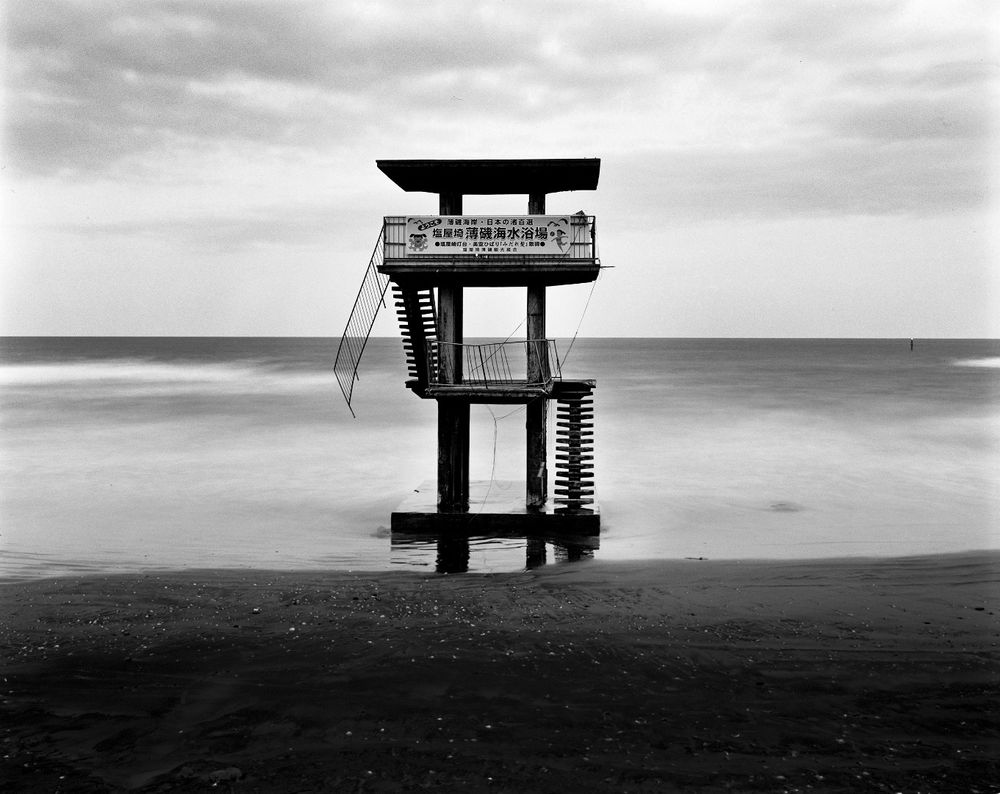
Sea in Iwaki. Normally, people here can swim. The fishermen's society decided not to fish since an examination of the water showed it and the seafood very much contaminated by radioactive substances. One of the chair said "Do not eat any seafood up north from Chiba prefecture". He said some seafood had 14,000 bq/kg contamination level. From the series "Fragments/Fukushima" © Kosuke Okahara
File: Kosuke_01.jpg
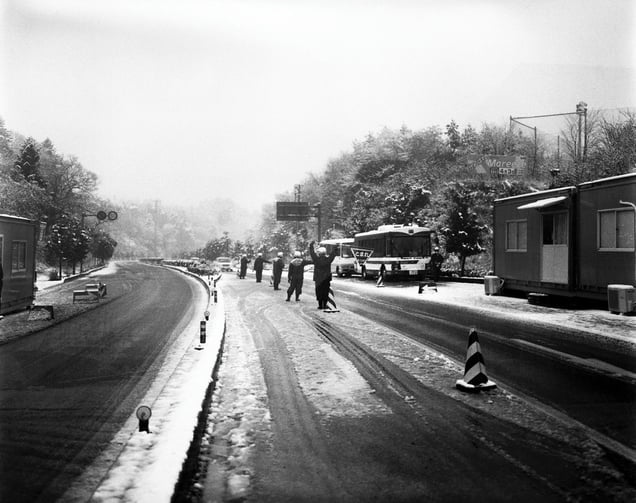
Young police officers work at the checkpoint of 20km exclusion zone near J-village, the frontline for the nuclear workers. From the series "Fragments/Fukushima" © Kosuke Okahara
File: Kosuke_02.jpg
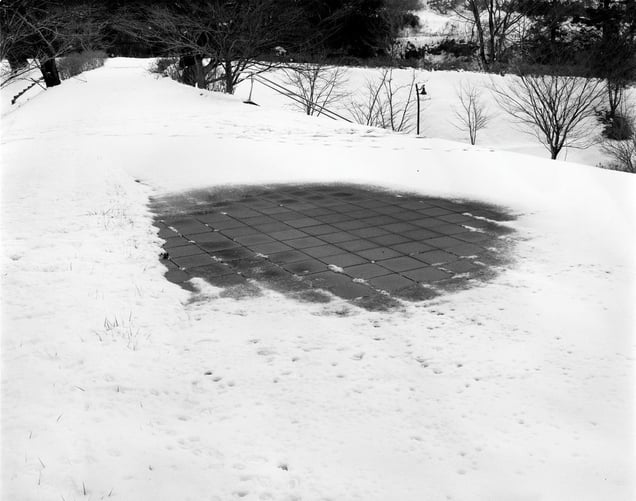
At a park in Fukushima city. The geiger counter of the photographer indicates 1 micro sv per hour. From the series "Fragments/Fukushima" © Kosuke Okahara
File: Kosuke_27.jpg
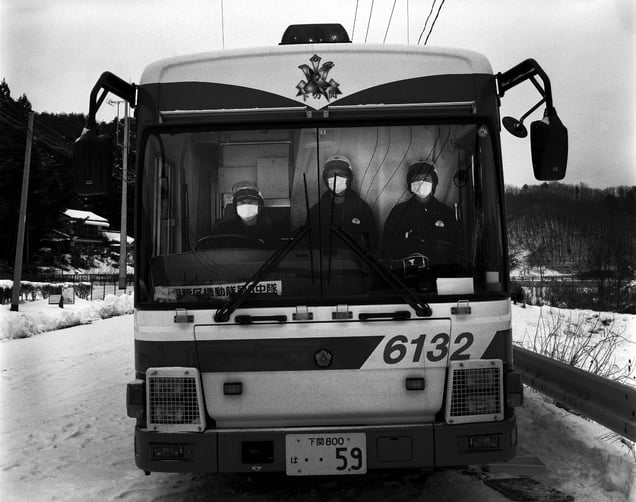
Three police officers at the checkpoint of Tsushima district, 27 km from Fukushima. Normally the exclusion zone is set at 20km, however, due to high level of radiation here, 4-9 micro sv/h, they set the checkpoint further. At most checkpoints, the officers deployed are relatively young, ready for work despite the high level of radiation. From the series "Fragments/Fukushima" © Kosuke Okahara
File: Kosuke_03.jpg
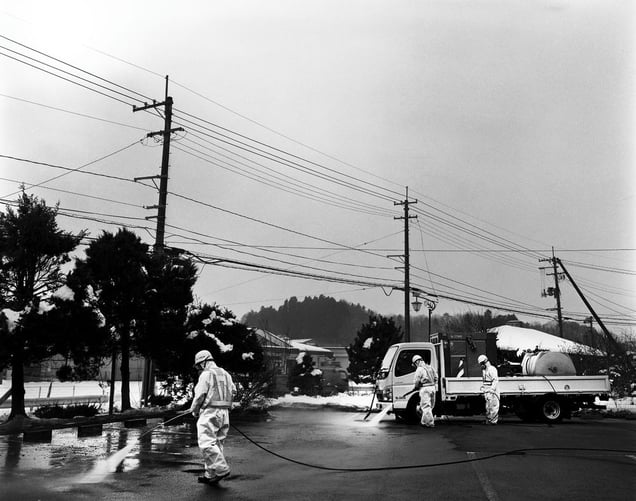
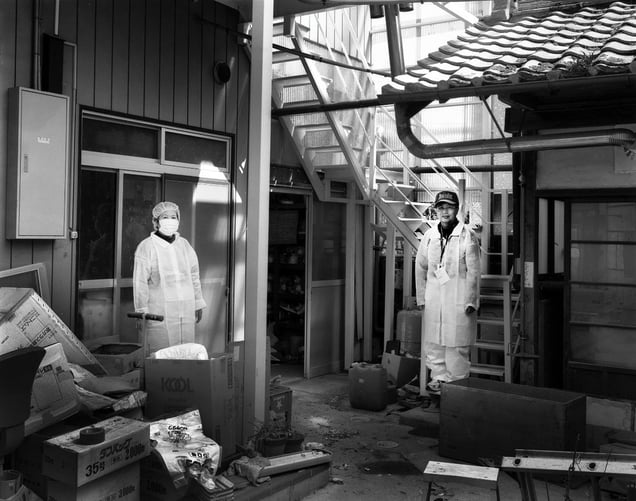
The government approved a 10 billion euro budget for decontamination. Workers decontaminating the radioactive substances in Iitate village. Many say that decontamination is useless as it just moves or spreads the substances from one place to another. These workers don't receive any special training to protect themselves from the risky work. From the series "Fragments/Fukushima" © Kosuke Okahara
File: Kosuke_04.jpg
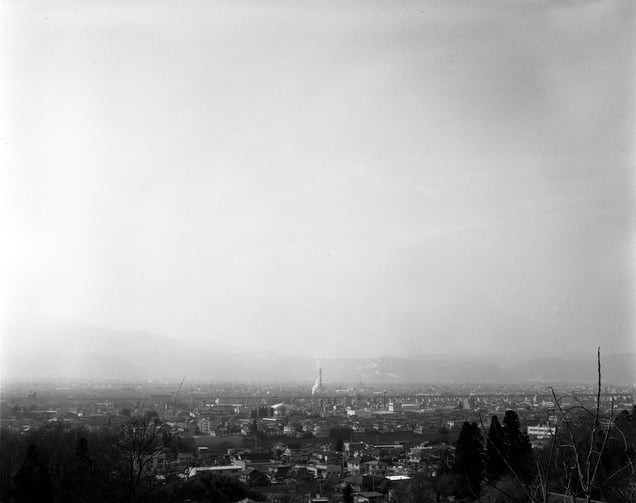
A view of Fukushima city. Poplulation of 290,000. The city still faces the fear of radiation though people are getting tired of being cautious. Most people do not even wear a mask. From the series "Fragments/Fukushima" © Kosuke Okahara
File: Kosuke_05.jpg
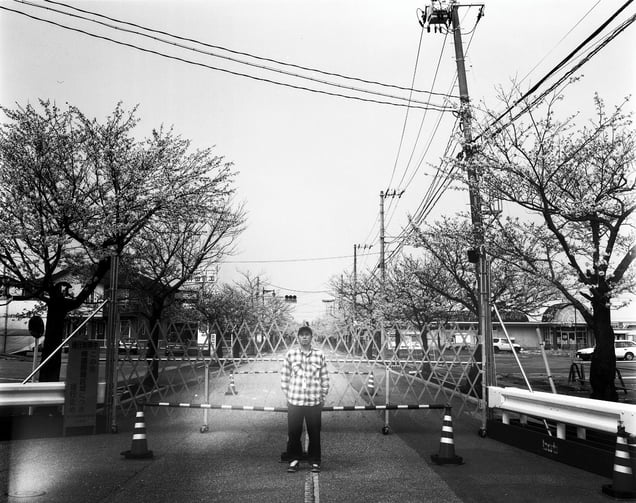
Mr. Sanbe used to live right outside of the exclusion zone. He came to visit to see the cherry blossoms near his old house. From the series "Fragments/Fukushima" © Kosuke Okahara
File: Kosuke_06.jpg
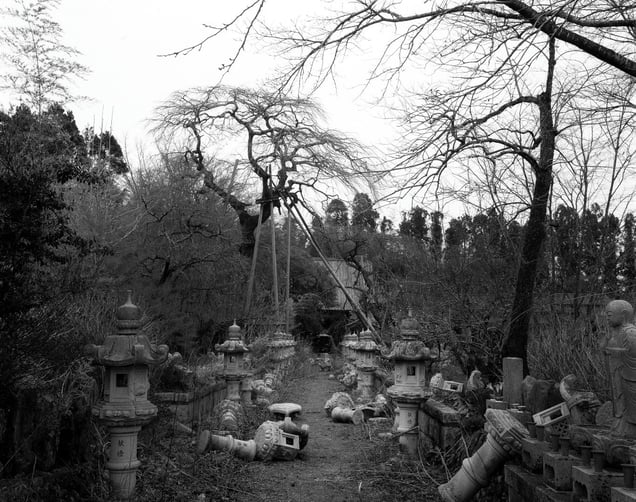
Stone lanterns in the shrine just a few hundred meters outside of the exclusion zone. The scene has been left as it fell 2 and half years ago when the Great Tohoku earthquake first hit Japan. From the series "Fragments/Fukushima" © Kosuke Okahara
File: Kosuke_07.jpg
Takami and Noriko Ohara came to check their abandoned house in the exclusion zone. They used to run a small local shop. Their old home is damaged as it has been empty for over two years. They would like to come back to live but they are not optimistic. Tomioka town, Fukushima prefecture. From the series "Fragments/Fukushima" © Kosuke Okahara
File: Kosuke_08.jpg
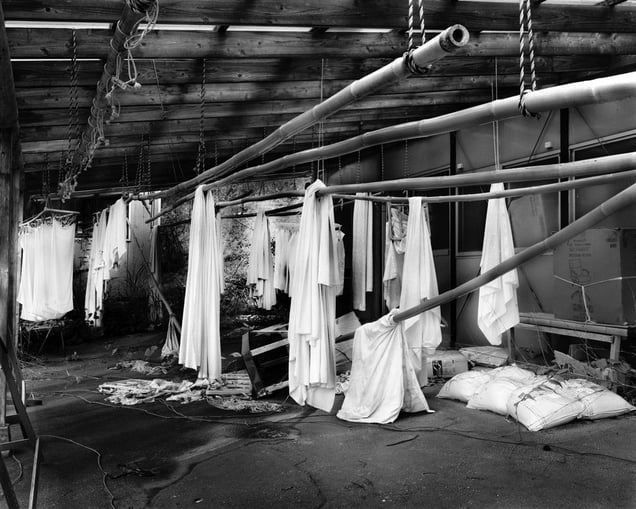
Abandoned laundry in front of an abandoned hot spring spa. From the series "Fragments/Fukushima" © Kosuke Okahara
File: Kosuke_09.jpg
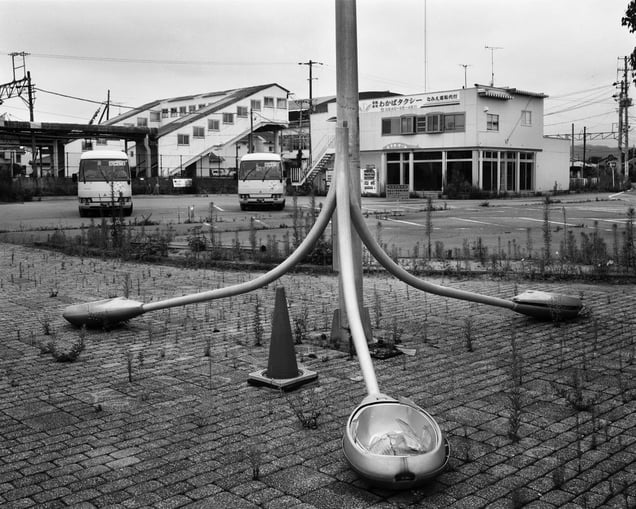
A fallen street lamppost. Untouched since the earthquake hit. From the series "Fragments/Fukushima" © Kosuke Okahara
File: Kosuke_10.jpg
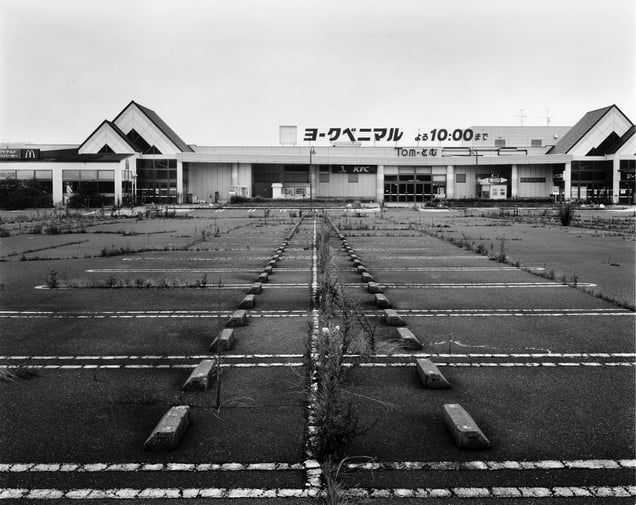
Parking lot at the big super market inside the exclusion zone. From the series "Fragments/Fukushima" © Kosuke Okahara
File: Kosuke_11.jpg
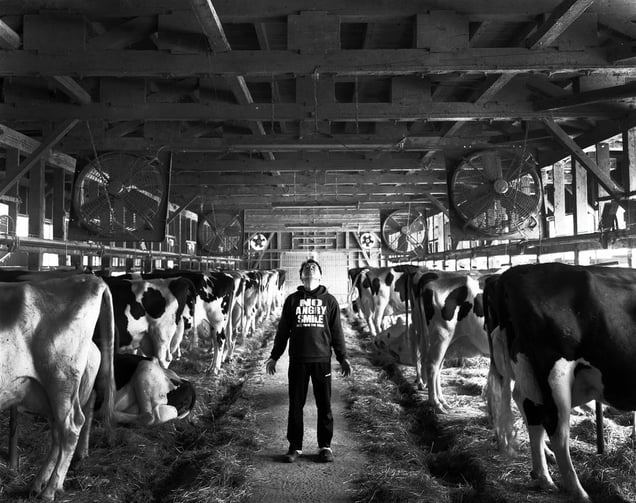
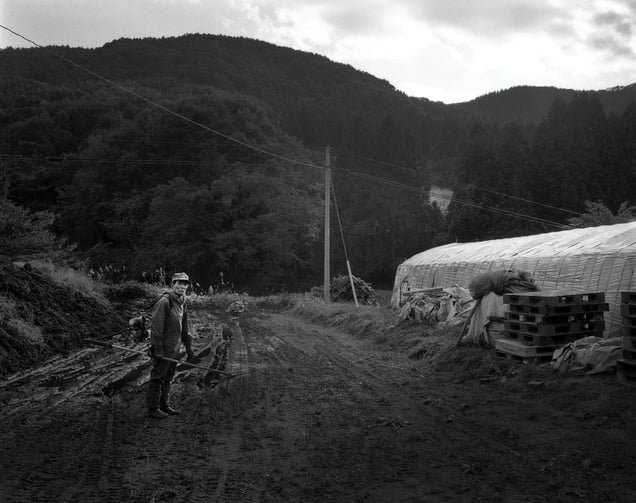
Tsuyoshi Konno, a cow farmer who took refuge from Namie town after the nuclear explosion. Now settled in Motomiya, some 50km west of the Fukushima Daiichi nuclear plant. He continues his business under uncertain circumstances. From the series "Fragments/Fukushima" © Kosuke Okahara
File: Kosuke_12.jpg
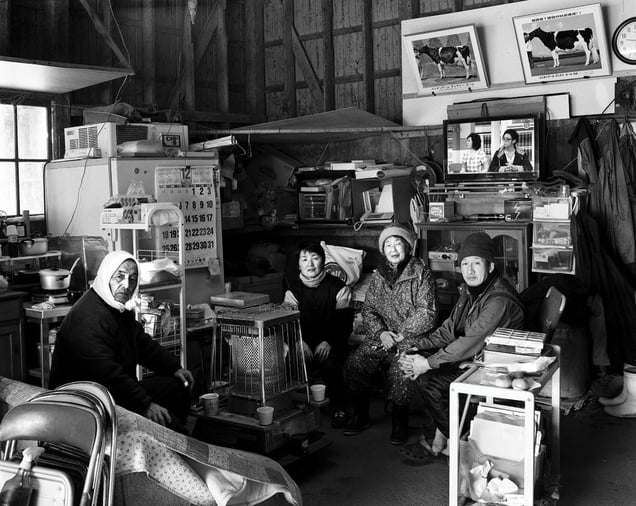
A portrait of the Sanpei family at their new farm. They were forced to move their cow from the high radiation area which was 26km from the reactor. Still their relocated farm has 1 m sv/h. Their milk doesn't break any laws so they keep producing milk that is mostly used for ice cream. From the series "Fragments/Fukushima" © Kosuke Okahara
File: Kosuke_13.jpg
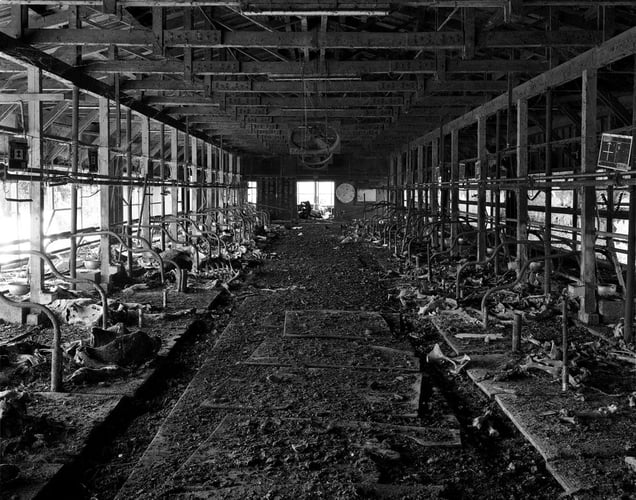
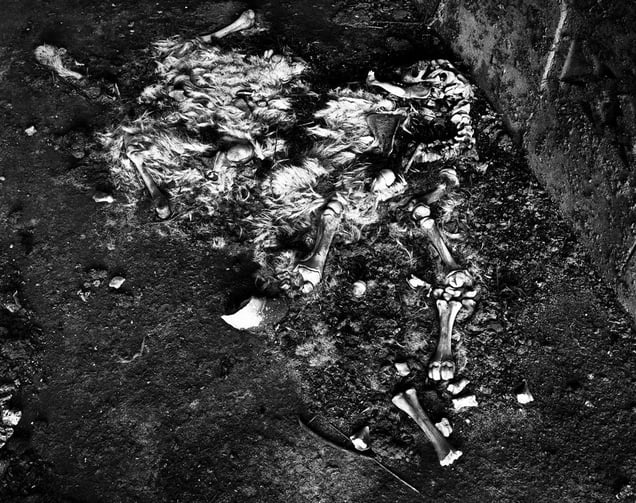
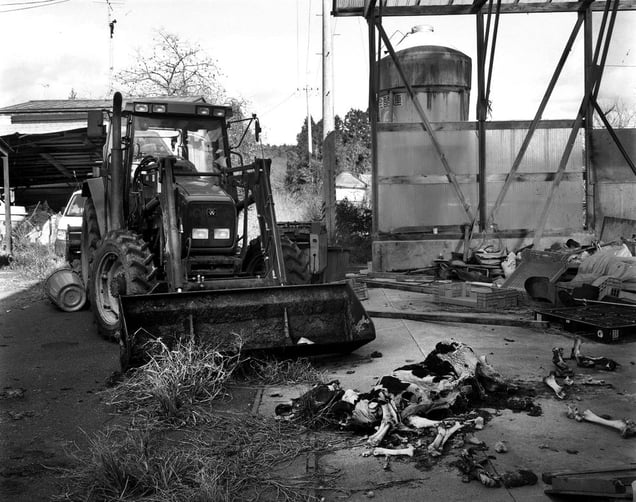
An abandoned farm inside the 20km exclusion zone from the Fukushima Daiichi nuclear reactor. Dead cows are still lying in the farm. This place was visited by the photographer in April 2011 and it has been left unchanged since. From the series "Fragments/Fukushima" © Kosuke Okahara
File: Kosuke_14.jpg
An abandoned farm inside the 20km exclusion zone from the Fukushima Daiichi nuclear reactor. Dead cows are still lying in the farm. This place was visited by the photographer in April 2011 and it has been left unchanged since. From the series "Fragments/Fukushima" © Kosuke Okahara
File: Kosuke_15.jpg
An abandoned farm inside the 20km exclusion zone from the Fukushima Daiichi nuclear reactor. Dead cows are still lying in the farm. This place was visited by the photographer in April 2011 and it has been left unchanged since. From the series "Fragments/Fukushima" © Kosuke Okahara
File: Kosuke_16.jpg
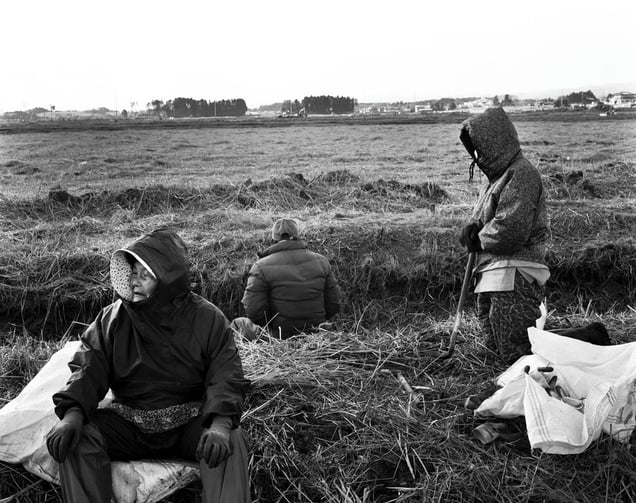
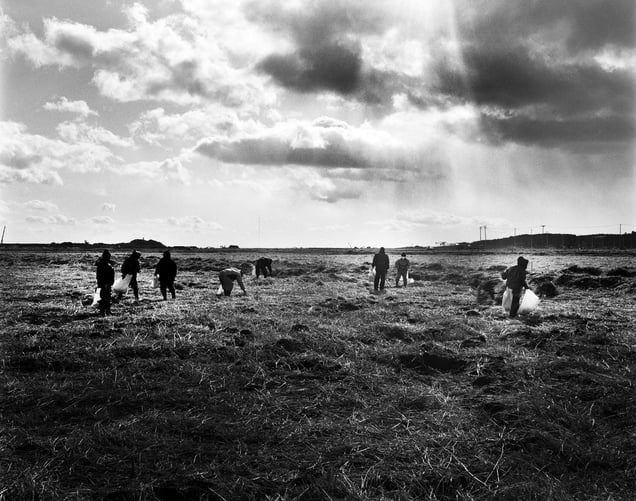
Farmers of Minamisoma clean the farm land that was wiped out by the tsunami. However, it is uncertain if they can cultivate their farmland again not only because of the sea water but also the radioactive substances that contaminated the earth. From the series "Fragments/Fukushima" © Kosuke Okahara
File: Kosuke_17.jpg
Farmers of Minamisoma clean the farm land that was wiped out by the tsunami. However, it is uncertain if they can cultivate their farmland again not only because of the sea water but also the radioactive substances that contaminated the earth. From the series "Fragments/Fukushima" © Kosuke Okahara
File: Kosuke_18.jpg
In Naraha town, trees grow like crazy as no one is around to take care of the farmland. Some parts have become jungle-like. From the series "Fragments/Fukushima" © Kosuke Okahara
File: Kosuke_19.jpg
In Naraha town, trees grow like crazy as no one is around to take care of the farmland. Some parts have become jungle-like. From the series "Fragments/Fukushima" © Kosuke Okahara
File: Kosuke_20.jpg
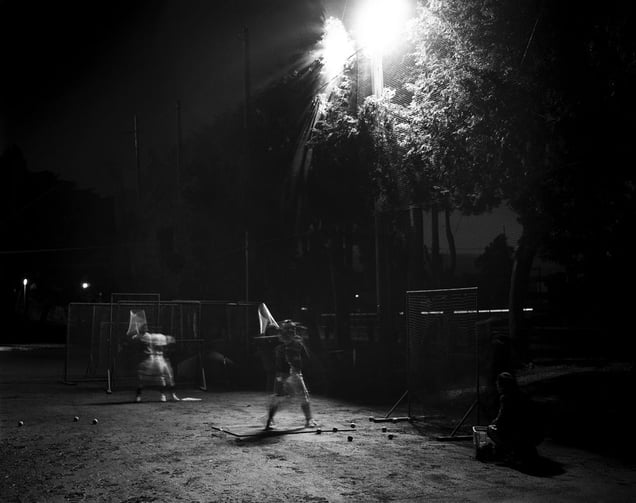
High school baseball players practice at Soma Agricultural high school. The team started practicing here because it was decontaminated and the radiation level dropped around 0,2 micro sv/h. However, the contaminated soil is stored at the corner of the ground. The rest of the school still has high level of radiation. The baseball team had more players until all but 2 evacuated.  © Kosuke Okahara
File: Kosuke_21.jpg
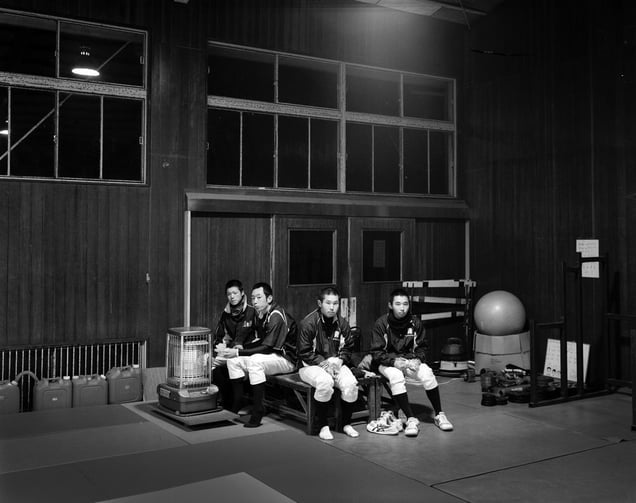
Baseball players of Soma Noko high school practice inside the gymnasium in Minamisoma. After the decontamination of their baseball field, they started practicing outside, though the radiation level was still relatively higher than the so called "Normal Level". From the series "Fragments/Fukushima" © Kosuke Okahara
File: Kosuke_22.jpg
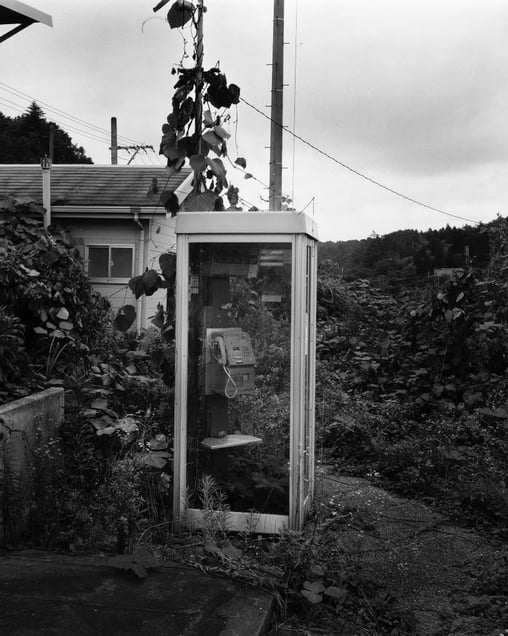
An abandoned telephone box at Momouchi station. The station has remained untouched since the nuclear disaster. From the series "Fragments/Fukushima" © Kosuke Okahara
File: Kosuke_24.jpg
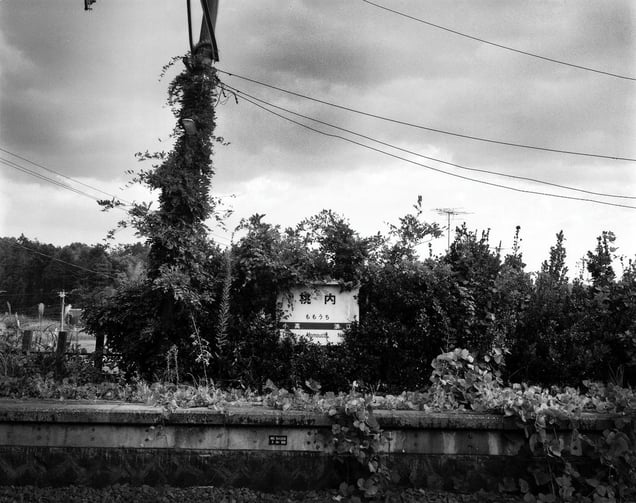
Momouchi station in Minamisoma. Since the station was abandoned after the explosion, the wildlife has taken over. From the series "Fragments/Fukushima" © Kosuke Okahara
File: Kosuke_25.jpg
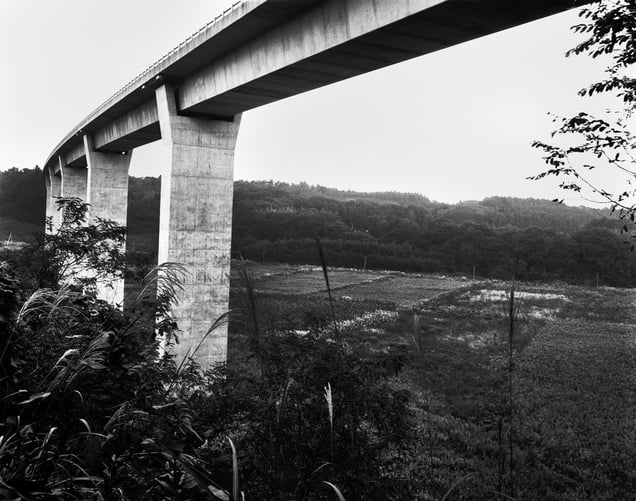
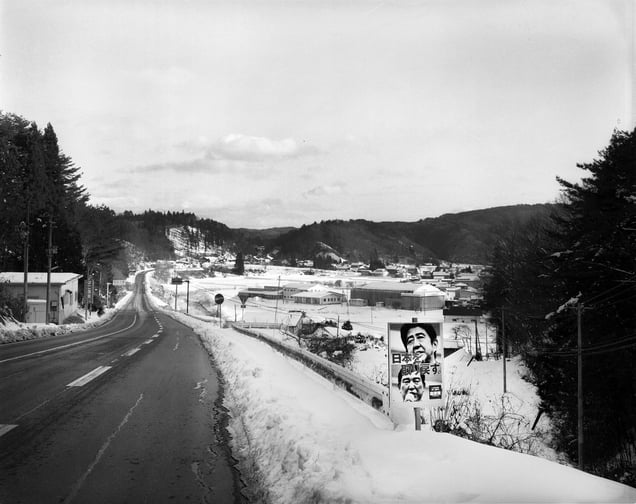
Miyakoji district of Tamura city, some 25 km west of the Fukushima Daiichi Nuclear plant. The district faces a serious problem of depopulation. From the series "Fragments/Fukushima" © Kosuke Okahara
File: Kosuke_26.jpg
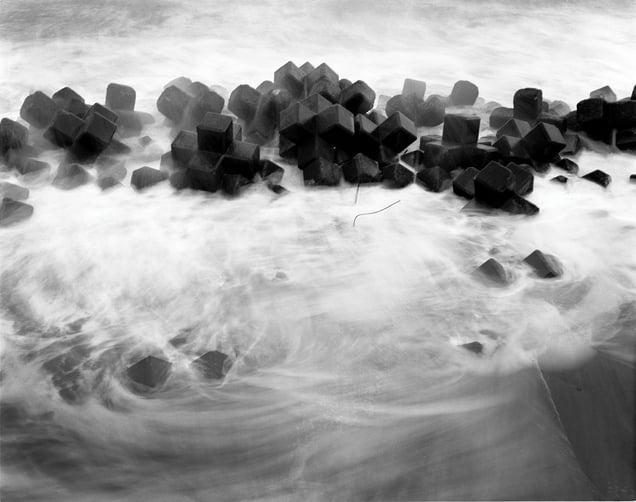
Contaminated sea water in Minamisoma. From the series "Fragments/Fukushima" © Kosuke Okahara
File: Kosuke_28.jpg
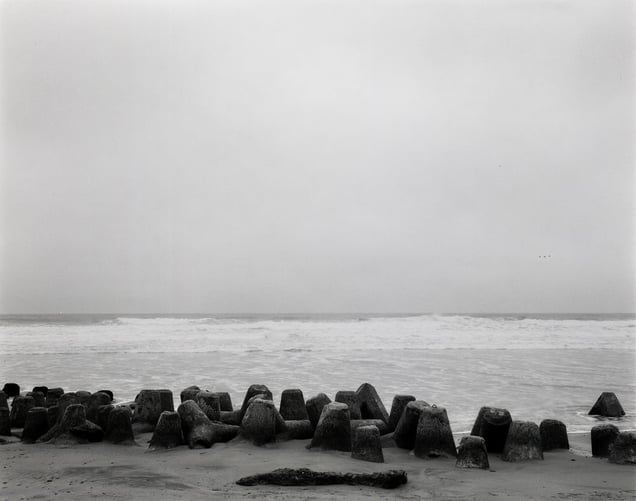
Buried tripods along the coast of Tomioka town some 5 km south of the crippled Fukushima Daiichi nuclear plant. From the series "Fragments/Fukushima" © Kosuke Okahara
File: Kosuke_29.jpg
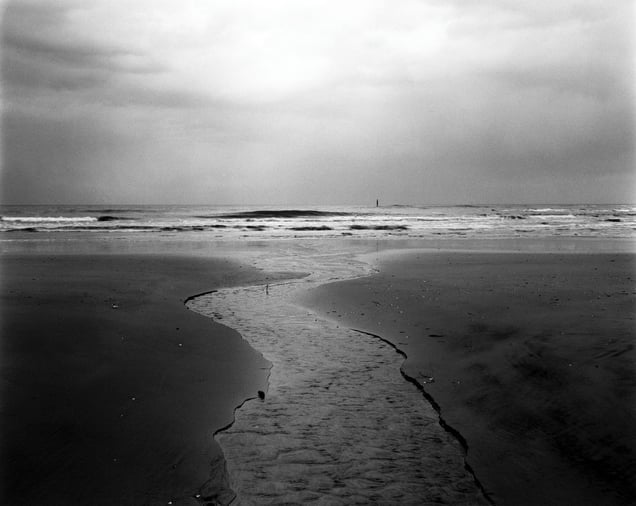
Water goes into the Pacific Ocean near Iwaki city, some 40 km south of the Fukushima Daiichi nuclear plant. One of the biggest problems today is that contaminated water is still leaking into the ocean from the ruins of the nuclear plant. From the series "Fragments/Fukushima" © Kosuke Okahara
File: Kosuke_30.jpg