STILL(space of death)
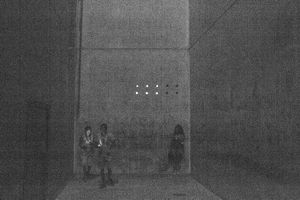
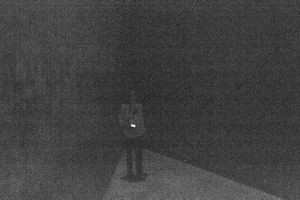
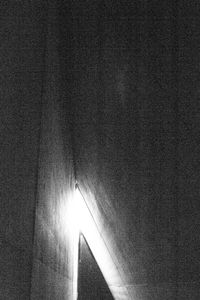
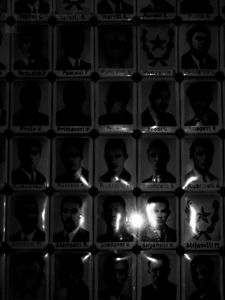
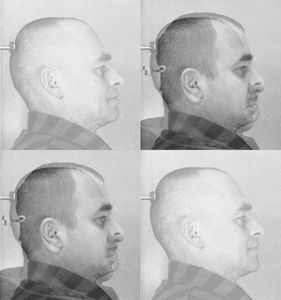
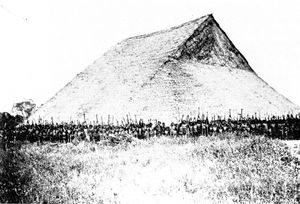
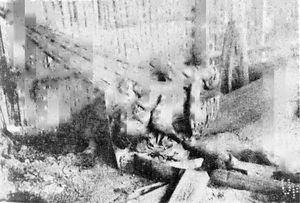
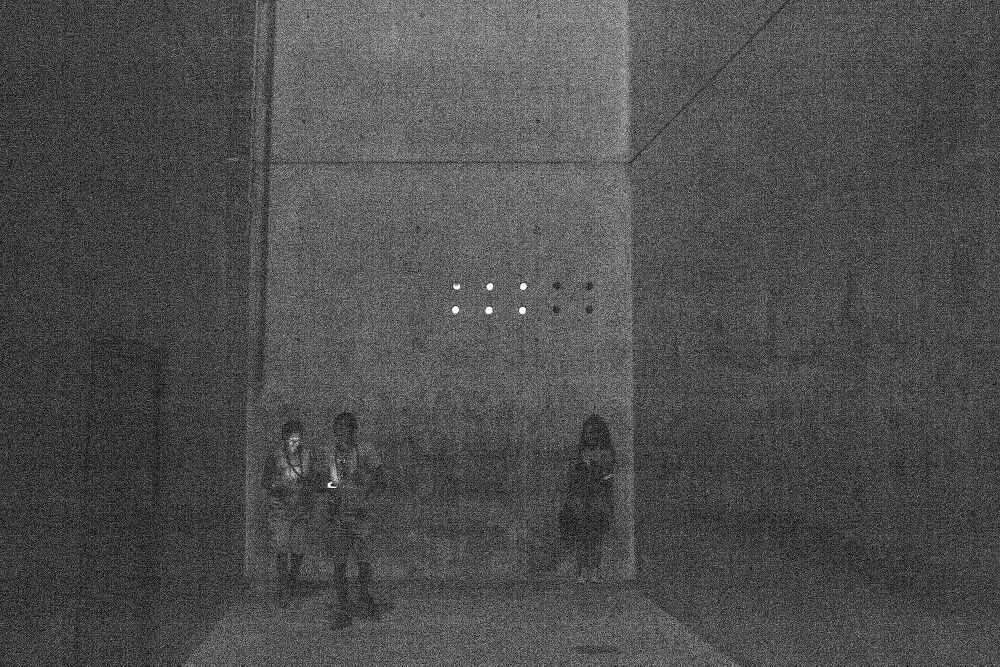
The exhibition/ body of work STILL(space of death) it consists of archival and snapshot photos /Installations that try to explore a possible concept of the existence of a space of death and the possibility / impossibility of photography to capture and represent it .It uses as visual material photos that are referring to different historical ncidents and places . And combines archival photos with snapshot photos from monuments that refer to historical incidents. The common denomination of all the images being the idea of the existence of a space of death either as a specific place / historical event or a condition that occurs as a result of the presence of the state and society as a continuous repressive machine,under the structural influence of capitalism in its various forms In this exploration as a guide is used the following text taken from Michael Taussing article . Culture of Terror–Space of Death. Roger Casement’s Putumayo Report and the Explanation of Torture . Which is an written transcript of an oral story of an Ingano Indian in which he describes his experience of a death space. In one sense bridging an imaginative non - representational world with reality and the presence of a non capitalist culture with the capitalist present. And the unbridgeable difference between representation and experience . I remembered nothing; only the space of death-walking in the space of death. Thus, after the noises that spoke, I remained unconscious. I remained unconscious. Now the world remained behind. Now the world was removed. Well, then I understood. Now the pains were speaking. I knew that I would live no longer. Now I was dead. My sight had gone. Of the world I knew nothing, nor the sound of my ears. Of speech, nothing. Silence. And one knows the space of death, there… And this is death – the space that I saw. I was in its center, standing. Then I went to the heights. From the heights a star-point seemed my due. I was standing. Then I came down. There I was searching for the five continents of the world, to remain, to find me a place in the five continents of the world-in the space in which I was wandering. But I was not able old Ingano Indian. Apostolos Zerdevas
No categories selected
Photos (12)