
Seven Ranges
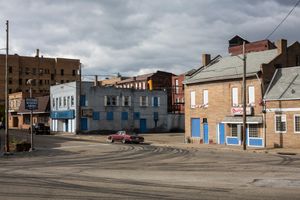
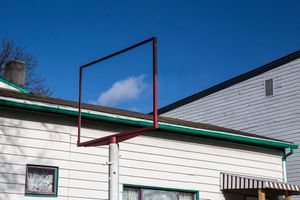
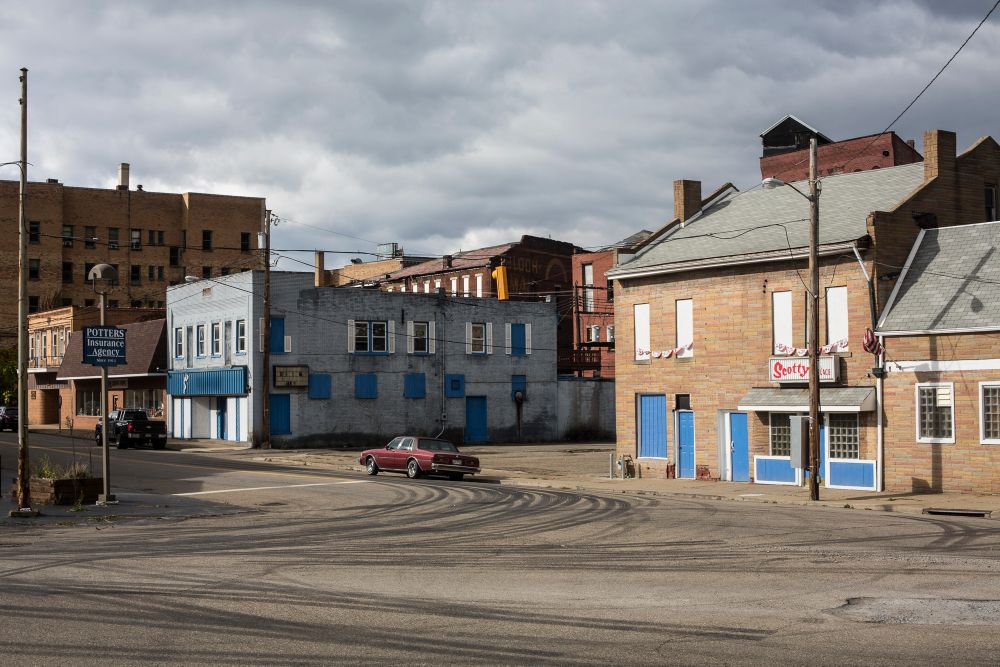
In 1785, Thomas Hutchins set a stone on the banks of the Ohio River, establishing “The Point of Beginning” of the survey of Seven Ranges, the initial point in the United States Survey of Public Lands. Known as the American Rectangular Land Survey System, this framework would eventually extend across the entire continent and shape our conception of not only the landscape, but ourselves. As John Hildebrand has written, “Where the grid was laid, we now live the world through it. It orders our streets our cities, towns and suburbs. It turns in on itself in our subdivisions and cul-de-sacs. It dictates how we walk to school and drive to work. ..It fixes the borders of lands we special enough to include in parks. It bounds our public forests and wildlife refuges.” Perhaps most importantly, it turned the land itself into a commodity that could be bought and sold in discreet, discernable units. Just two years after surveying was begun in the Seven Ranges, The Ohio Company of Associates obtained a grant from the federal government of 5 million acres of which the stakeholders were to receive 3.5 million acres and the “remainder for the private speculation in which many of the principal characters in America are concerned,” according to one of the spokesmen of the Company. Since this moment, the citizens of eastern Ohio have been beholden to the machinations of corporate America, riding a series of booms and busts of pottery, clay pipes, coal, steel and most recently shale oil. By titling these pieces according to their place in the rectangular survey, this series highlights the ramifications of living in a highly commodified landscape.
No categories selected
Photos (10)