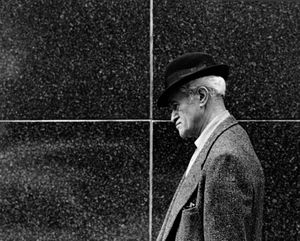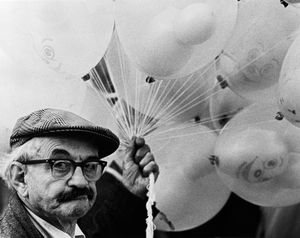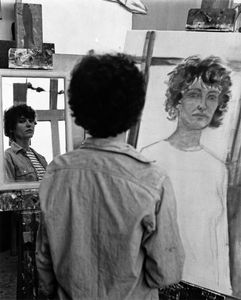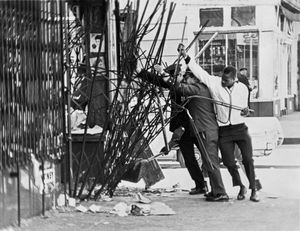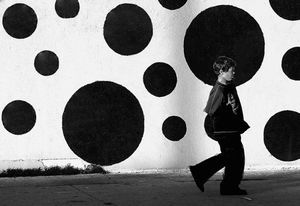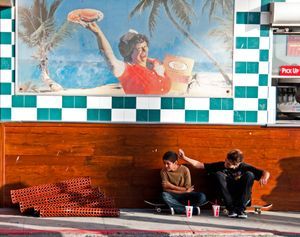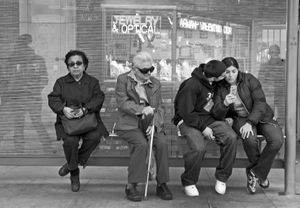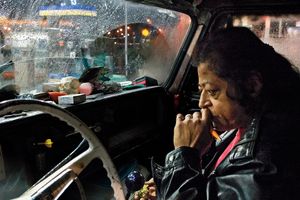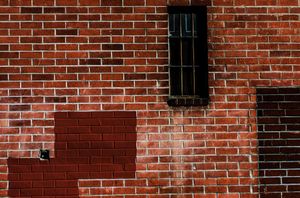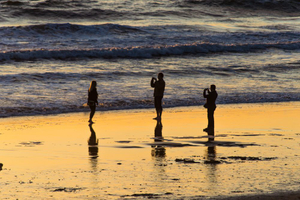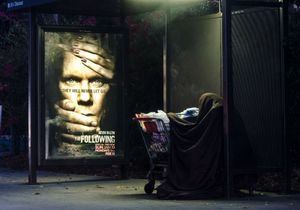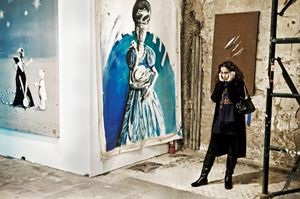
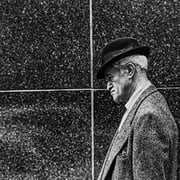
' Composition is the Thing'
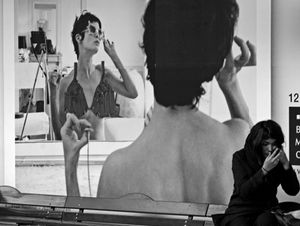
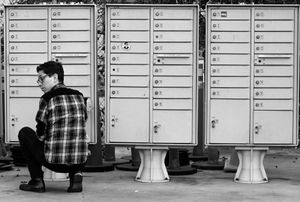
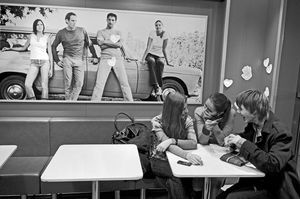
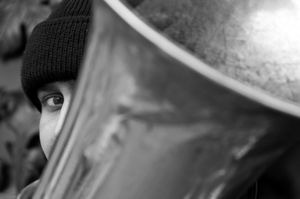
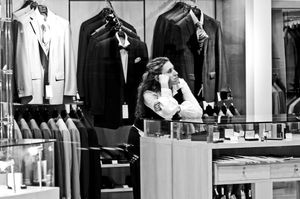
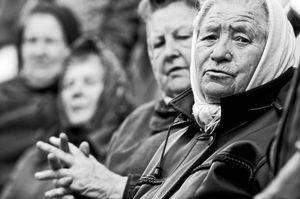
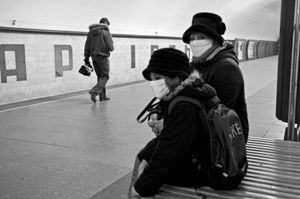
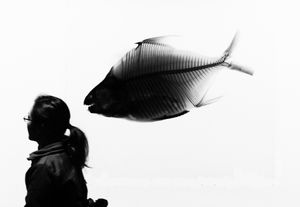
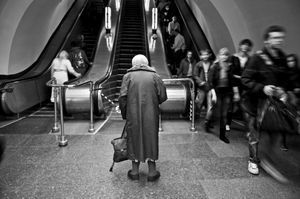
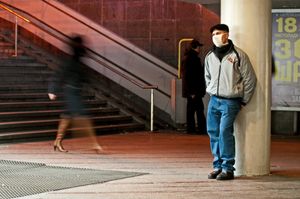
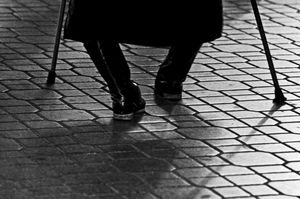
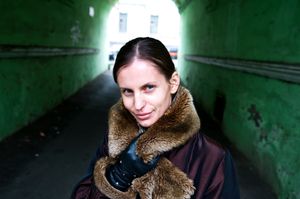
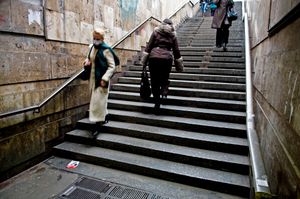
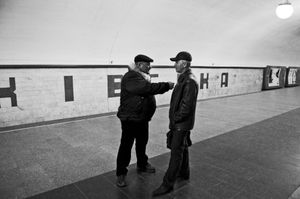
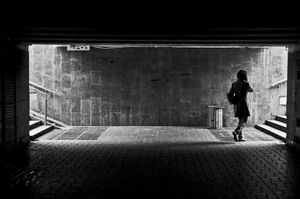
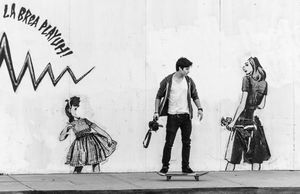
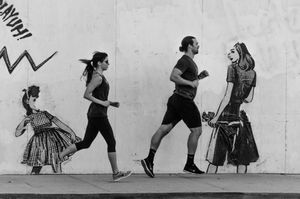
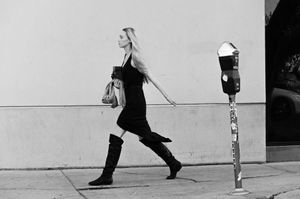
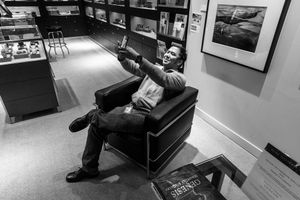
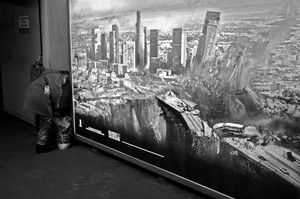
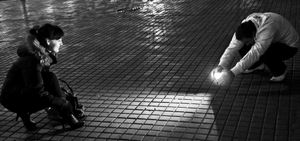
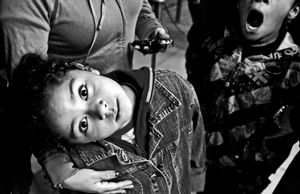
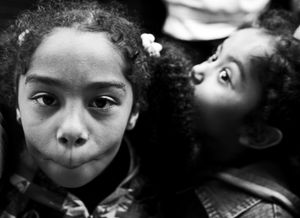
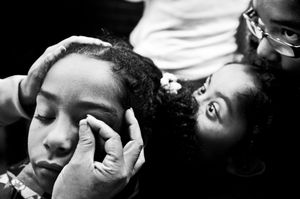
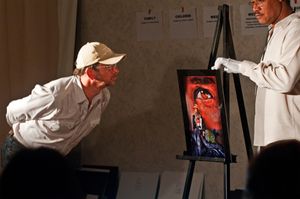
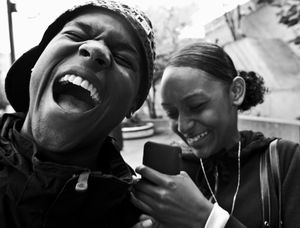
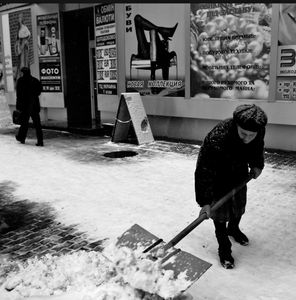
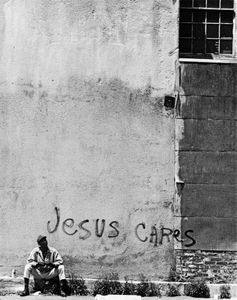
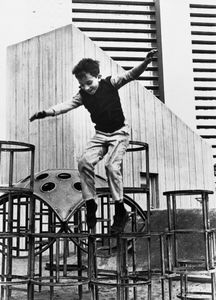
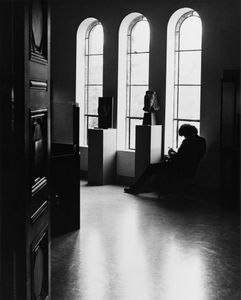
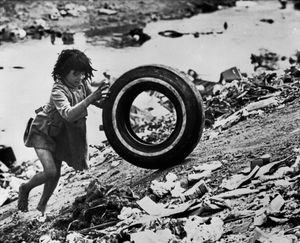
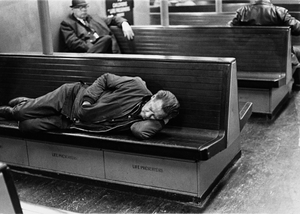
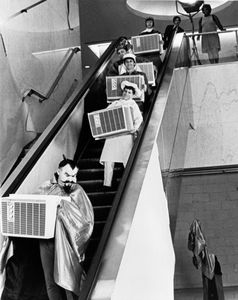
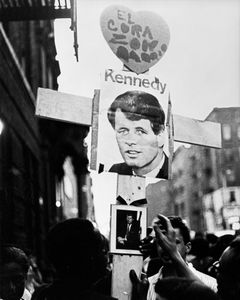
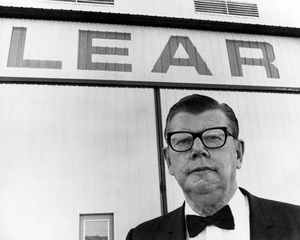
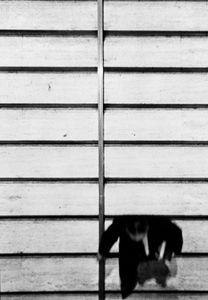
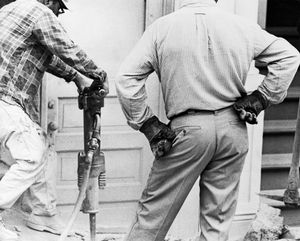
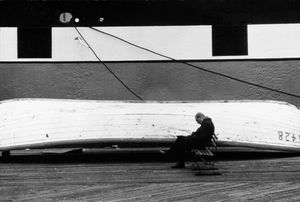
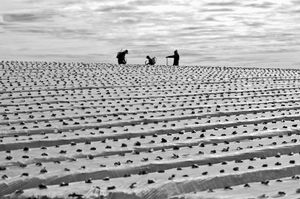
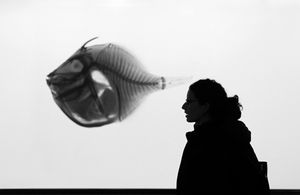
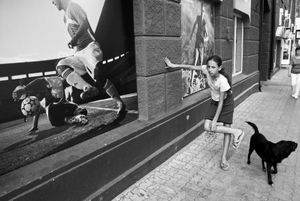
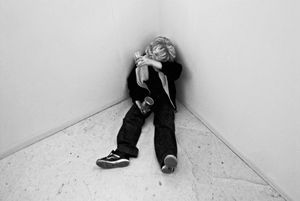
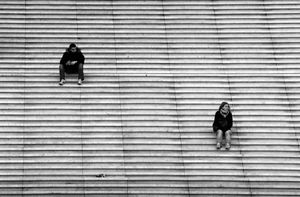
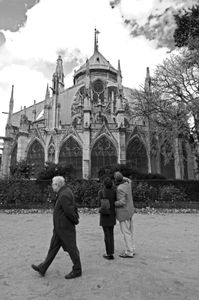
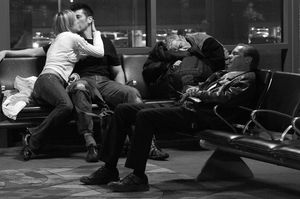
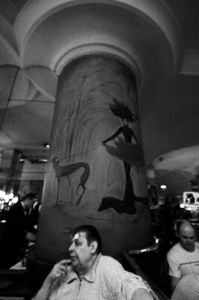
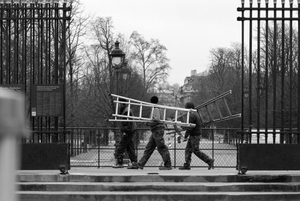
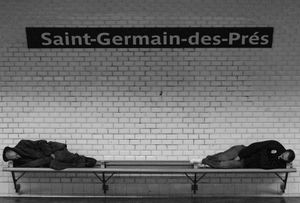
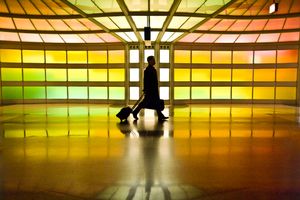
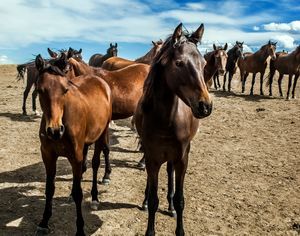
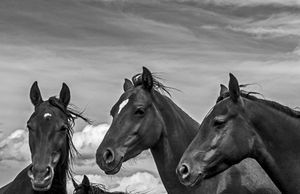
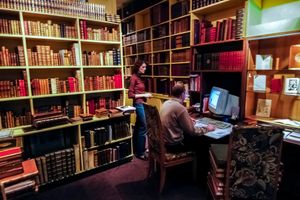
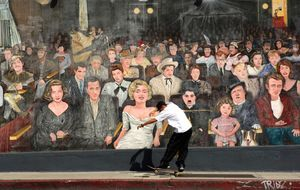
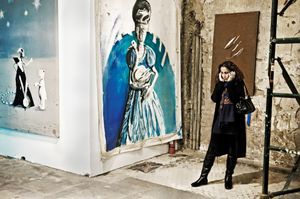
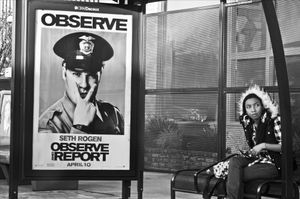
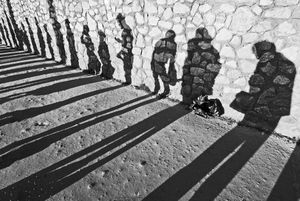
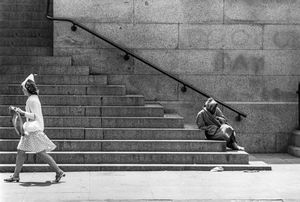
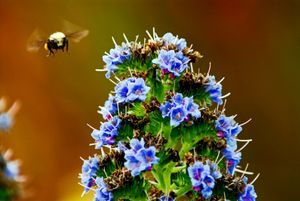
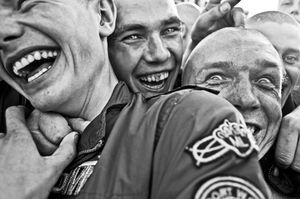
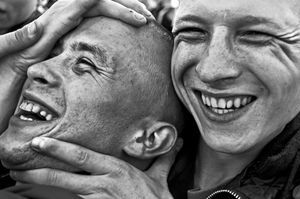
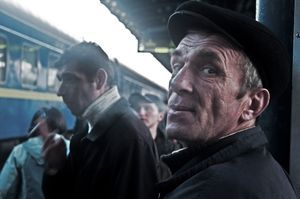
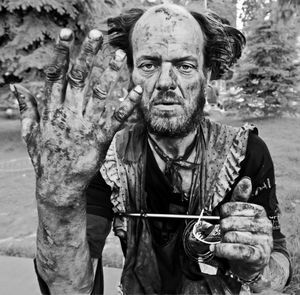
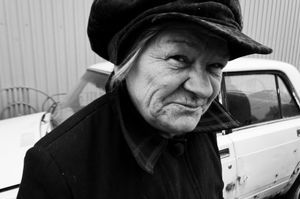
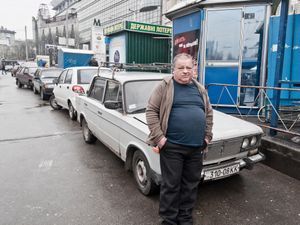
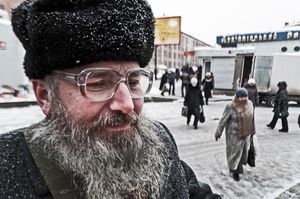
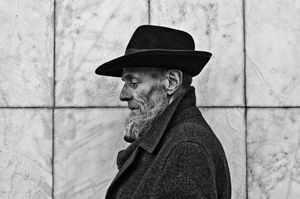
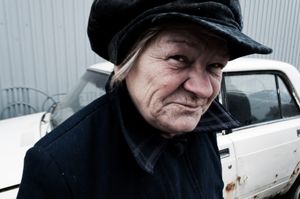
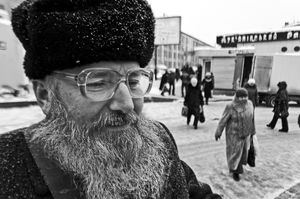
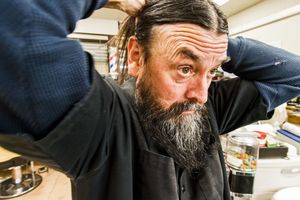
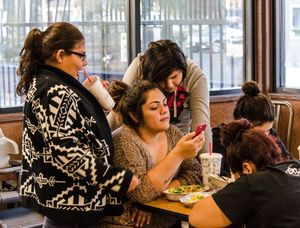
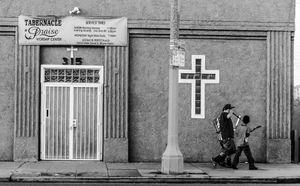
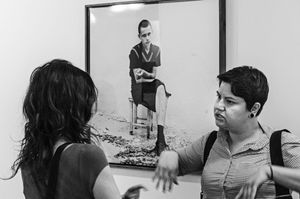
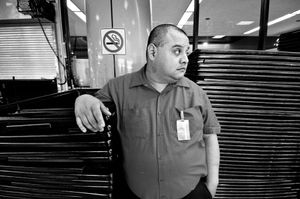
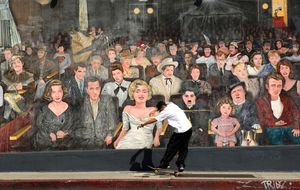
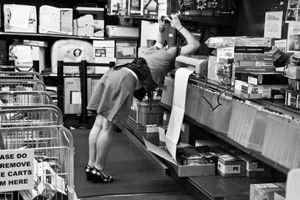
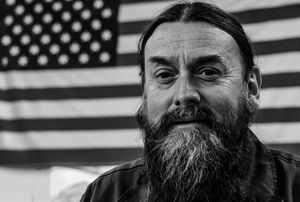
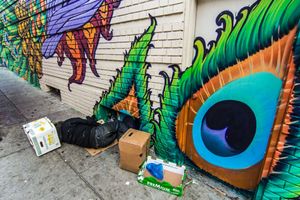
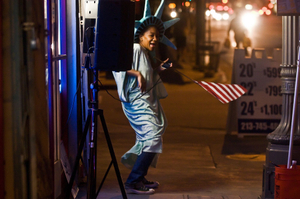
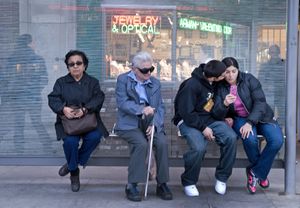
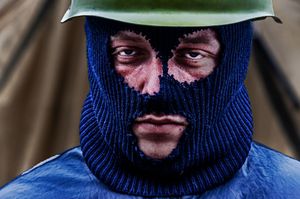
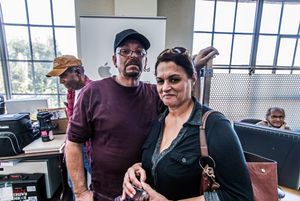
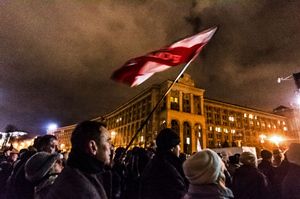
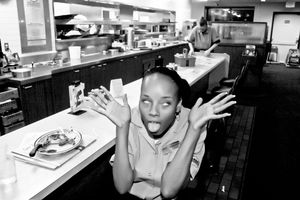
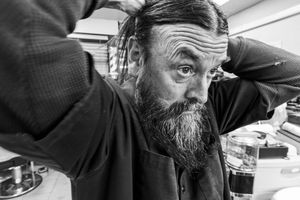
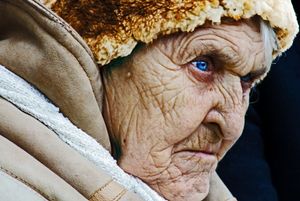
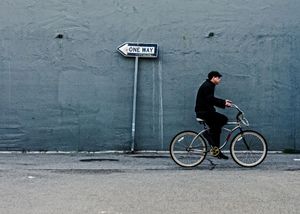
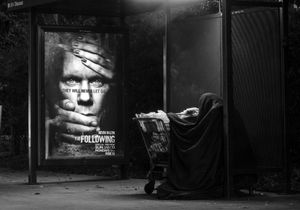
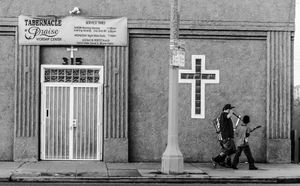
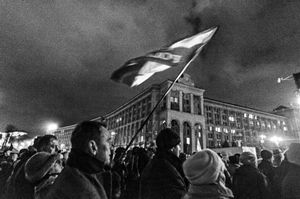
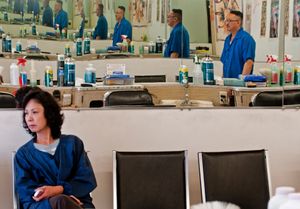
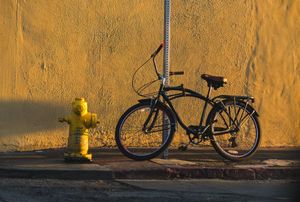
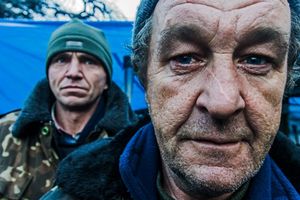
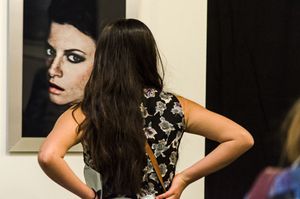
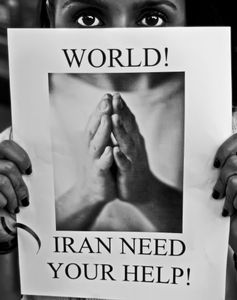
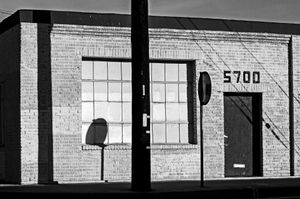
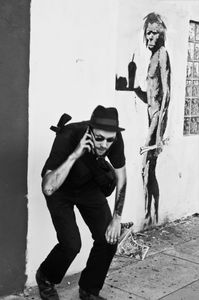
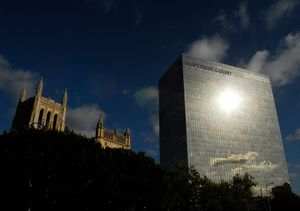
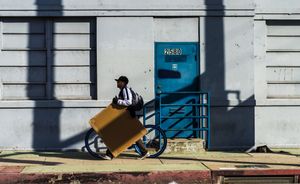
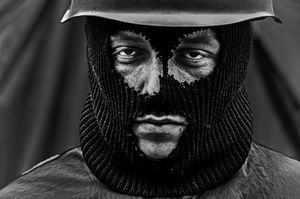
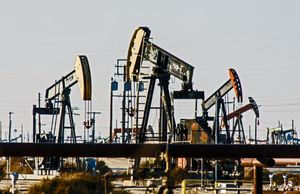
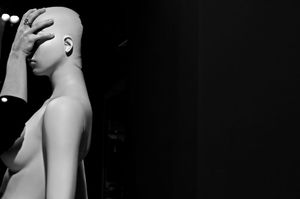
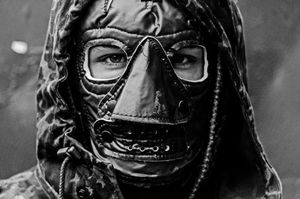
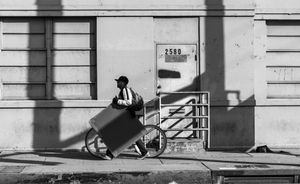
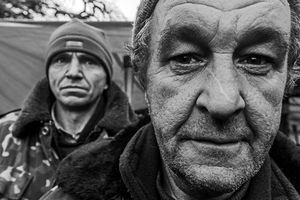
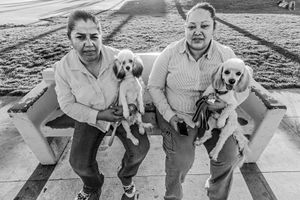
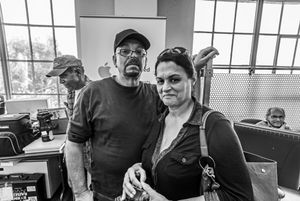
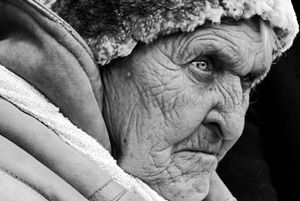
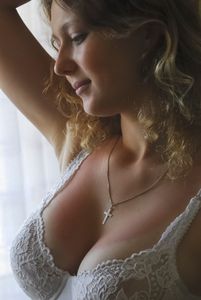
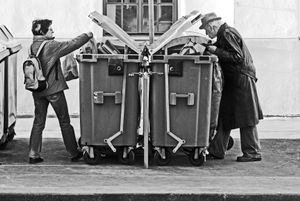
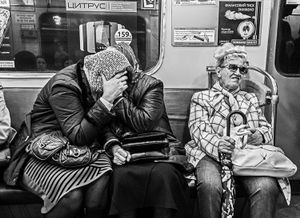
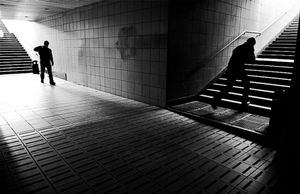
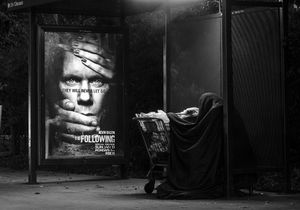
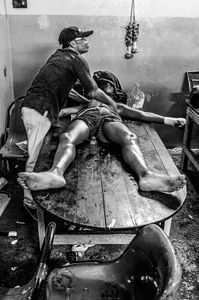
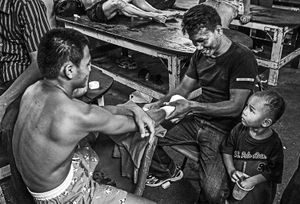
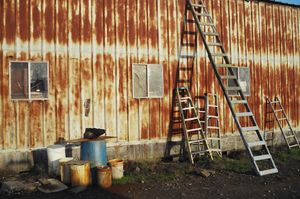
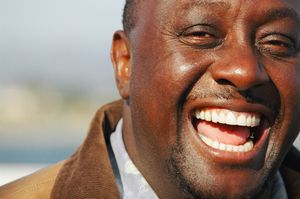
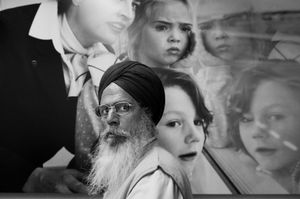
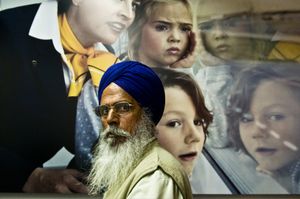
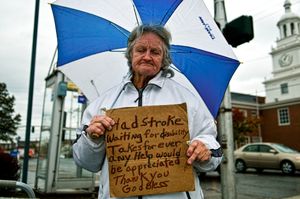
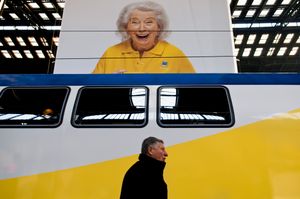
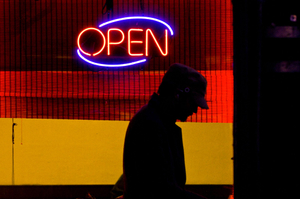
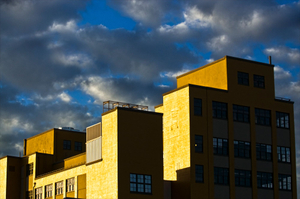
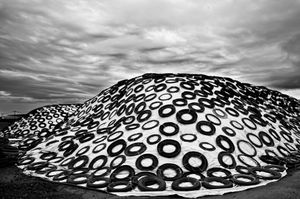
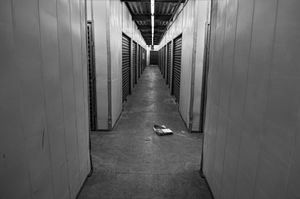
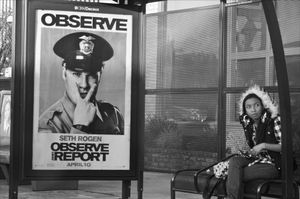
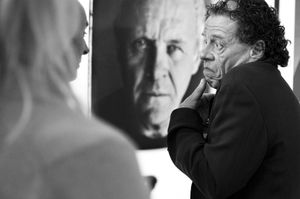
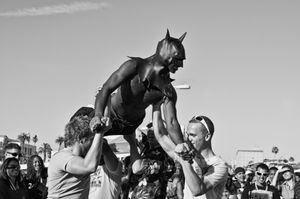
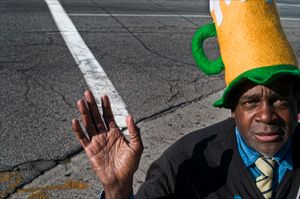
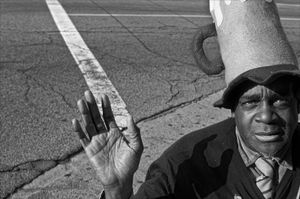
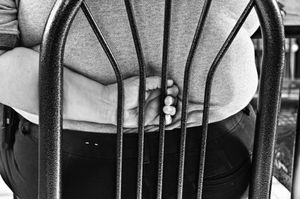
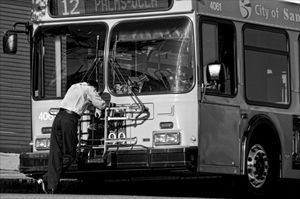
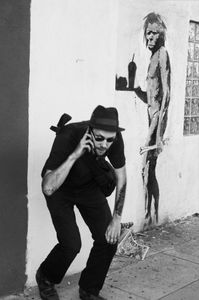
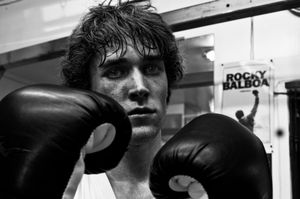
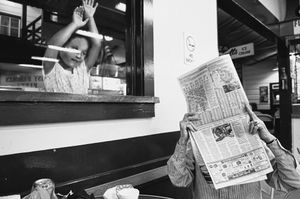
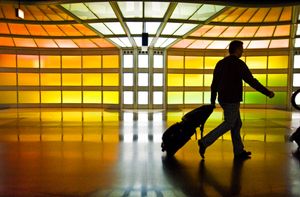
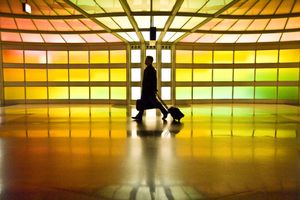
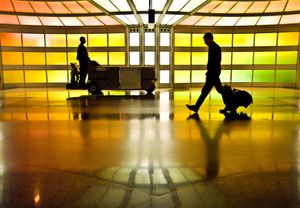
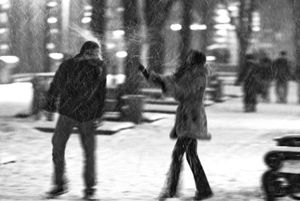
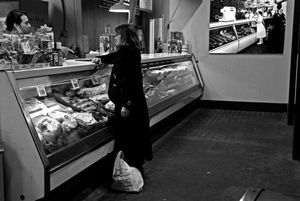
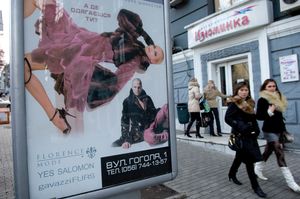
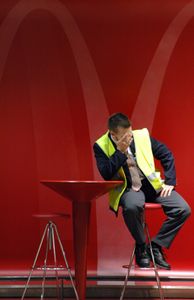
Presentation featuresd here among others are landscapes, street scenes, events , portraits, and people captures where 'composition' may add substantial value. This folder/presentation is just beginning. Over the course of the next six months to year many new photos -- addition of maybe half again as many images or even double or more, should give it greater depth. Along with captured gestures, and the like, seeking to attain good composition is a goal always in mind. Often, I'll take a shot of a transitory subject or scene just to capture it in case it disappears. Then I'll hang around waiting with humans or any capture in which motion is an element to try to nail the perfect placement and composition. LIkewise if my compostion I felt was not the best. I'll hang around and 'work the scene. Sometimes I get GREAT shots on the first and often only capture. Other times I won't get a defining image until the last, when I may quit, and sometimes (often actually) I get nothing worthwhile and then hope to have good enough sense to move on. I may abandon hope of getting a good capture if I see that scene or scene thype scene type again. Other times, I'll 'feel' there is something in my captures that was ngint but that on return I might find, and so I make a mental note to return and 'work the scene' again (if it has not disappeared in the interim. Where there are human subjects, I will also take that first shot at once or even a series, then keep 'working the scene' to try to optimize the capture. If I saw a subject make a certain,special gesture, for instance such as perhaps an unsual, memorable and/or defining 'look' or gesture, when laughing, joking or playing around, (for instance) odds are good it will repeat. My goal is to watch for and capture that when or if it reappears along with other, possibly better captures that were unforeseen. This is a great way to capture unusual expressions or gestures , and it is a mainsty to my shooting. One photo may be enough,but many times the initial image can can be improved if the photographer is patient, observant, and ready to fire again to get a better image. Observing like that is also a way to stumble on other gestures, expressions, movements, etc that were completely unexpected. The photographer who thinks more than a solo image is a waste of time often reflected necessity in an age where there were single frames taken or where rolls of film were limited to a maximum of 36 frames. Also, film was expensive to buy, and became mores o, when costs of developing and print were thrown in. I've taken as many as 65 photos before I 'nailed' the shot of an individual where that man's placement and juxtaposition to a background window display was essential. A few inches or a foot to one side or the other, and the possible image was worthless, whereas if the person moved to the precise spot foreseen, the photo's composition would be exceptional. Sometimes the photographer can move to one side or another, or or use of a zoom. However, lens changes often take so much time the composition disappears. Not so in landscape photography where lens choice may be essential to a composition and image quality. In some cases 'nailing it' on the first shot is essential where subject andor photographer's movement makes the image ephemeral. Training one's eye to recognize instantly such scenes and learn to frame them 'on the fly' may sometimes be essential for good composition. For scenes that do not stay or repeat and/or are highly transitory, being able to 'see' and frame' instantly sets the great photographers apart. Timing is less important for the landscape photographer, BUT he/she must be able after framing a scene to spot the right moment, when optimal light will elevate the image. In his famous photo, 'Moonrise Over Hernandez' (New Mexico, Ansel Adams saw that momentary light, abruptly stopped his station wagon loaded with family, hauled out his heavy field camera with bellows and tripod, made sure a loaded film cartridge was properly inserted, pulled out the protective light slide, and after framing, and in a great hurry, released the shutter. That is his most famous capture. And the story of how it was made (from his own account.) It's often the same for ALL photographers. Canadian portrait photographer Yousuf Karsh has described how sometimes he tried to capture a fleeting and often near microscopic look, of an otherwise expressionaless face that made that person's expression revealing. When Winsgton Chjurchlll's portrait was taken in a hurried setting, Yousjuf Kafrsh captured in a brief instant Churchill's 'bulldog' look, then moved on to what he felt was a much better capture. Others saw that look on the visage of a man whose legendary strength, wil, leadership and stubbornness were credited with rallying a nation to forestalling a Nazi invasion of England, as a defining and transcendent image. Though not Karsh's 'favorite', in historical context it is regarded as definitive and has become probably Karsh's most famous. ******** Photos and text, copyright 2018, John Crosley/Crosley trust, all rights reserved. No reproduction or other use without express prior written permission from copyright holder.
No categories selected
Photos (198)