
The Edge
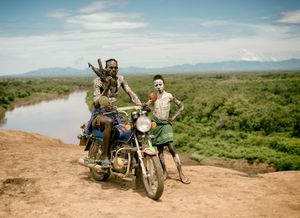
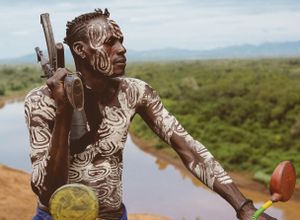
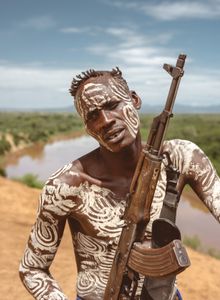
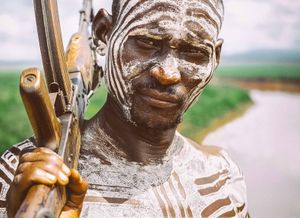
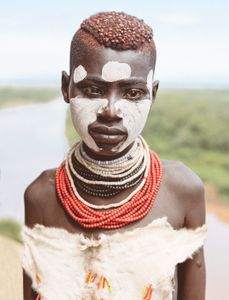
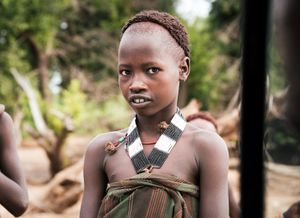
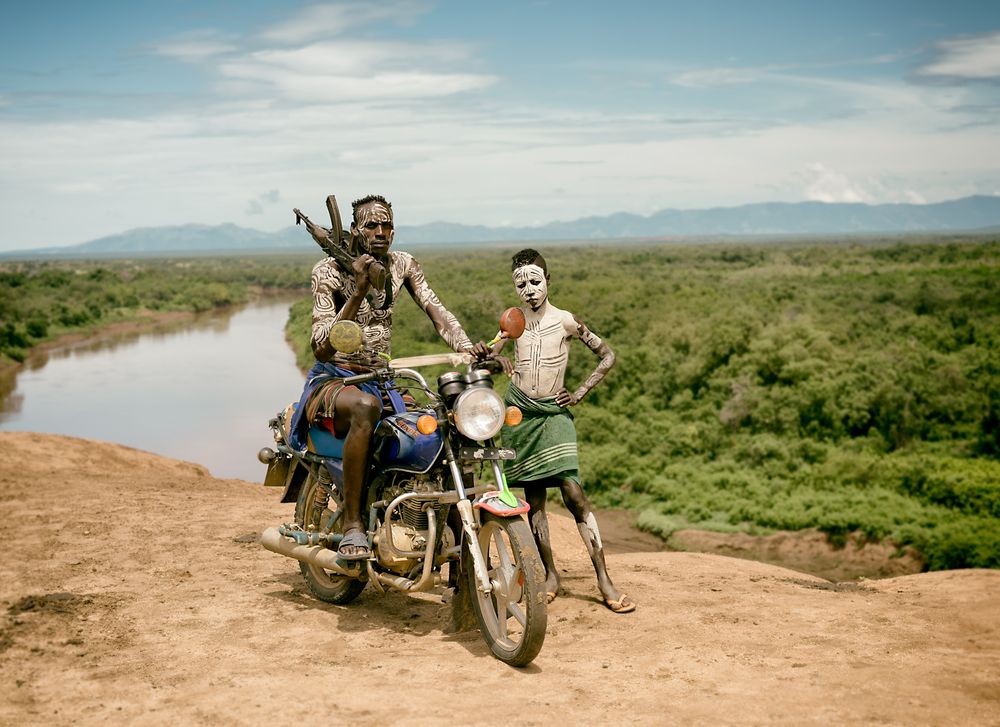
Last month I visited Ethiopia to see an old friend. With a few days to spare, I decided to travel down to the Omo Vallery to visit the tribal lands of the South. I had heard how nowhere in Africa is more remote than the valley of the lower Omo river in South-west Ethiopia. On my arrival, I was taken by a wonderful guide to visit the Kara and Hammer tribes, two of the tribes that make up the communities in this beautiful valley. The Kara's small village is situated on a plateau above the Omo river, a source of water that is the umbilical cord of this vast valley. From what I was told briefly by other travellers on my way down to the Omo, I was to find a utopia where tribal people from another time live peace, almost untouched by the modern world. However, having spent time talking with the local people from the Omo, I found that the Omo tribes are living on the razor's edge of a past that is anchored in ancestral heritage and a future that is painfully uncertain. The government are reclaiming and selling huge swathes of their land for foreign agricultural projects and with the construction of the billion-dollar Gibe III dam completed, the river and valley that is their life-source are now being dammed and irrigated. These people are no longer innocent in the face of a changing world. Their traditional weapons, that have long ago been replaced by Russian Kalashnikovs serve as a distressing reminder of the ongoing conflict zones only a few Kilometres away in Sudan and Somalia. Rumours abound that those who speak out about the impending crisis are arrested and disappear. The Omo Valley is one of the most beautiful places on earth but I can't help but wonder how long it will be before this region becomes yet another battlefield and the latest humanitarian crisis. These photographs are just a few of the very touching faces of the people I met from the Kara and Hammer tribes.
No categories selected
Photos (6)