
Oh My Ghat
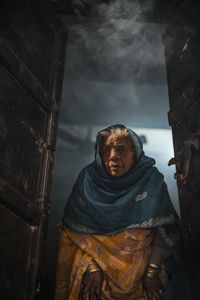
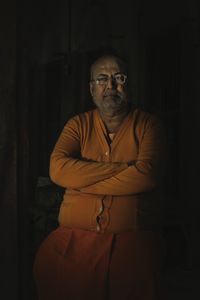
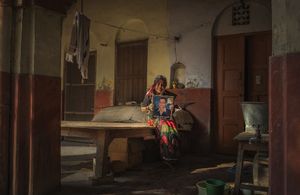
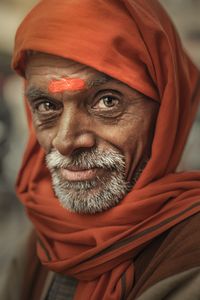
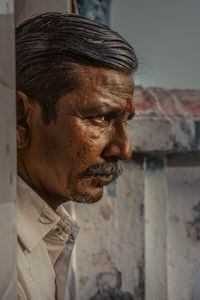
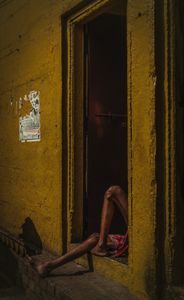
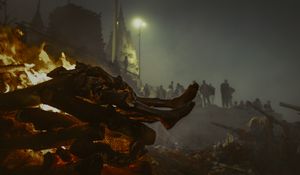
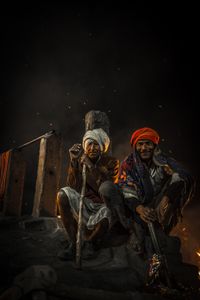
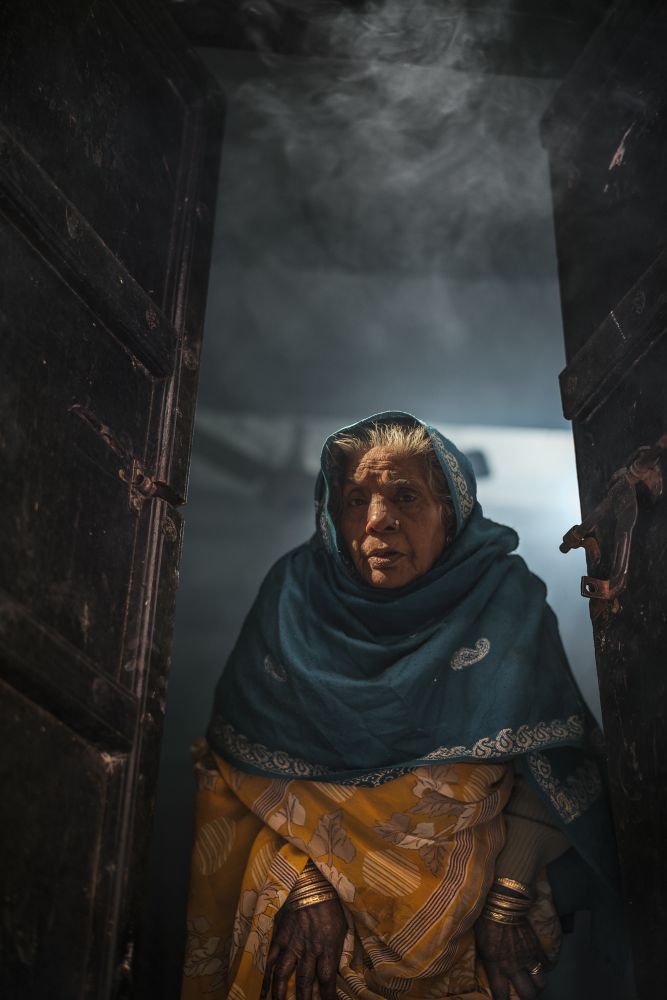
Life revolves around death in Varanasi and that's not as gloomy as it sounds. Here death is the big attraction, because the end of a long life is something to celebrate. Believers say that those who are burned on the Burning Ghat, attain “Moksha”, freedom from the endless cycle of life and death. In the alleys surrounding the ghats, an old people's home, ashram and a death hotel I met people who are awaiting Moksha. Varanasi feels like a year-round festival where dead bodies, each beautifully decorated in cloths of all colors and rose petals, crowd surf through narrow alleyways. The main stage is Manikarnika ghat, the largest crematorium ground in the world, the famous Burning Ghat. The Dom Raja is like a sheriff. The gatekeeper of the Burning Ghat may be from an untouchable caste, but as a foreigner you will feel star struck. On his turf you'll come face to face with death and the heat coming off of pyres that have been burning for over 3500 years. After returning I missed Varanasi much more than expected. Still trying to pin point why, I feel joy looking at the images I shot at places where death is visible everywhere. Not having been raised religiously or particularly spiritually, still I am captivated by this holy city. Leaving this place unaffected is not possible. The fact that Varanasi is so extremely different than Holland was in itself an exercise in detachment of life as I know it. You also get a taste of traveling in time with the ability the bring back proof. I will always come back to Varanasi. Hopefully sooner than last time, but never without a camera.
No categories selected
Photos (10)