Re-Creative Wairarapa - the art of making more from less
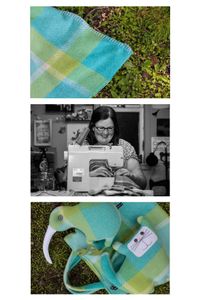
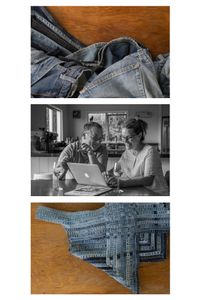
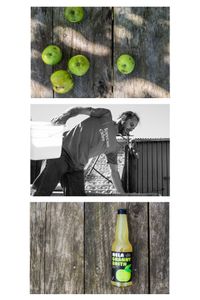
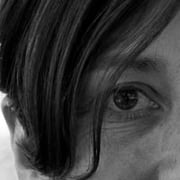
More than even our identities are constructed on what we consume. But the mass produced stuff that fills our lives and defines our consumer profiles gets thrown out very quickly leaving us surrounded by waste and trapped in the chimerical belief that we need more stuff to fulfill ourselves. In this project I’ve explored the idea of upcycling as a way to turn this vicious cycle around. Upcyclers use their creativity to turn waste into something more valuable than the original commodity. Creativity makes us unique as humans and as individuals because it results from the combination of nature and nurture. Hence upcycled stuff is a reflection of who we are in the environment we live in. The Wairarapa is a small region in rural New Zealand. Thanks to its vicinity to the capital Wellington, in recent years it’s been attracting a very diverse population. Originally from Italy, I moved to this area in 2011. I quickly discovered that this place is full of creative people. I was particularly fascinated by those who give a new interesting life to discarded or second grade materials. So I decided to tell their stories. I started this project in January 2017. The result was a series of 20 stories that was displayed as a photo exhibition during a local arts festival, in October 2017. In the original exhibition, the photos were individually printed on silver halide photographic paper, size 12 x 18 inches, matte. They were mounted on the white side of recycled core flute boards that had been previously used for the national elections campaign. I illustrated each story with a triptych because it's a layout that allows for the images to be independent and interconnected at the same time. I also wanted the stories to be visually connected with one another. So I used black and white images for the portraits and color images for the products. When the triptychs are displayed on a wall, they create a visual thread of black and white portraits immersed in a variety of colorful materials. The visual black and white thread is somehow symbolic of the creative potential (the “grey” matter) we all share by the fact of being human. The portraits were photographed in a documentary style. I visited each subject, in their own environment, while they were working or just hanging out at home. I didn’t direct them in anyway. I simply took photos while we were talking about their work and life in general. The products shots are staged and, in some cases, digitally manipulated to create a uniform background at the top and at the bottom which can somehow “embrace” the subject and allow the black and white portrait to stand out.
No categories selected
Photos (10)