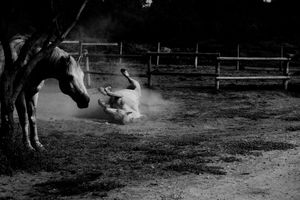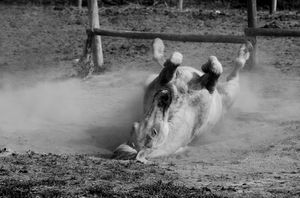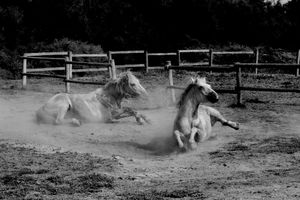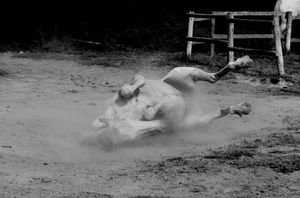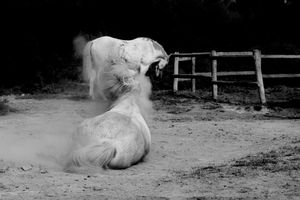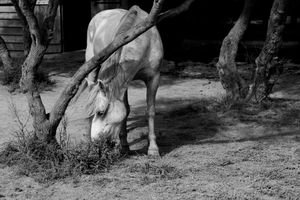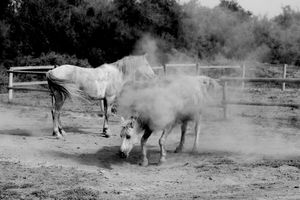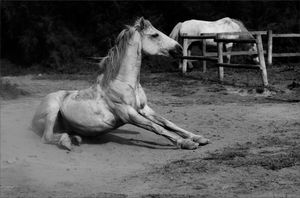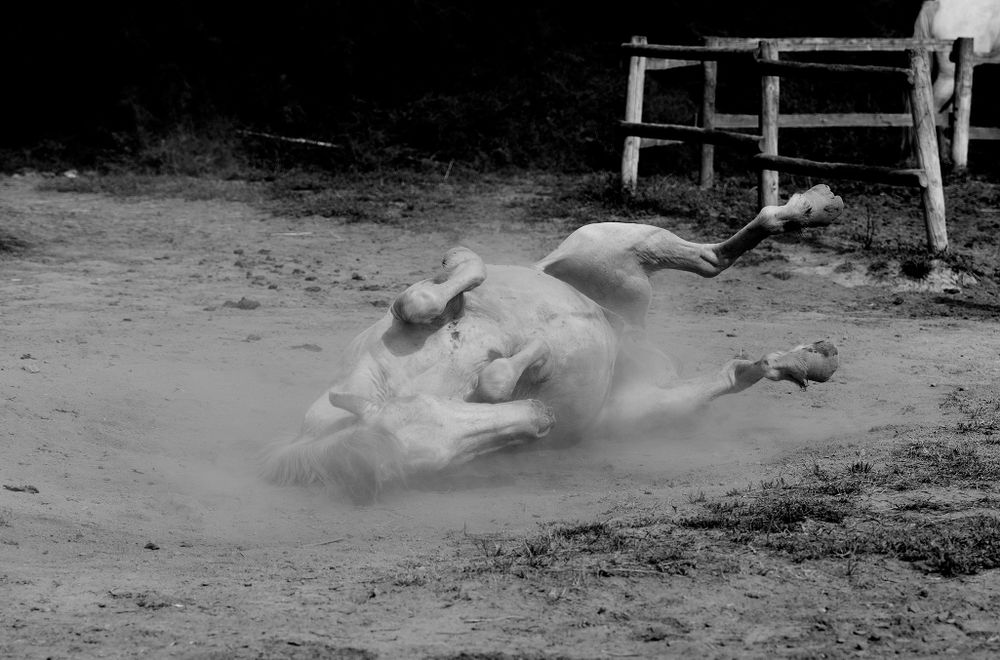

crin blanc
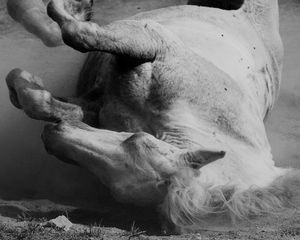
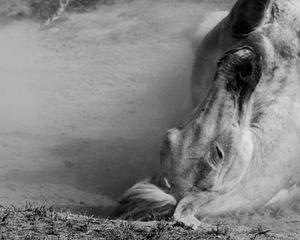
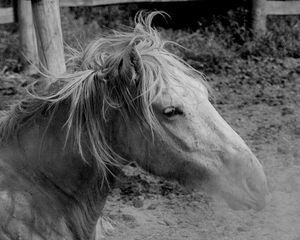
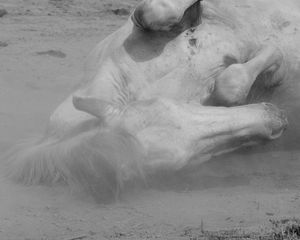
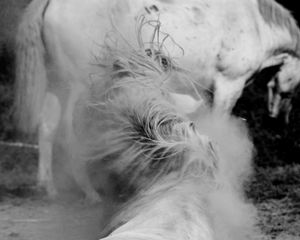
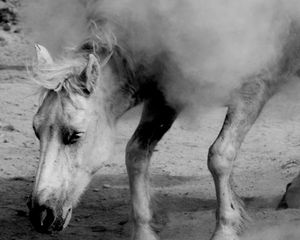
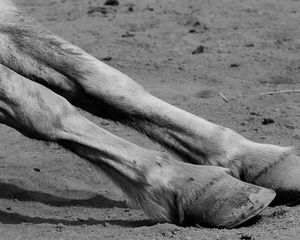
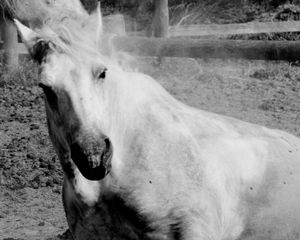
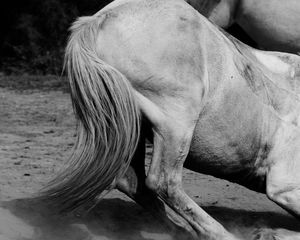
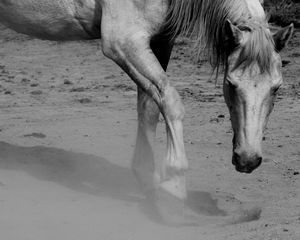
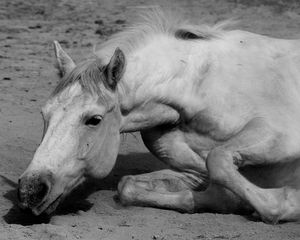
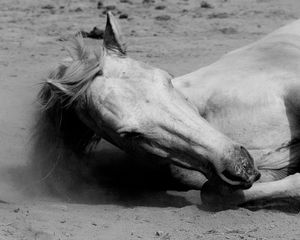
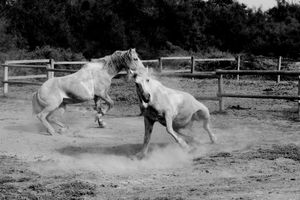
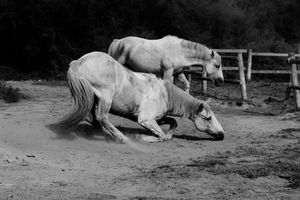
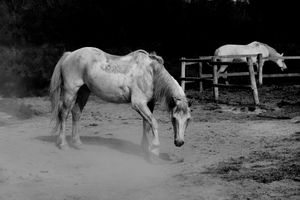
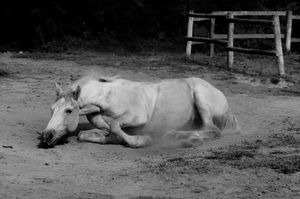
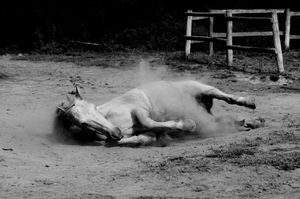
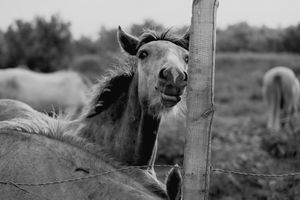
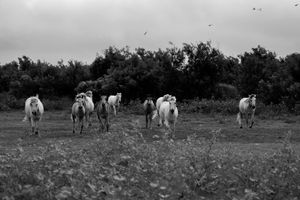
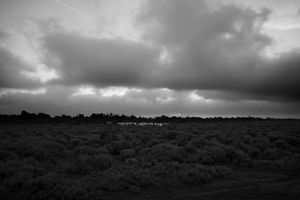
The equine obsession of my childhood was momentarily sated on a road trip in 2005 across the Camargue, the marshlands of the Rhône delta. Celebrated for their endurance and courage, the native horses of the Camargue represent some of the oldest equine blood on the planet and are close in form to the horses depicted in France’s ancient Lascaux cave paintings, thought to be over ten thousand years old. In the early summer of 2017 I spent nine days working on a pop-up exhibition at les Rencontres de la Photographie, Arles with one day out for escape to the beach, Saintes-Maries-de-la-Mer. On the road from Arles to Saintes-Maries-de-la-Mer, marshland and native horses are the windscreen landscape of the D570. My camera by my side, as always, but with the filmic aesthetic of Albert Lamorisse (Crin Blanc, 1953), and Denys Colomb de Daunant (Le songe des chevaux sauvages, 1960) in mind, I held back on photography; I wanted to get a little closer to the natural environment of these semi-wild horses than roadside capture could achieve. I returned in late summer having achieved a route through which I could begin research for a photographic project. My objective being to explore the history and habitat of the Camargue horses, understand their present and investigate what measures are being taken to secure a future where they will remain horses at liberty and what 'liberty' actually means. I am only just beginning...
No categories selected
Photos (28)