
A VERY HOT PLANET
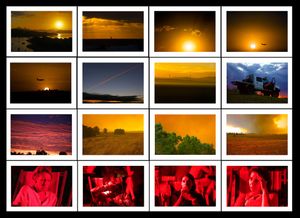
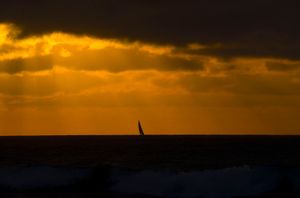
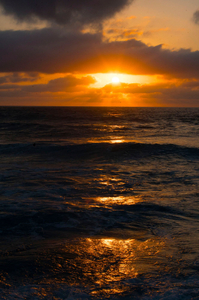
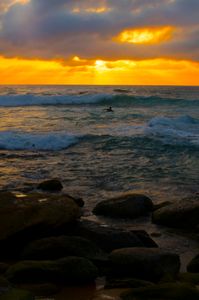
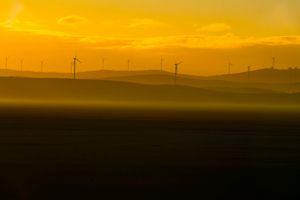
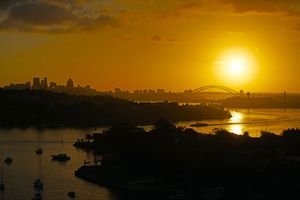
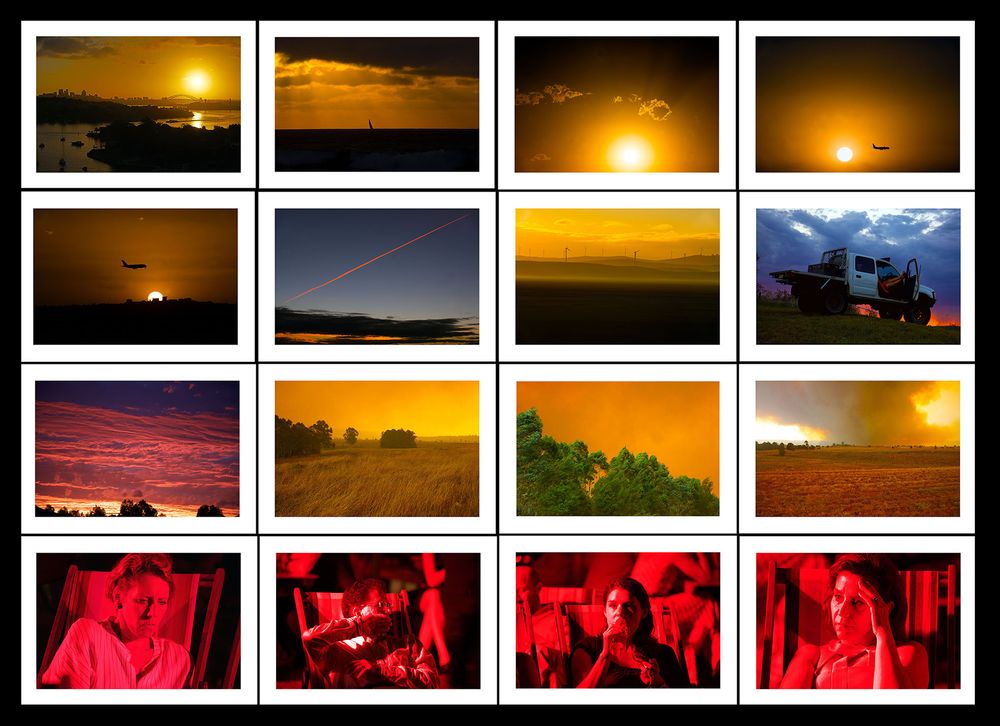
A VERY HOT PLANET 2018 These photographic images were made at dawn or dusk on very hot days in Australia between 30 and 50 degrees Celsius along the current coastline of Sydney and west to the lower Blue Mountains that form the original, ancient coastline cliffs of eastern Australia. Also, south to Lake George, Canberra, ACT Most of this beautiful, relatively new city, Sydney, has been built upon a flat geological plain that was originally deep underwater, an ancient sea bed. Lake George (Weereewa in indigenous language) is an expansive, shallow endorheic lake with no outflow of water to rivers and oceans, 40kms North-East of Canberra ACT. Photographs are not a coded form of communication like text, delivering messages specifically advising or teaching people in defined ways. All photographs obtain a small particle of reality, light and its absence, and communicate with the viewer positioned to observe and learn as witness. So that, rather than instructing the viewer to think in a certain way, a photograph gives room for learning. Photographs are image objects opening up personal speculation on scale, chaos, coincidence and comparison that form the uniqueness of the photograph experience. Looking at this sequence of images titled A Very Hot Planet does nothing to teach the viewer about, for example, climate change but, as artwork, it quietly encourages contemplation, wonder and, perhaps, awe in the modernized mind at increasing planetary heat and its potential effect on biological existence. Dave Cubby Sydney, Australia +61 430 862 678 mob. d.cubby@westernsydney.edu.au
No categories selected
Photos (11)