The ghats of Varanasi
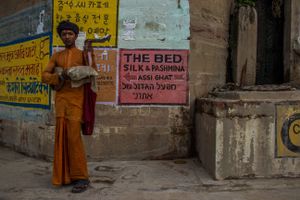
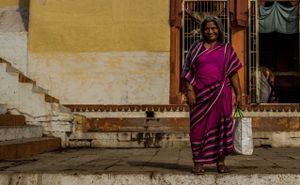
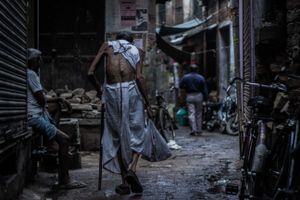
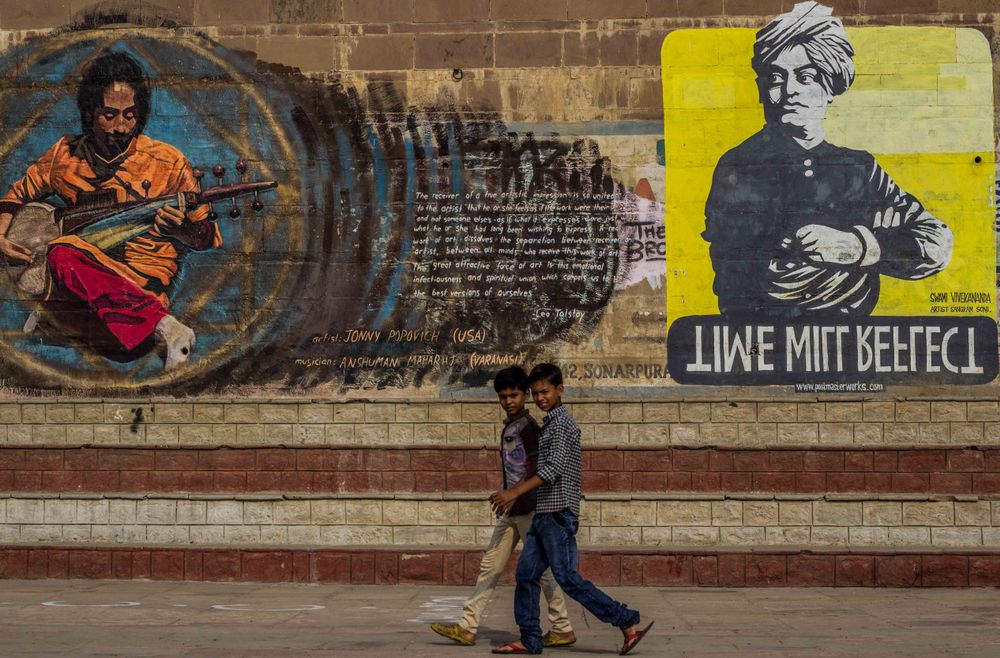
Varanasi, home of the dead, holiest city of Hinduism, founding place of Buddhism, the titles follow. "Varanasi is older than history, older than tradition, older even than legend", Mark Twain. My intention when photographing the ghats was to capture an essence that seems fleeting when only focusing on its structures, and incomplete if concentrating only on the humans who inhabit it. So I opted out for full length portraits were the streets of Varanasi could give a contextual significance to the portrayed and viceversa. I believe the result gives a throughout perspective on the various facets of day to day life for the inhabitants of the city. The sole exception to this rule was "Death in Varanasi", as I wanted to break the seemingly harmonious way in which the other pictures worked together. Yes, Varanasi is full of life, it is vibrant and colorful, but it is also dark and discomforting. Death is the reason for Hindu's pilgrimage to this city, and there are constant remembrance to this on their daily life. I avoided though to show images of the dead being cremated, since what I wanted to do was honour the stages of life in the city, and portray how death is present in ways more dubious than the form of a dead body. It is always there, as is the River Ganges, ready to embrace them at the moment of their deaths. It is not casual that all of the pictures taken, except for "Death in Varanasi", where shot on the promenade of the ghats, in front of the Ganges. You do not see the river in any of the pictures though.
No categories selected
Photos (6)