Changes in Climate Extremes
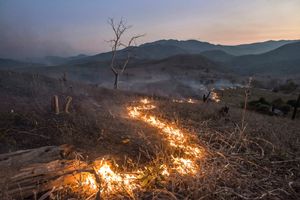
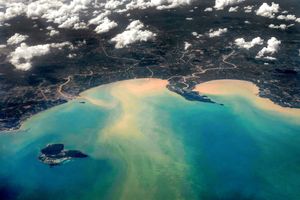
The increase of the average global temperature has caused extreme and unusual weather conditions to countries in Southeast Asia. According to independent analyses by NASA and NOAA, earth’s 2016 surface temperatures were the warmest since modern recordkeeping began in 1880. This makes the third year in a row to set a new record for global average surface temperatures. The planet's long-term warming trend still continues when NASA announced in January 18, 2018 that averaged temperatures in 2017 were the second hottest only to global temperatures in 2016. This increase resulted in the unusual phenomenon ranging from extreme drought, heat wave unusual flooding to cold wave causing the unusual frost and snow on its highland of Northern Vietnam. The weather phenomena which fall outside the boundary of average weather patterns have a largely impact on food and agriculture sectors and the livelihood of farmers in the region where their economy is based mainly on agriculture. People have to struggle and adapt themselves to the unusual weather condition with the future temperatures are expected to change further and hardly predictable. However, according to Dr. Sophie Lewis, from the Australian National University (ANU) hub of the ARC Centre of Excellence for Climate System Science (ARCCSS). “The hottest year on record globally in 2015 could be just another average year by 2025 if carbon emissions continue to rise at their current rate” “And no matter what action we take, human activities had already locked in a "new normal" for global average temperatures that would occur no later than 2040”
No categories selected
Photos (9)