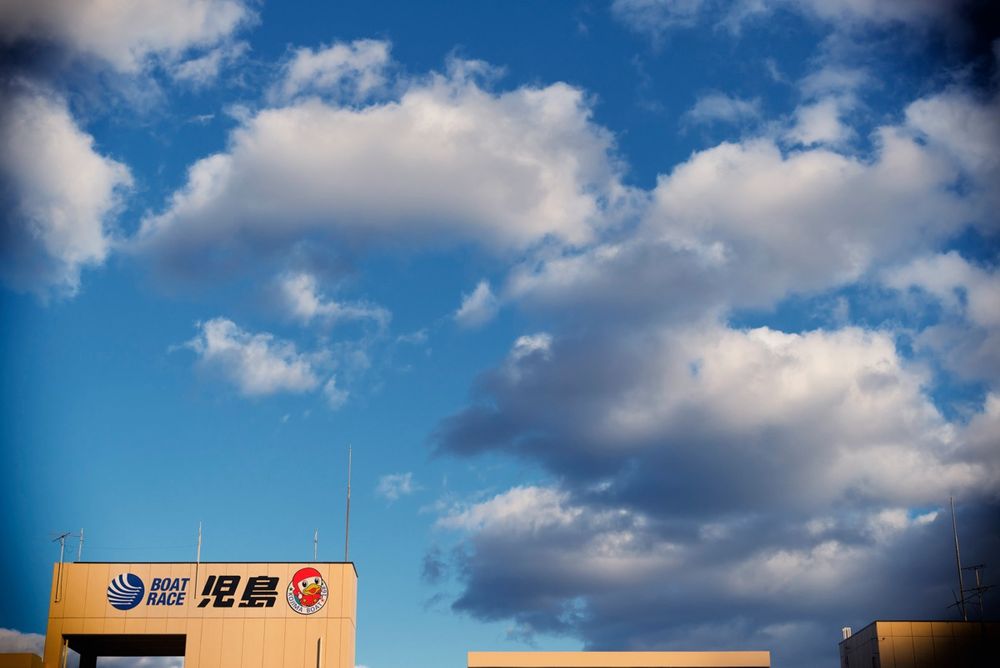

Boat Race 児島
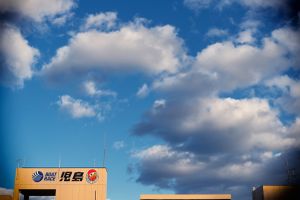
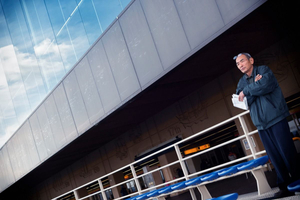
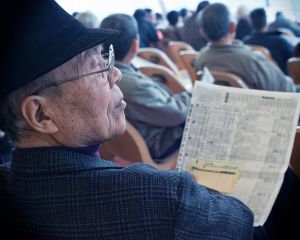
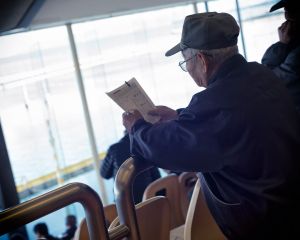
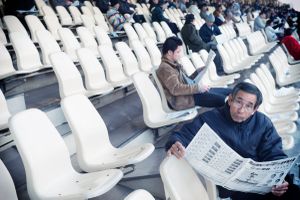
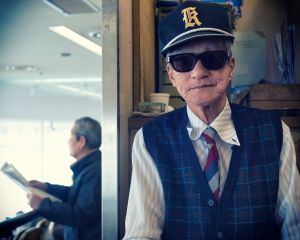
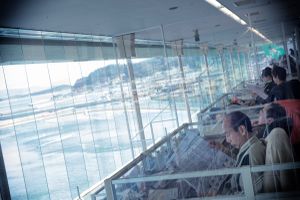
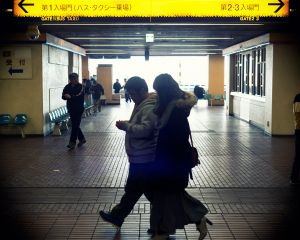
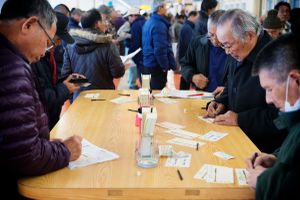
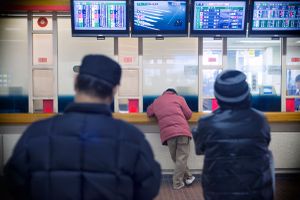
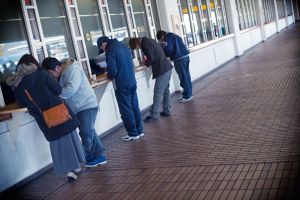
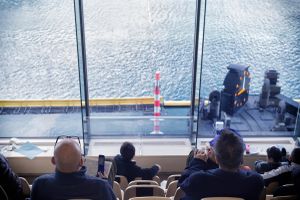
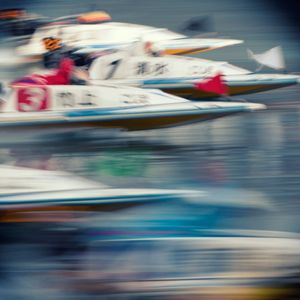
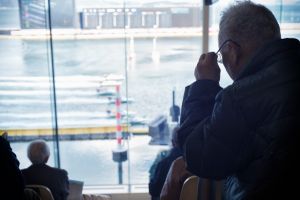
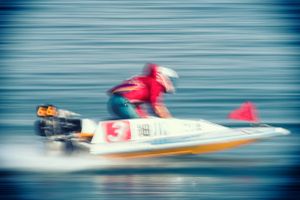
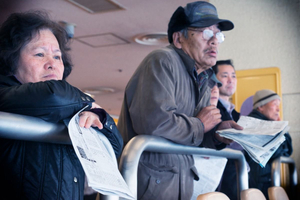
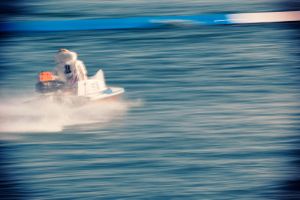
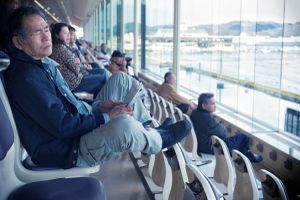
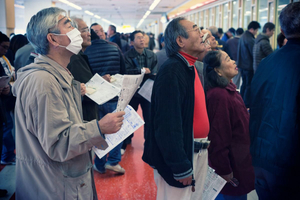
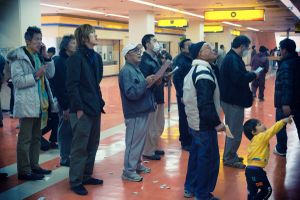
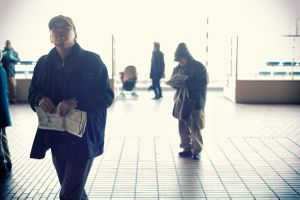
In the Okayama Prefecture of Japan there’s a little town nestled on the coast of the Seto Inland Sea called Kojima. While to most tourists it’s a blip on the map or a stop on the Mariner train line to Shikoku Island, there are two aspects of the town that draw in outsiders. If you’re obsessed with denim, Kojima is the place for you as it’s not only considered the birthplace of Japanese denim, it maintains a reputation for being the raw manufacturing hub for some of Japan’s highest quality denim. If you see a foreign face combing the streets of this town, more often than not it’s for the clothing. The second draw has much less to do with importing the international crowd as it does with what appeared to be a strictly Japanese demographic. A short jaunt down the road from the Kojima train station there’s a gargantuan complex straddling the waterside. It’s not a fish market or commercial port. It’s a boat race track with three floors of seats, betting salons, restaurants, and the ever ubiquitous vending machines. It’s just one of twenty-four boat race tracks in the country, and while it’s not necessarily the mecca of Japanese boat racing, it does draw in more than its share of folk not native to Kojima itself. It’s also a place where you can get a taste of what life must have looked like at a horserace track in the US back in the 60’s and 70’s. The idea of watching six racers bolt around a water track oval for three six hundred meter laps in roughly 10 foot long boats fitted with 400cc twin outboard motors is, for first timers, appealing, but to the seasoned regular, the race itself is only a means to an end. It’s the numbers game they’re looking for. The types of betting you find here are simplified in comparison to their US equine counterparts. You’ve got the Quinella Place, the Quinella, the Trio, the Exacta, and the ever-so-coveted Trifecta. Of course, competition is ranked through four classes (B2, B1, A2, and A1 from lowest to highest). Surprising though is the complete lack of restriction in terms of age or gender, making it possible to bet on a race where both a woman in her mid twenties and a man in his early fifties jockey for the better position in the same race. You might think it a bit redundant for regulars to show up and bet only on the races in front of them. Thankfully, the miracle of modern technology has transformed the race track to where it also doubles as an off-track betting facility for races taking place in any one of the other tracks running races that same day. Of course, off-track betting isn’t exactly modern in the age of the internet. So you might ask the question why would anybody want to leave their warm comfortable homes and brave the costs of travel and cold winter temperatures when all they need is a computer with good internet access? The answer lies in just exactly who shows up to these races. As perverse as it may seem, I made an observation while taking a trip to a men’s restroom at the race track. When I walked in there were several men patiently standing at their respective urinals. After I had finished up, washed up, and started heading for the door, I noticed those same men standing still ever so stoic. Although I didn’t ask, I somehow suspect that their lengthy stay had less to do with copious amounts of drinking than it did with malfunctioning prostates. While the human landscape was dotted with some young adults and the occasional child or two, the huge majority of people I saw at the track where over the age of forty-five and male. Judging by appearance, they weren’t the typical kaisha men you might find cramming the subway stations of cities like Tokyo or Osaka during commute times. They were Japan’s blue collar guys with stone faces chiseled from years of repetitious labor. The kind you might find at an extras casting call for Martin Scorsese’s Goodfellas, except with asian faces. The women I saw (of which there were very few) were a mix between the female equivalent of the aforementioned mob chic and the category of old crone. It was the type of crowd with a complete lack of foreign looking faces, and where the now negative connotation found in the term “gaijin” takes precedence in usage over the more politically correct “gaikokujin.” That’s not to say that I felt a sense of being a seal among sharks. On the contrary, the people I met and talked to (although I have to admit my Japanese leans more in the direction of butchery rather than mastery) were patient, polite, and very helpful. This wasn’t a collection of baby boomer dullards and street thugs. This was a group of people playing out their statistical dreams and wishes in the comfort zone of a time warp.
No categories selected
Photos (28)