India's Story of Triumph Over Polio
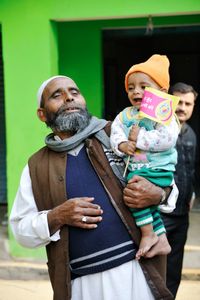
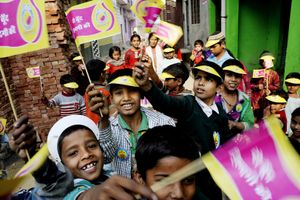
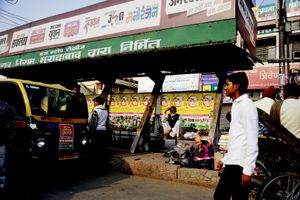
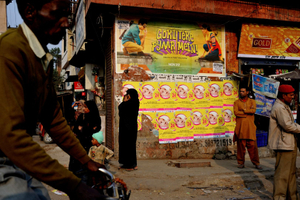
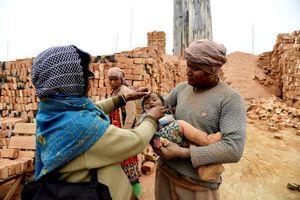
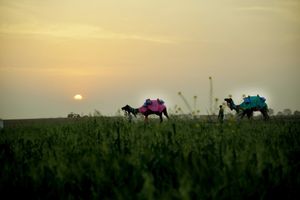
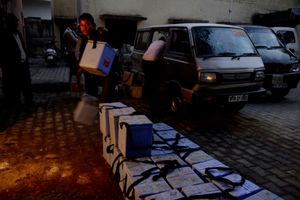
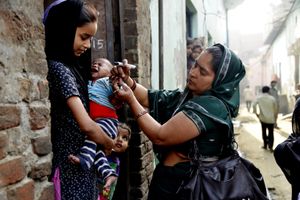
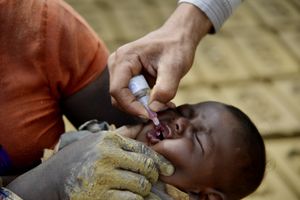
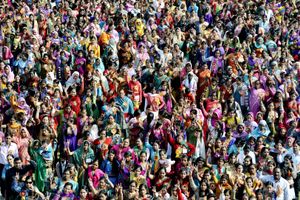
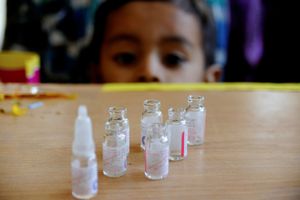
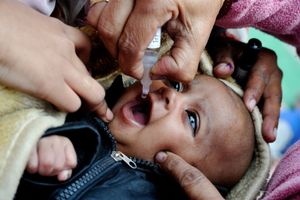
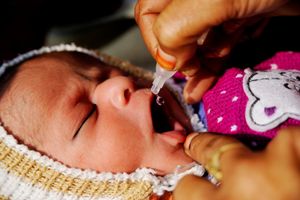
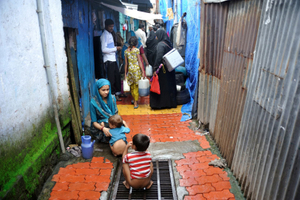
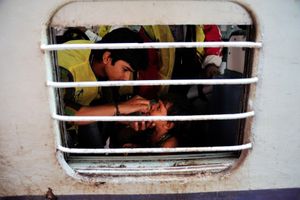
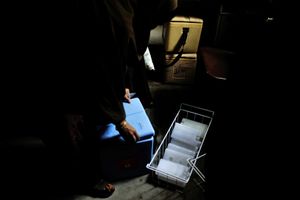
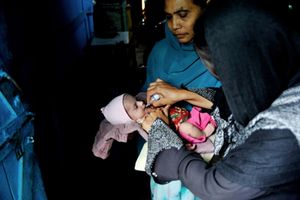
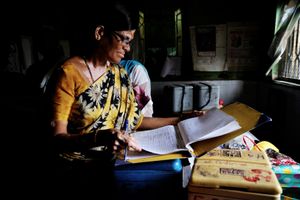
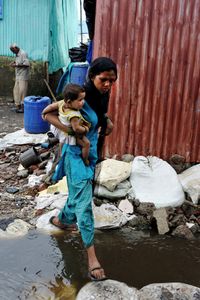
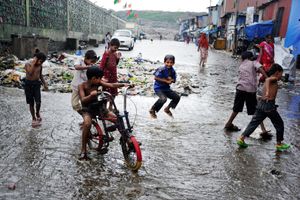
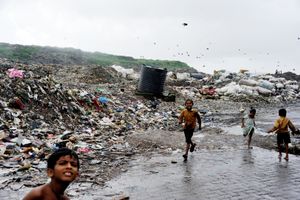
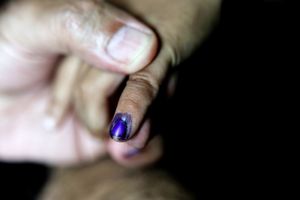
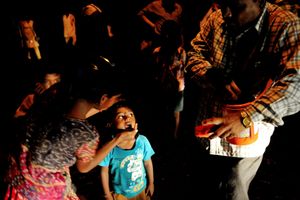
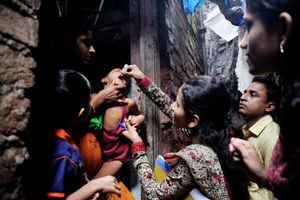
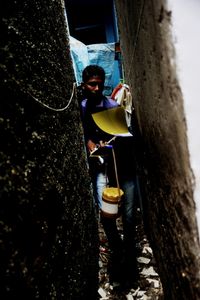
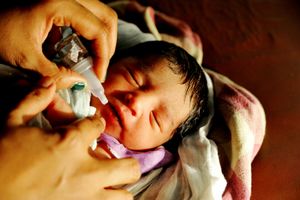
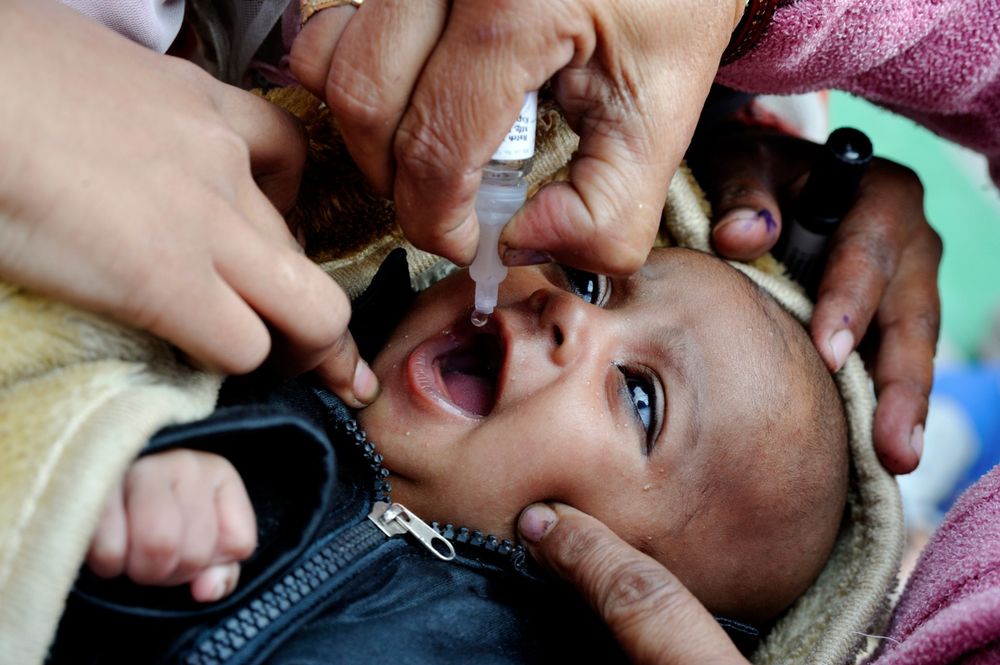
They said India would be the last country to stop polio. The feat was near impossible: to find and immunize more than 170 million children behind every door of every dwelling in this vast sub-continent; to reach the millions who didn’t even exist on a map - brick kiln workers, construction workers, slum dwellers, nomads; to provide two drops of oral polio vaccine to protect India’s children from the most intense transmission of wild poliovirus on the planet, in one of the most heavily, densely populated countries on earth. They said the population was just too large, and moved too much. Every year, 27 million babies were born - a large enough cohort on their own to sustain transmission, if not immunised. Every day, 23 million people criss-crossed the country on 11,000 passenger trains. They moved abroad too, carrying virus from India to other countries, resulting in outbreaks of Indian virus in Bangladesh, Nepal, Tajikistan, even Angola. They said the challenges were too great. The mixture of poor sanitation, population density, poor health conditions, heat and monsoon created a perfect storm for virus transmission. In western Uttar Pradesh, rumours swirled about the oral polio vaccine, that it was ‘haram’, that it sterilized boys and other theories that generated distrust. In neighbouring Bihar, the Kosi River flooded the plains each year, overnight turning green rice fields into a vast, inland sea. Here, the millions that farmed its edges left their homes, moving to new ground as they’d done for centuries, the completely new landscape rendering last year’s microplans useless, the vaccinators forced to traverse wide rivers on slow boats to find those scattered children. How could you possibly know if you had immunized them all? They said the epidemiology was a bridge too far: to raise immunity to the threshold required to stop the virus, experts said, more than 95% of children in India’s highest-risk areas would need to be vaccinated more than eight times each. That would require the Government of India to fund and distribute more than 90 million doses of oral polio vaccine every month, to coordinate and pay more than 750,000 vaccinators every month, and to outlay more than $500 million a year, every year, until it was finished. That would require the vaccinators and social mobilizers to roll out up to 10 campaigns a year. To march through Ghaziabad’s baking hot alleyways in May, or traverse the sweltering humidity of the Kosi River basin in August, to climb the ladders of Mumbai’s three-storey slums in December, to reach every construction site in Gurgaon and every brick kiln in Bihar, to seek out every last child in the microplan, to not be complacent, to not tire, or be lazy, or waver in the face of parents, shouting, “Why these polio drops again?”. It was not their stipend of just $1 a day, but the cause which kept the frontline workers going. In 1988, when the World Health Assembly, inspired by the success of smallpox eradication, embraced Rotary International’s dream of a polio-free world and launched the Global Polio Eradication Initiative, an estimated 350,000 children worldwide were paralyzed or killed by poliovirus each year. A staggering 200,000 of these cases occurred in India. What followed was the world’s largest immunization effort: twice a year, National Immunization Days reached more than 170 million children across the country in five days. A further seven to eight times a year, Sub-National Immunization Days reached nearly 75 million children in the highest-risk areas, the focus being to reach every child, in every round. This incredible endeavour was achieved through the strong commitment and partnership between the Government of India, the World Health Organization, Rotary International and UNICEF - the key polio implementing partners - as well as the US Centers for Disease Control and Prevention, CORE, the Bill & Melinda Gates Foundation, the US and Japanese government aid agencies, among others. It happened through the rigorous management of well-planned vaccination campaigns and an appetite for seeking innovative solutions to challenges; by focussing on the one child missed with equal passion as the 99 who were vaccinated. To reach every child, frontline workers mapped every village, town and city, every brick kiln and nomadic settlement via ground-level microplanning. Pregnant mothers and newborns were tracked and ‘due lists’ for vaccination shared with local health workers. Mobile vaccination teams cast a tight net for children at major intersections, at bus stations, on railway platforms and even on moving trains. Nomadic groups and sites were tracked, religious festivals followed, and human resources allocated to focus on the very highest-risk groups and areas. Tens of millions of children were vaccinated at border posts with Nepal, Pakistan and Bangladesh. ( From the introduction of the book " India's Story of Triumph Over Polio" )
No categories selected
Photos (30)