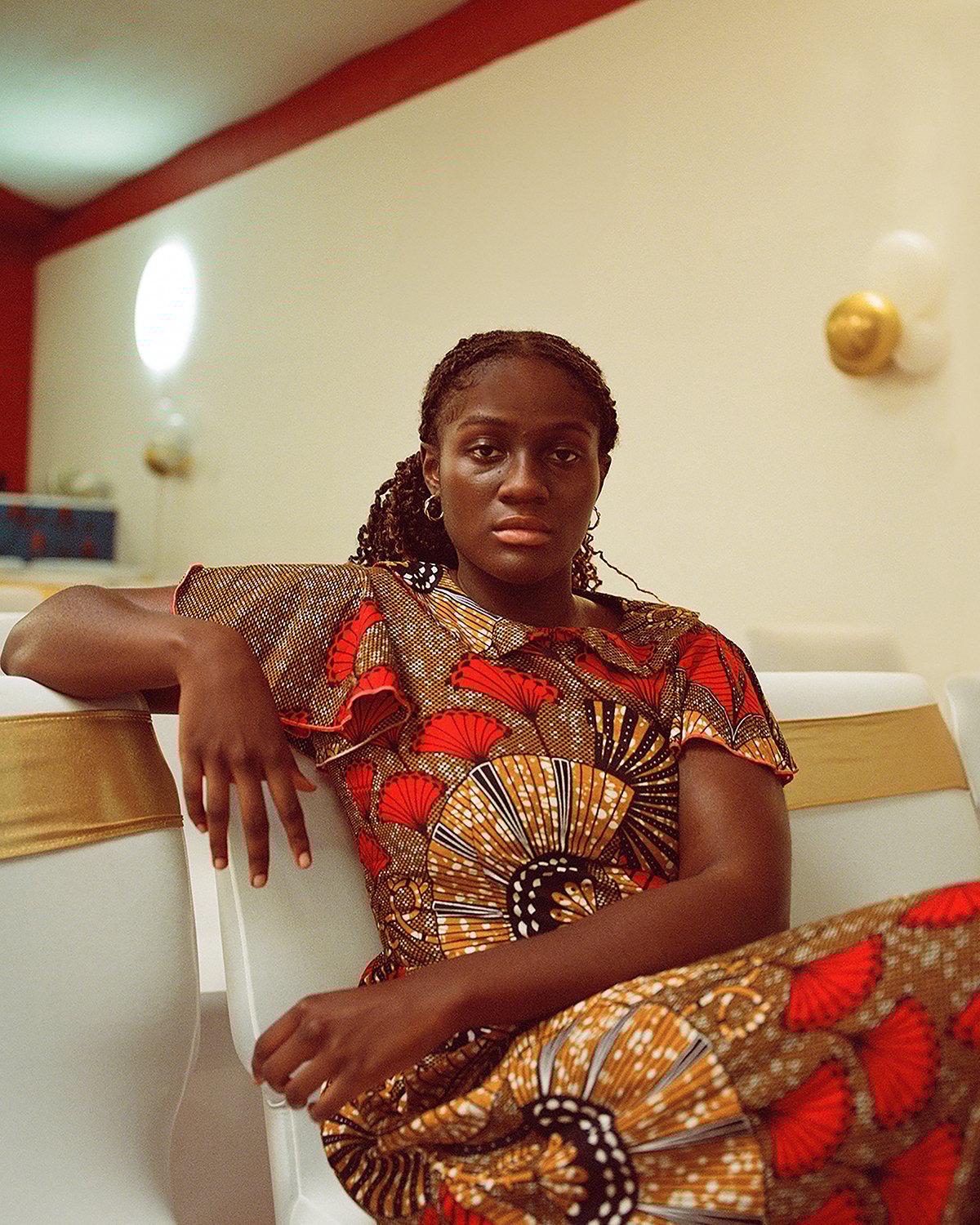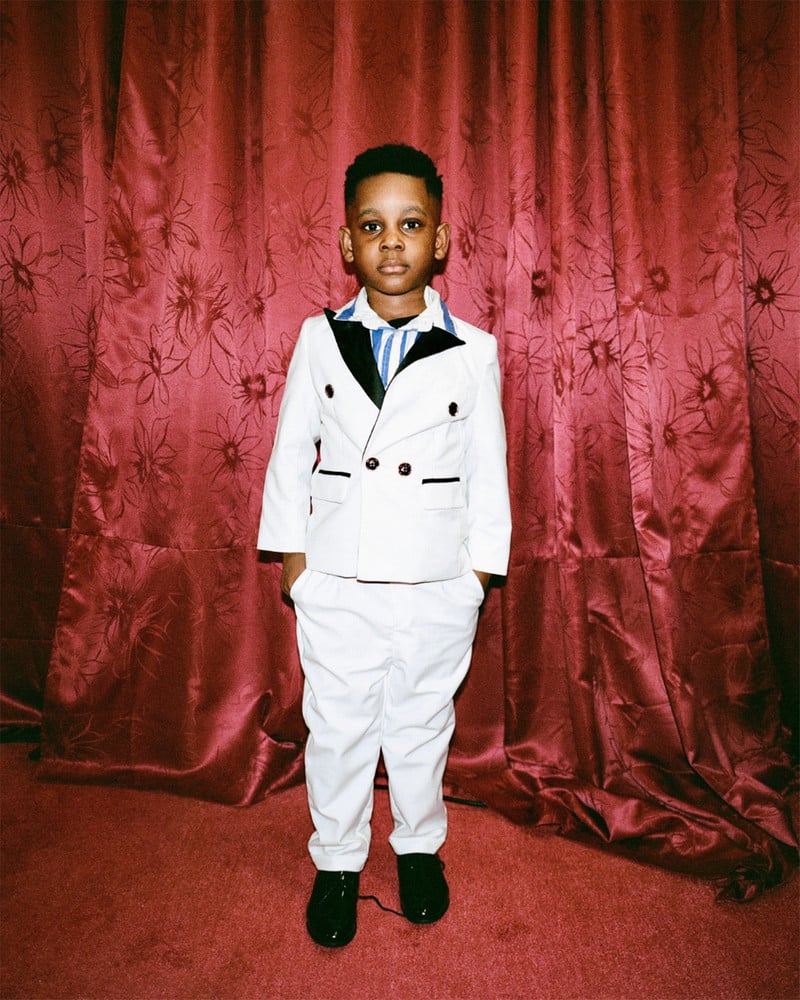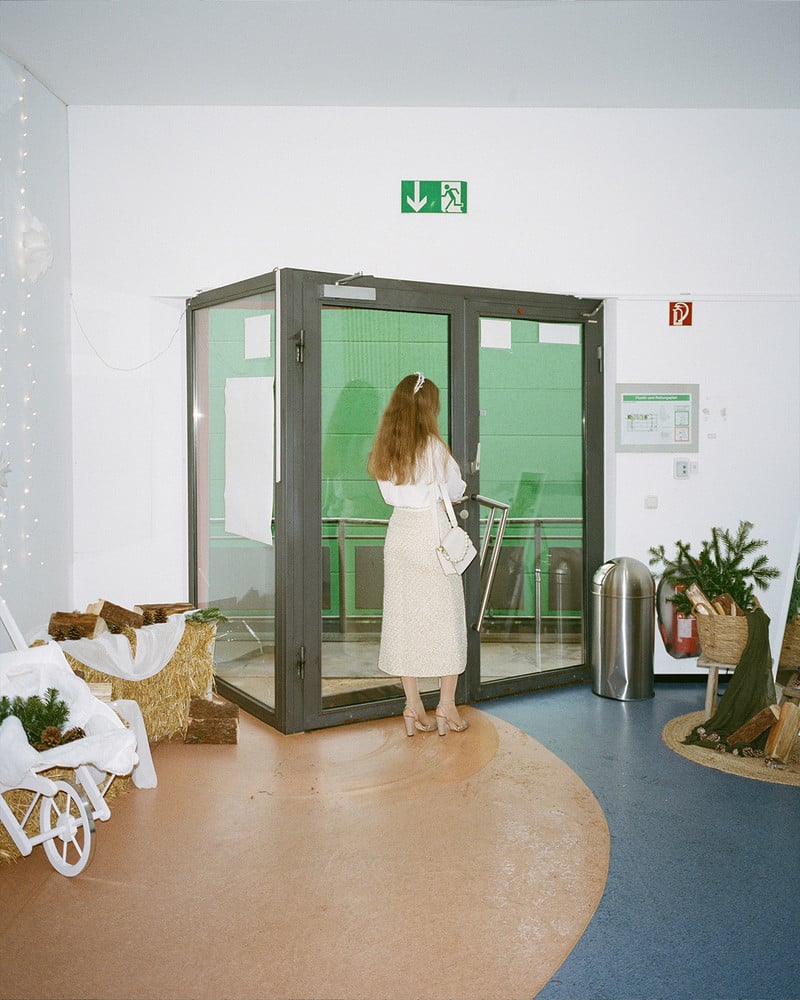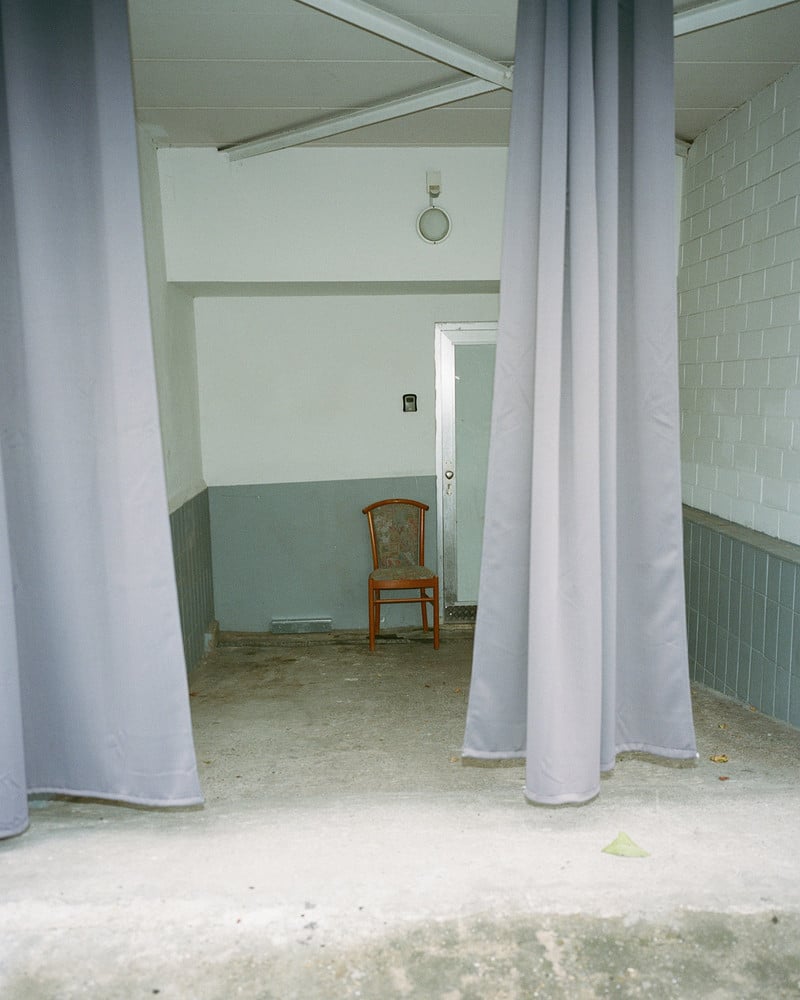
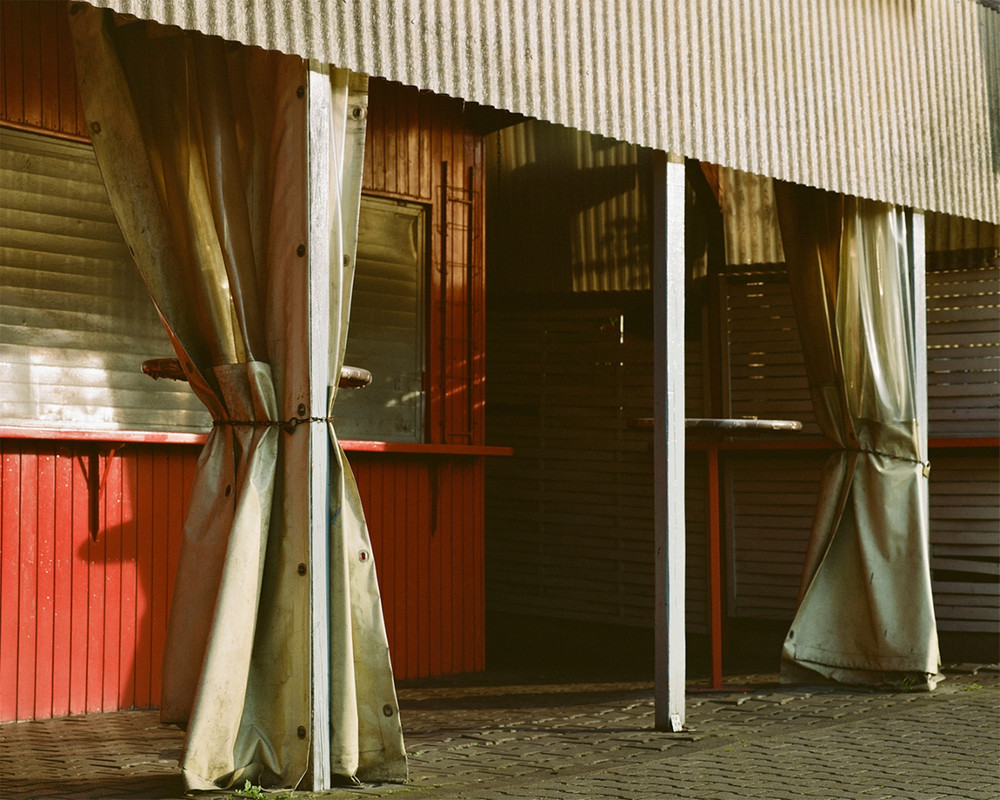
Every weekend, on the edges of Frankfurt, a nondescript industrial area lined with repair shops, office buildings and one of Germany’s biggest meat production factories undergoes an unlikely transformation. During the week, its warehouses are filled with different workers. When Sunday comes, these looming spaces become host to worshippers of various faiths. Springing to life with prayers, weddings and various other community activities, spirituality seeps through the district as a group of independent churches and cultural organizations occupy the buildings.
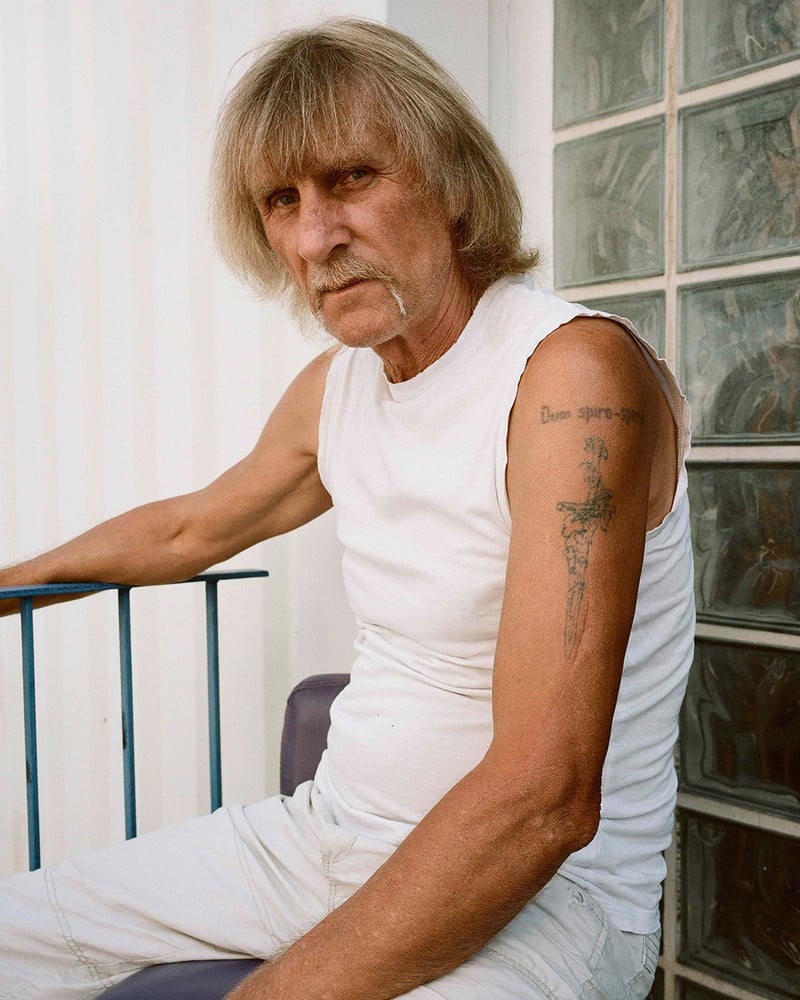
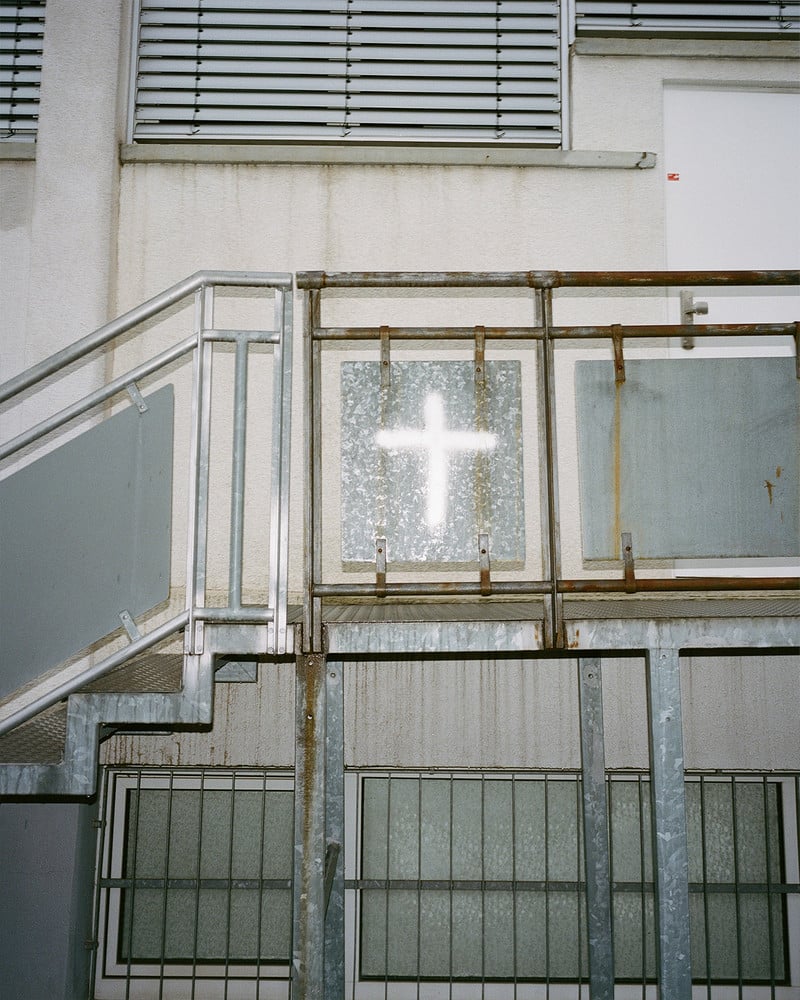
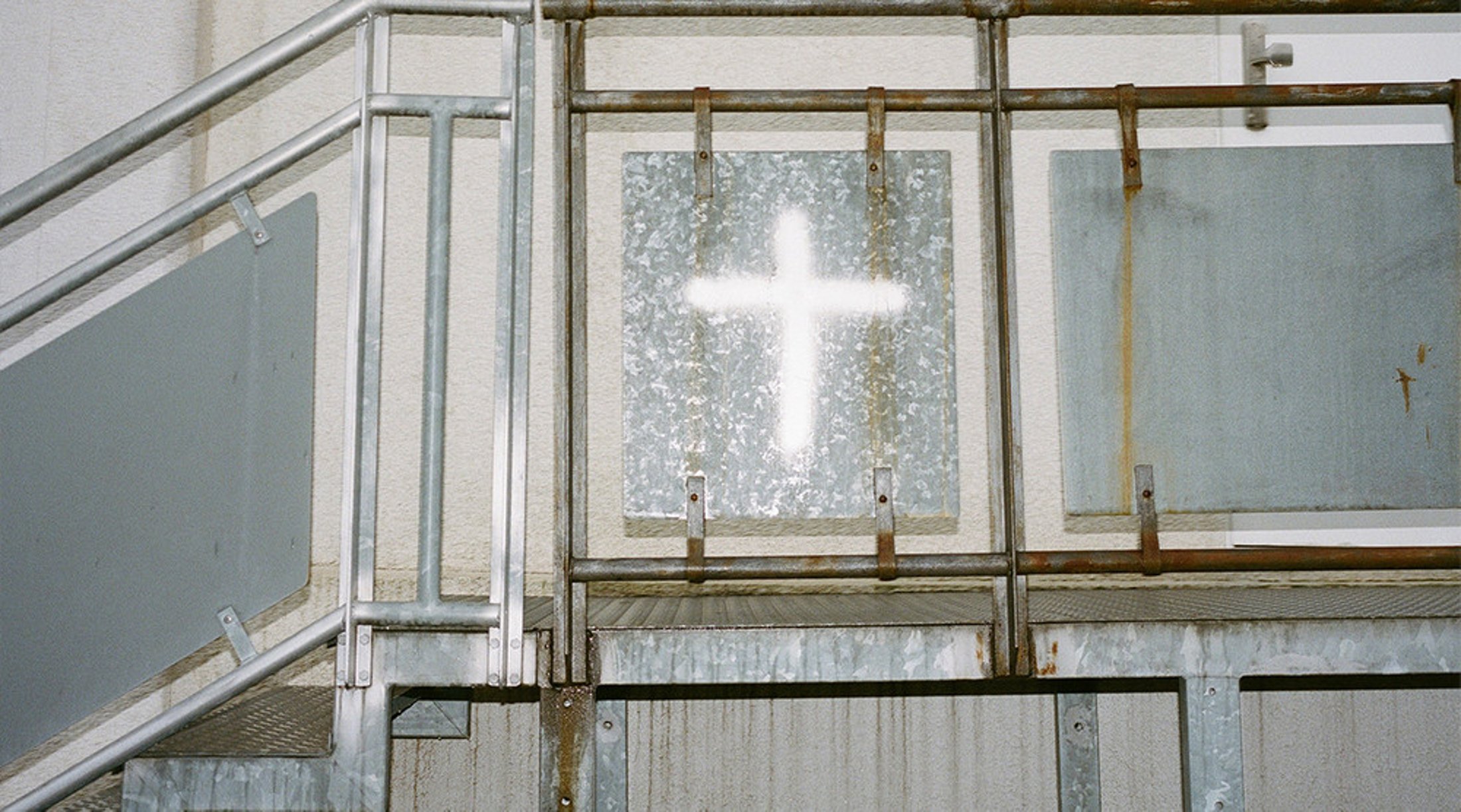
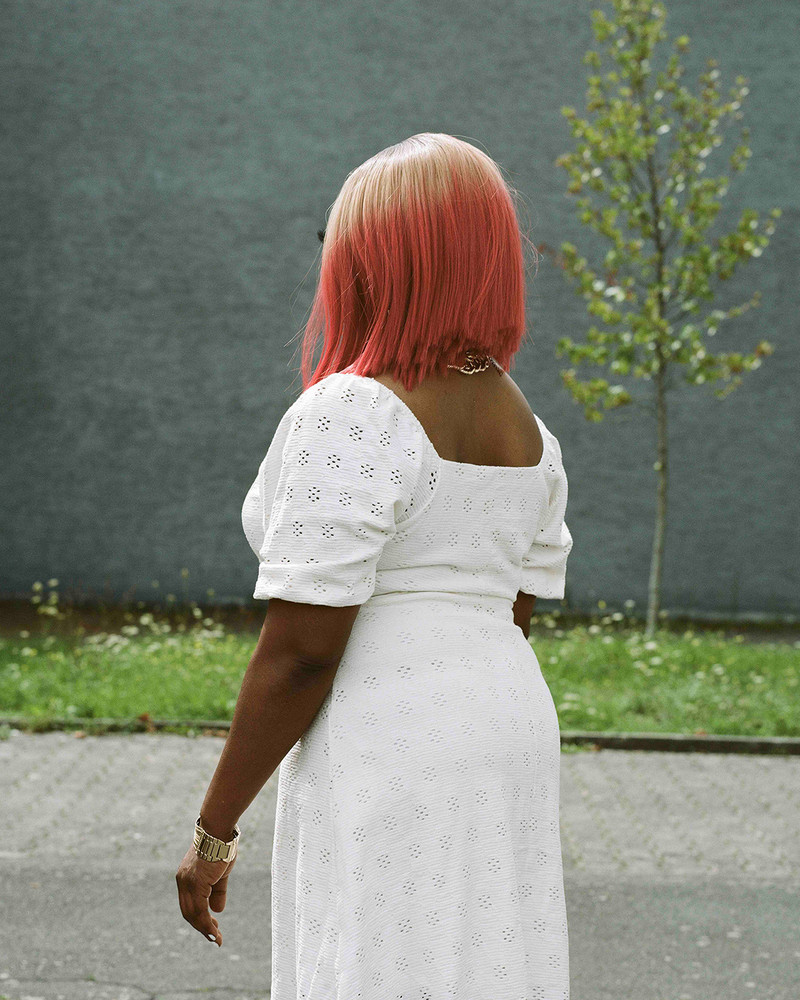
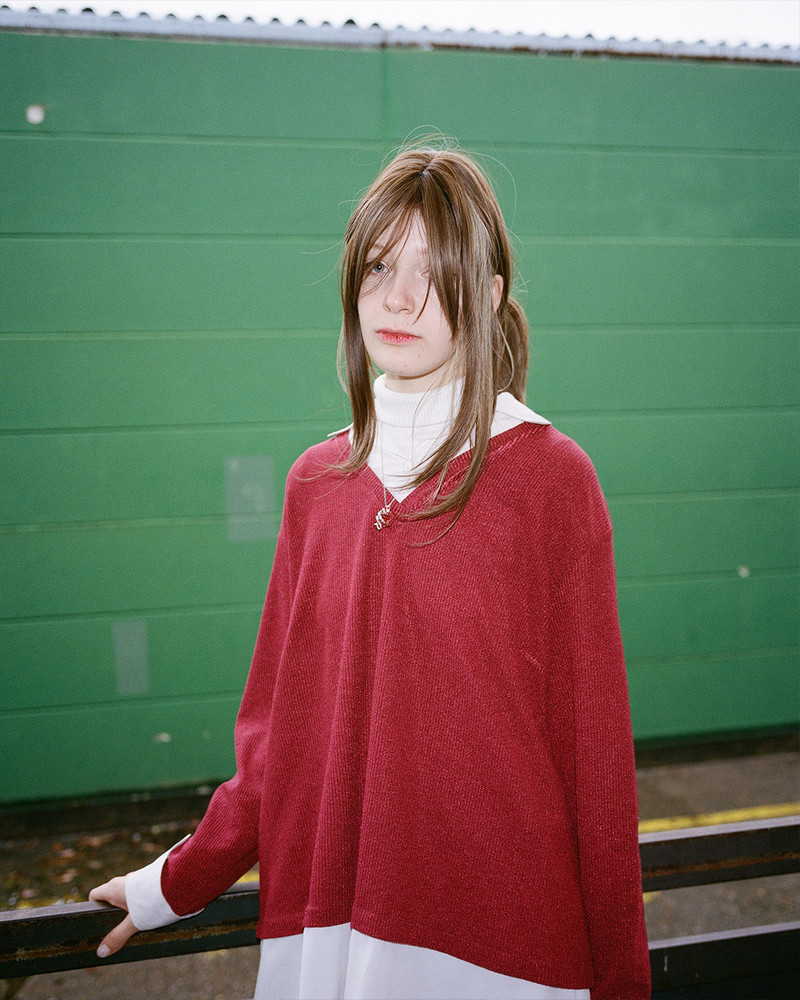
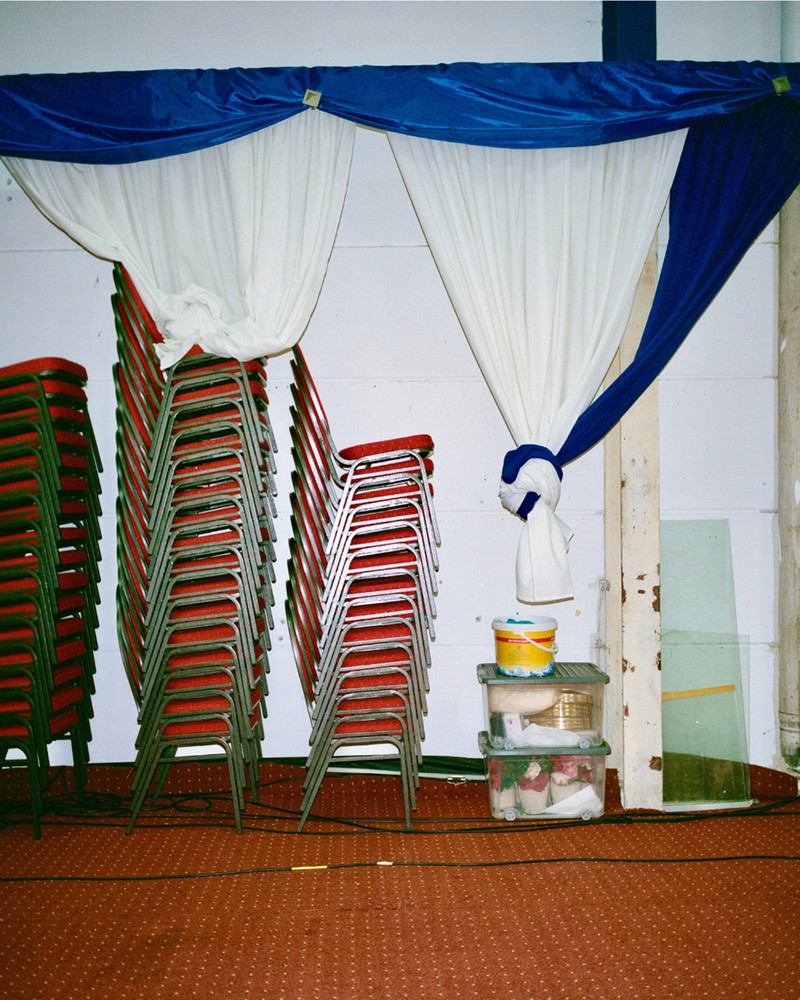
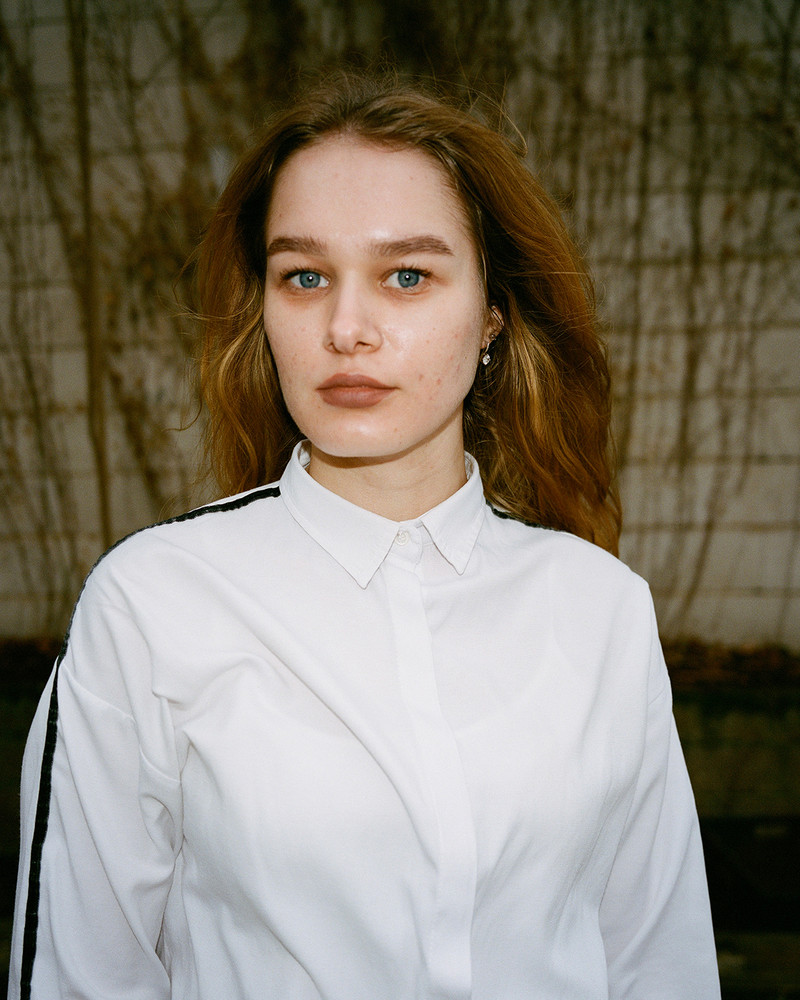
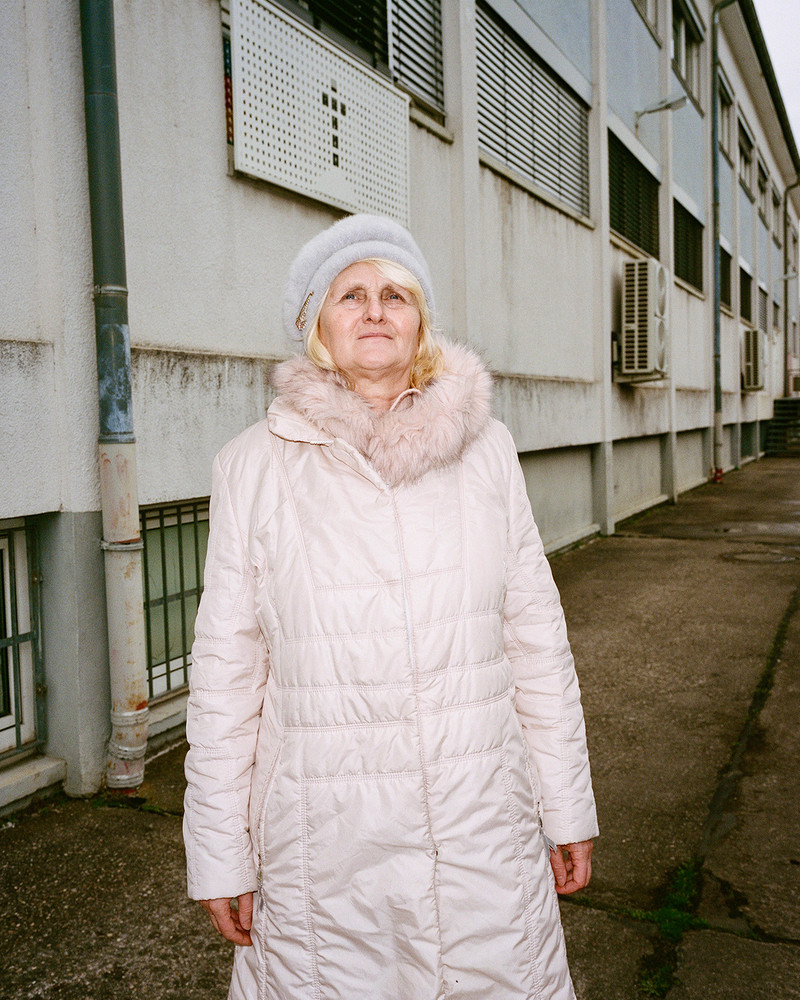
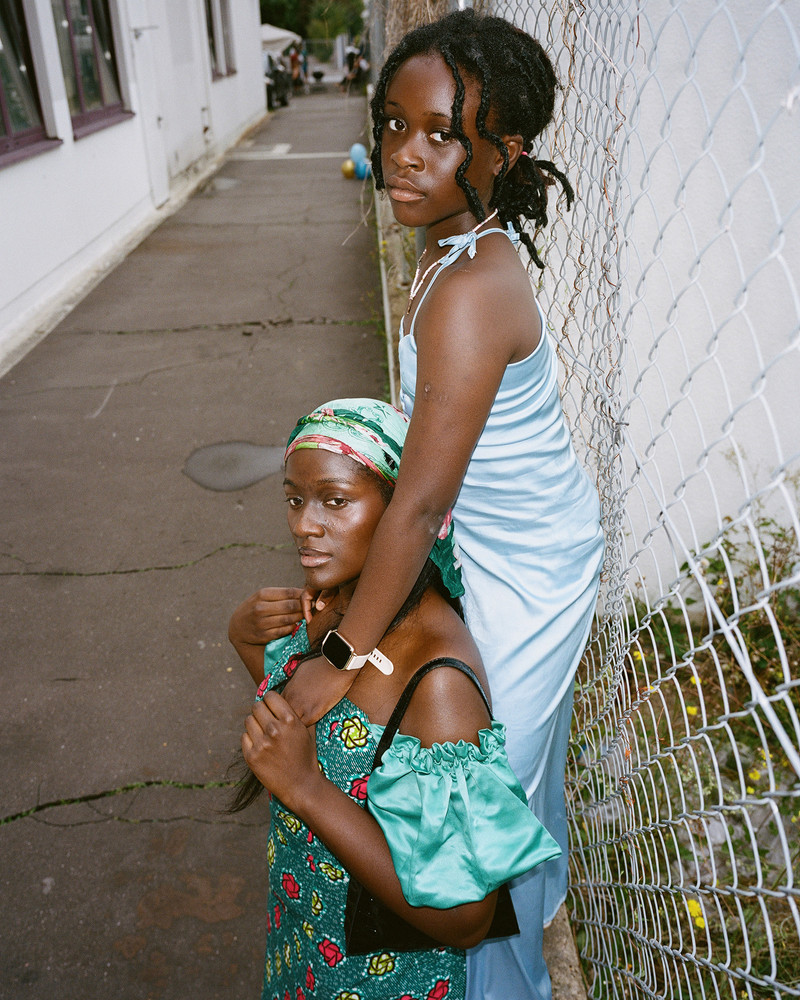
For over two years, Josefine Rauch has been making the journey to the outskirts of her home city to Temple Road after stumbling upon its second, semi-hidden life on a trip to the printer. Her photographs document architectural details and adornments as well as the faces of the regulars that make up the area’s diverse weekend community. Unnoticed by the rest of the city, the photographer’s portrait of Temple Road pays tribute to its lesser-known use and the peaceful coexistence of the multiple communities that find spiritual solace there every week.
In this interview for LensCulture, Rauch speaks to Sophie Wright about her interest in contrasts and transitional spaces, the communities that she met at Temple Road and the unique ever-evolving character of the neighborhood.
Sophie Wright: How did you first come to photography and what keeps you there?
Josefine Rauch: I deepened my engagement with photography while studying in the United States. At Cal State University Los Angeles, I was introduced to the darkroom and loved the slower, more attentive process it demanded. By then, I had already spent quite some time in California, always trying to grasp a particular feeling the place evoked in me. Photography became a way to get closer to that feeling; it was a place that both attracted and unsettled me. It helped me explore and begin to understand that tension. It was also the first time I worked in a more focused, serial way, following a subject over time.
I’m most engaged when there’s a sense of emotional ambiguity—when something resists being fully understood. If a situation feels too clear or resolved, I often lose interest. That space of complexity is what continues to shape my work.
SW: Can you describe the key interests that fuel your practice? Why is photography the language you use to express your ideas?
JR: It’s probably a mix of curiosity and a kind of restlessness. Photography gives me a reason to walk into unfamiliar places, talk to strangers, and look at the world more closely. The camera allows me to be present and ask questions while remaining somewhat invisible, which suits my character. My energy often comes from a quiet desire to observe and understand the unseen layers of the world around me. I’m drawn to overlooked or transitional spaces—places where ordinary life becomes quietly profound. Through photography, I navigate confusion, tension, and transformation—both in my environment and within myself.
SW: Your previous projects have had strong connections to the US. With this project you have moved closer to home. Would you say Temple Road grows out of your other work or does it mark a departure?
JR: I see Temple Road as a continuation of my existing practice. While the geography has shifted, many of the underlying themes remain the same: the tension between presence and absence, visibility and invisibility, community and solitude. The US still plays an important role in my work—I continue to spend a lot of time there and have ongoing projects based in that context. I was drawn to photography there, and the contrasts and aesthetics of that environment still inform how I see, wherever I am.
SW: How did you come across Temple Road? What first sparked your interest?
JR: A chance encounter, seen through curious eyes. I sometimes have to drop off materials in the area for a printing company I work with. One Sunday, while making a delivery, I immediately noticed a different atmosphere than usual. When I saw all these well-dressed people disappear behind closed doors, I knew I’d be back the following Sunday. I was struck by how this utilitarian space quietly transformed into something communal and spiritual. While the gatherings were new to me, the setting itself wasn’t—I grew up not far from an industrial area and remember being drawn to those large, sterile buildings, always wondering what might be hidden behind their walls.
SW: Can you paint a backdrop of the area and its relationship to Frankfurt?
JR: The area lies on the eastern edge of Frankfurt, where the city begins to dissolve into industrial zones, railway lines, and the curve of the Main River. Once a village in its own right, it was incorporated into Frankfurt in the early 20th century during a period of rapid urban expansion. Today, it retains a sense of in-betweenness—part residential, with an old town center that still carries traces of its village past and has maintained a distinct neighborhood character; and part industrial, where the communities from my project are based. This part is shaped by warehouses, car repair shops, logistics hubs, artist studios, and a notable meat-processing company within the German food industry.
SW: What is the history of Temple Road? How did it become host to so many diverse places of worship?
JR: With Frankfurt being one of Germany’s most diverse cities, the area is shaped by migration and adaptation. Many congregations on Temple Road settled here out of necessity—industrial spaces offered affordability and a degree of privacy. Over time, a patchwork of faith communities has taken root, forming a unique constellation of places of worship. Some have only arrived in the past five years, having previously been scattered across residential areas. Several told me they had to leave former locations due to rising rents, redevelopment, or complaints from neighbors. For some, it may be only a temporary sanctuary, with the risk of displacement still present.
SW: What kinds of different faith communities did you encounter there? Are there ever interactions between them?
JR: I encountered a wide range of communities—Hindu temples, Muslim congregations, and numerous Christian denominations, many with strong ties to migrant or diasporic groups. While each community is very much rooted in its own rhythms and traditions, they share time and space in a way that’s quietly powerful. There aren’t many overt interactions between them, but there’s a subtle, peaceful coexistence—an unspoken agreement of mutual respect and parallel presence.
SW: Nestled among industrial warehouses, repair shops and factories, seem inconspicuous until activated on the weekend. Did each location have its own flavor in terms of decor, architecture and interior?
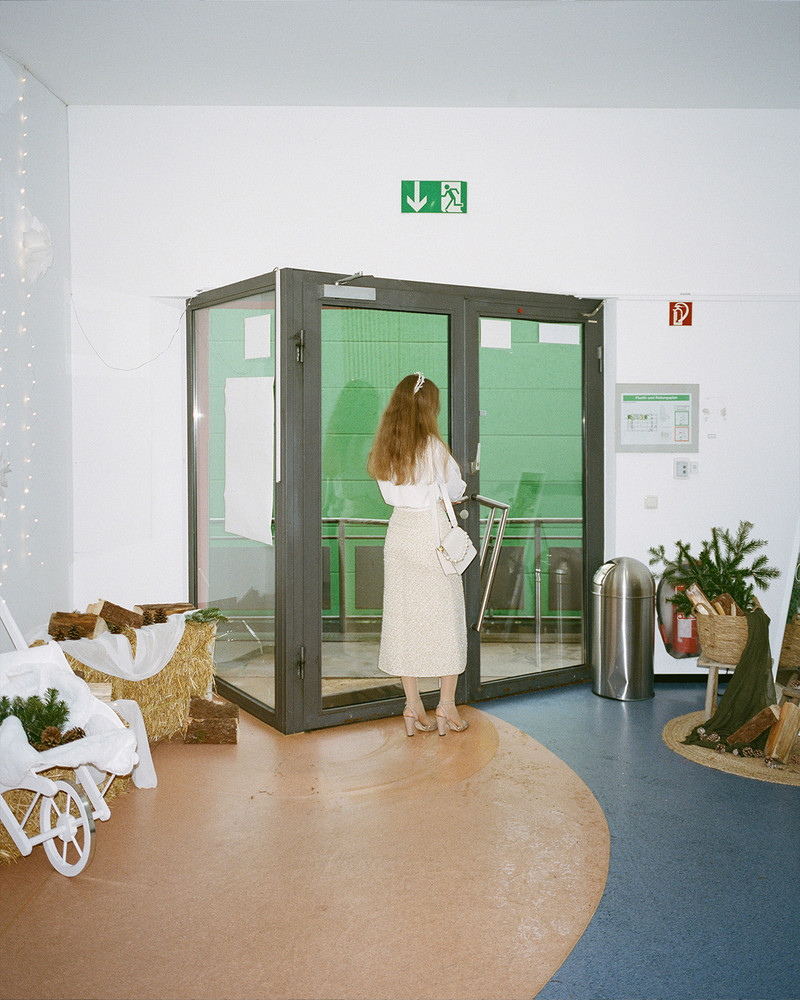
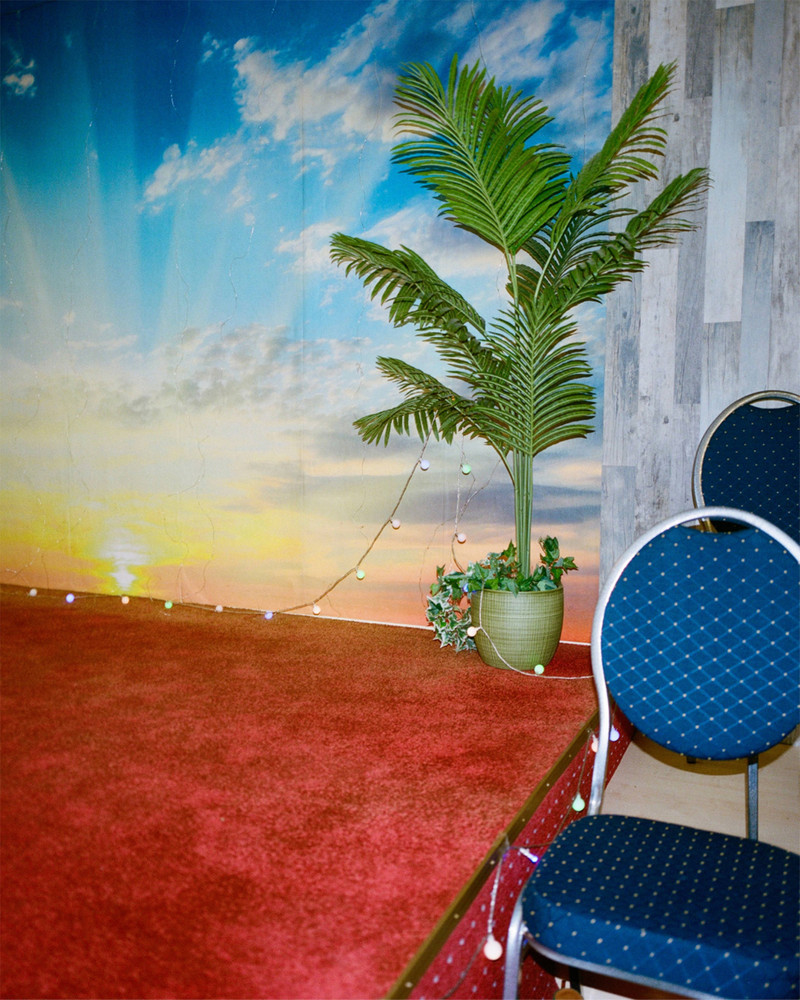
JR: Absolutely. From the outside, the buildings appear almost unremarkable—plain facades, garage doors, concrete structures. Some offer subtle clues about what lies within: a small sign, a bit of decoration, or a glimpse of color. But once you step inside, each space is completely transformed. Some are vibrant and richly decorated with tapestries, altars, or colored lighting. Others are minimalist but intimate. These interiors reflect the unique cultural and spiritual expressions of each community. The moment you enter, it no longer feels like you’re in an industrial area—the atmosphere shifts entirely.
SW: Can you tell me a bit about your work process. How did you meet the people in your photographs? How long did you work on the project?
JR: My process is slow and intuitive—much of it spent walking, observing, and waiting. Temple Road has been an ongoing project for two years now. In the early months, I visited almost every Sunday, initially photographing on the street and speaking with people outside the churches. After a few weeks, I met a man some communities refer to as the ‘mayor’—he’s not affiliated with any church but lives among them and helps with small tasks. He became a key point of contact, introducing me to several congregations and bringing me along to their services.
Access to other church spaces developed gradually, often through casual conversations and after expressing interest in their gatherings. I never photograph during the services themselves—my focus lies in the moments before and after, and on how people temporarily bring the space to life, shifting the energy during those times.
Editor’s Note: This project was one of three short-listed for the LensCulture New Visions Awards 2025, in the category, Place. We encourage you to discover all of the winning photographers.