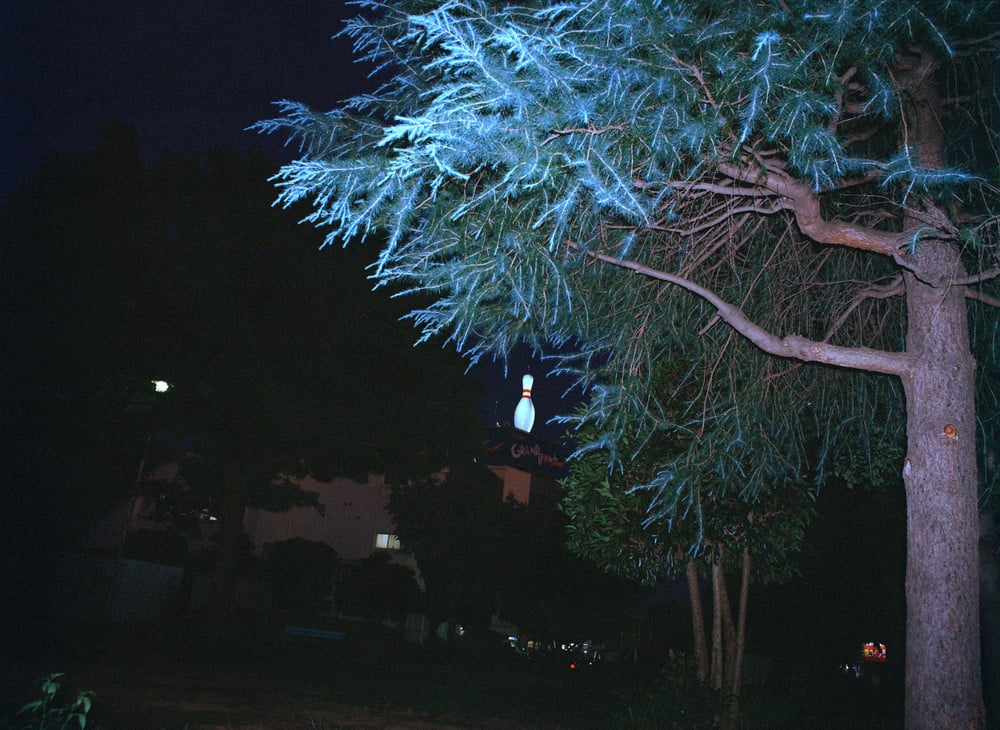
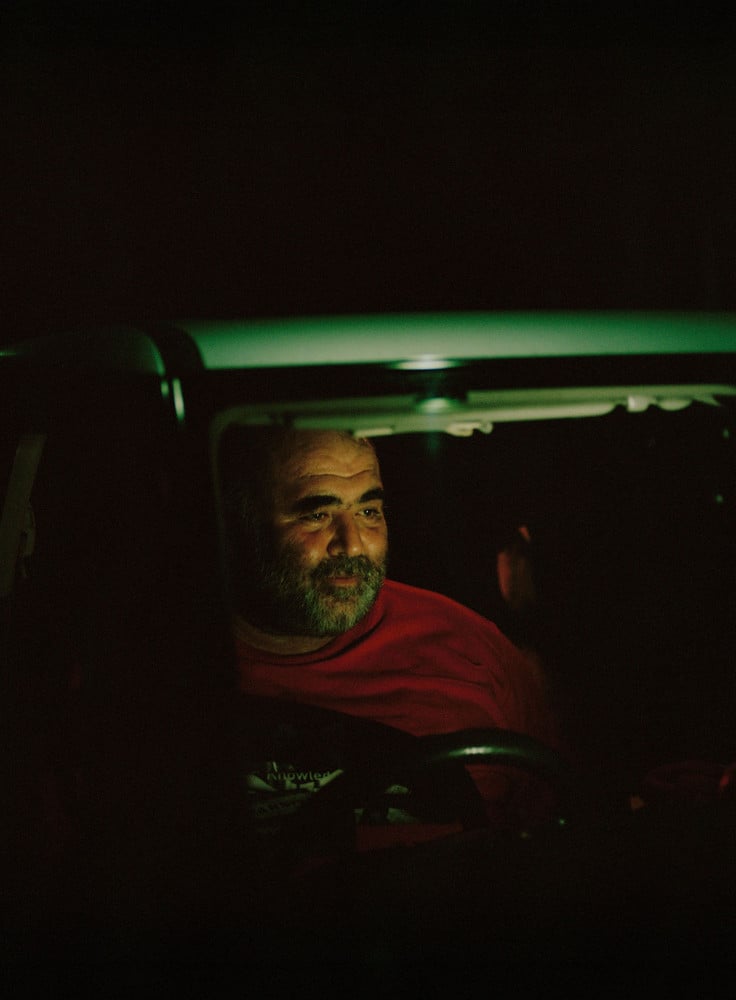
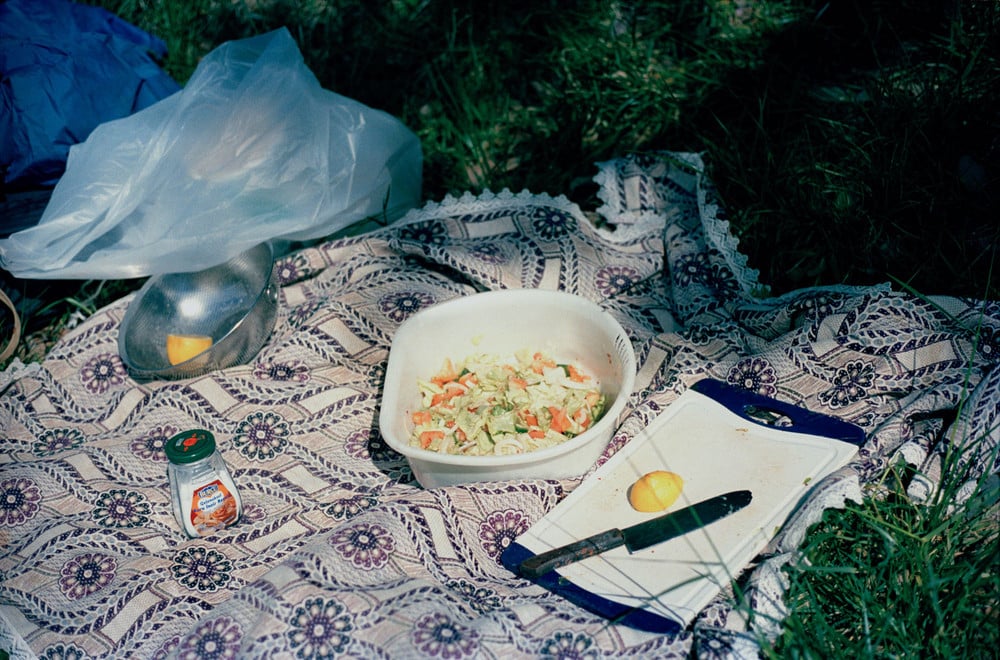
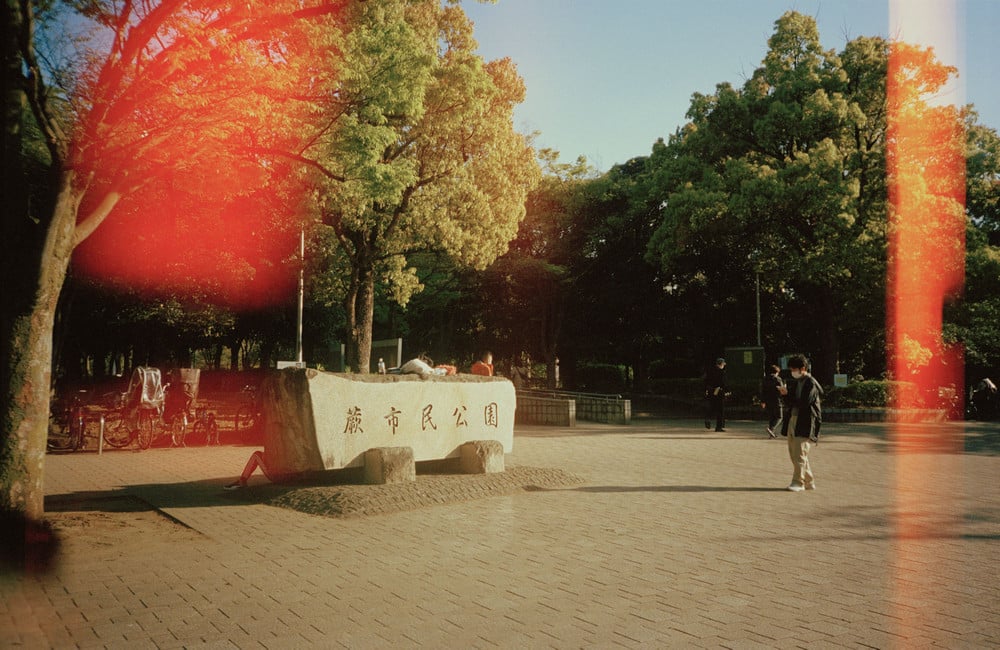
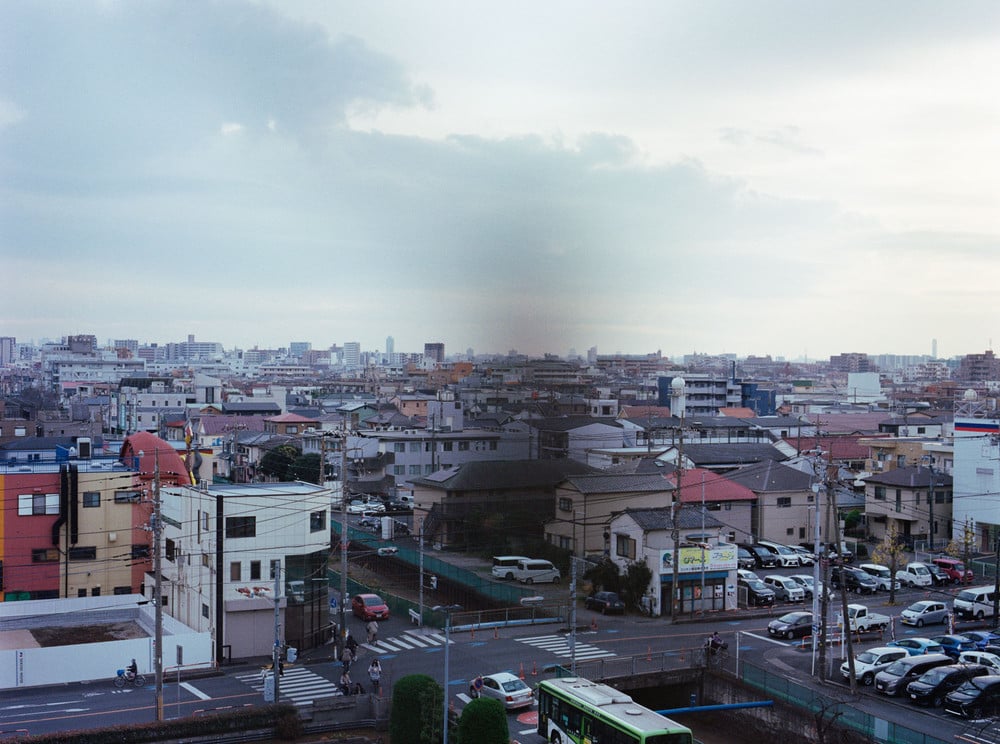
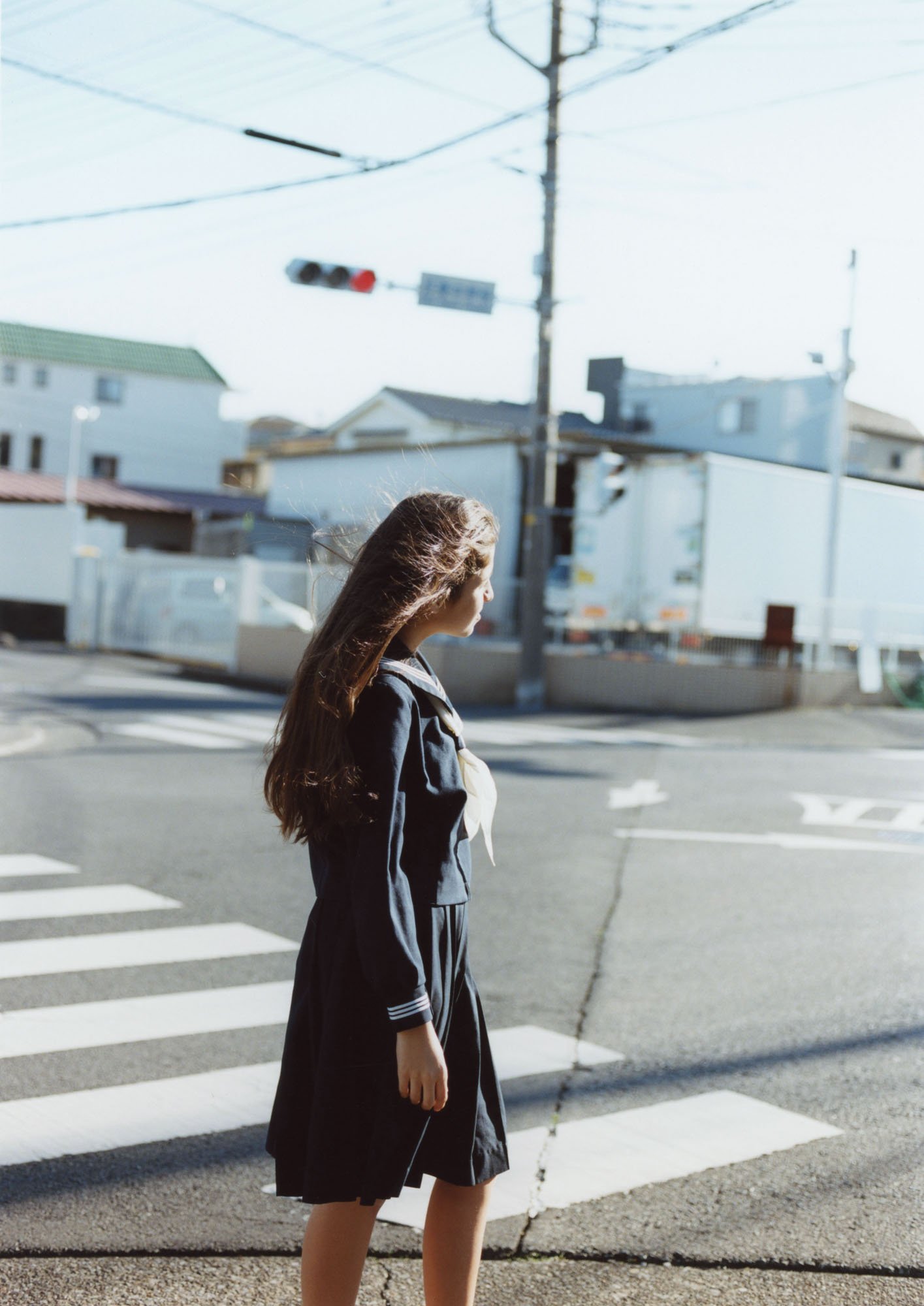
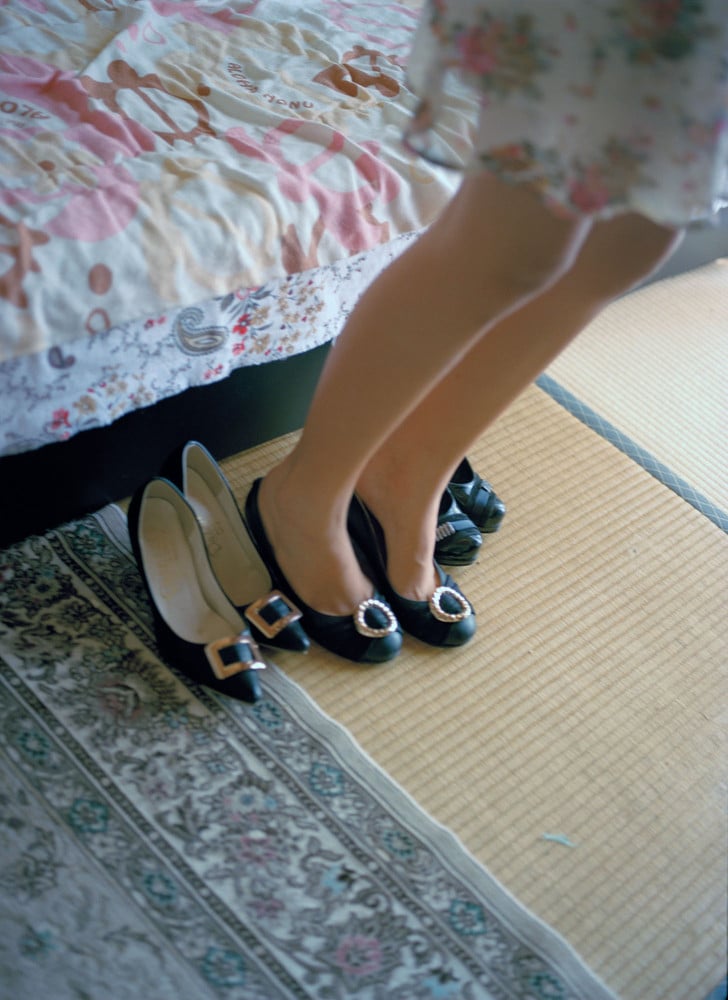
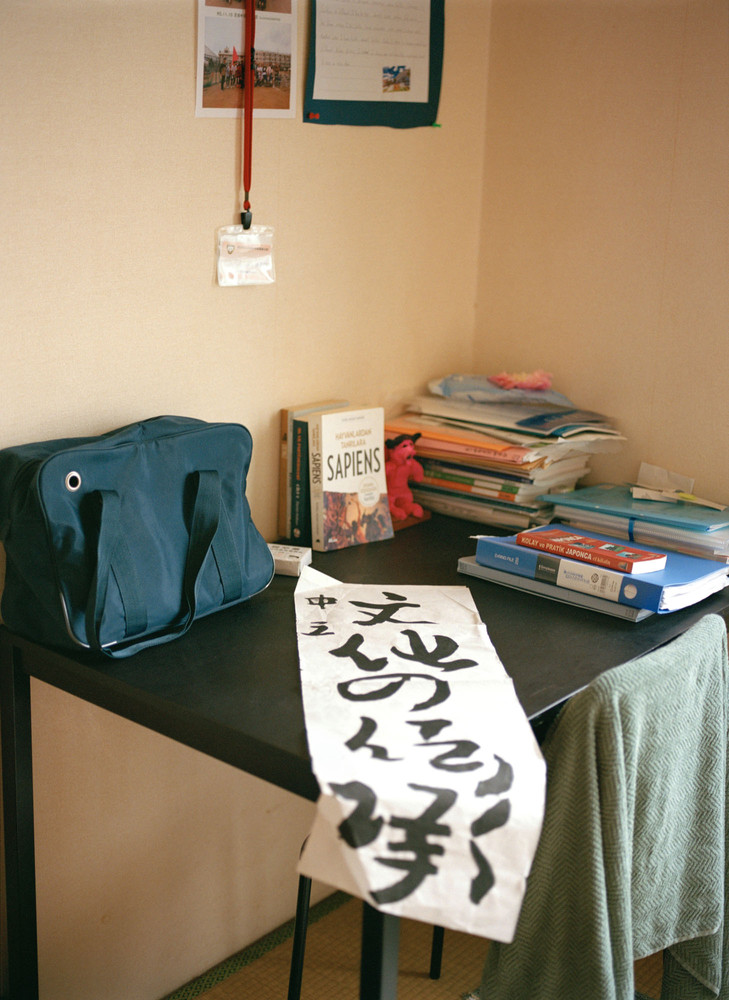
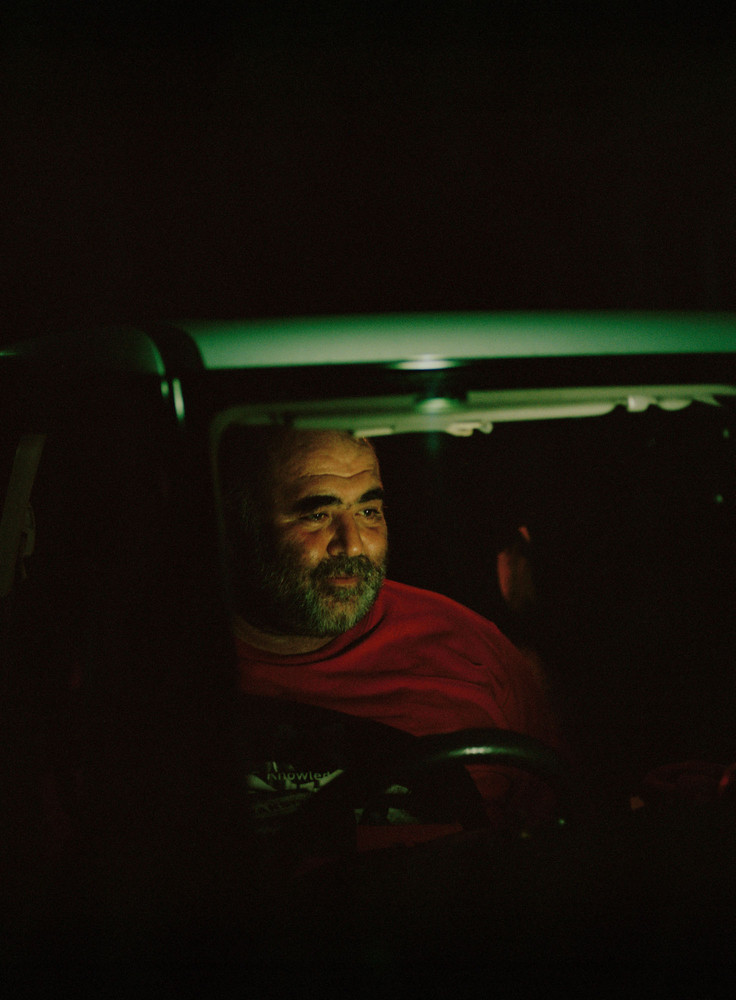
In the Saitama Prefecture, just north of Japan’s capital, live a Kurdish population of about 3,000 people. In Sachiko Saito’s gentle collection of images, we are introduced to just a few of the faces that make up this community through portraits, landscapes of the places they travel through daily and snippets of domestic life. The hardhat of a demolition worker balanced casually on a machine in the sun, a stack of school books on a desk in a bedroom, a simple picnic of salad, lemon and salt laid out on a rug on the grass.
Through small details and tender portraits, Saito renders the hardship of the people she meets intimate. For in the country they now call home, the Kurdish community of Japan face another kind of prejudice. “Initially, I was aware of the low rate of refugee status in Japan. In 2018, when I began the project, it was 0.4%,” the photographer recalls as she thinks back to the origins of DARDO. “I wondered why not a single Kurdish person was recognized in Japan, despite the fact that Kurds are known worldwide for the discrimination and persecution they face as ‘a people without a country.’”
Dispersed across the world, the Kurds are one of the largest stateless people with large populations in Iraq, Iran, Syria and Turkey. The Kurdish diaspora in Japan, which has been growing since the 90s, are refugee claimants that have mainly fled from Turkey where they faced discrimination. But rather than protect these newcomers, Saito says the Japanese Immigration Bureau is more intent on “managing foreigners,” resulting in a base-level refusal to grant residency status, along with traumatic long-term incarceration, violence and hostile treatment. Anti-immigrant sentiment is common in Japanese society too, worsening in recent times due to a decline in the nation’s power, poverty and the spread of far-right ideology through social networking sites.
Compelled to find out more about the experience of her neighbors and combat the xenophobia of her home country, the photographer began to meet and photograph people through Japanese aid groups and local cultural exchange events. A turning point in the project was an encounter with a young brother and sister. “When I met them, they were still minors. The younger sister had just arrived in Japan,” Saito recalls. “Although she did not speak Japanese, she accepted me without a word. I think they had been discriminated against as Kurds in their home country, but after coming to Japan, they are living their culture proudly.”
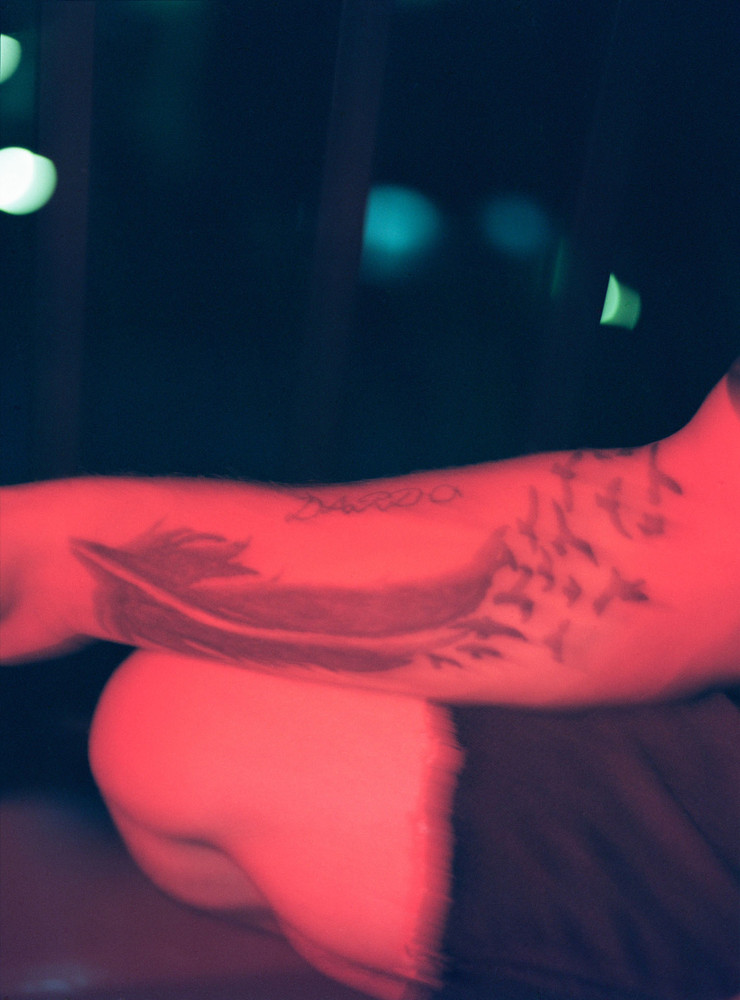
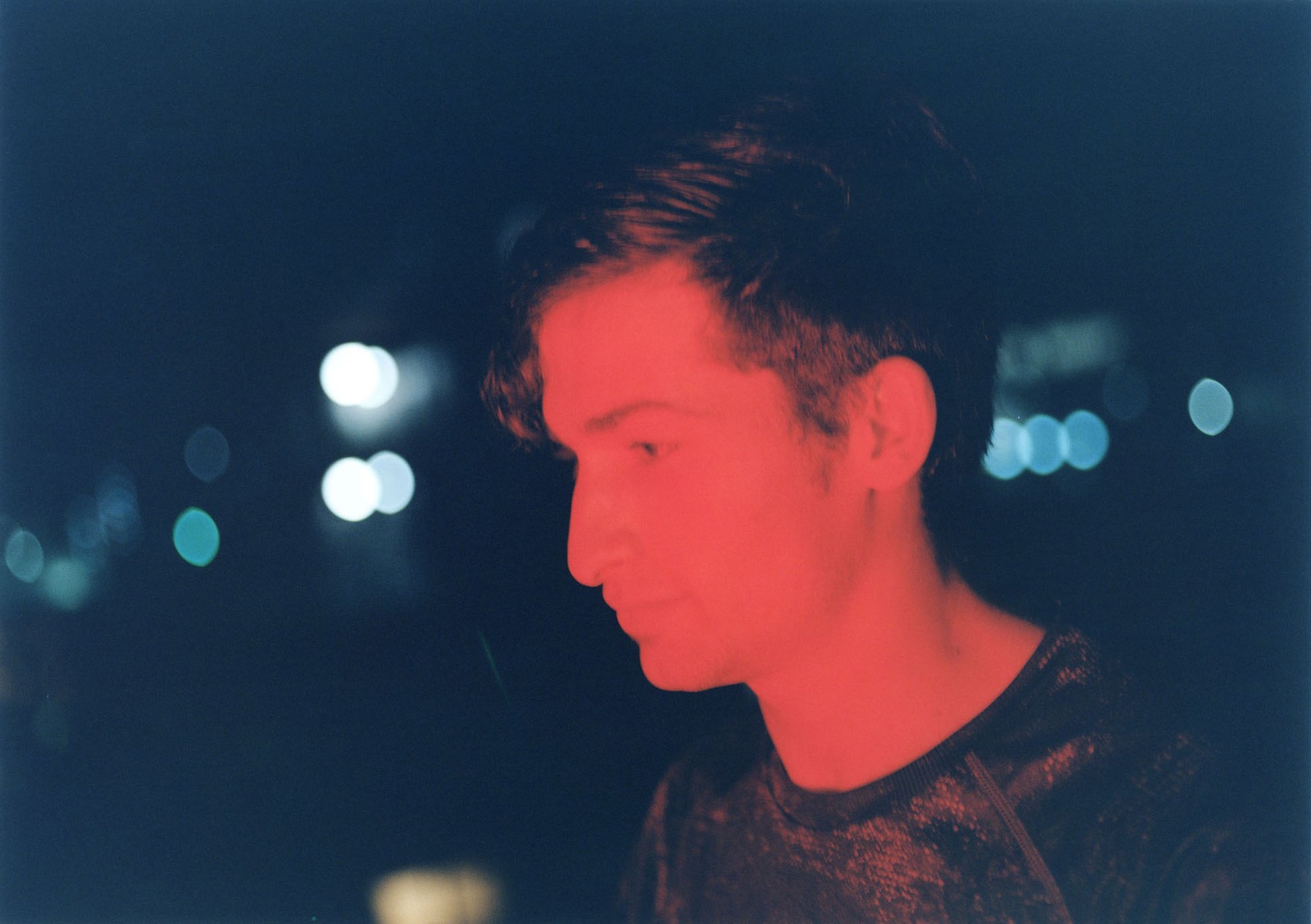
Moved by the openness of the young girl, the meeting set her on a path to build a layered portrait of the Kurdish community that drew attention to their values and culture as well as the many difficulties they face in Japan. ‘Dardo’ is a Kurdish word for pain, which simmers through the interview fragments that accompany the photographs. The project takes its title from a young man’s tattoo, photographed in a reddish light outside at night. “At only 21, what kind of suffering can you say you’ve gone through? I have suffered everything you can imagine,” he says in an accompanying quote. The repercussions of this harsh system of exclusion haunts the portraits of the younger generation, their opportunities stunted by their lack of residency status, even for those who were born, raised and educated in Japan.
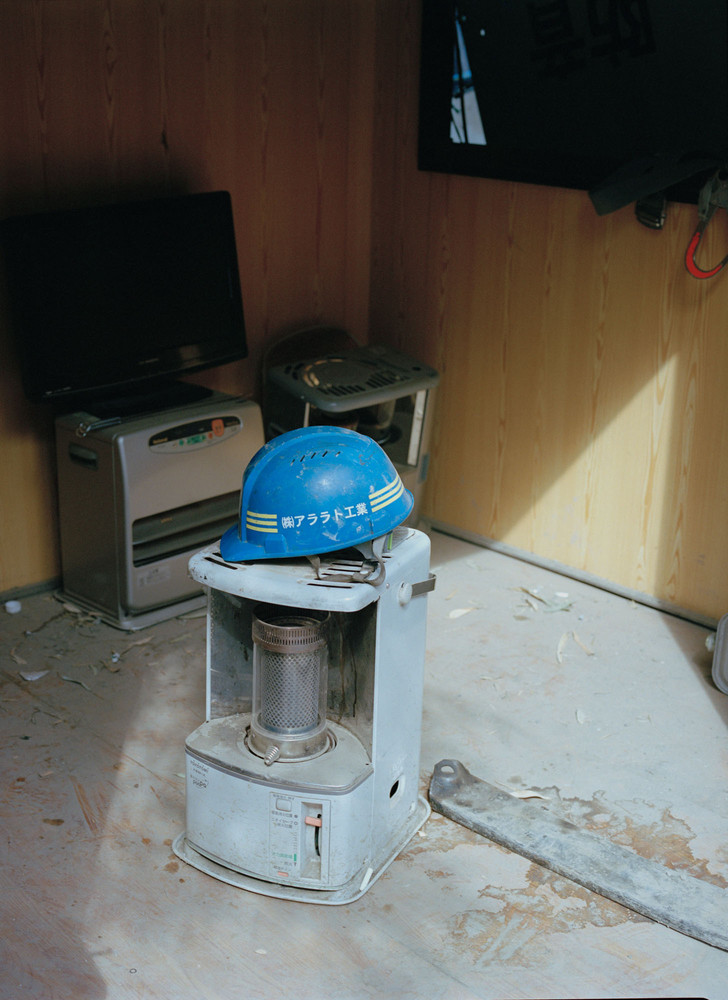
Though undocumented and unable to work officially, many make a living through the demolition industry with the Japanese government turning a blind eye due to labor shortages. “Currently, most of the demolition work in the metropolitan area is done by Kurds,” Saito explains. Photographs of cityscapes nod towards this contribution to the very infrastructure of the country, while a portrait of a young woman in a mask who is training to be a childcare worker speaks to another gap in the Japanese labor market being filled by immigrants.
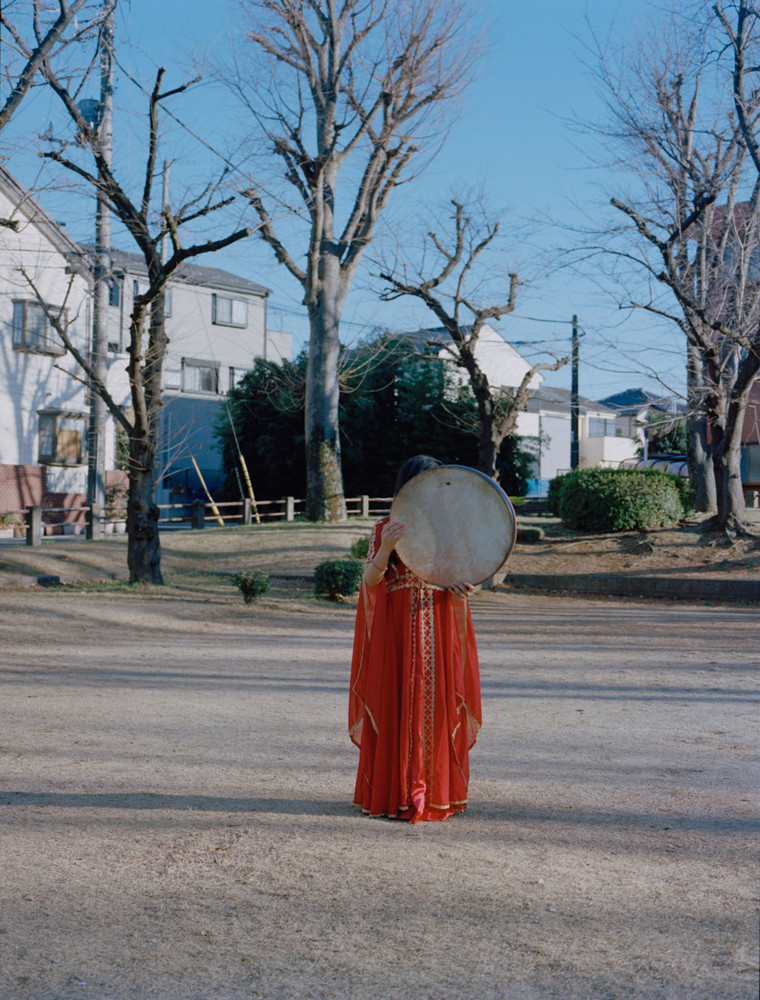
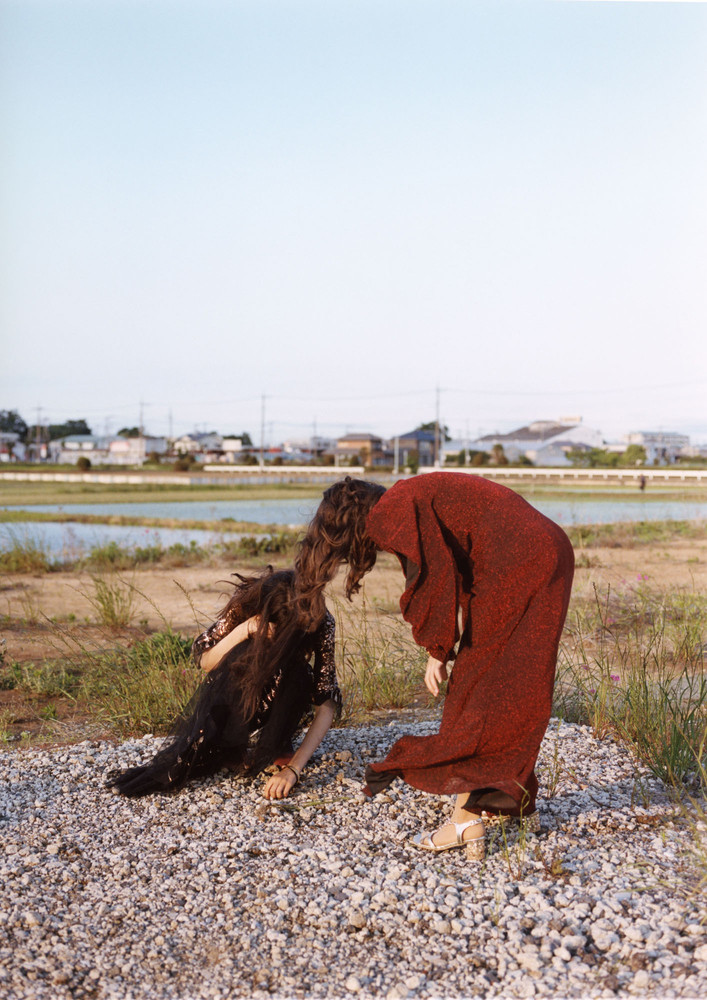
There is a softness and care to Saito’s informal approach to portraiture, often obscuring the face of those in front of her lens, almost always taken in a neutral, outdoor area; a silhouette behind a light blue curtain, two girls bending down to pick stones from the floor, a man with a young boy in his arms in a car park, a woman in a long red dress, embroidered with gold, holding a Kurdish folk instrument in front of her. A poignant quote accompanies the woman in red: “We are speakers of a language that is being extinguished. If we and the younger generation did not observe the language, there would be no such thing as a Kurdish society.”

To counteract the ignorance she has experienced around this subject matter and its violent consequences, Saito hopes to create a layered picture of immigration. “The targets of hate speech used to be the Koreans and Chinese in Japan,” says the photographer. “Since last year, however, hate speech against Kurds has been spreading rapidly. Today, the Internet is flooded with false rumors about Kurds, and there is no shortage of threatening phone calls and death threats against the mayor of Kawaguchi City (where the community lives), Kurdish-run restaurants, and organizations that support the Kurds.”
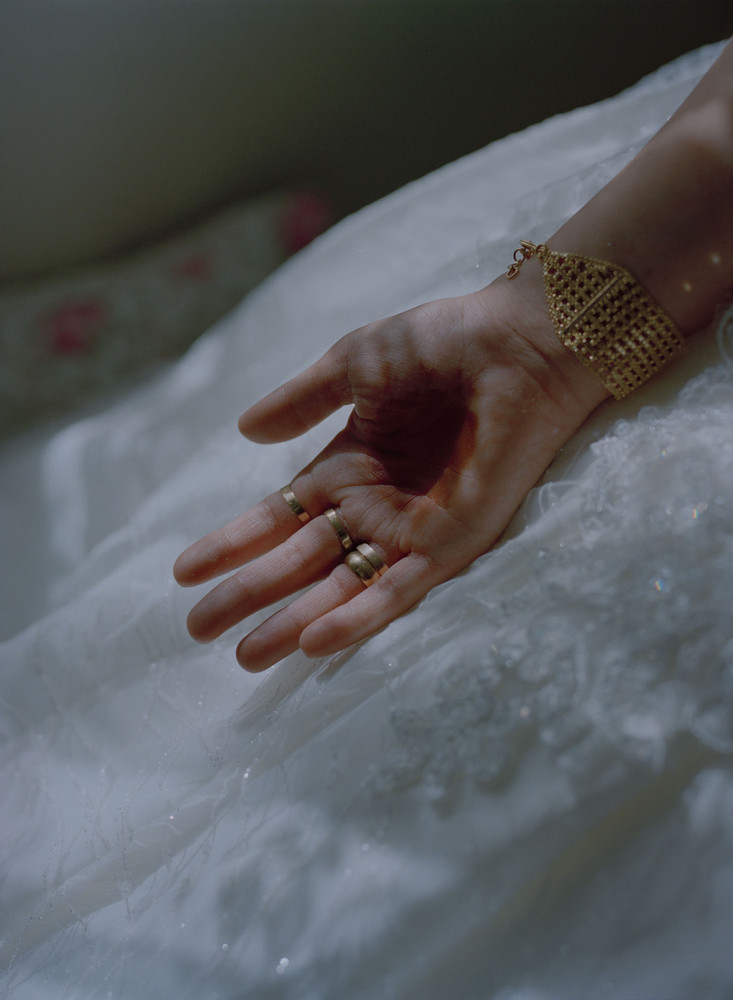
Threading together the difficulties of day-to-day life in Japan with the cherished undertaking of carrying and protecting Kurdish culture without a homeland, Saito’s images build a complex, loving portrait of her neighbors.