
Jun Ogata (KAZZAN)'s Projects
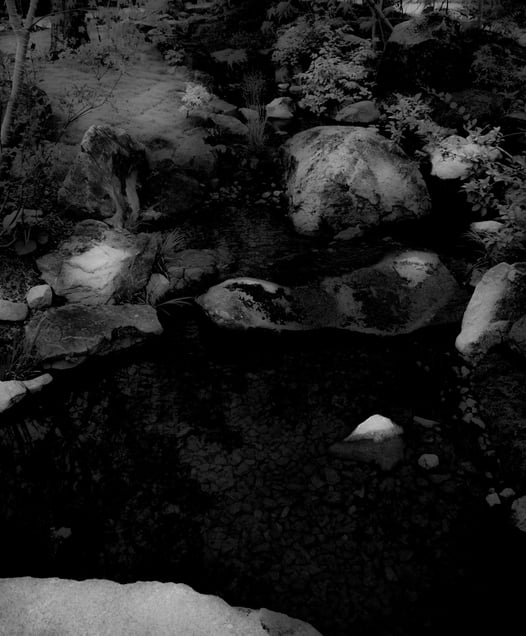
A garden scene themed around moonlight. A work envisioning the form of a Japanese garden as seen in the dead of night.
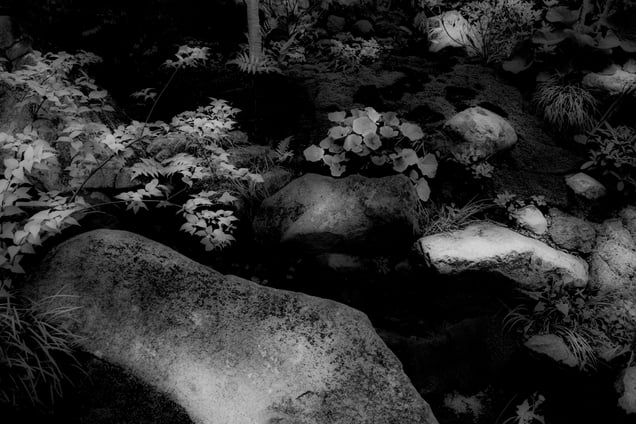
A garden scene themed around moonlight. A work envisioning the form of a Japanese garden as seen in the dead of night.

Faint light behind Japanese paper window. Silence settles. Nothing added, nothing lacking — only the quiet of what remains.
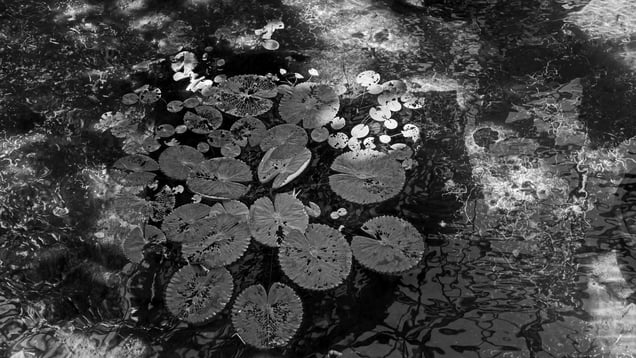
Lotus leaves drift across the quiet pond like circles of passing seasons, each one holding a moment between arising and fading. Light shimmers softly among them while shadows sink into the still water below. In the hush of the garden, time feels unhurried — a gentle reminder of transience, where beauty appears, lingers, and quietly lets go.
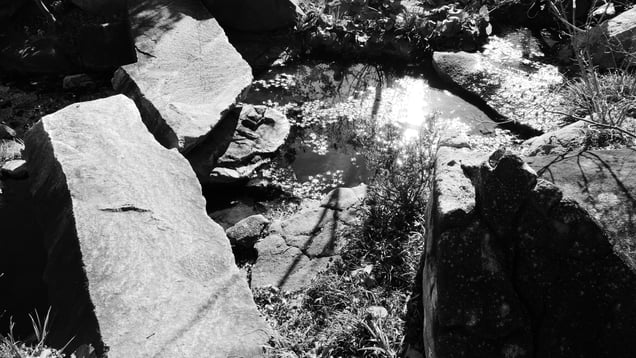
Weathered stones cross a still pond where light flickers and fades. Nothing seeks attention; nothing is complete. In the quiet balance of water, shadow, and time, the garden reveals its quiet truth — beauty resting in impermanence.
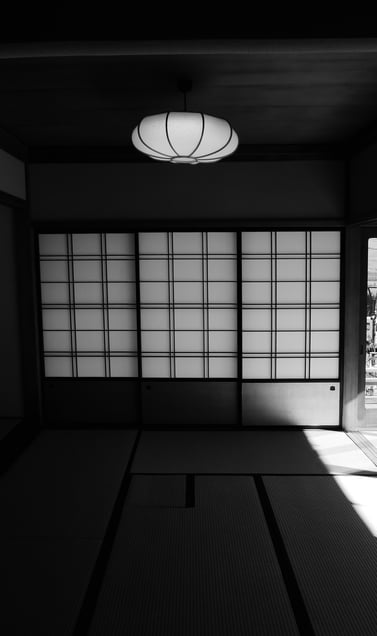
Soft brightness gathers behind the shoji, diffused into a quiet glow that seems to hold the room in gentle suspension. A single beam of sunlight slips across the tatami like a fleeting visitor, tracing the passage of an unseen hour. In the hush, the paper walls become a veil between worlds — where outside and inside meet not in contrast, but in a tender conversation of light, shadow, and silence.
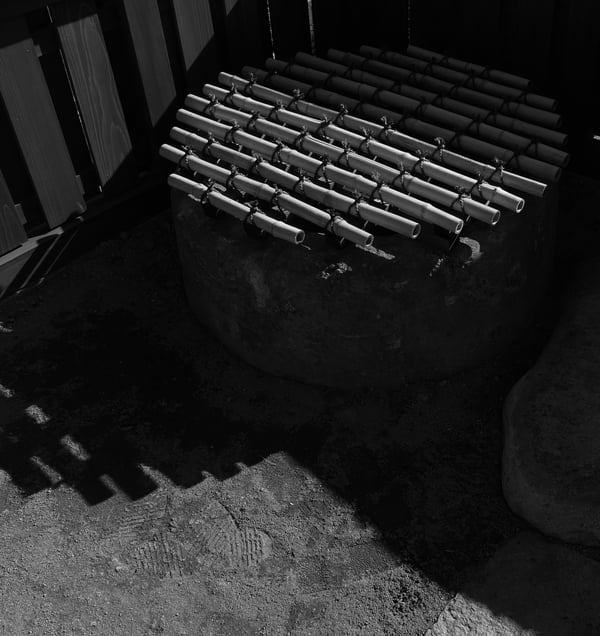
Above the quiet well, bamboo rests in careful rhythm, while light and shadow spread across the ground like a woven cloth. Traces of human touch mingle with the hush of nature, and time seems to gather here in slow, unseen layers. In this stillness lives a quiet reverence for water — and the unspoken prayers that linger where everyday life once drew from its depths.
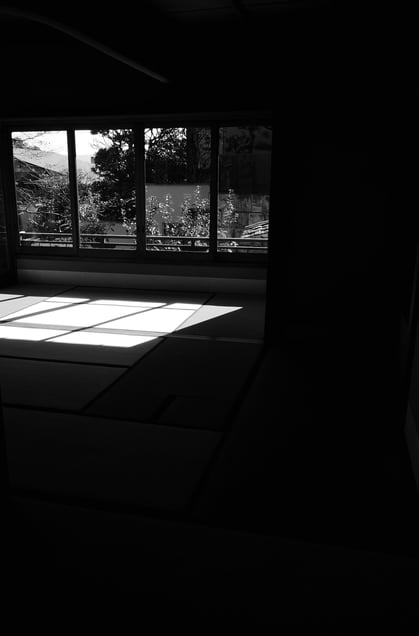
A quiet room breathes in shadow while a pale square of sunlight settles softly upon the tatami, as if time itself has paused to listen. Beyond the window, the world lingers in a gentle hush, while inside, stillness gathers in the corners like a memory. The light does not merely enter — it dwells, whispering of passing hours, of seasons turning unseen, and of the quiet grace found in empty spaces.
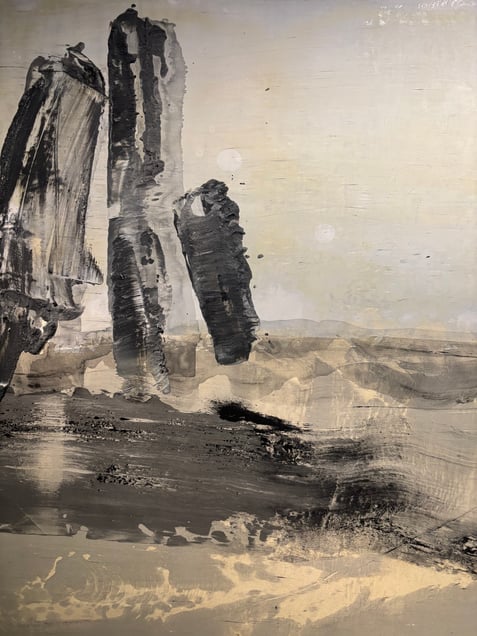
The World After the Air Raid: This image depicts the “color of the sky” during the Great Tokyo Air Raid 80 years ago, as recounted by Jun Ogata from his mother, and the “gray” world of the burnt ruins. This image is a cropped section of a work expressing the color of Tokyo's streets, charred and gray. My main work is painting, but this is a photographic reproduction of those paintings.
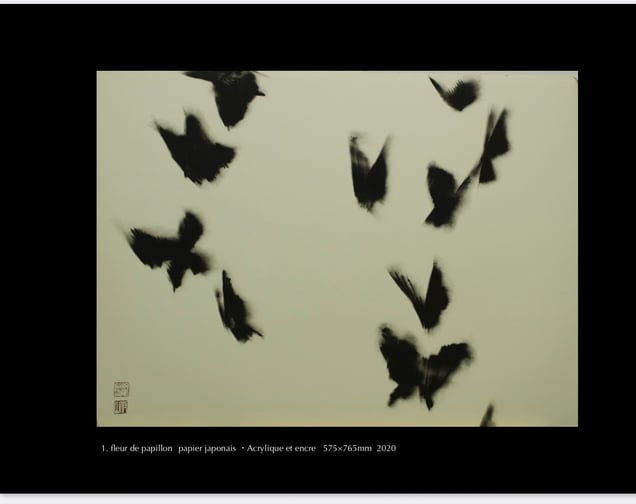
Japanese gardens are home to a variety of plants and small creatures that live and breathe within them. This series is the work of Jun Ogata, depicting the space woven by butterflies—not the stones, trees, or ponds found in gardens.

The stark monochrome image lays bare the essence of a Zen garden, where asymmetrical stones stand guard over patterns raked in the sand, a silent testimony to nature's inherent balance. The interplay of light and shadow across the scene suggests a deeper narrative, a whispering of the night that speaks to the introspective soul, inviting a contemplation of the impermanent beauty that thrives in silence and simplicity.
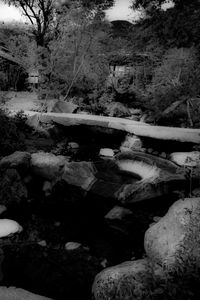
SHAKKEI:borrowed scenery (incorporation of a landscape element outside a garden in its design) Various designs exist in Japanese gardens. There is SHAKKEI, which includes stone bridges, running water, and even distant views.Its lightness and darkness are beautiful.

In a play of stark contrasts, this monochrome image captures the serene essence of a Zen garden. A lone stone bathes in a moon-like luminescence, casting a solemn presence against the dark. The meticulously raked sand bears the mark of careful contemplation, its wave-like patterns evoking a calm sea. This tableau, with its meditative simplicity, offers a silent dialogue between light and shadow, inviting introspection and a tranquil respite from the temporal world.

This evocative image captures the interplay of shadows and light in a Zen garden, where the stark, contrasting textures of stone and sand evoke a sense of serenity. The natural curves and lines in the sand, highlighted by the darkness, draw the viewer into a contemplative state, reflecting the profound simplicity inherent in Zen philosophy.

This image captures the ephemeral beauty of a Zen garden at night. Two solitary stones, enshrouded by darkness, stand as silent sentinels amidst the meticulously raked sand, whose patterns echo the invisible currents of the wind. The scene is a testament to the art of subtlety and the silent music of nature, where every grain of sand seems to hold a secret whisper of the void, inviting deep reflection and inner peace.
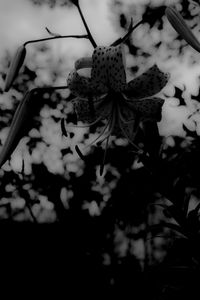
The beautiful but suspicious flowers that bloom unnoticed in Japanese gardens continue to bloom as garden goddesses. In the world of gardens, beauty alone is not enough to survive.

This image captures the transient interplay between shadow and light in a Zen garden. A rugged stone and its accompanying sand ripples are bathed in a soft, mysterious light, giving rise to a contemplative atmosphere. It speaks to the quiet yet profound language of Zen, where every element is placed with intention and resonates with the stillness of the night.

This image presents a stark study of contrast where a single rock rests upon a bed of sand, both highlighted and concealed by shadows. The sand's surface is etched with delicate patterns, reminiscent of a tranquil sea under moonlight. The rock and sand exist in a silent duet, accentuating the ephemeral beauty found in the interplay of light and darkness, embodying the Zen principle of harmony in duality.

As dusk falls, the Zen garden whispers its quiet requiem. A lone stone disrupts the sandy surface, creating a ripple of stillness that spreads across the darkened plate. It's a moment frozen in time, a serene interlude that speaks to the calm that comes with the end of day, a symbolic representation of the cycle of nature and the introspective journey of life.

The motif of this project is to express the natural world using extremely simple materials, such as the flow of water and the ocean, without using water. It represents the Japanese aesthetic sense of dry landscape gardens and bonseki. This series expresses such things as photographic art.
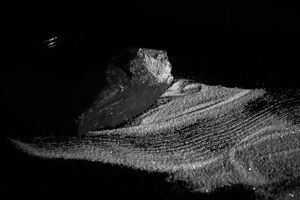
In the interplay of light and dark, this image reveals the stark beauty of a Zen garden. A solitary stone cuts a dramatic figure against the finely raked sand, highlighted by a beam of light that carves through the darkness. It's a silent scene that speaks to the contrast between the tumult of life and the peace of meditative solitude.