
ULTIMA VERBA, The private life of Gerard Garter
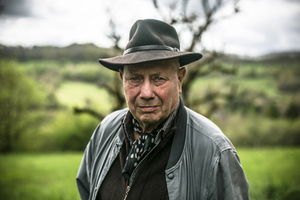
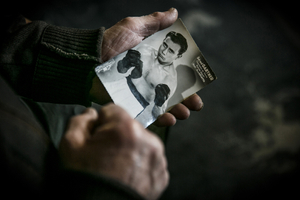
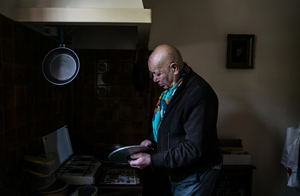
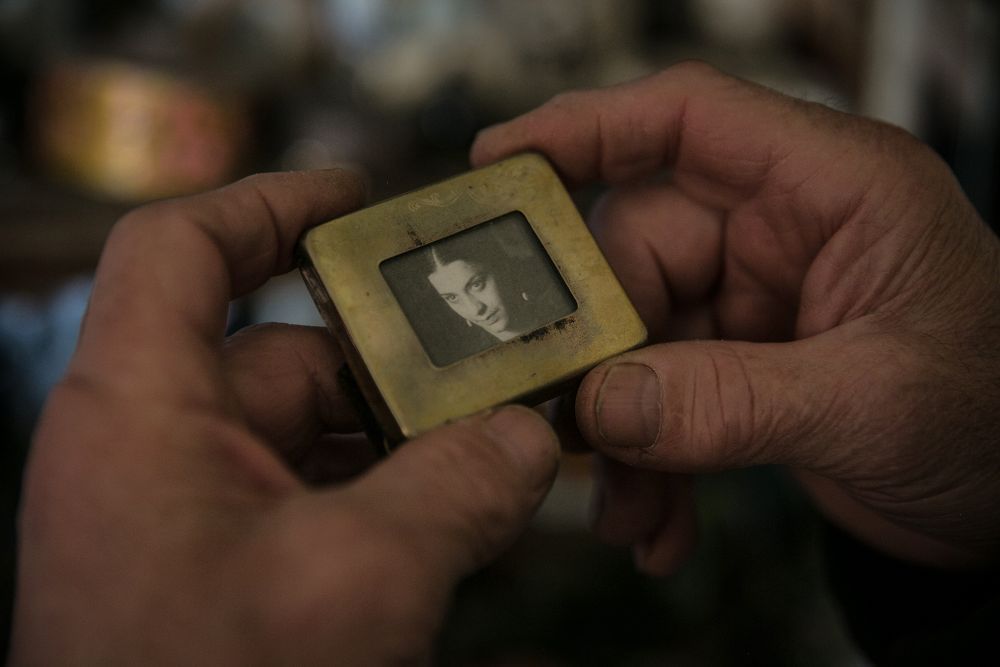
Mutsa, the Gypsy artist with a thousand lives Gerard Gartner, a Gypsy artist living in Collonges La Rouge in Corrèze, has just published two new books, "Dernier coup de poing" and "A la rencontre d’ Alberto Giacometti". At age 84, he has decided to narrate his life story and pay tribute to the people he met. These books describe his career from boxing to sculpture. In 2016, Gerard Gartner, a sculptor of international renown, had already made a name for himself by destroying all of his works in Douarnenez during an event he called "Ultima Verba". "To show that Gypsies do not necessarily play music," he became the spokesperson for Gypsy artists, by organizing in Paris, the World Premiere of Gypsy Art in 1985, by writing the biography "Carnets de Route" of his late friend Matéo Maximoff, the first French-speaking Roma writer. By illustrating himself in the intellectual sphere where Gypsies were not expected , he is an example to follow for the new generations and embodies the hope of the evolution of the Gypsies of tomorrow. "To tell my story, it's easier for me to write than to speak.” Gerard Gartner was born in Paris in 1935 to a Gypsy mother and a Roma father, from Russia who lived at that time on a settlement in Aubervilliers. In the Gypsy language, he is called “Mutsa”, the cat, for his agility and piercing eyes. In the early years of his life, he was raised by his paternal family and learned to read and write alone at the age of 12. Initiated by a friend of his grandfather, the boxer Théo Medina, he stepped into the ring. The young man became champion of France amateur lightweight and then played in Helsinki, Finland, the professional European championship. But this world of athletes imposed a rhythm of life that did not suit him. "I did not have a very strict lifestyle, I went out a lot," he recalls. In "Dernier coup de poing", he does not spare the world of boxing, the shenanigans of managers and organizers. On the death of Théo Medina, Gérard Gartner demonstrated his sense of friendship by making it possible for the boxer to be buried near his manager at the cemetery of Pantin. He then went on with odd jobs: bar manager, embalmer or bodyguard of ministers, including André Malraux in the 1960s. With Georges Brassens and Louis Lecoin, he began to sketch. But his meeting with Alberto Giacometti revolutionized his vision of arts. Gerard Gartner, who often went to the sculptor's studio to observe his work, analyzes in "A la rencontre d’Alberto Giacometti" the artistic approach of his master: "It was with him that I began to carve and fabricate my ideology, especially on the destruction of works. What he did was not to create but destroy, the artist describes, he fashioned his statues by removing more material than he added. » Gerard Gartner is sometimes classified as one of the last dadas but he refuses to belong to this movement born in 1916. « They betrayed us. Dada did not go to the end, the artists did not destroy their works. » He, on the other hand, decided to do so. A philosophy that also refers to his Gypsy roots where there is no inheritance. The caravan of a dead person is burned with his belongings. Everything is timeless, returns to the dust. He symbolically chose the 50th anniversary of Giacometti's death on the 16th of January 2016 for this event. Twenty works were destroyed by chainsaw. Given the volume to be destroyed, a large part was done in a specialized sorting center between Nantes and Rennes. He has become a respected figure in the Gypsy circles and has remained faithful to his deep aspiration that is to highlight the dignity of his own by paying a fraternal tribute to their achievements.
No categories selected
Photos (7)