
Memento Mori
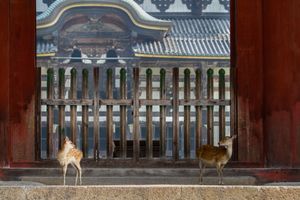
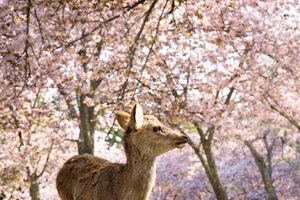
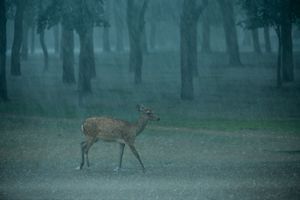
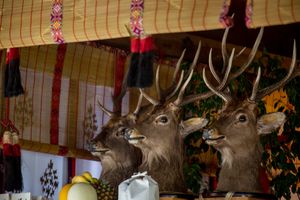
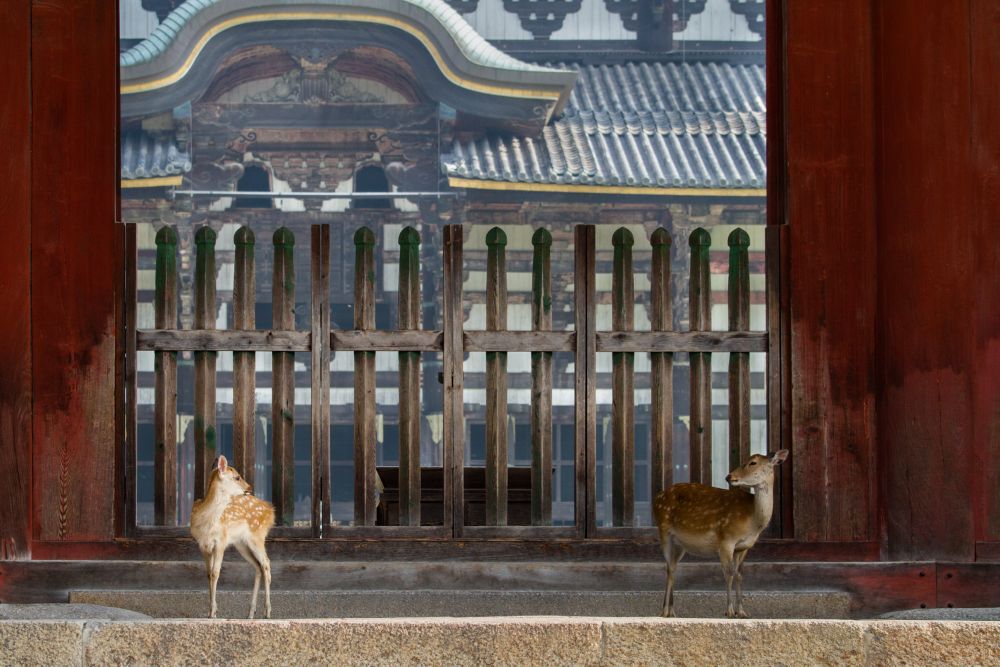
Like all animals, Sika deer require sustenance, companionship and the ability to contribute to the future of their species. Unlike most wild animals, however, there are deer that live freely in the midtown section of the ancient capital Nara in Japan. In767, Takemikazuchi the chief deity of Kashima Shrine, was ceremonially enshrined at Kasuga Shrine in Nara, in order to protect the Heijokyo capital. At this time it is said that the god of thunder came to Nara astride a white deer. Ever since the deer at Nara have been regarded as divine messengers and protected. Outside of Nara, deer are also widely distributed from Hokkaido in the north to Okinawa in the south. The deer of Nara is cherished as an idol of tourists. However, in various other regions of Japan, the deer’s feeding habits are causing serious problems for farmers and foresters. As such, the government encourages citizens to practice population management of deer. In 2017, more than 160,000 deer were hunted and 450,000 deer were eliminated as harmful animals throughout the country. It is human convenience to treat deer like a pet within the boundaries defined by men and exterminate them outside as pests. They are born in June and end their life by the harshness of nature, traffic accidents, hunting, and pest control. The deer live freely in the natural providence of life and death.
No categories selected
Photos (10)