OVEREXPOSED vol. 3
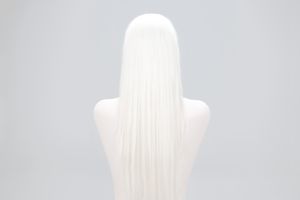
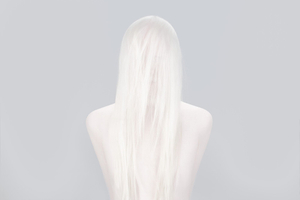
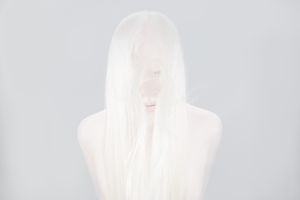
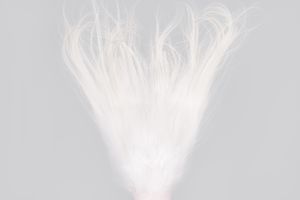
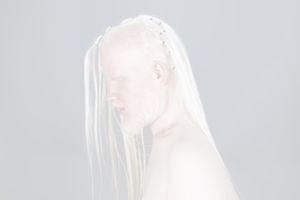
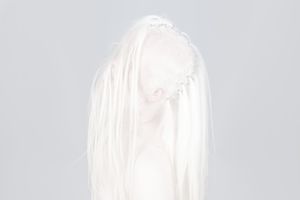
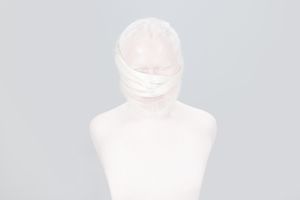
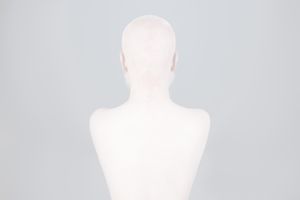
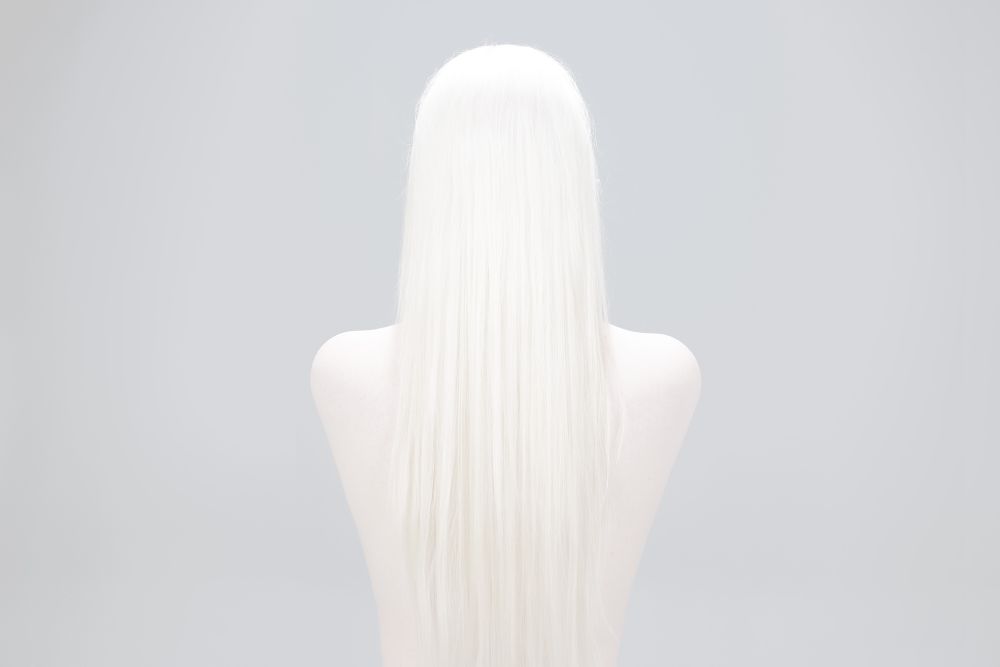
This project explores the intimate and day to day existence of albinos in Bogotá. In 2010, as she became familiar with the facts of daily life for this community that lives amid the chaos of the Colombian capital, the photographer found herself facing a group of people with their own authentic aesthetic that had remained practically unknown to the general public. Other than in publications with a mere scientific or ethnographic motive, the albinos, like many other communities, remained beyond the camera lens. She felt the need to depict these living beings who were full of their own ideas, identities, and actions. Under that premise, she began an exploration of the body beyond the criteria she had come to know through her work in the media, which generally met the needs and concepts of massmedia culture, the market and fashion. Through universal themes like love, loneliness, humor, leisure and celebrity, Overexposed allows us to see these subjects through a photographic practice that rejects the conceptual frame photography has traditionally drawn around them, so they can come to be seen as lives full of light and fragility. Developed in three volumes between 2010 and 2017, Overexposed exalts the nature of these bodies and the way the people who inhabit them express self-restraint in gestures that recall the world of dance, fashion and fine art. It is the beginning of a longer exploration that will become a consistent interest for this project. The final chapter in Overexposed VOL. 3, creates a combination of various levels of artistic exploration. On the one hand, there is a series of photographs where Juan Carlos, the man who has been in all of the installments, gives up his hair in front of the camera, divesting himself of a key characteristic of his appearance and personality. With each photograph, we see how Juan Carlos’s hair diminishes bit by bit until he remains entirely bald in a sequence that reaches the performative. Then begins the second layer of this installment, which is Juan Carlos’s hair as a work of art in and of itself, not only due to its indisputable beauty as a natural object, but also because it symbolizes theend of a chapter in his life: it is his nearly ritualistic way of giving form and life to a personal divestment. Finally, the work is a form of release on the part of the photographer as well because she also brings an accomplished artistic cycle to a close with this piece. It is one of the most experimental points in her artistic oeuvre and one of the most personal. Its conclusion is sober and mature, like the white color-scheme that dominates every shot.
No categories selected
Photos (10)