Prairies of Missouri
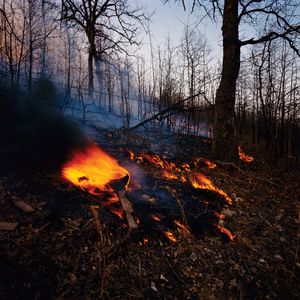
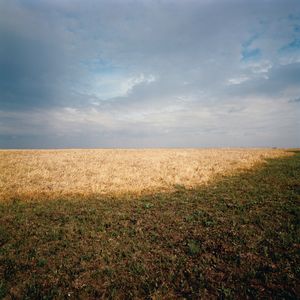
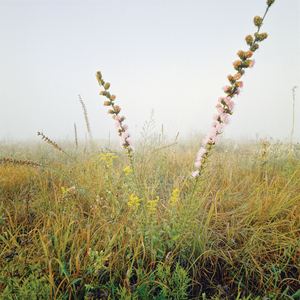
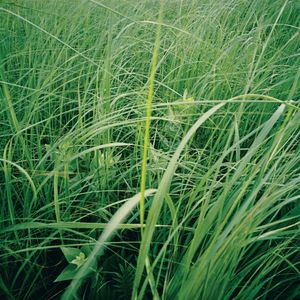
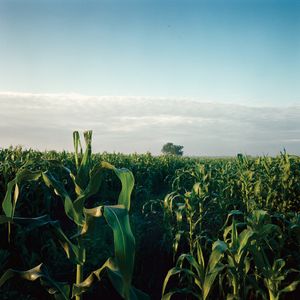
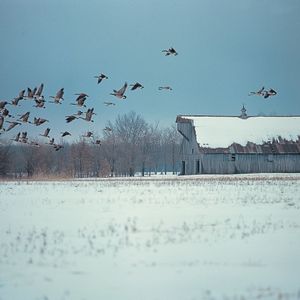
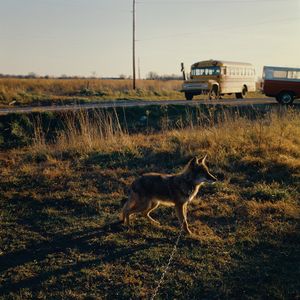
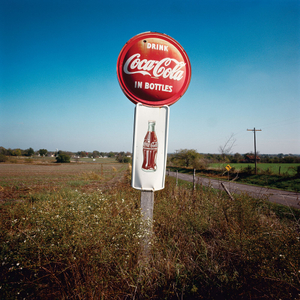
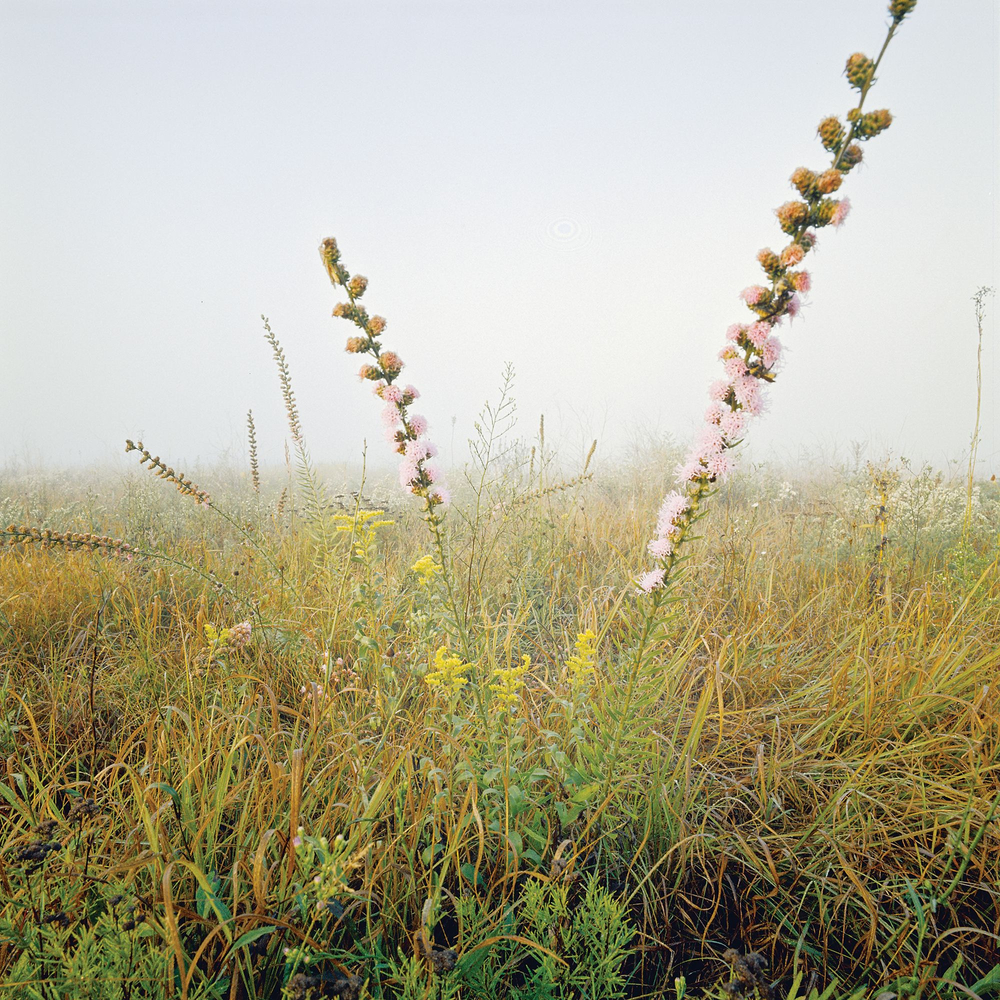
When land-hungry Americans crossed the Mississippi River into the territory that would become the state of Missouri, they found game-rich open woods in the hilly Ozarks. To the north and west were prairies separated by fingers of forested river bottoms. Two centuries of development have changed the view. By Romanticism’s standards altered country is not a fit subject for art. Nature creates beauty. Man’s works despoil. But was that pristine landscape completely natural? Had, in fact, 10,000 years of Indian occupation shaped that attractive wilderness pattern of forests and prairies? Carl O. Sauer, the eminent geographer, wrote in his 1920 classic, Geography of the Ozark Highlands of Missouri: Of the various influences that caused prairies on the uplands, man was chief. Indians and other hunters were wont to set fire to the grass in fall or spring in order to improve the grazing for the buffalo, elk, and other big game. Fires were also set to drive the game toward the hunters. The practice of burning was continued by settlers for many years, principally to provide grazing for their stock. Scenery is landscape suitable for framing. While I have not turned away from opportunities to take pictures of conventionally beautiful vistas, I used the camera to straightforwardly record that which resonated with Missouri history. Merging indistinctly with the northwest flank of the Ozark uplift is the Osage Plains. While its cover of native grasses has been mostly plowed and planted, there are scattered tracts of colorful native prairie left due to shallow soils. A nice collection has been preserved by state and private organizations. From my book, Missouri Squarely Seen, available on Amazon.
No categories selected
Photos (11)