AEGEAN EXILES
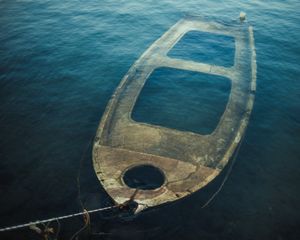
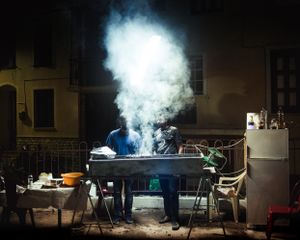
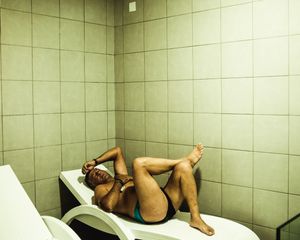
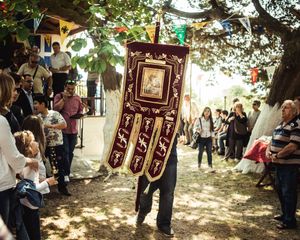
Lesbos. Two populations, two stories of migration. In 2015, nearly 500,000 refugees from the Middle East landed on the beaches of Lesbos. The Greek island was then only a place of transit, a stopover that had to be made for a few days before continuing their journey to the rest of Europe. The ordeal of these massive arrivals awakened the collective memory of the island's inhabitants. It echoed the Anatolian Great Disaster of 1922, which caused the exile of 1.3 million Greek Orthodox people who had settled in Asia Minor since antiquity. Fleeing the ethnic cleansing orchestrated by Mustafa Kemal, founder of the Turkish Republic, 45,000 Greek refugees arrived in Lesbos in the greatest poverty. Located in the Aegean Sea only 12km from Turkey, the island is still today the crossroad of migration between East and West. In March 2016, the European Union and Turkey negotiated agreements to stop the flow of migrants. They introduced a geographical restriction for new arrivals on the Aegean islands. From then on, they had to remain on the spot while waiting for their asylum applications to be processed. Their stays became prolonged, as they settled in to daily life and became new inhabitants of Lesbos. It was at that moment that I decided to leave, wondering about the fate of the refugees stranded there. For two weeks, I followed the work of the NGOs, visiting the camps, attending the patrols at sea and collecting testimonies from the Greek inhabitants. On my return to Paris, the feeling of frustration prevailed. I felt like I had followed a marked path, a kind of well-trained journalistic safari. I realised that I had a long way to go to comprehend the scale and complexity of what was happening on the island. In 2018, I felt the need to start this work from scratch. I returned to Lesbos for 3 months and made a change in my approach. It is now the comparison of these two migrations, these two populations, these two temporalities that guide my photographic research. In Lesbos, the exiles of yesterday and today answer each other, look at each other. I want to deepen the understanding of this territory through the prism of its history. By digging into the traces of the past, I’m seeking a different way to document the contemporary migrations that are shaking the island. Combining portraits and landscapes, this series is the result of a more personal study combining documentary work and aesthetic research.
No categories selected
Photos (10)