
Tabakaria : Project in progress
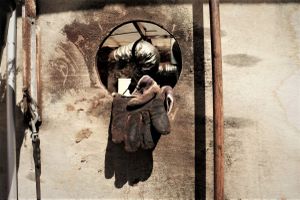
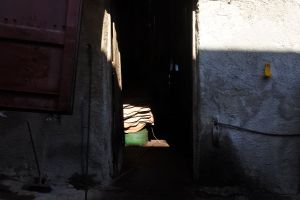
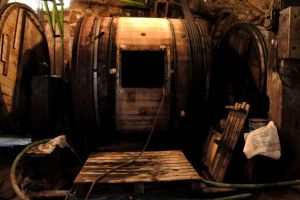
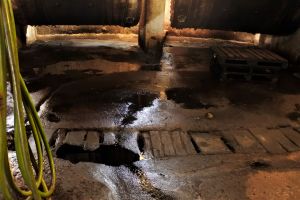
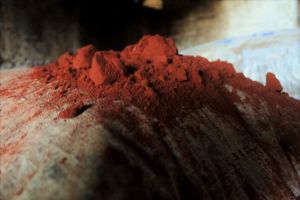
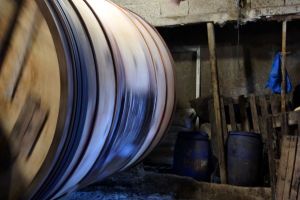
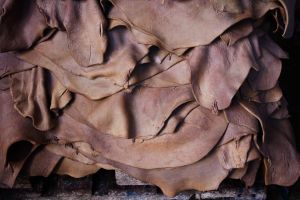
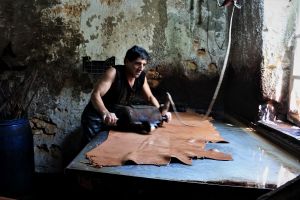
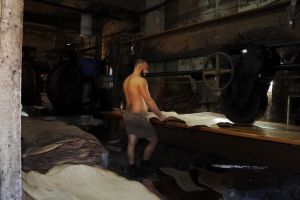
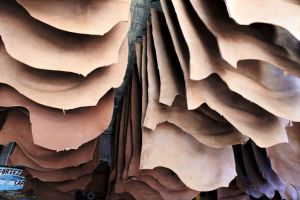
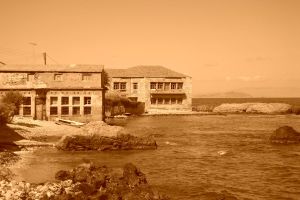
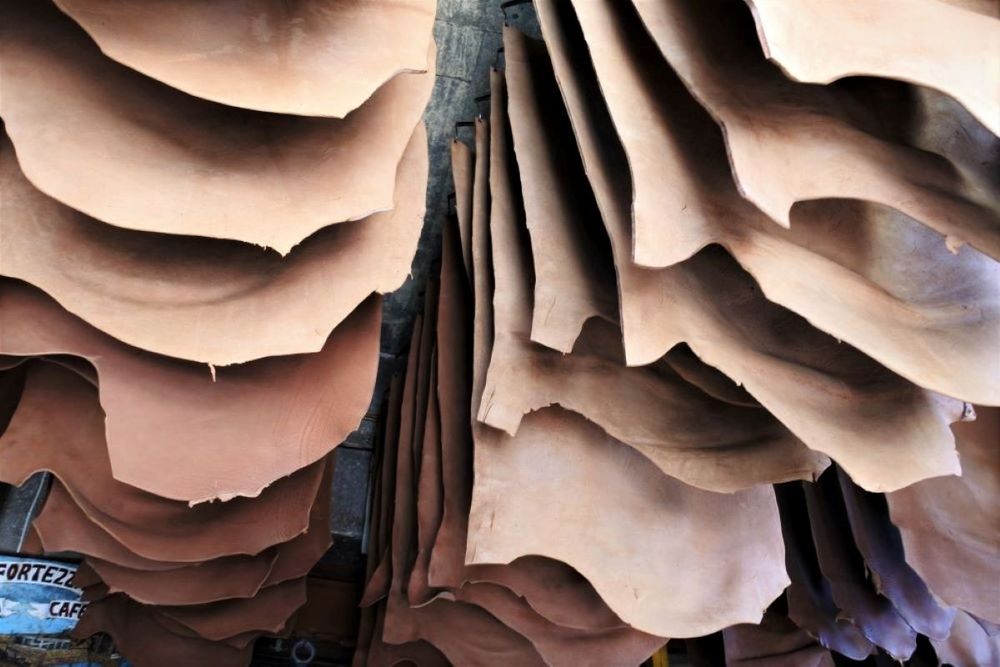
Tabakaria: a project in progress Tabakaria is an area eastwards of the city of Chania, a former flourishing industrial region where since the 19th century tanners were installed, housed in stone buildings with red tiled roofs, next to shallow sea water. Until the late 50’s there were more than 80 tanneries but unfortunately by the 60’s onward this industry started shrinking and falling apart, leaving ruins behind. Nowadays, six tanneries are still functioning, unveiling a world of another era. A tannery is equipped with a lot of heavy and expensive machinery. The tanning of animal skin and hide (the skin of big animals such as cows) is a long, painstaking and nauseous, because of the odour, process, involving a number of stages in order to alter the organic, protein structure of it into an inert material: leather! Hides imported from Africa, arrive on the grounds cleaned from hair and fat, ready to be tanned. To begin with, they are cut into a regular shape then they are washed into big barrels and tanned with vegetable tannin, extract from a special tree bark, imported from Argentina, then drained, stretched, softened, hanged up to dry, slicked, ironed, polished and finally transformed to what we know as leather. Early this year, the Greek Ministry of Environment has declared the reservation and future restoration of a group of 17 buildings added to another group of 26 buildings already preserved since 2014, aiming not only to rescue and restore their exceptional industrial character but also to give a new use by converting them into residences, hotels and restaurants; in other words, invest in the current industry of tourism. This sounds fine but what about the tanners and their profession? No mention for relocating the tanneries, no consideration for preserving one of the oldest professions of the world. The purpose of this project is to bring to light and ring bells for not allowing the extinction of this traditional profession. Progressing with my project, I intend to add pictures of today's tannery owners as well as of the buildings in the area and their future transformation.
No categories selected
Photos (12)