
Kith or Kin?
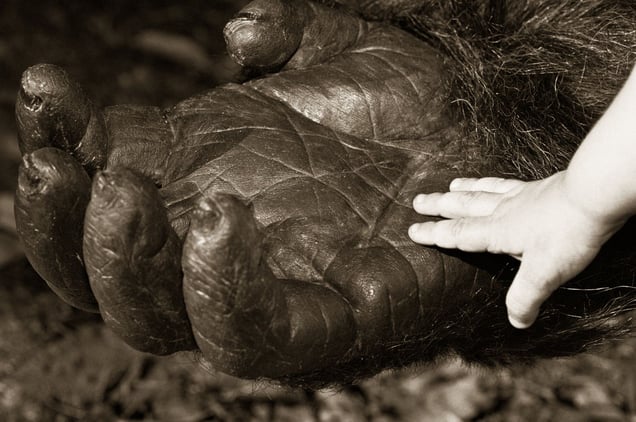
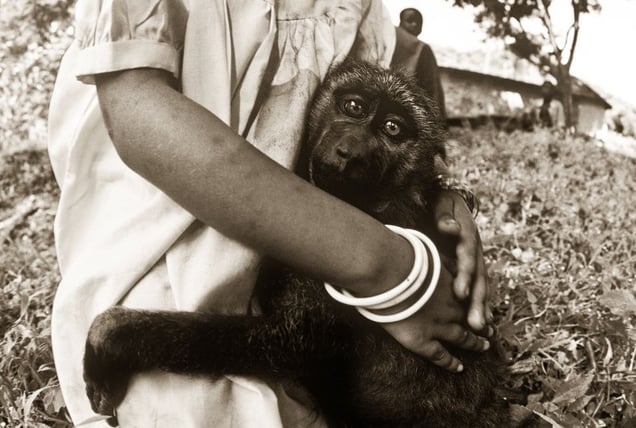
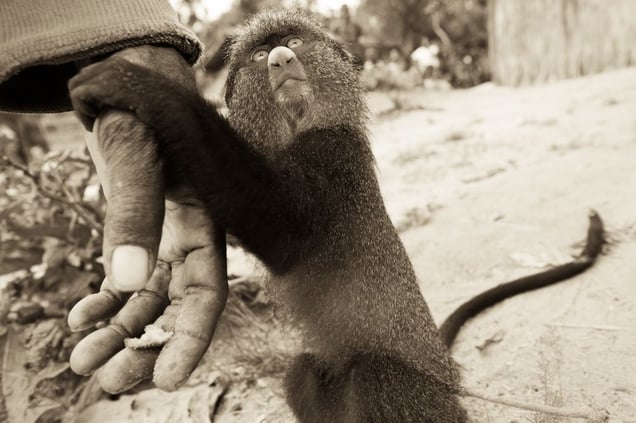
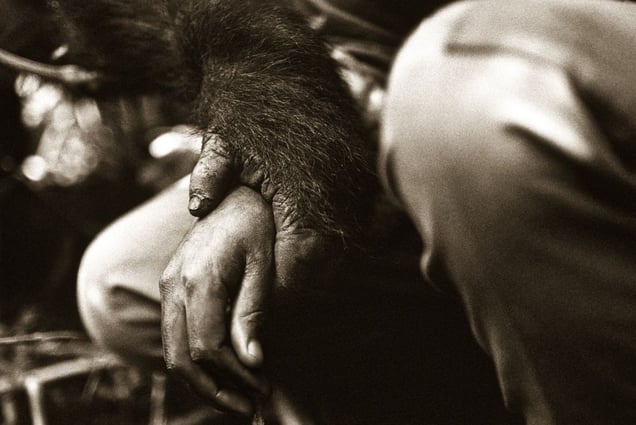
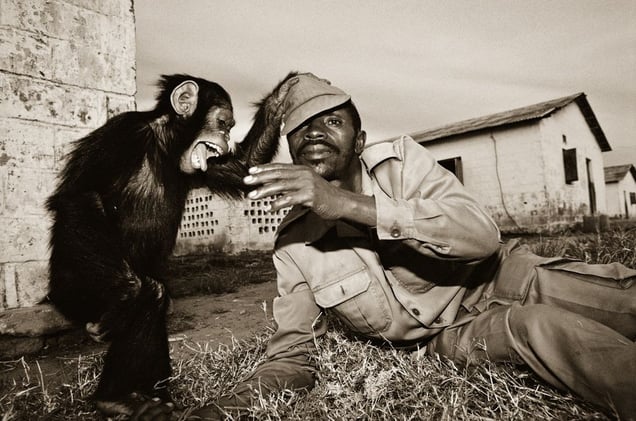
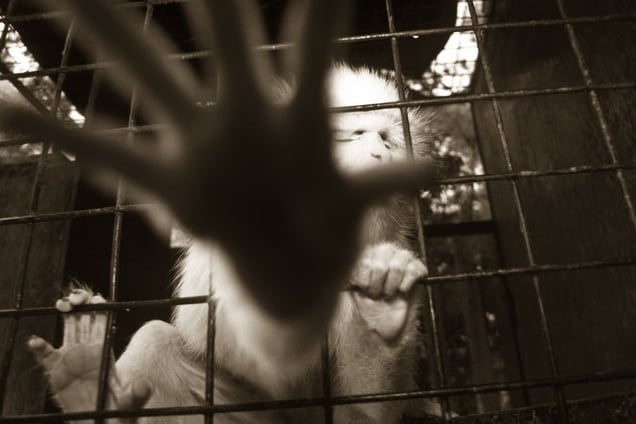
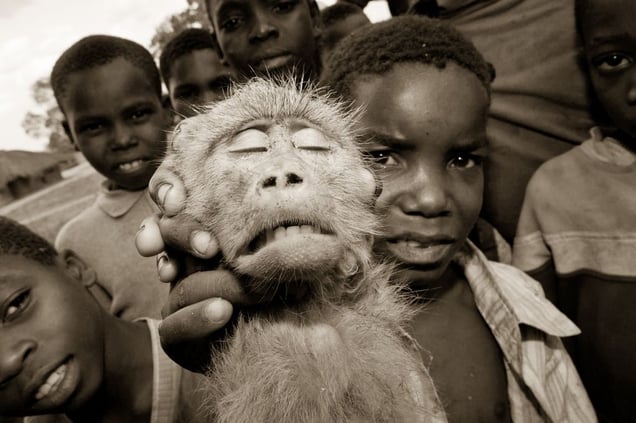
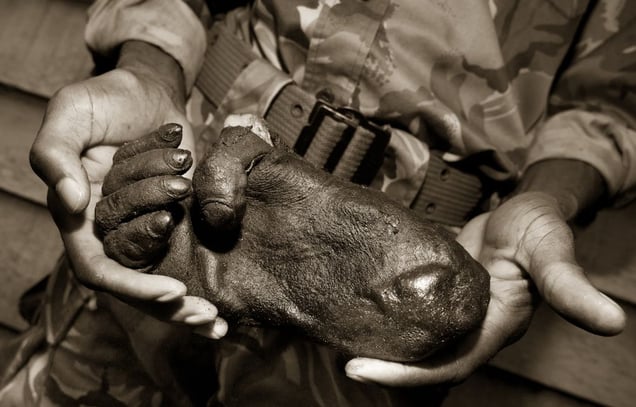
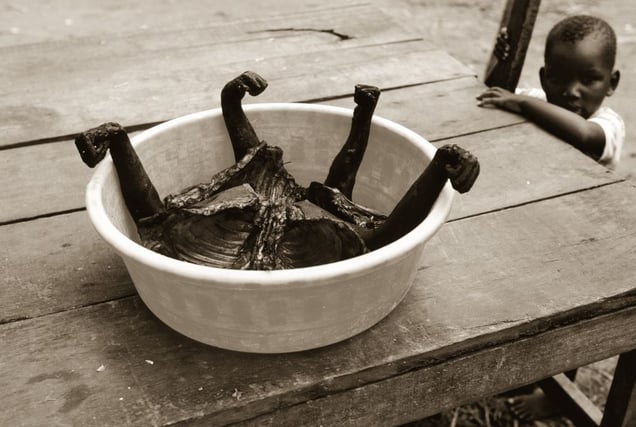
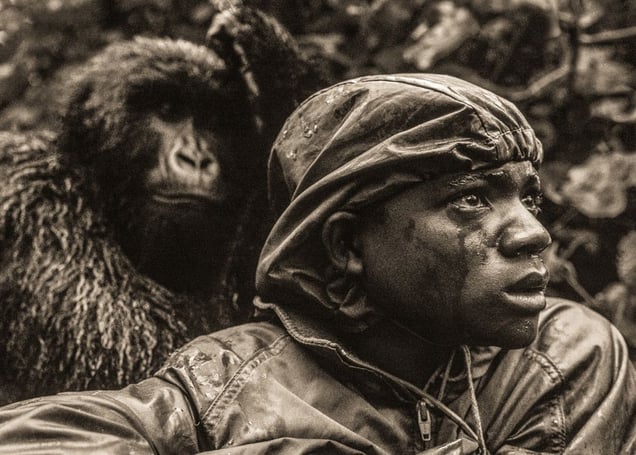
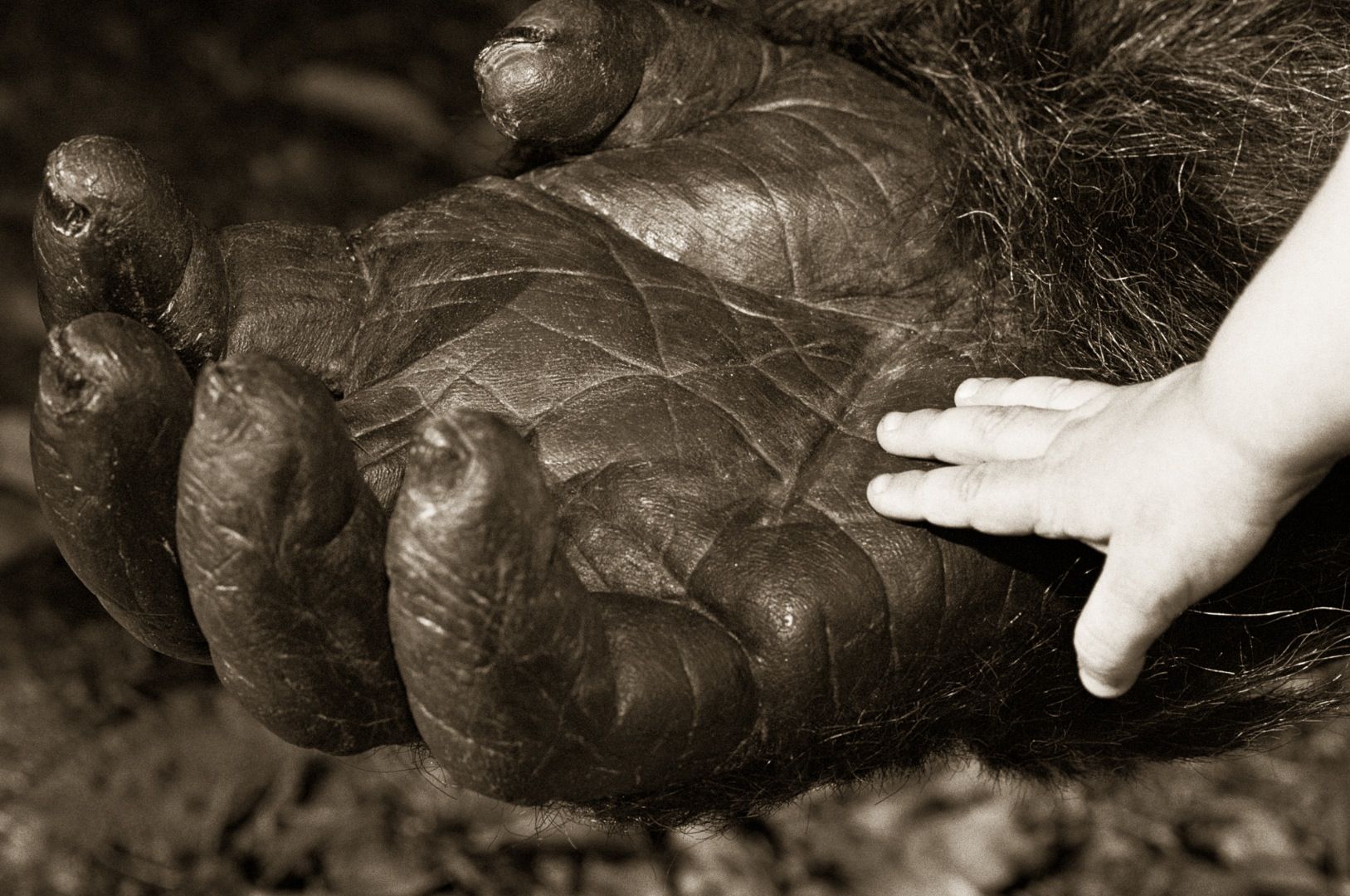
This is an on-going visual exploration of the negative and positive ways that we treat non-human primates. Homo sapiens sapiens - “wise wise man." Many of us are acutely aware of the disparity with which we treat our fellow human beings and our planet. We only have to look at our history with regard to slavery, racial apartheid, genocide, and the recent rise of radical groups like ISIS to know that we're very capable of treating differences amongst ourselves in the most shocking ways. When it comes to the Great Apes and monkeys, the paradigm is no different. A little quiet observation and introspection will quickly reveal just how we are capable of interacting with some of our closest human relatives. Some love to be entertained by primates on television, whilst others will pay huge amounts of money to visit them as tourists out in the wild. We derive great satisfaction from watching them caged in zoos or performing in circuses. We also experiment on them, advancing ourselves in the name of science. Some of us eat them. I have been privileged to work with wildlife in many parts of Africa for the entirety of my career, and I have been lucky enough to capture images like these, as the events and circumstances have unfolded in front of me. They've been transformative moments. I was initially drawn into wildlife photography because of a need to photograph the spectacular wild world around us, but I've become painfully aware that humans are very much part of the dynamic, whether we are visible in the images or not. This has galvanised a more holistic approach to my multi-media work. Conservation and the impact of humankind on the world around us is becoming increasingly more important. This planet—our Earth—can only have a viable future if we recognize the fact that although humans are a large part of the problem, they are actually part of the solution too. —Jabruson
No categories selected
Photos (10)