DREAD AND DREAMS
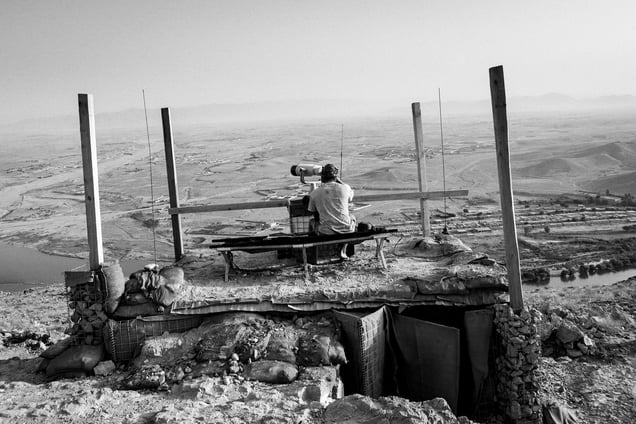
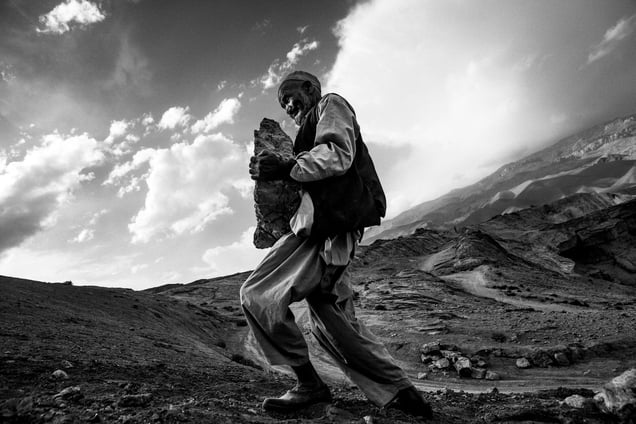
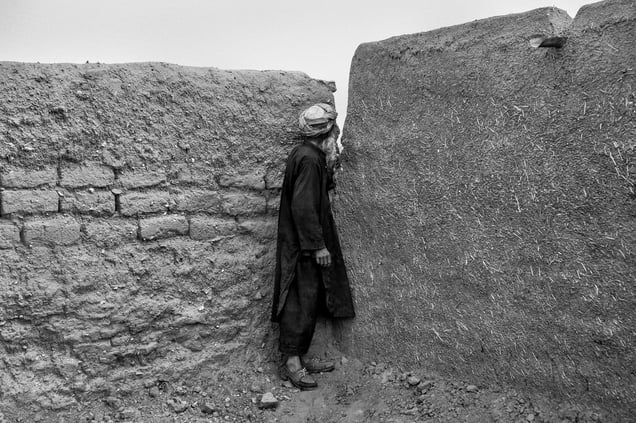
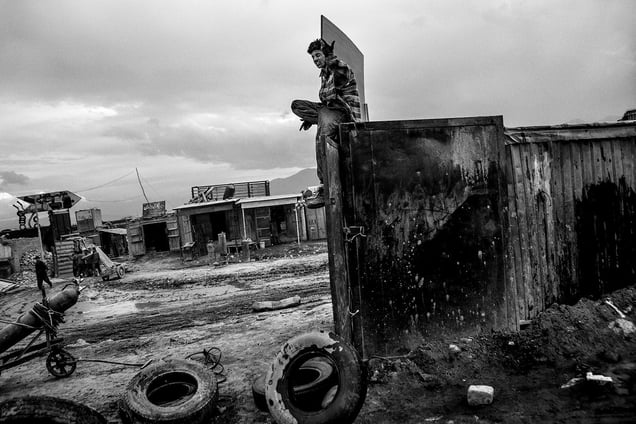
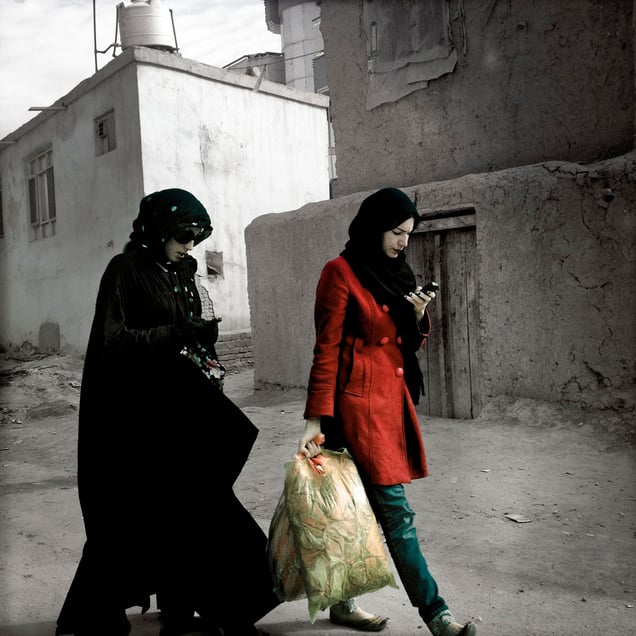
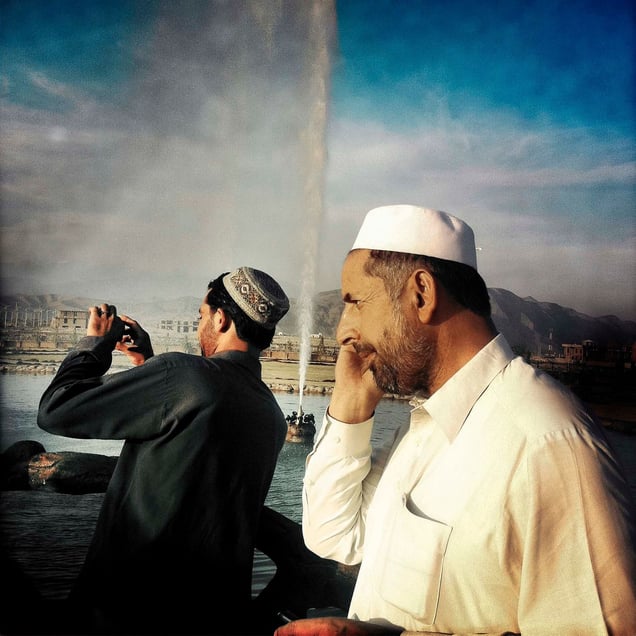
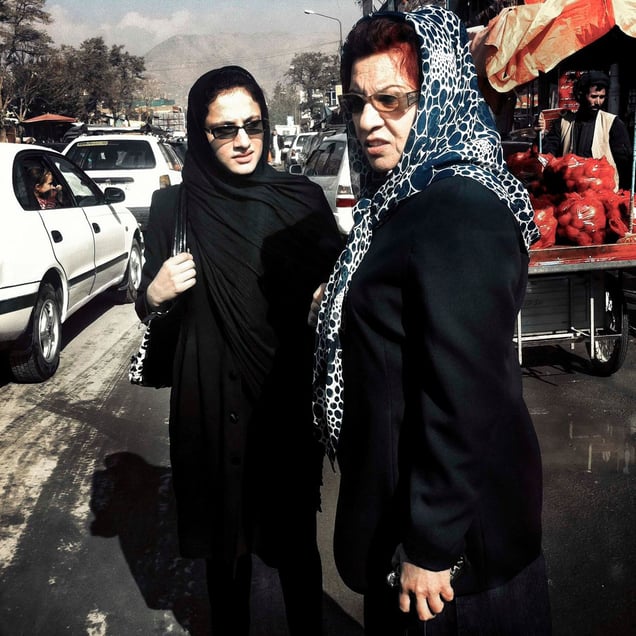
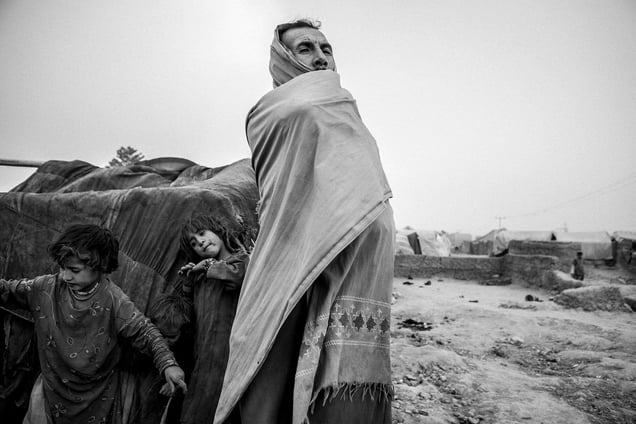
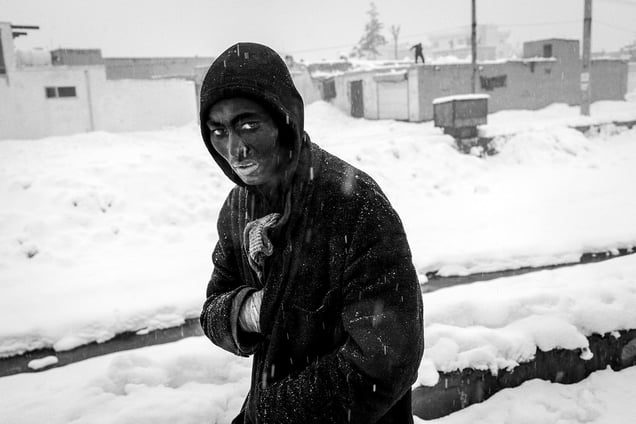
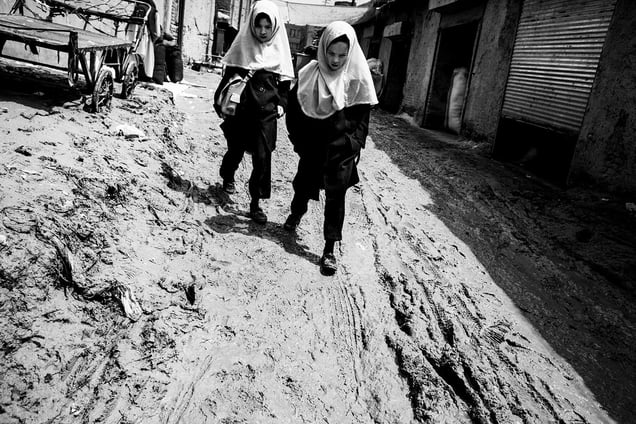
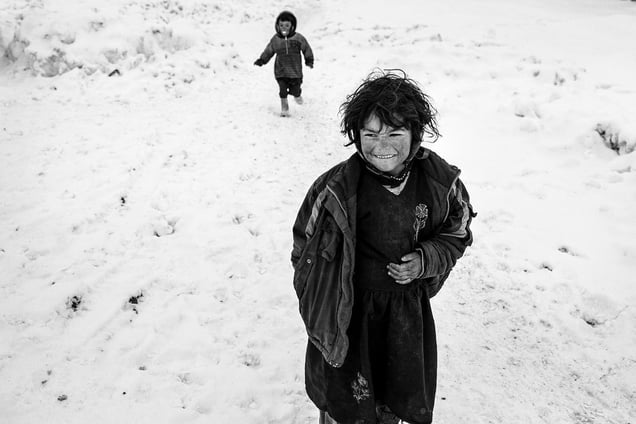
The internationally renowned Afghan-born photographer Zalmaï was forced to flee to Switzerland at the age of 15 after the 1980 Soviet invasion of Afghanistan. As a freelance photographer, Zalmaï has spent years capturing the human cost of disintegration and dispossession caused by war around the world and in his home country, Afghanistan, where he also sees signs of hope. Dread and Dreams (Daylight Books, May 2015) brings together photographs Zalmaï made between 2008 and 2013 against the backdrop of the 14-year U.S.-led invasion of Afghanistan which culminated in 2014 with the withdrawal of American troops. The book is therefore timely, as it contributes to the dialogue about the legacy of a war that is still shrouded in uncertainty as Afghans lose faith in their government, and in the international community that appears to have forgotten them. Dread and Dreams presents two stylistically contrasting bodies of work. Zalmaï’s epic, gritty, duotone photographs reveal the stark reality of life in Afghanistan for the millions of Afghan refugees who have returned to their country since 2002, only to find they cannot go back to their homes. They are instead forced to live in squalid conditions in makeshift refugee camps and urban slums where most live on the brink of survival, and many take refuge in drugs. Addiction is ravaging the population – both adults and young people. In counterpoint to this poignant series, Zalmaï presents intimate and optimistic sun-tinged color photographs that reflect the hopes and dreams of the Afghan people. Here, Zalmaï takes us away from the monumental humanitarian crisis wrought by war to reveal signs of positive life force permeating his country. Dread and Dreams is a deeply personal and humanistic body of work by an Afghan refugee who is informed by the tragedy of his homeland, and on a mission to show the world the story behind the headlines. In his essay in the book, Zalmaï writes: “My work is not about war, but war is in my work. And this is the core of my photography: ordinary moments turn out to be extraordinary. As extraordinary as any battle. My hope is to pay attention, to expose meaning in moments that otherwise pass unnoticed, to put a color on the dream of a simple life, in peacetime. We have to look at both the destructive force and the life force. They always clash, but the life force wins eventually. Both series in Dread and Dreams capture the indomitable resilience of a people who are determined to rebuild their country. It is noteworthy that in the book there are only a handful of photographs of coalition soldiers, including some mysterious, hard to decipher, night photography shots. These images reveal the growing disconnect between the military and the country’s civilian population. Empathetic, indignant and still hopeful, Zalmaï’s photographs draw attention to Afghanistan’s ongoing struggle, that has largely left the headlines, by focusing on the Afghan people and their lived experience of war, insecurity, chronic governmental mismanagement, corruption in a huge scale and international negligence.
No categories selected
Photos (16)