Soil & Soul: Exploring the Black Belt
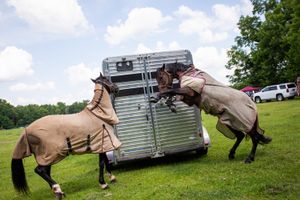
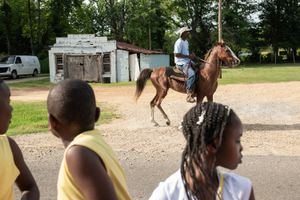
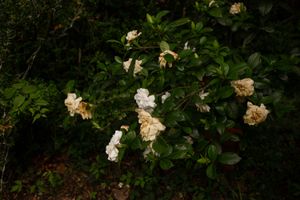
To explore beneath the surface of the region known as the Black Belt, a crescent-shaped swath of land in the American South, is to lift a scab over wound whose origin is many generations old. Deep beneath that wound lies silent layer of ancient Cretaceous chalk feeding minerals into the black soil for which the region is named. As a white woman who grew up in Alabama, I learned very little of the black experience until my adulthood. And when I did, I came back to this land, to reckon with everything I learned. The rich Black Belt soil, fed by the vein of underlying chalk, was prodigiously good for growing cotton. As a result, more enslaved men and women of African descent were brought the Black Belt region than any other region of Antebellum South. To this day, the legacies of slavery, segregation and political disenfrachment are visible in both black and white communities across the Black Belt. Counties that are majority black (nearly every county within the Black Belt in both Mississippi and Alabama are) rank among the poorest in the nation by all measures. Much land is now held by “absentee owners” - corporations or wealthy individuals who keep the land for timber, for hunting lodges, or simply hold land acquired cheaply until some reason comes along to raise its value. Some land has been given over to massive landfills that receive waste from across the entire United States, against the desires of residents who make their homes there. Several Alabama counties struggle with sewage issues that remain unresolved after years due to lack of resources and little political will to fix the problems. The relationships people in the South have with their land, with each other, with their past and future are complex and do not lend themselves to simple explanations. Nor do human beings yield their full stories easily. Pain runs deep, and the land itself sighs under the weight of it. Some pains cry for tending, and some for excising. And alongside the pain runs deep commitment to family and community, determination, activism, and love. The purpose of my photographic work in the Black Belt is to explore the social history of this region through the lens of the soil, from which the region gets its name and which has been an unwitting catalyst in the saga of American racial oppression. James Baldwin said, "You write in order to change the world... The world changes according to the way people see it, and if you alter, even but a millimeter, the way people look at reality, then you can change it."
No categories selected
Photos (10)