RO_Archive
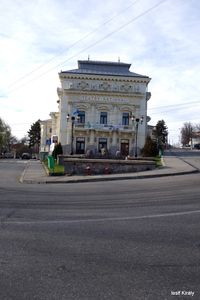
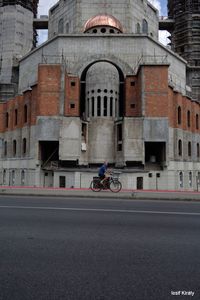
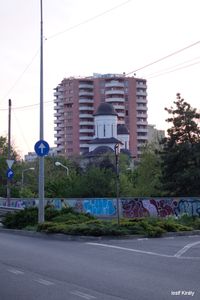
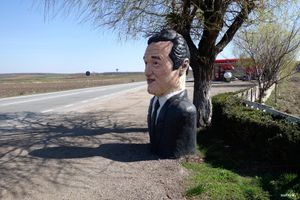
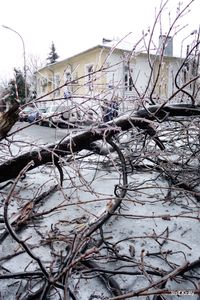
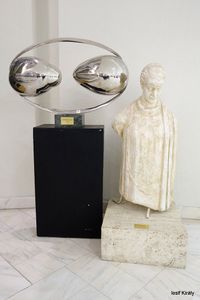
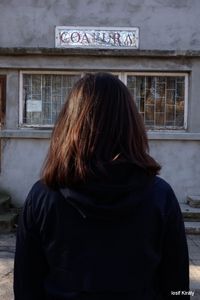
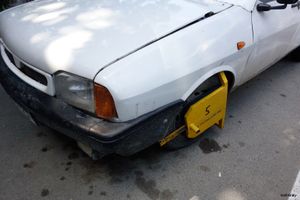
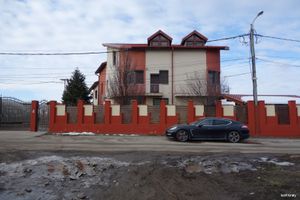
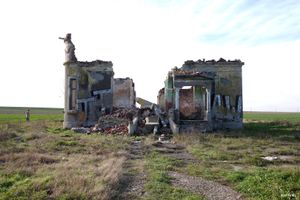
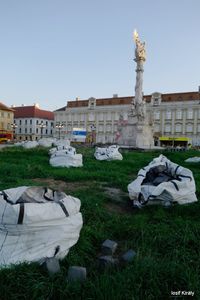
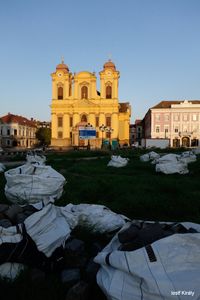
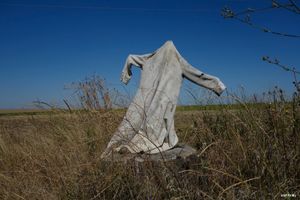
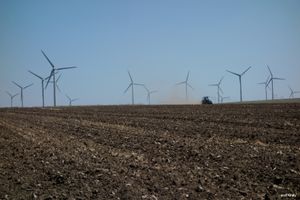
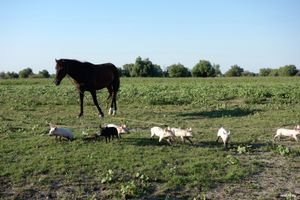
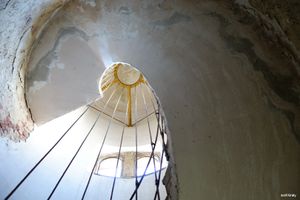
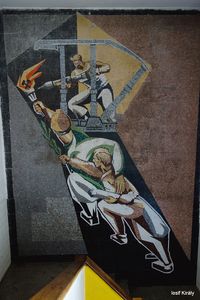
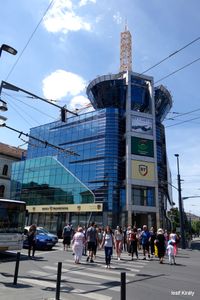
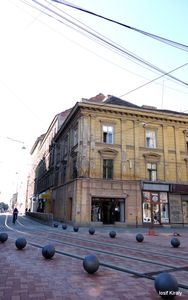
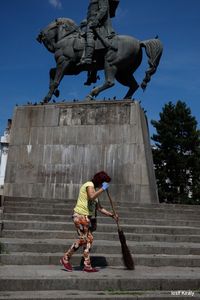
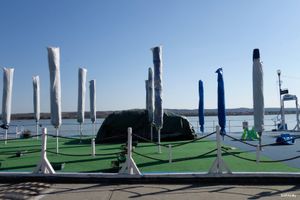
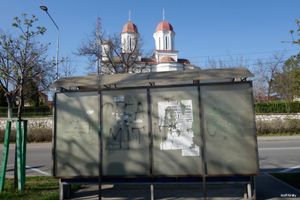
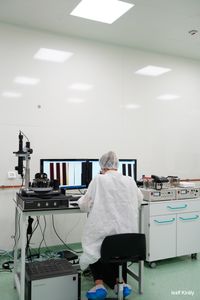
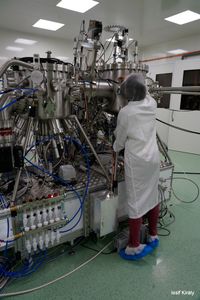
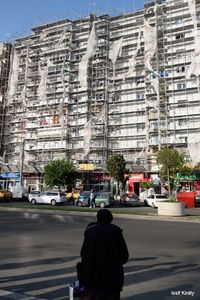
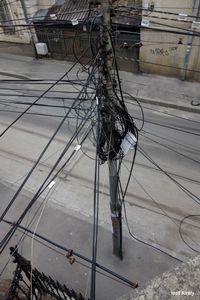
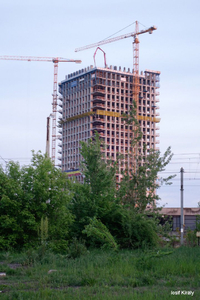
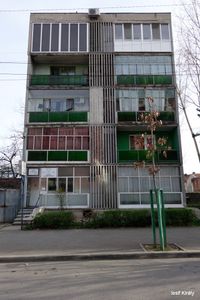
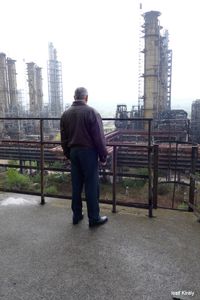
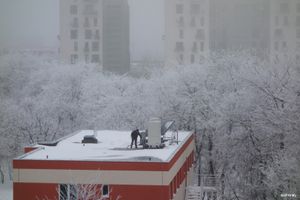
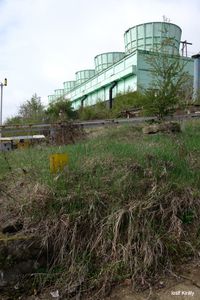
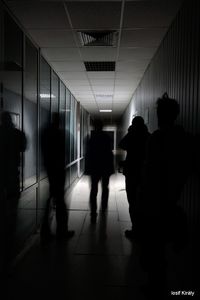
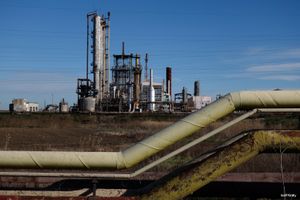
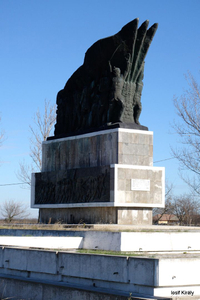
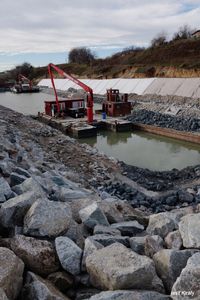
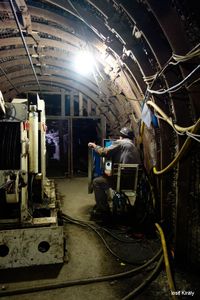
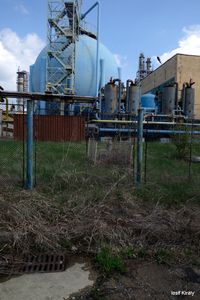
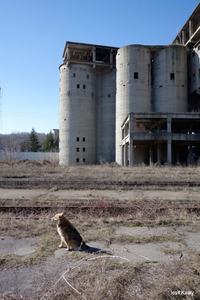
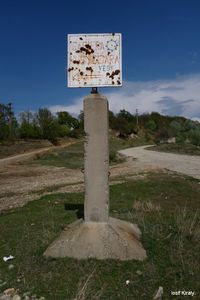
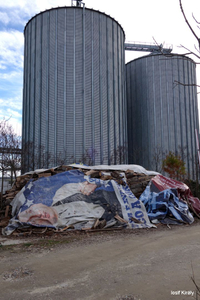
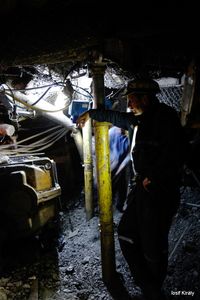
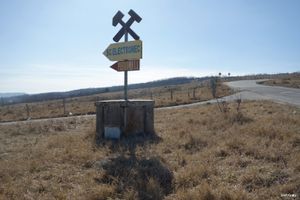
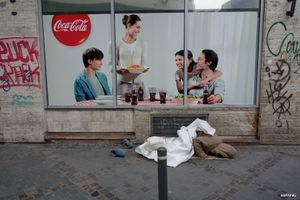
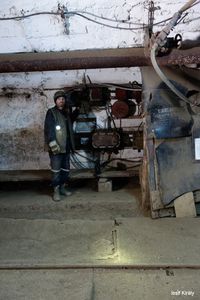
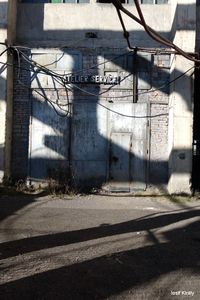
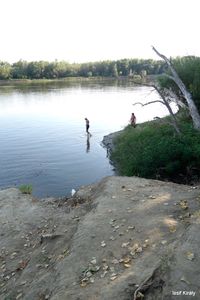
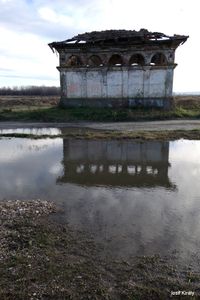
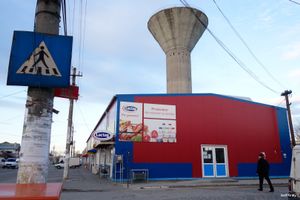
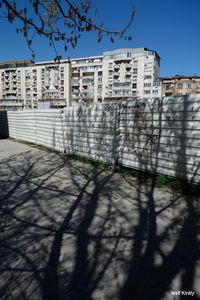
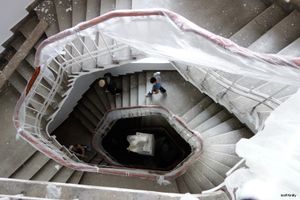
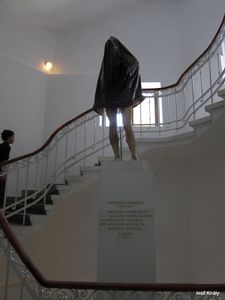
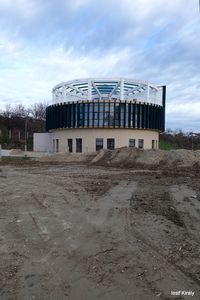
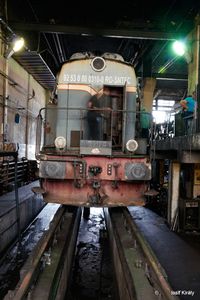
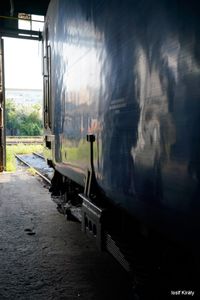
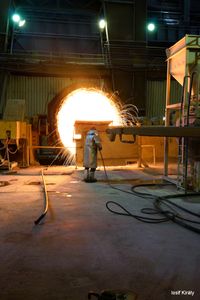
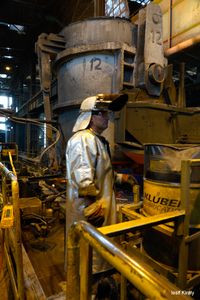
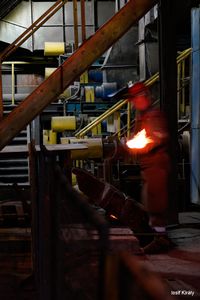
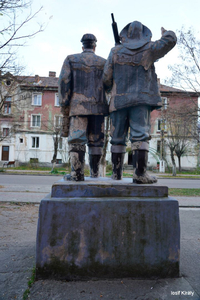
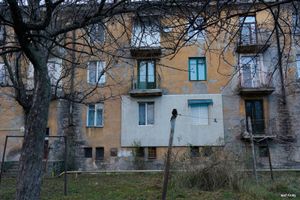
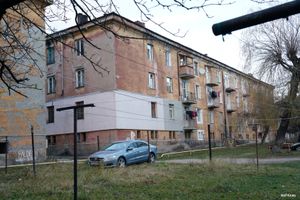
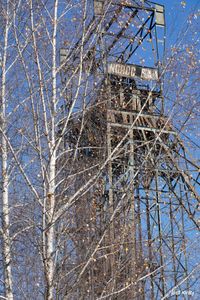
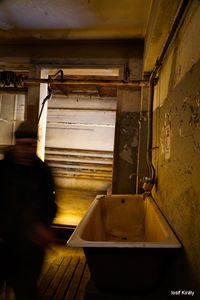
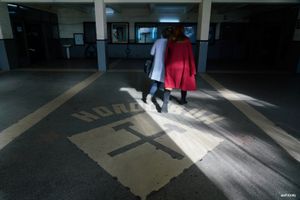
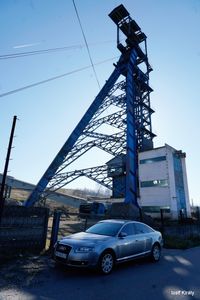
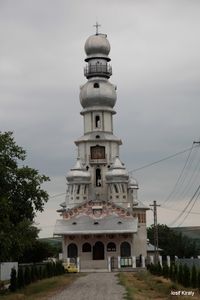
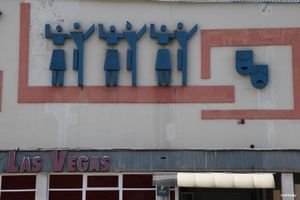
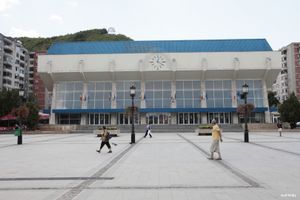
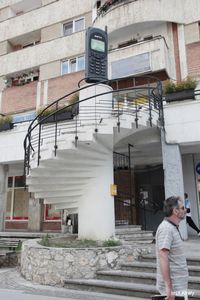
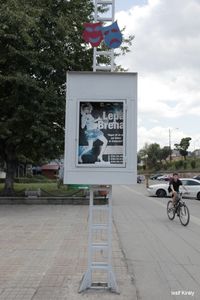
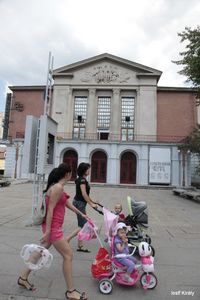
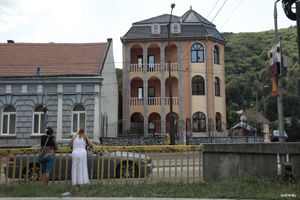
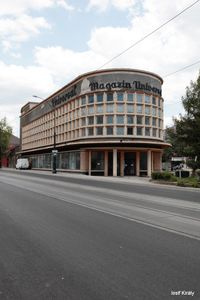
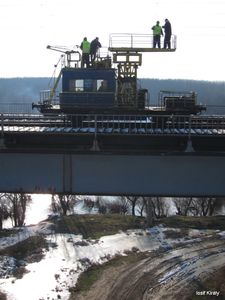
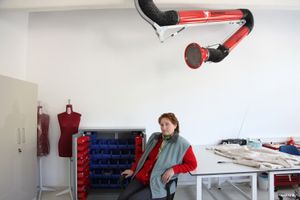
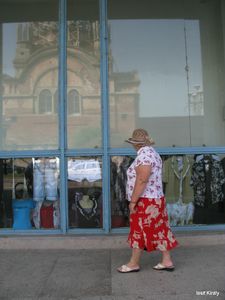
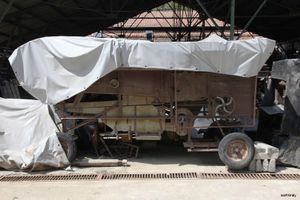
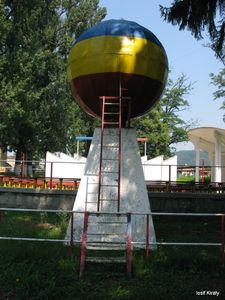
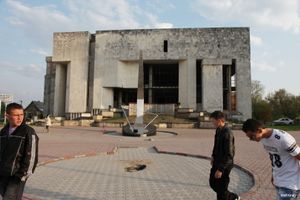
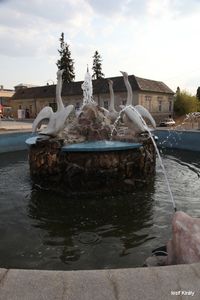
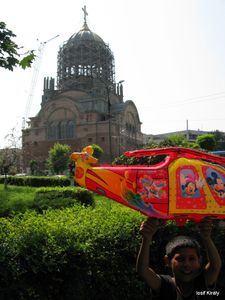
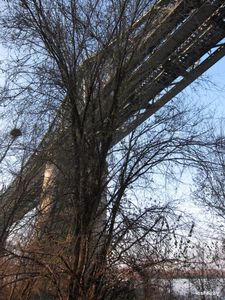
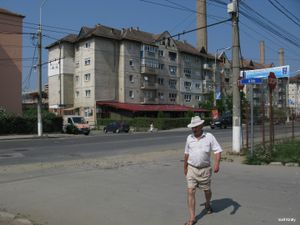
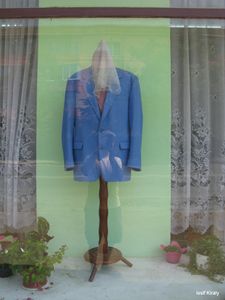
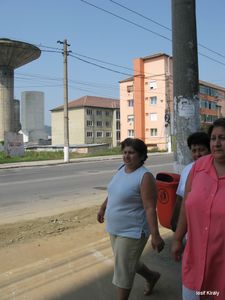
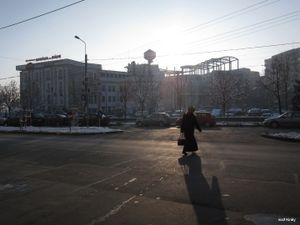
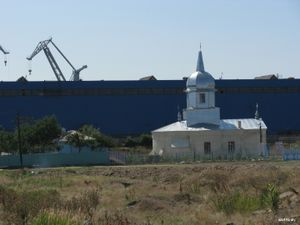
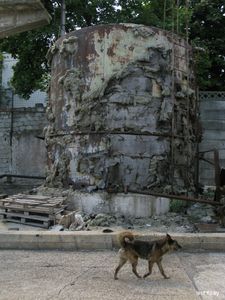
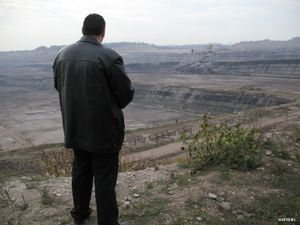
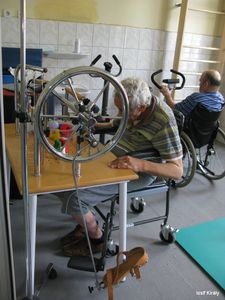
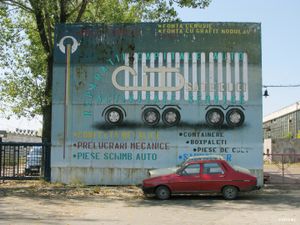
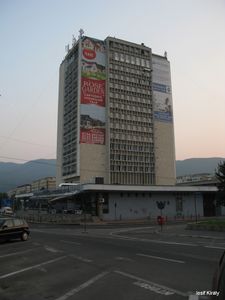
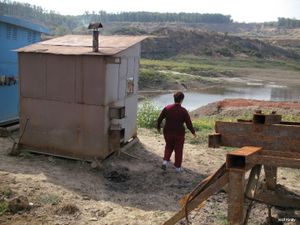
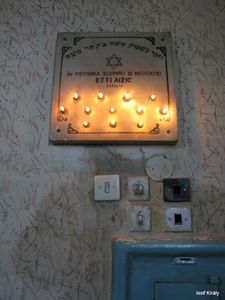
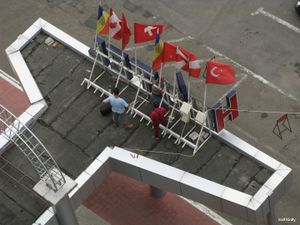
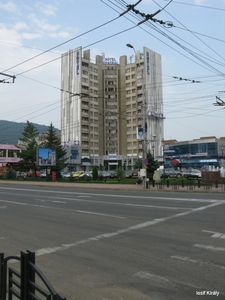
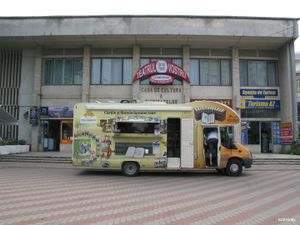
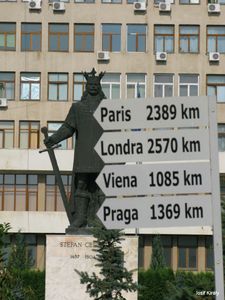
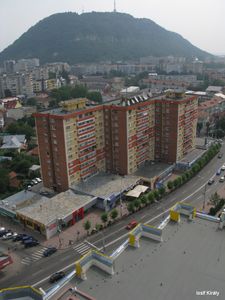
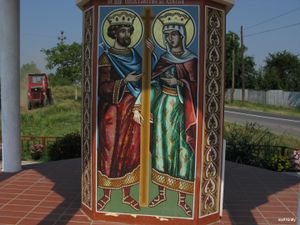
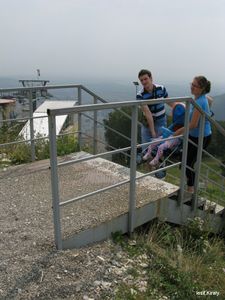
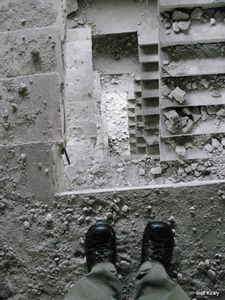
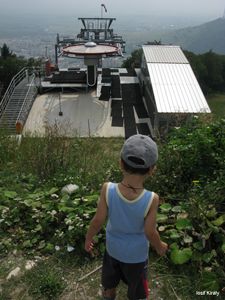
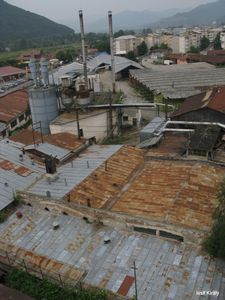
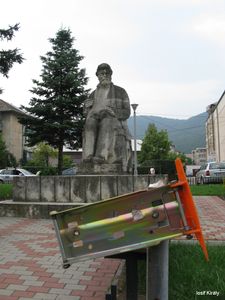
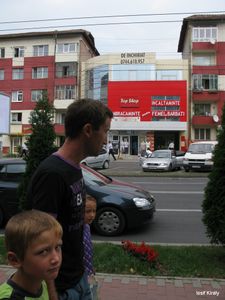
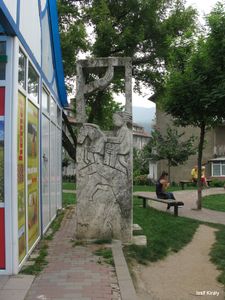
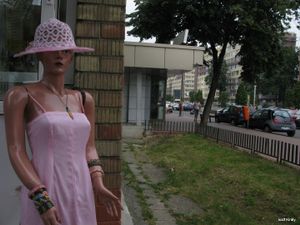
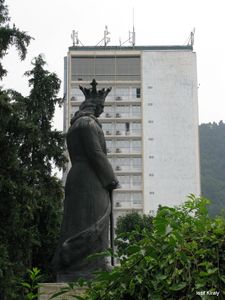
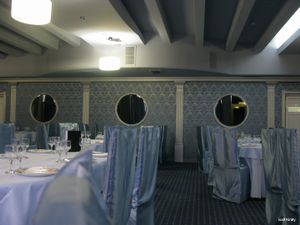
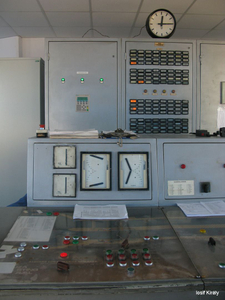
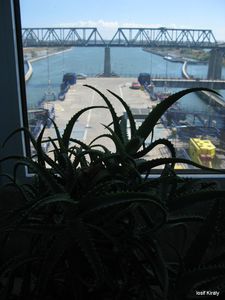
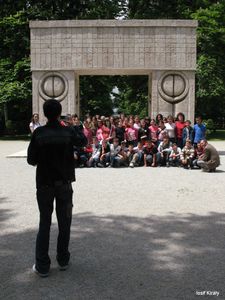
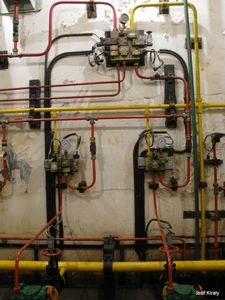
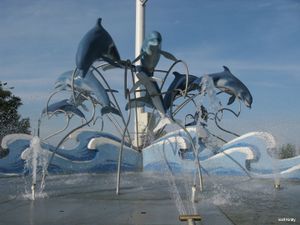
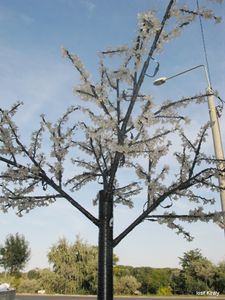
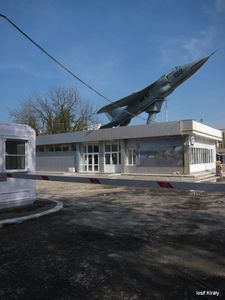
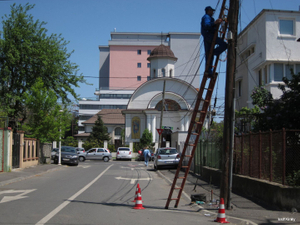
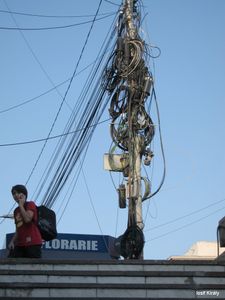
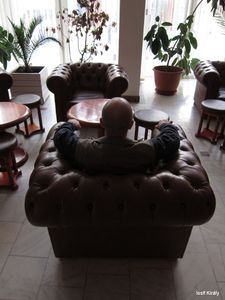
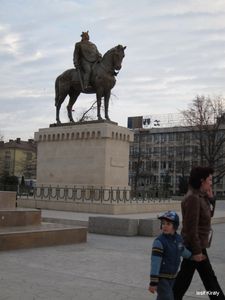
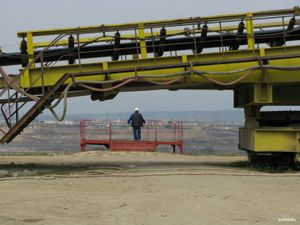
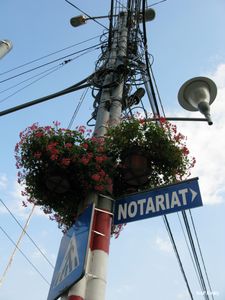
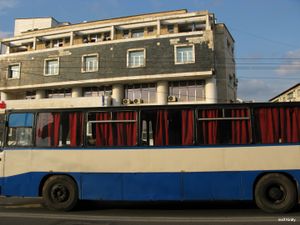
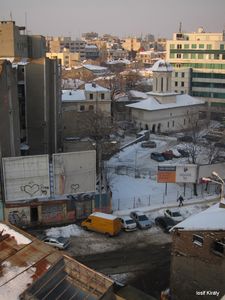
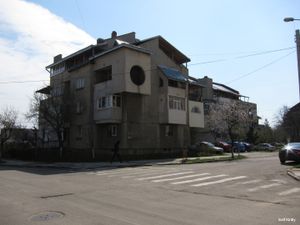
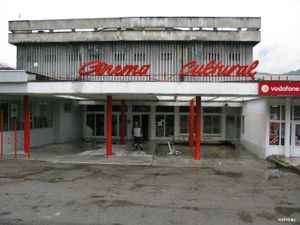
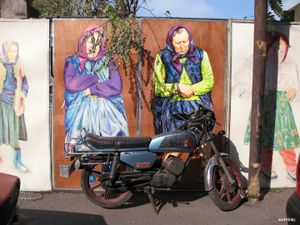
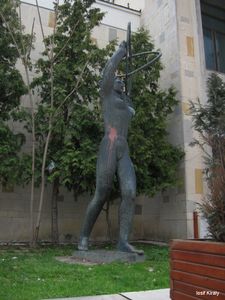
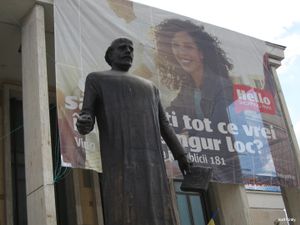
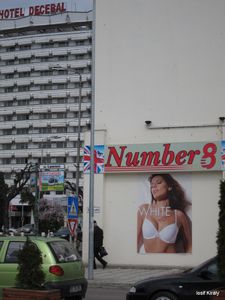
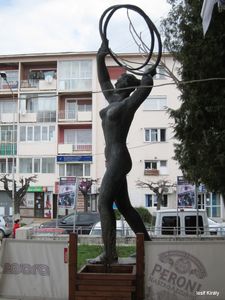
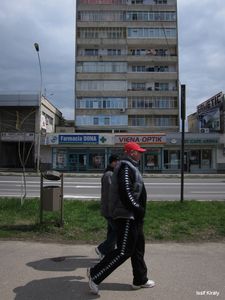
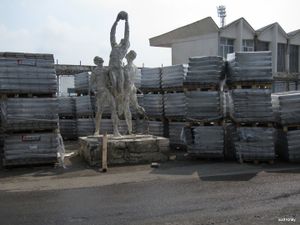
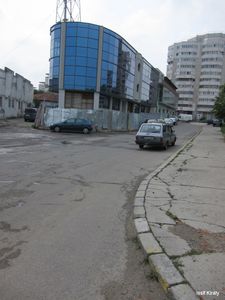
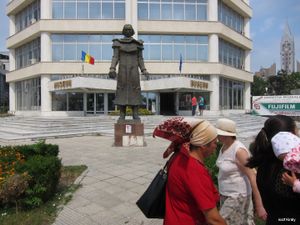
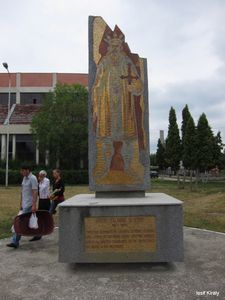
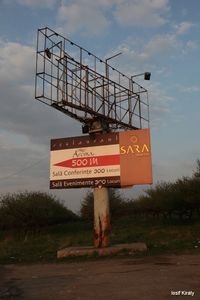
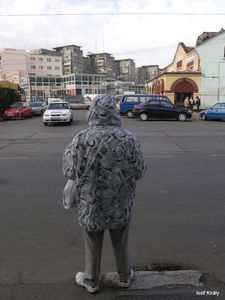
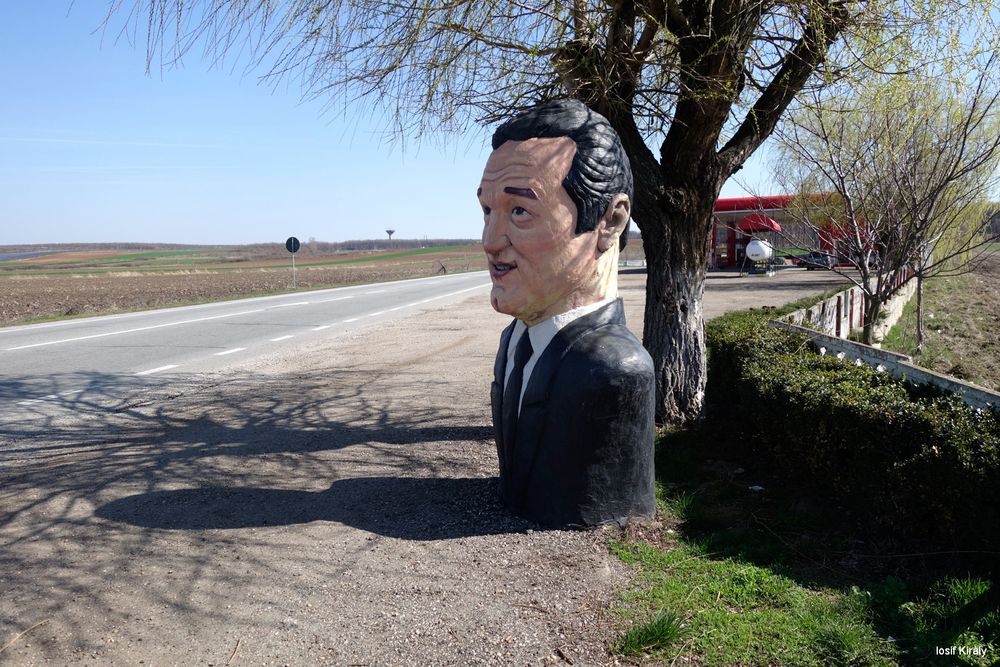
After the fall of communism and the Romanian revolution in November 1989, turbulent years of transition towards democracy and a free-market economy followed. In 2007, Iosif Kiraly, an architect, artist and professor at the Bucharest National University of Arts, took the initiative of starting RO_Archive as an attempt to make up for the numerous photographic archives in Romania that got lost. The dismantling, privatization and renewal of institutions and industries had led to the devaluation and even destruction of documentary material, even when owned by state factories and institutions. Alarmed by the neglect and destruction of important parts of the national collective memory, RO_Archive was set up to raise public awareness with regard to the need to document everyday reality in a systematic way. Since the start in 2007, twelve photographers have been involved in documenting more than 70 ‘target areas’ around the country. Besides Iosif Király, who took the initiative, his colleagues Ralunca Oancea and Raluca Paraschiv, the project team included theorists, anthropologists, philosophers and critics, as well as a number of university students. Themes that were chosen included Nature, Agriculture, Religion, Cults, Monuments, National Identity, Marks of Time, Tourism, Leisure, Sports, Health, Commerce, Craft, Surveillance, Security, Architecture, Urban Analysis, Peripheral Routes, Railway Stations, Transportation, Industrial Landscape. Next to these, the focus lay on the transformations inherent to the European integration, the context for the frenetic reshaping of Romania’s urban and rural landscapes in the past decade. Since 2008, sections of the archive were presented in workshops, inter-media events and exhibitions in Romania and abroad. A typical focus of the still ongoing project concerns the critical reflection on the concept of the archive in the computer age of postproduction, where notions of the real and of truth seem to shift in quite a radical way. (Frits Gierstberg - Framed Landscapes: European Phtography Comissions 1984-2019, Museo ICO/Photo Espana 2019, p. 390) --------------------------------------------------------------------------------------------------------- On this website is presented (random) only a selections of Iosif Király’s photographs. --------------------------------------------------------------------------------------------------------------------------------------- Iosif Király: RO_Archive A Number of Conceptual and Photographic Reference Points RO_Archive started out as an attempt to make up for the numerous photographic archives that were lost or destroyed in the turbulent years that followed the Romanian revolution of 1989. In the process of privatising and dismantling the majority of economic entities operational during the communist regime, documentary photographs were of no monetary value, since they could not be transacted in any way at that time and therefore were lacking in any interest to the new owners, and were of no interest to anybody in general. All state‑owned factories and institutions kept collections of images which, to a lesser or greater propagandistic degree, documented given moments in their activity, from their establishment to when they were finally closed down. The vast majority of these visual documents, which could have constituted important research material for anybody interested in Romania’s recent history, has thus been wasted and mostly destroyed. RO_Archive is intended as a signal/means of approach, which will bring to the public’s attention the need to document everyday reality in as systematic and continuous a way as possible, a reality that is as unspectacular as it is complex. At the time when I initiated this project, I had in mind a number of models that I have tried to transmit to all those who have taken part in the various phases of its development hitherto. In the first place, I was influenced by Fernand Braudel’s way of understanding history. Thereby, what I was pursuing was sooner the “structures of the everyday” and the mode in which the longue durée can be captured in images, and I tried to orient the documentary process less towards events, towards what is extraordinary and spectacular in the everyday, with which the mass media are wholly concerned. According to Braudel, historical events are the product of long‑term “subterranean” developments, and his interest and that of the school1 to which he belonged was in studying precisely the strata composed of everyday life and economic transformations, rather than political events and figures, social upheavals and military conflicts. From the photographic standpoint, I think that RO_Archive can find its forerunners in a number of historical documentary “missions” that are as many landmarks in the history of photography, including Missions Héliographiques, Farm Security Administration, The New Topographics, La Mission Photographique de la DATAR. The images that currently make up the database were not intended to be objective in the trivial sense of mimetic documentary making or bureaucratic stocktaking.(Does anybody today still regard photography as a one‑hundred‑per‑cent objective documentary medium?) Likewise, they were not intended to be unitary in the rigid, dogmatic sense, and they avoided the imposition of any norms, limitations, or forms of totalitarianism, be they stylistic, be they thematic.They were made by different artistic personalities, and each author primarily pursues directions and subjects that can be found to a greater or lesser extent in any documented situation. But what lends the project coherence is a system of reference that is unitary from both the conceptual and the visual point of view. Albeit from different positions, we have all come together in the same school and have shaped a shared visual language whereby we communicate with and understand each other. Last but not least, RO_Archive aims to rehabilitate the photographic act in a post‑photographic age, when, thanks to the Internet in general and social networks in particular, images circulate and are re‑contextualised with a speed and ease so great that an increasing number of people perceive a camera pointed at them by a person unknown as a potentially dangerous instrument. We would like to make all those people understand that today’s reality is tomorrow’s history and that they are the ones who build it and we are the ones who document it. ------------------------------------------------------------------------------- 1 The Annales d’histoire économique et sociale school is one of the most important movements in modern European historiography. Fernand Braudel (1902–1985) was part of the school’s second generation of historians and is regarded as the man who gave the movement an international dimension.
No categories selected
Photos (305)